Episode 50: Erika Elias


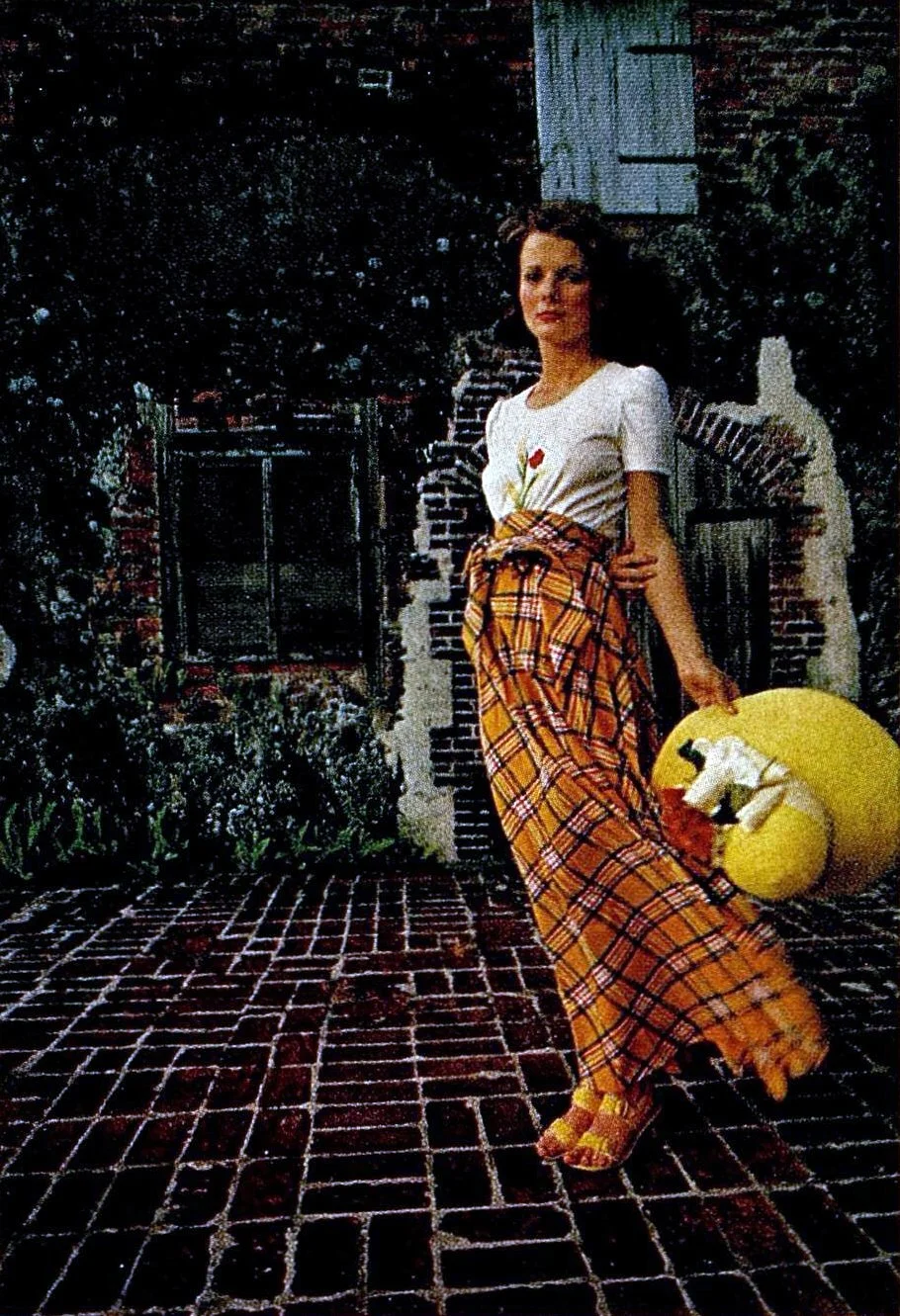
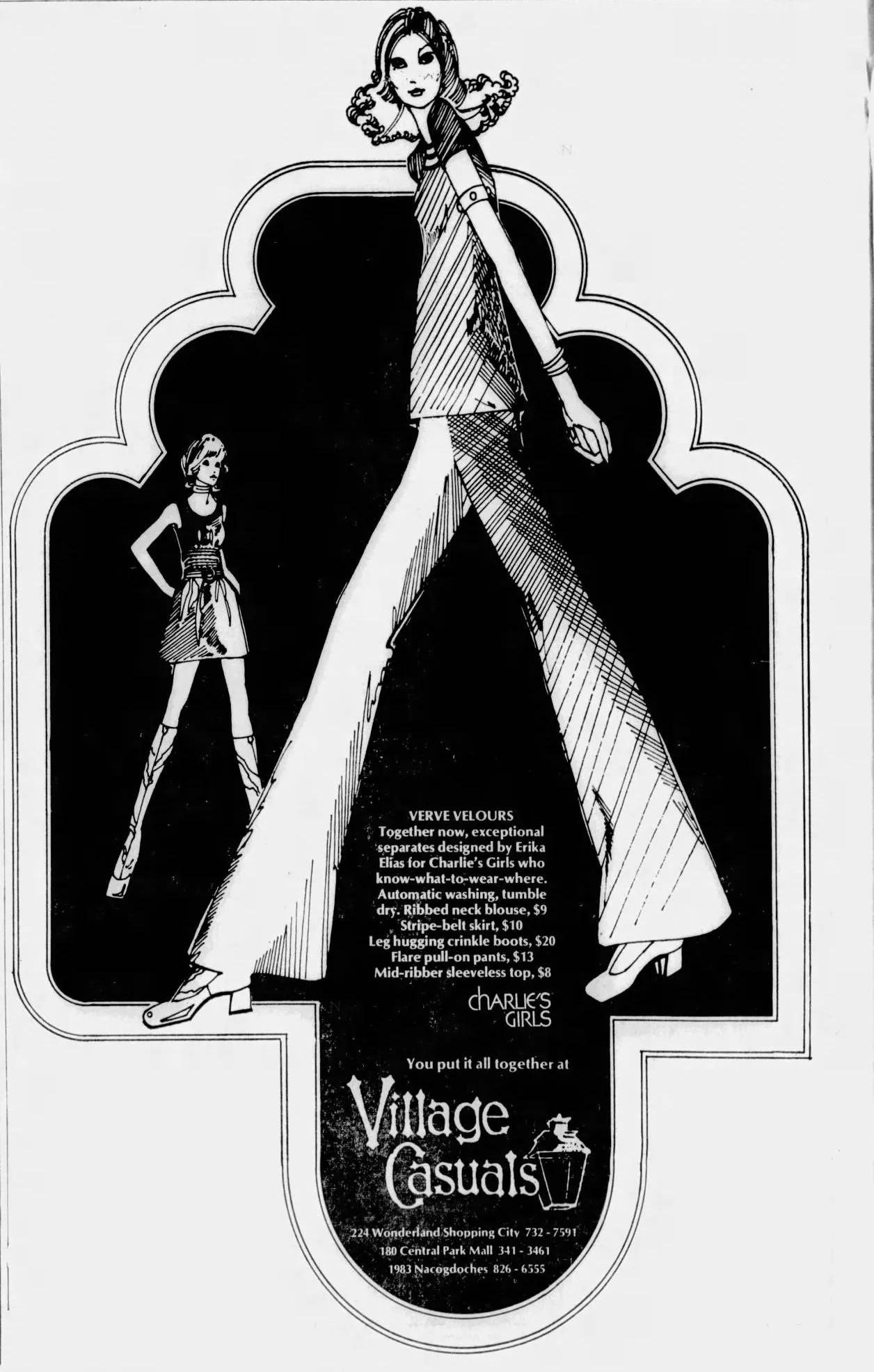
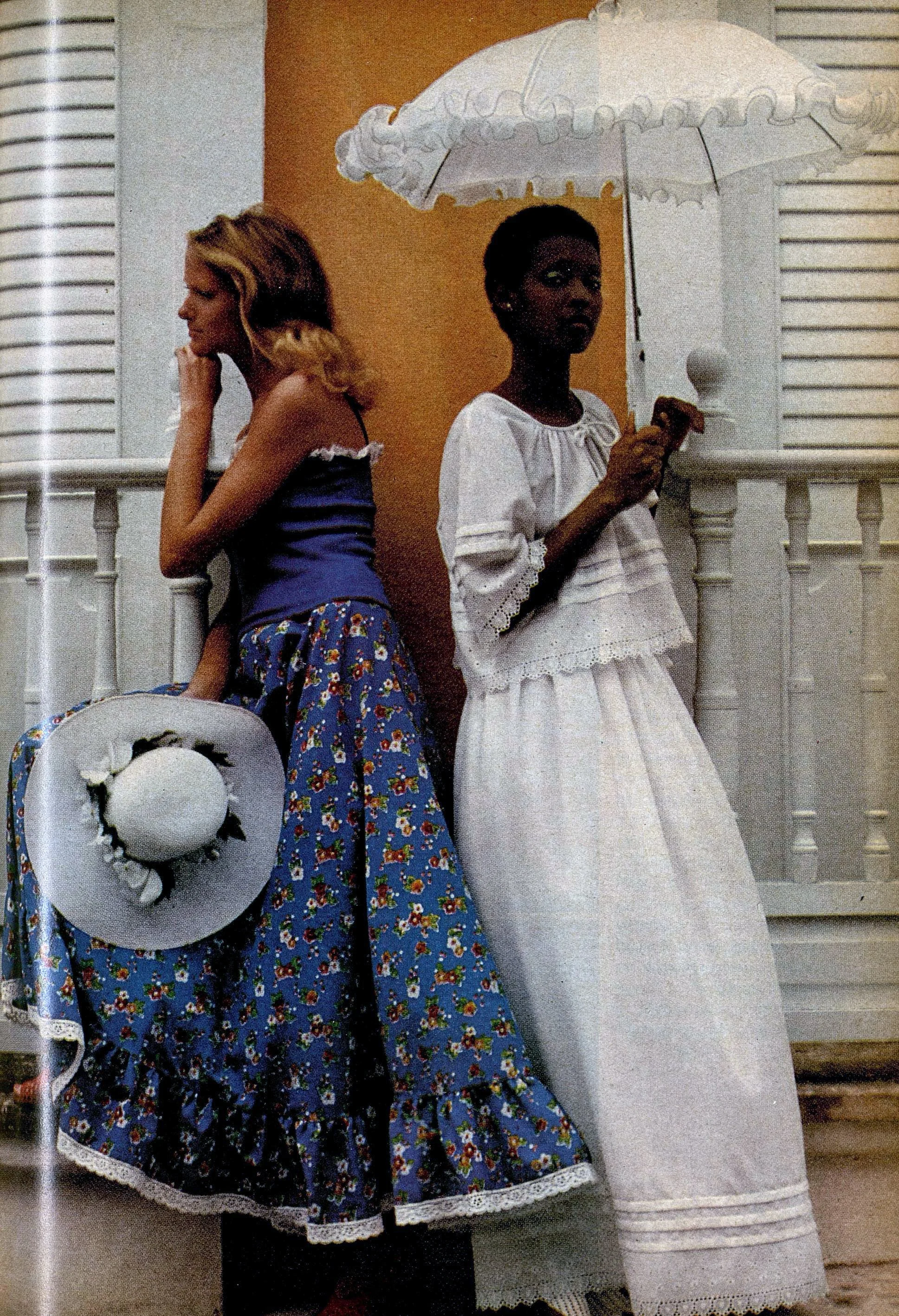
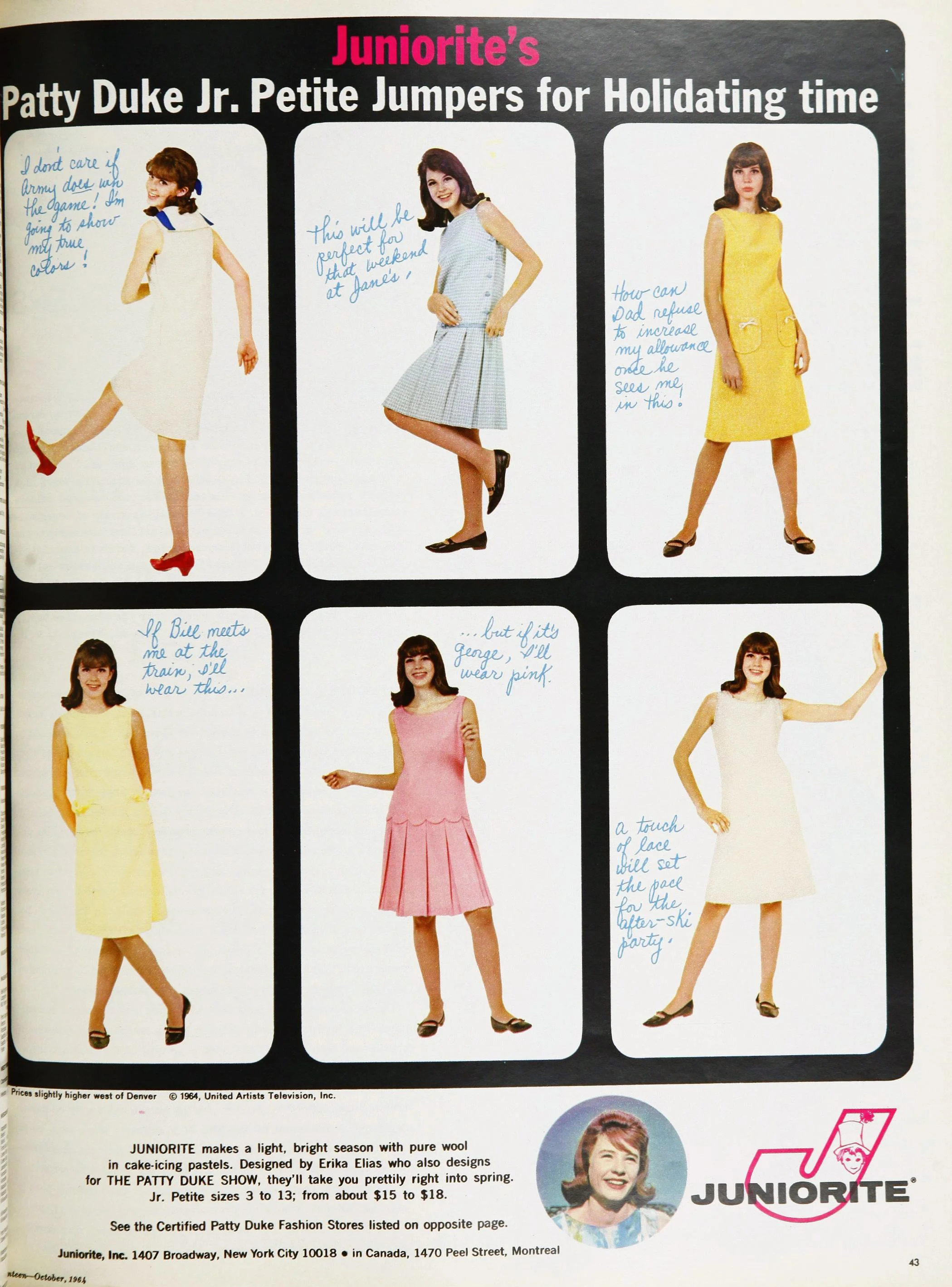
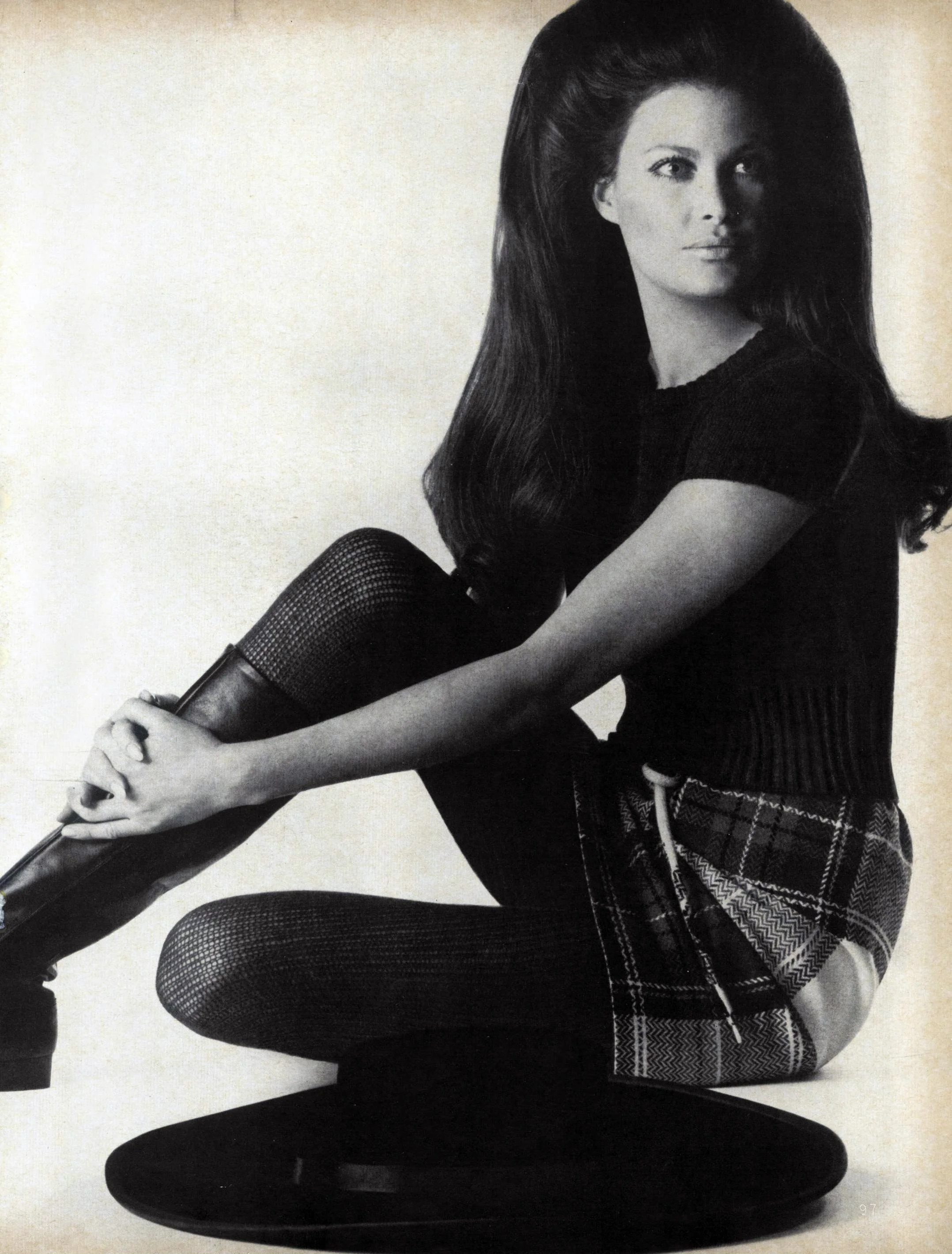

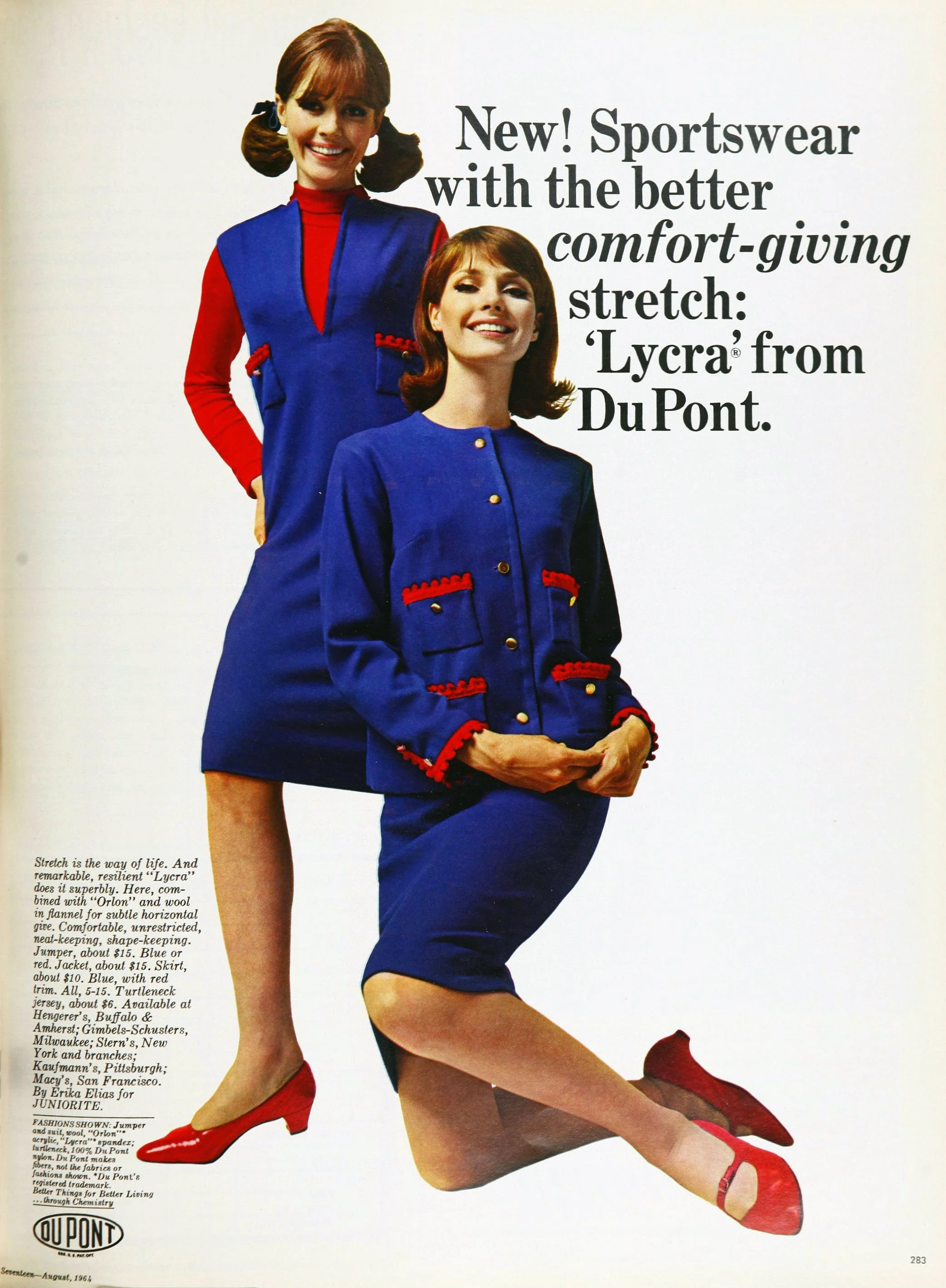
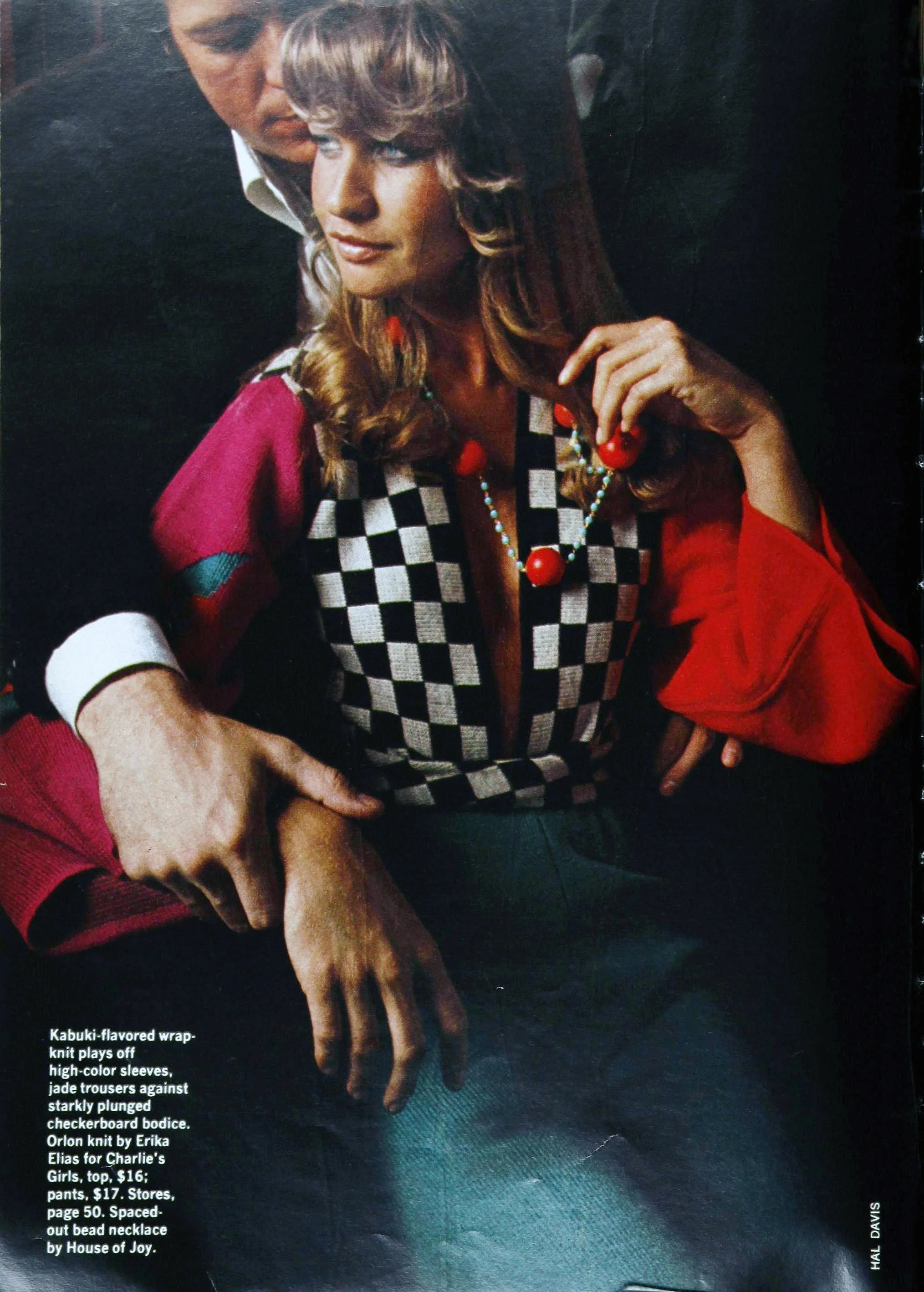
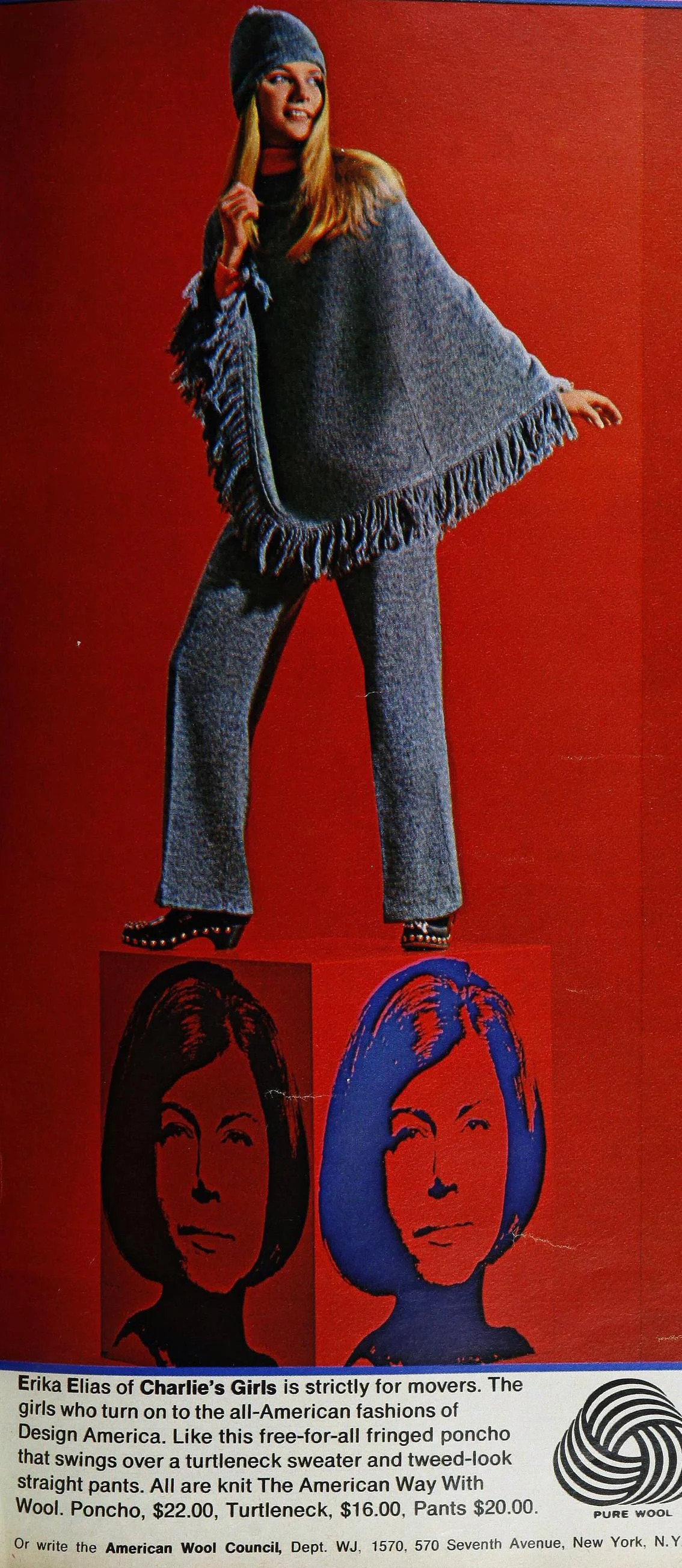

If you are interested in fashion, design, and cultural history, please check out my Substack newsletter, also called Sighs and Whispers, which covers many of the same themes as this podcast. You should sign up! All financial support for the newsletter allows me the time to write it, produce this podcast, and manage my Instagram, so please consider becoming a paid subscriber.
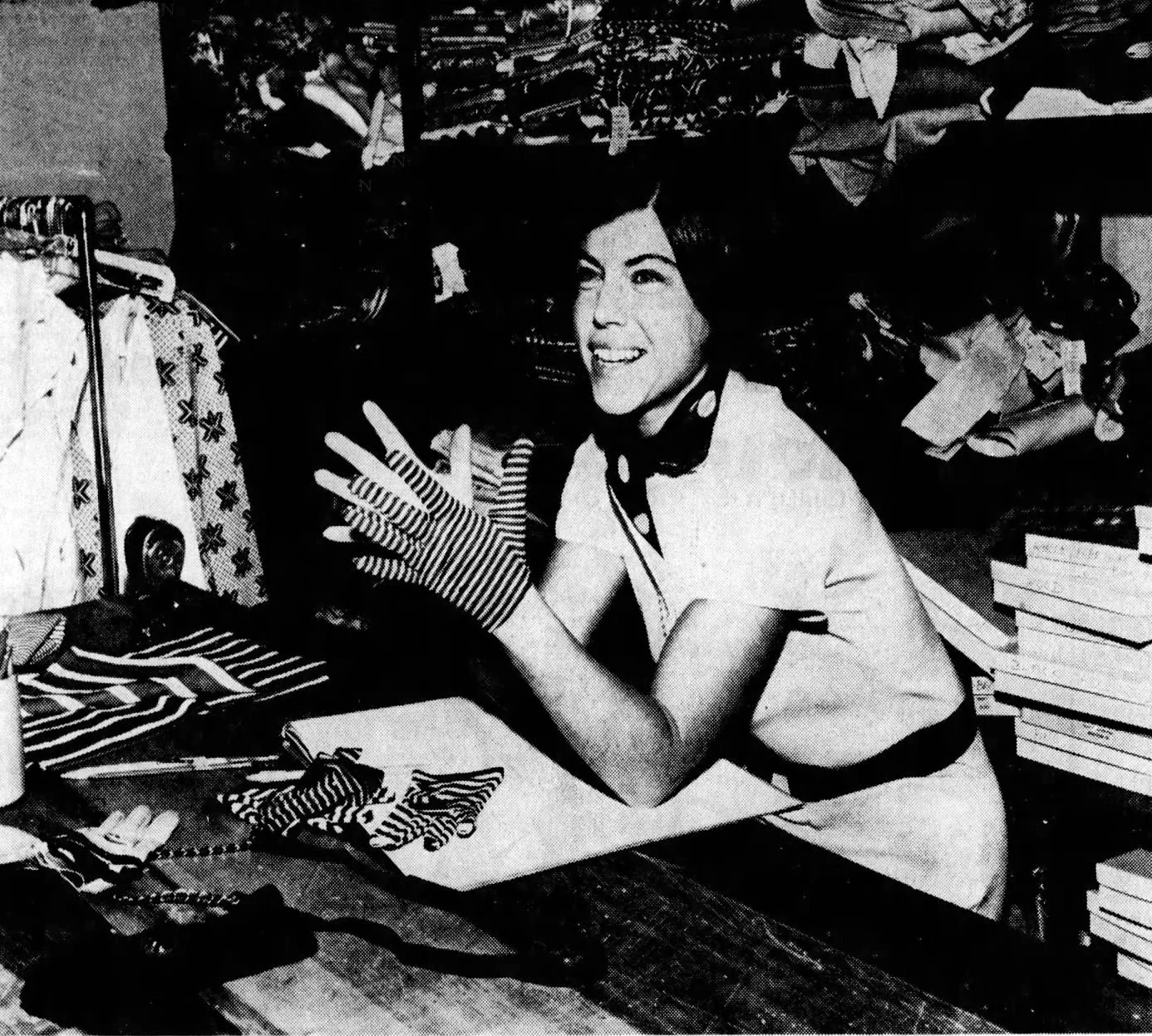
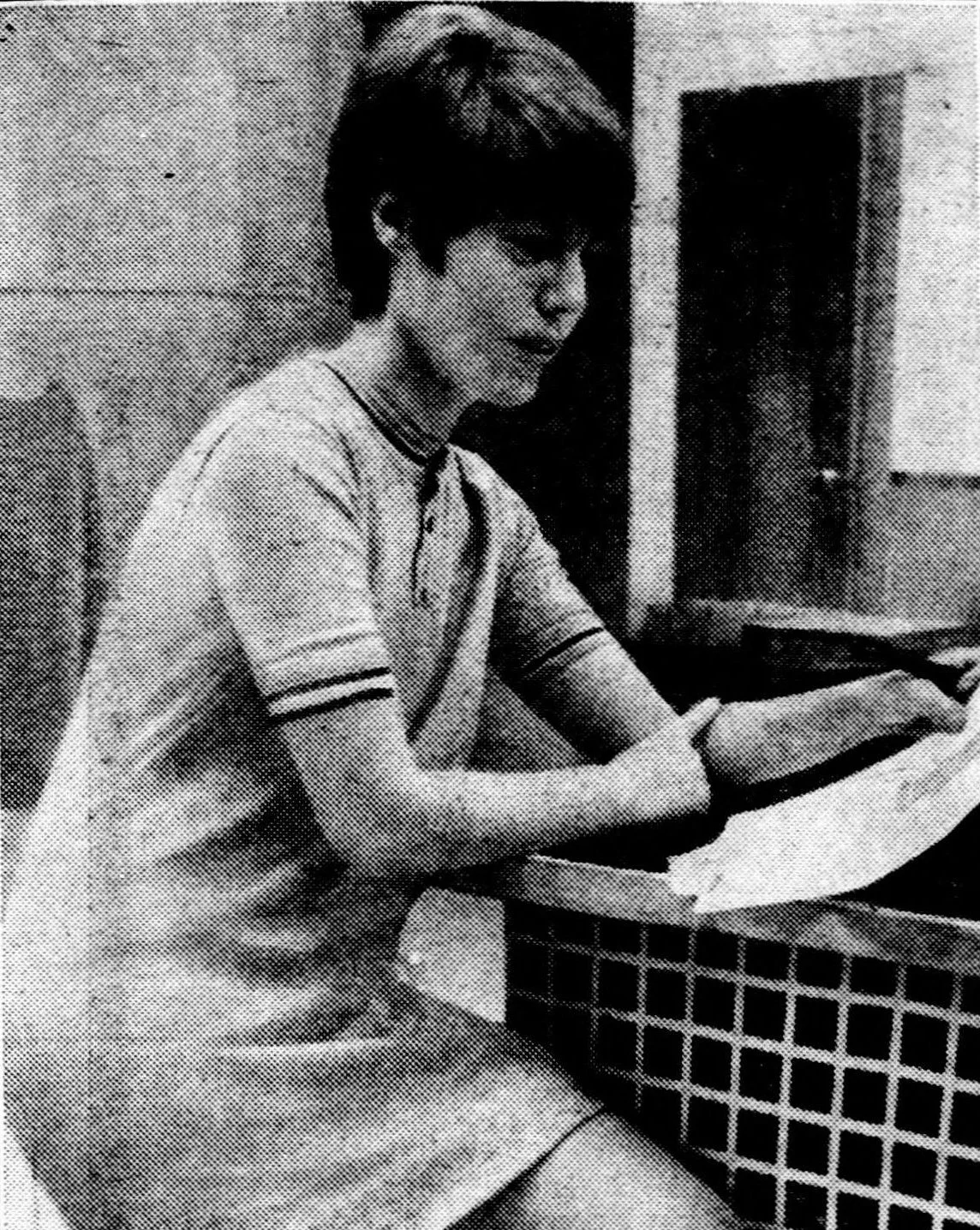
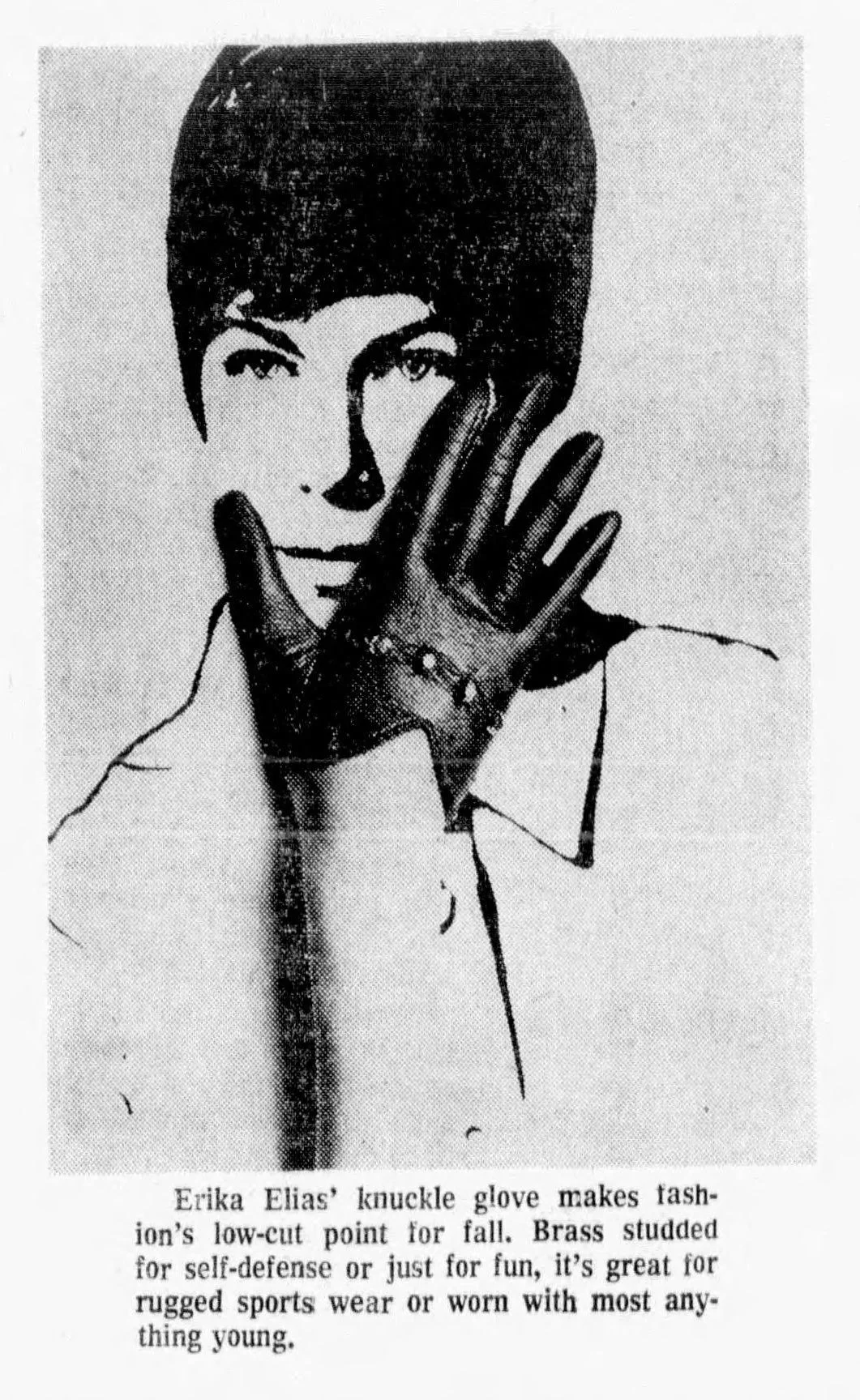
“AT HER WORK TABLE in the design room Charlie’s Girls, young sportswear designer Erika Elias talks about her ideas for sparking up gloves.” Published in The Grand Rapids Press, March 9, 1970.
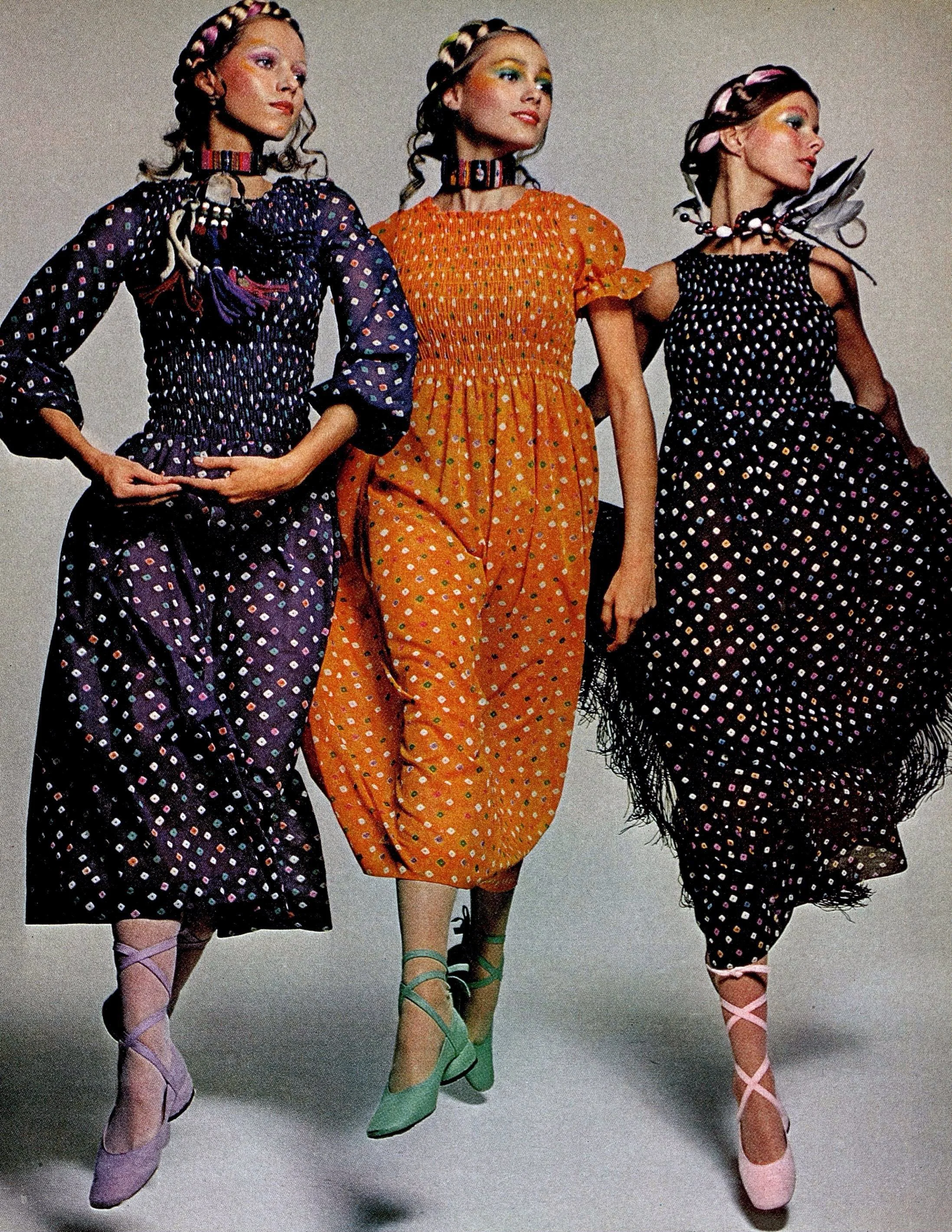
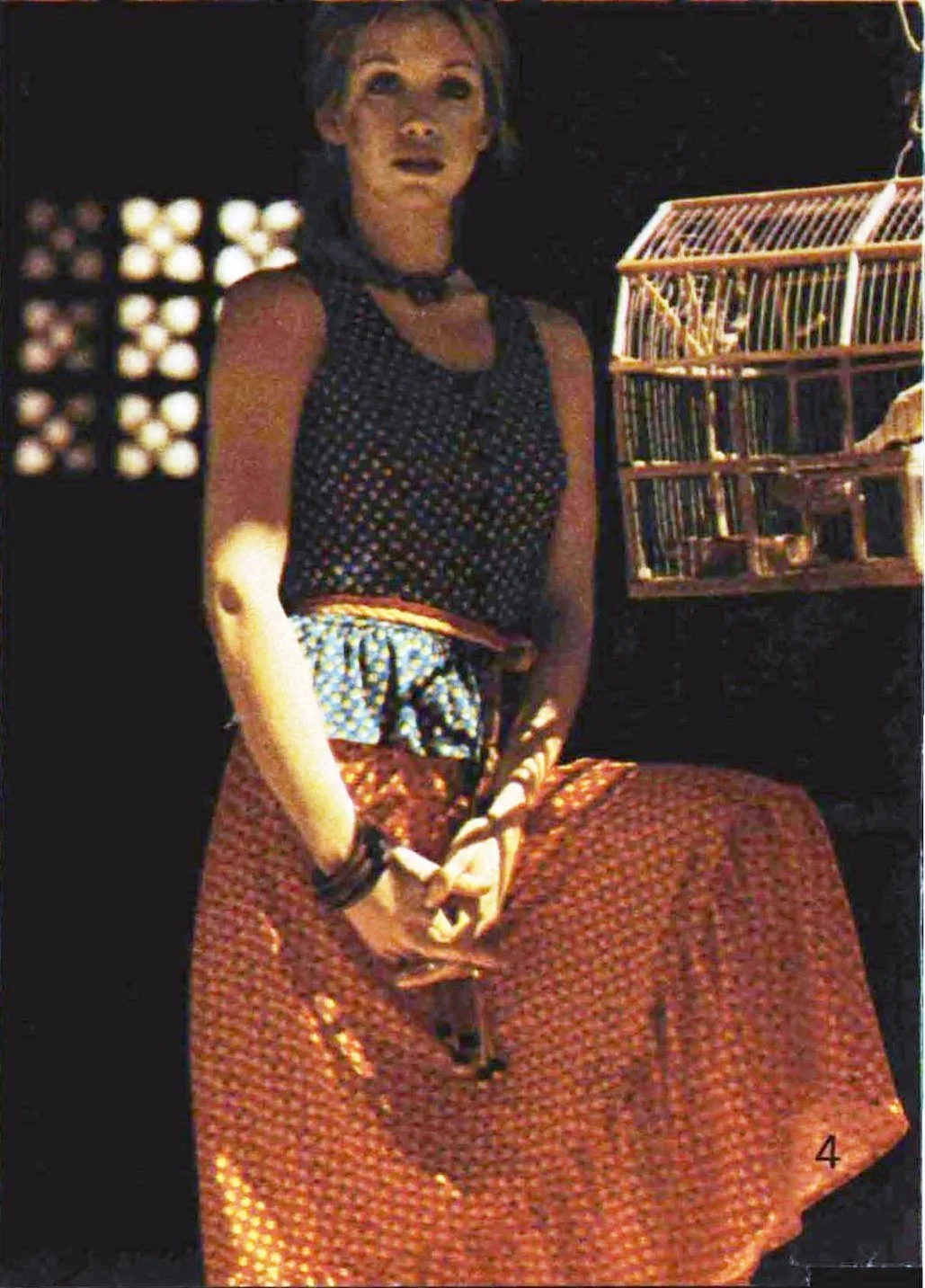
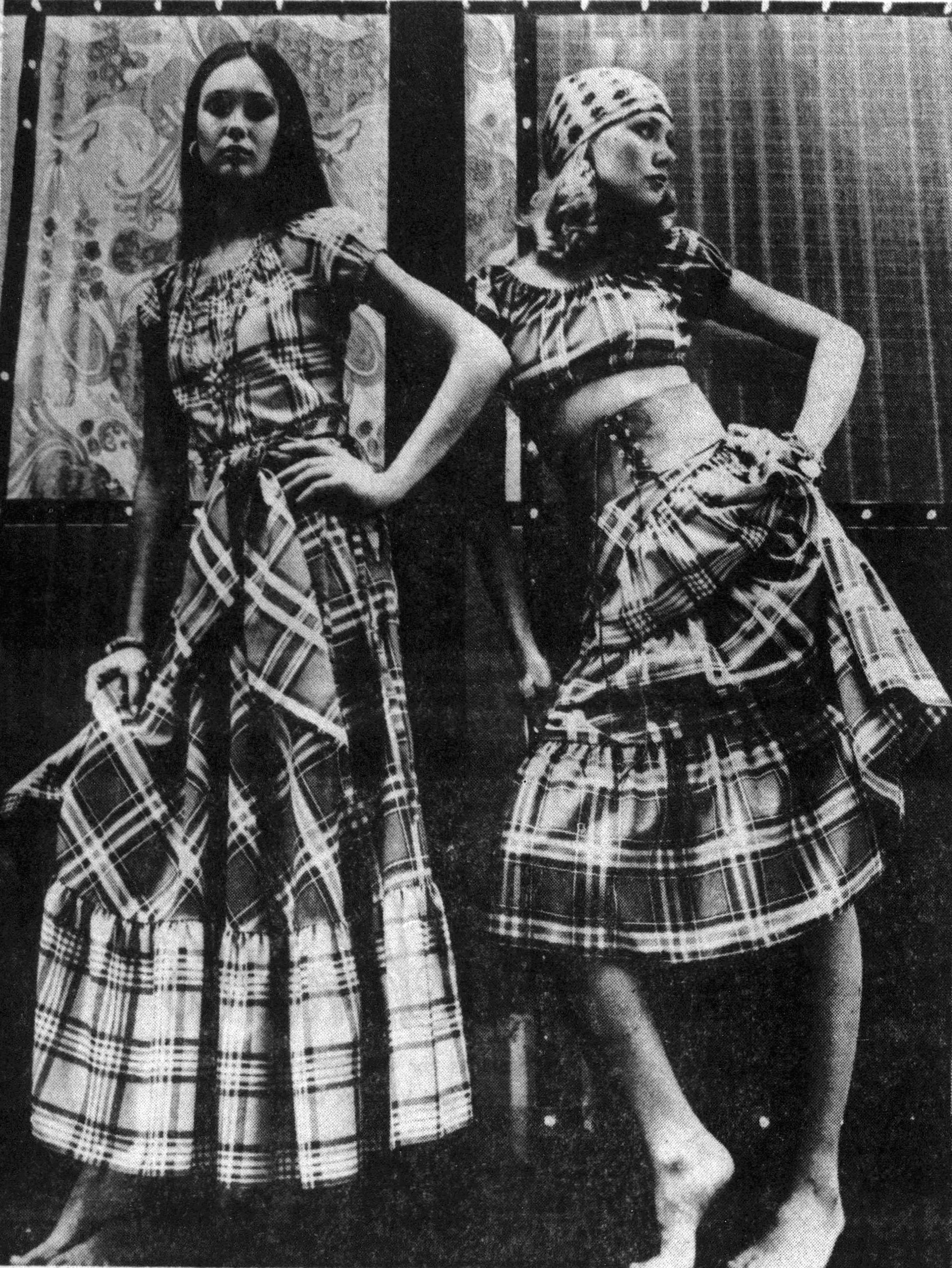
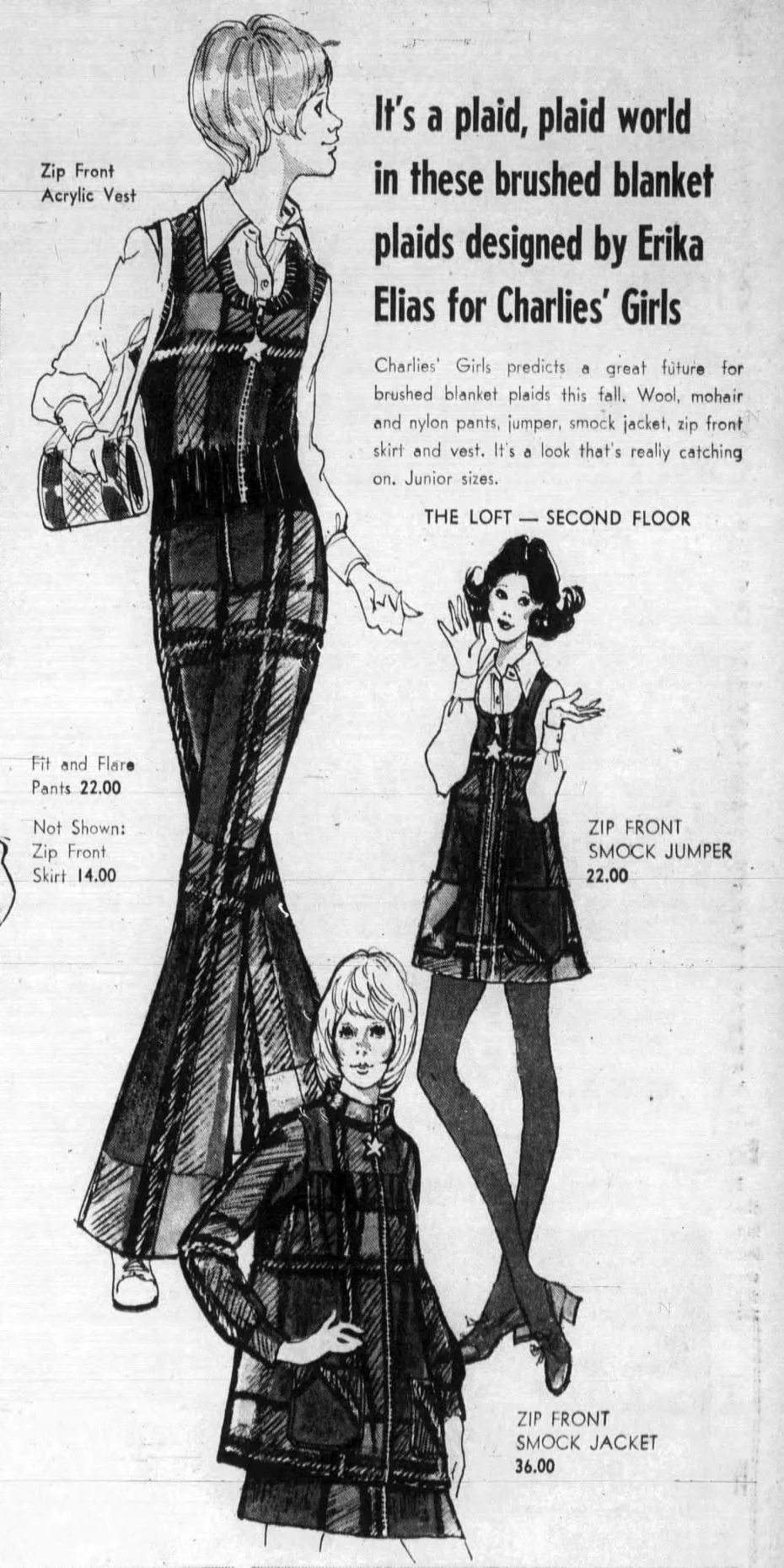
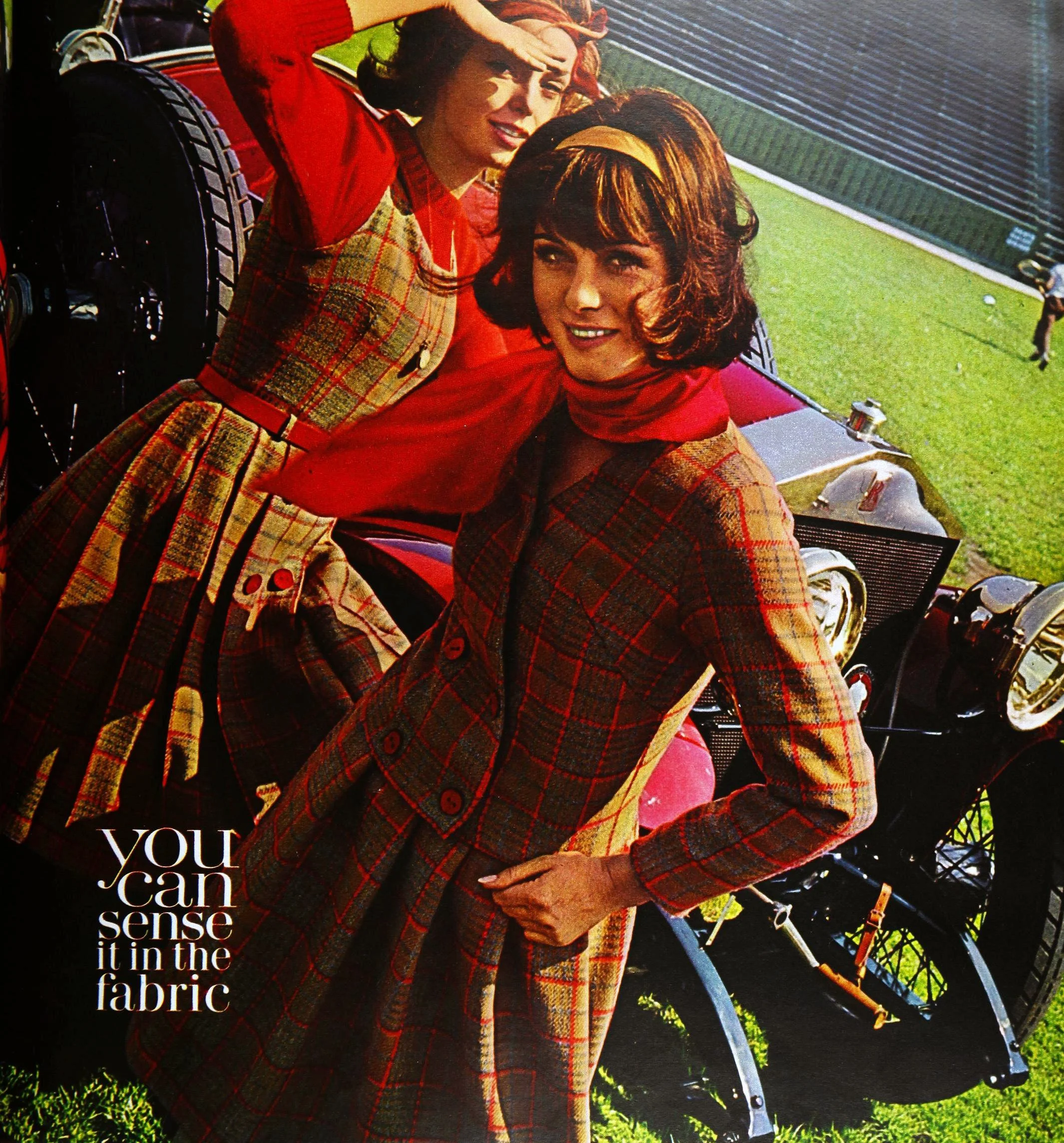
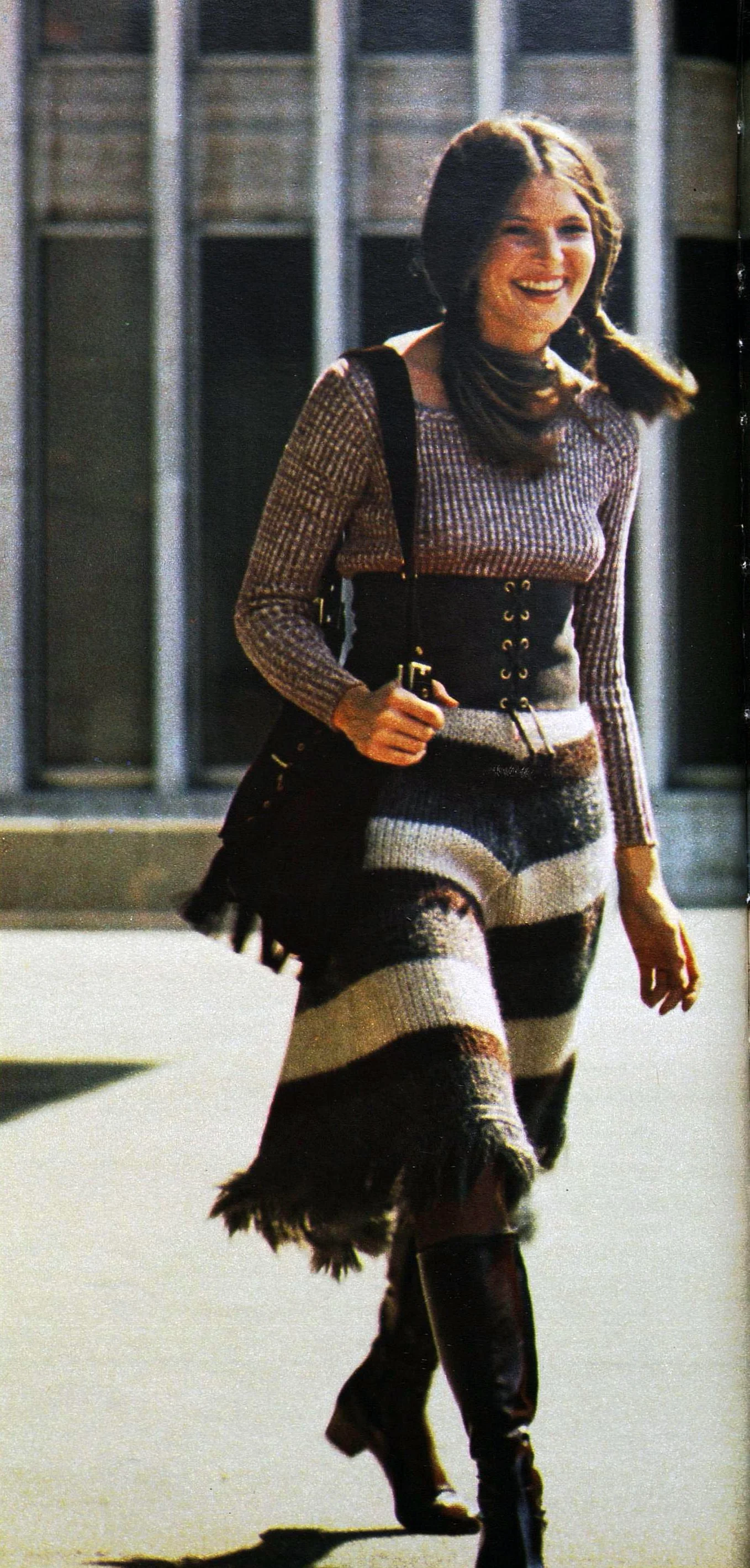
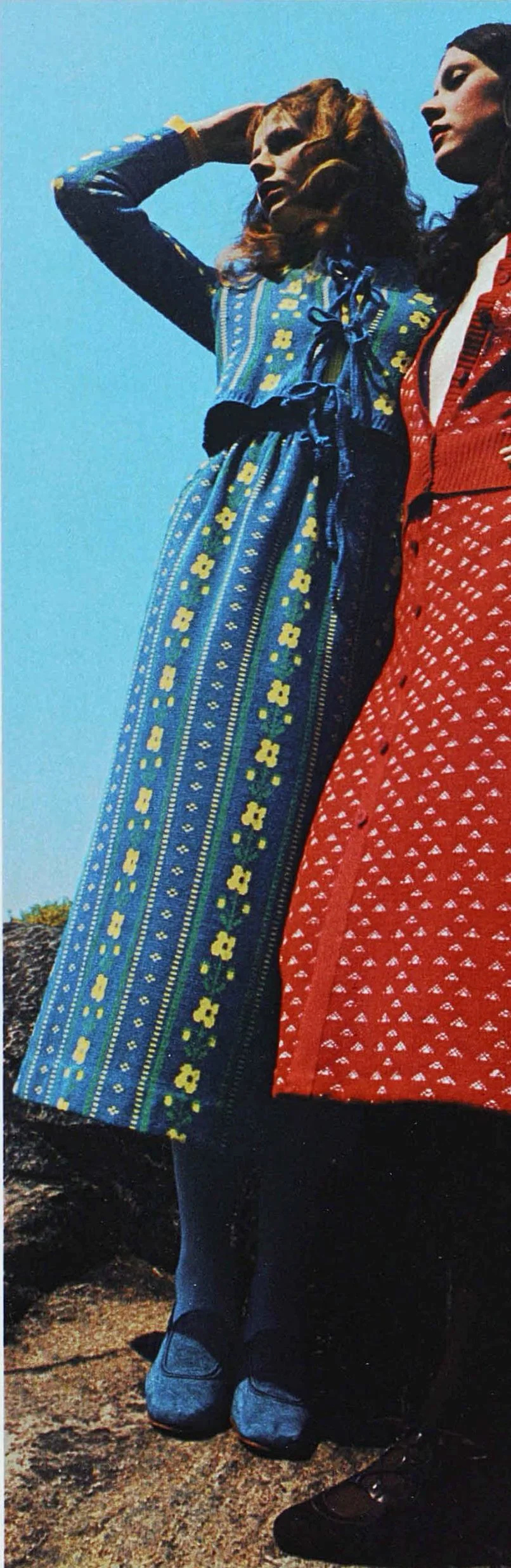
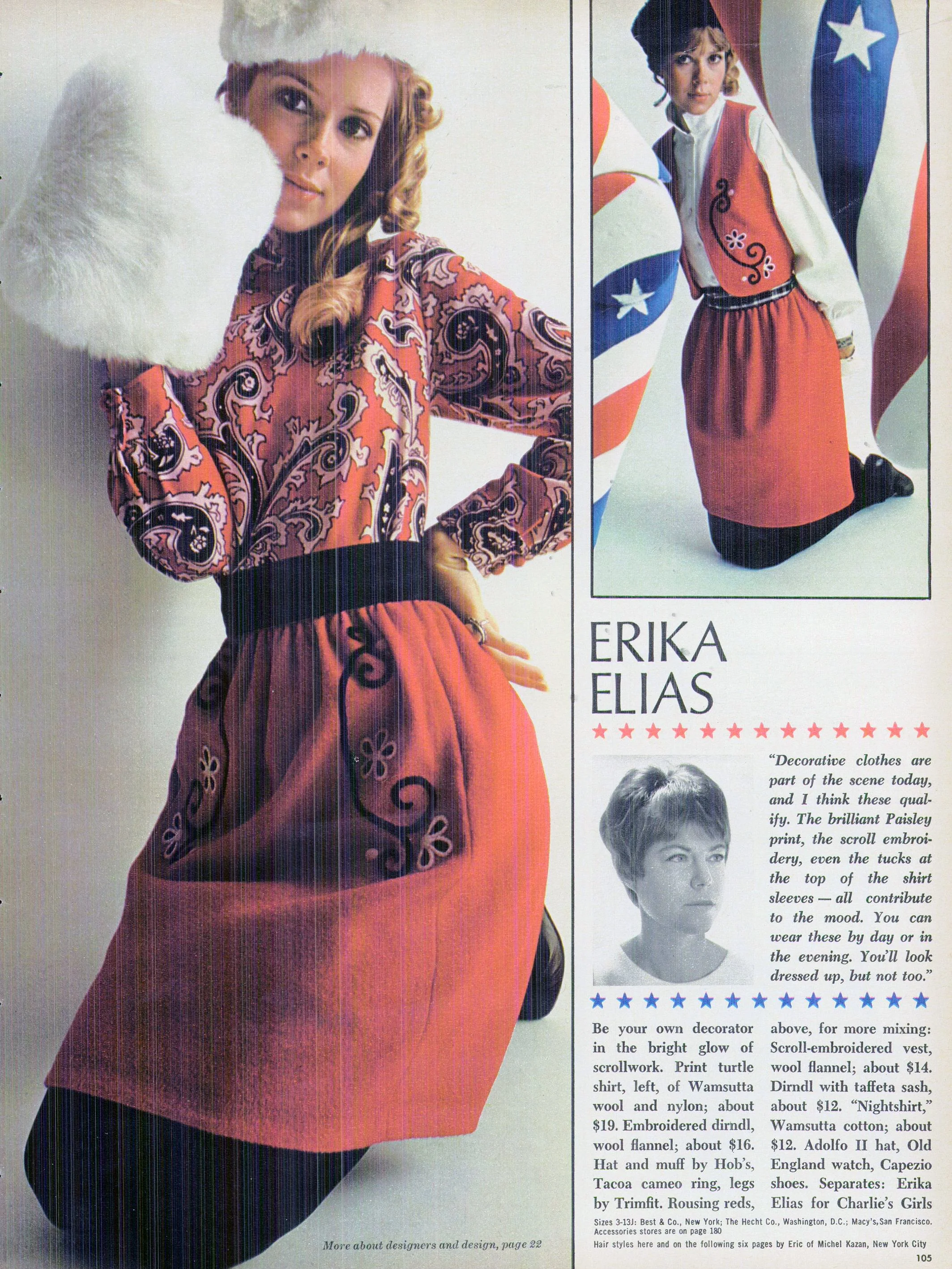
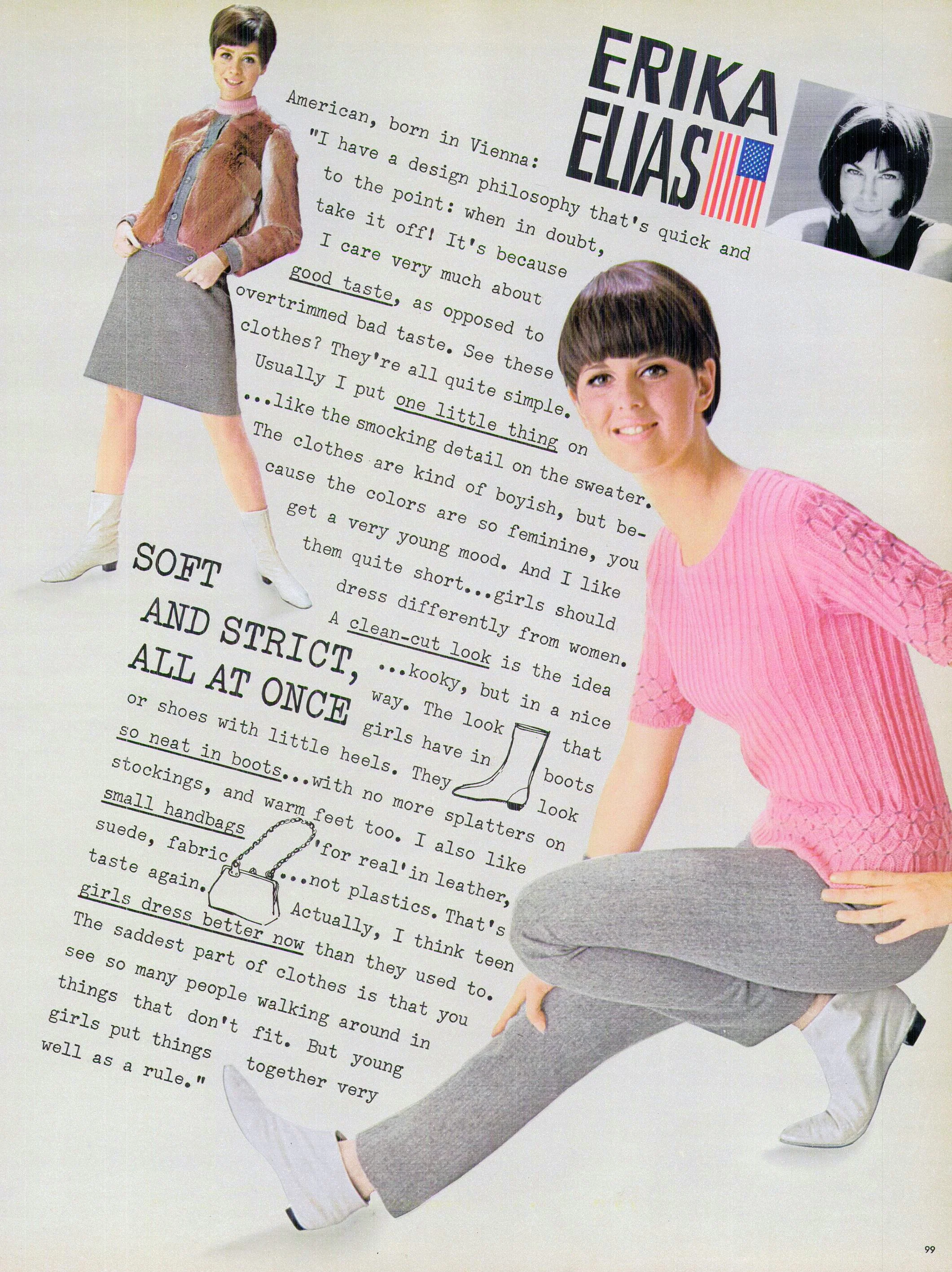
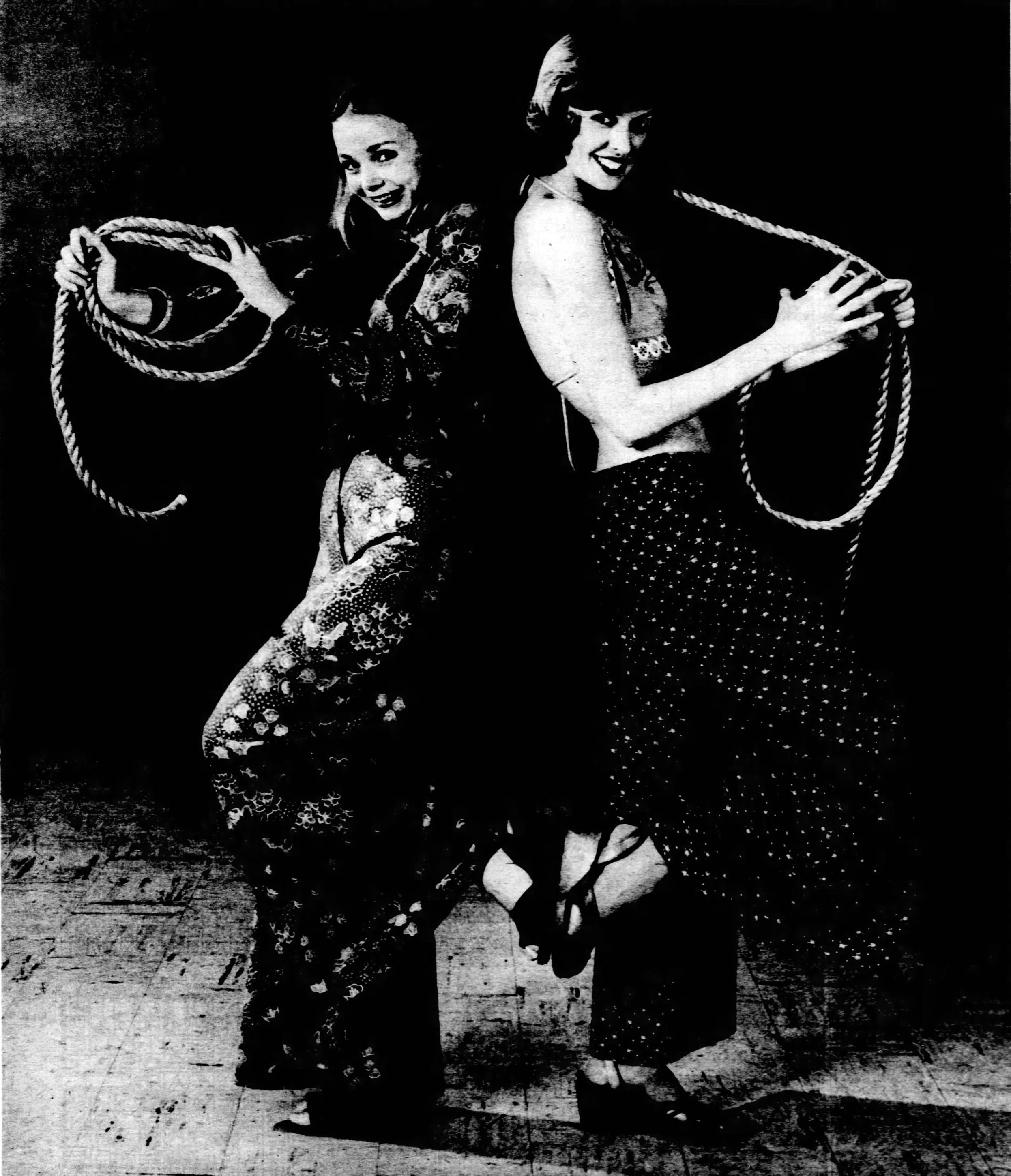
My latest interview is one I’ve long dreamed of. I've been interested in the fashion designer Erika Elias for many years, first coming across her designs for the mass-market teen fashion brand, Charlie's Girls, in vintage stores over twenty years ago. Erika's designs for Charlie’s Girls were basically the coolest juniors’ fashions to be sold on a truly mass scale in the late '60s and early 1970s. Unlike most mass-fashion brands, Erika’s name is on the label, yet when I tried to research her, I could find very little.
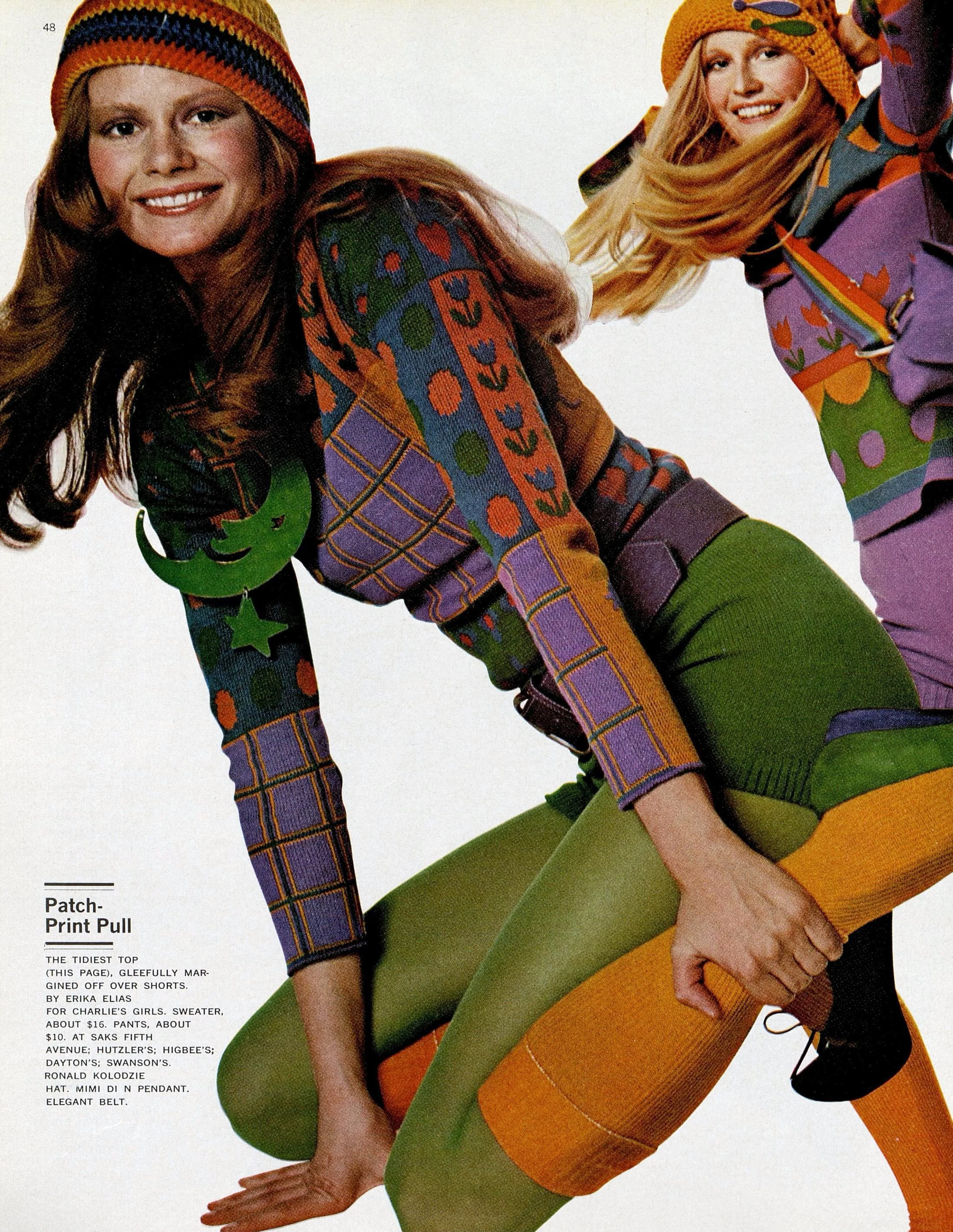
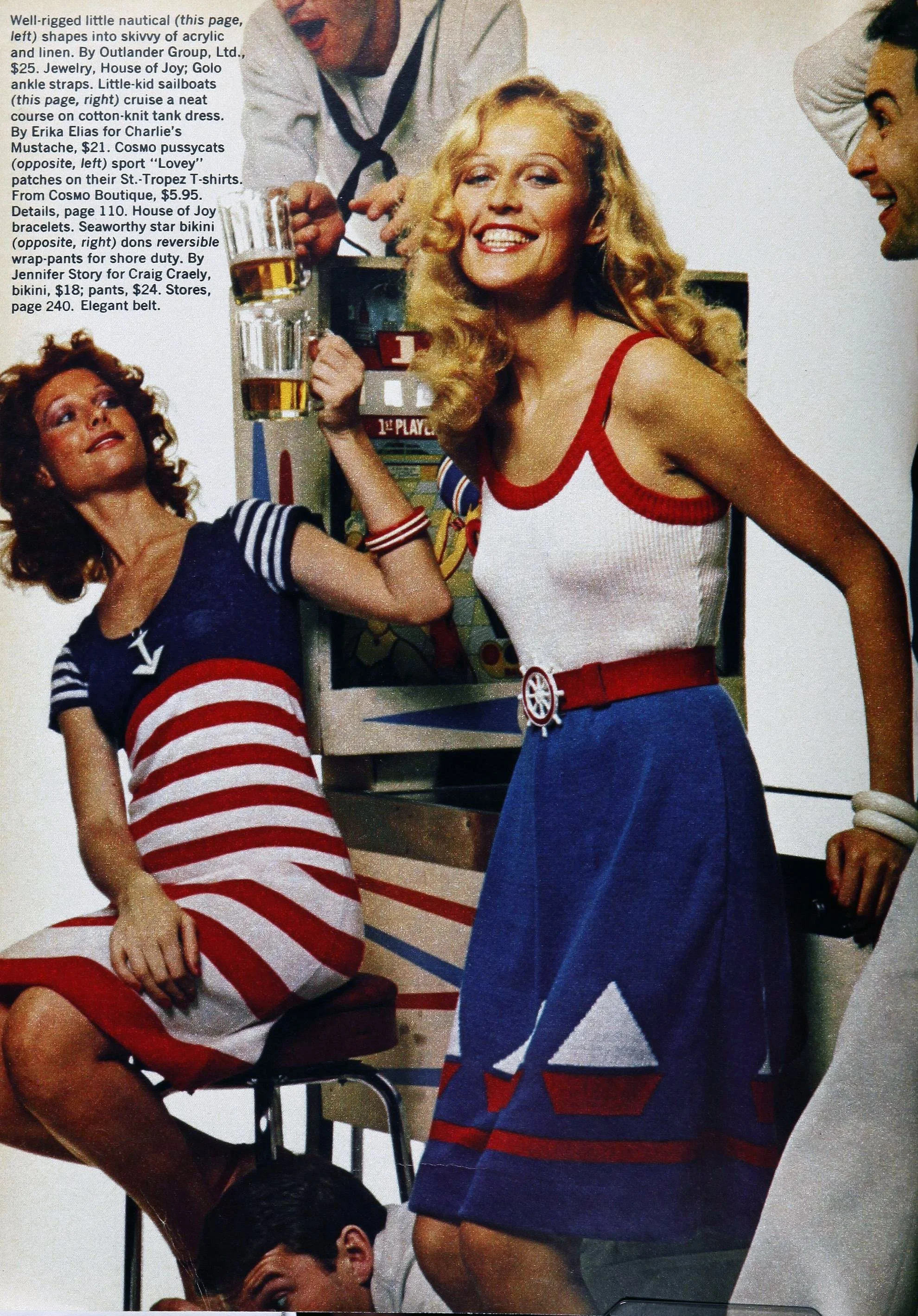
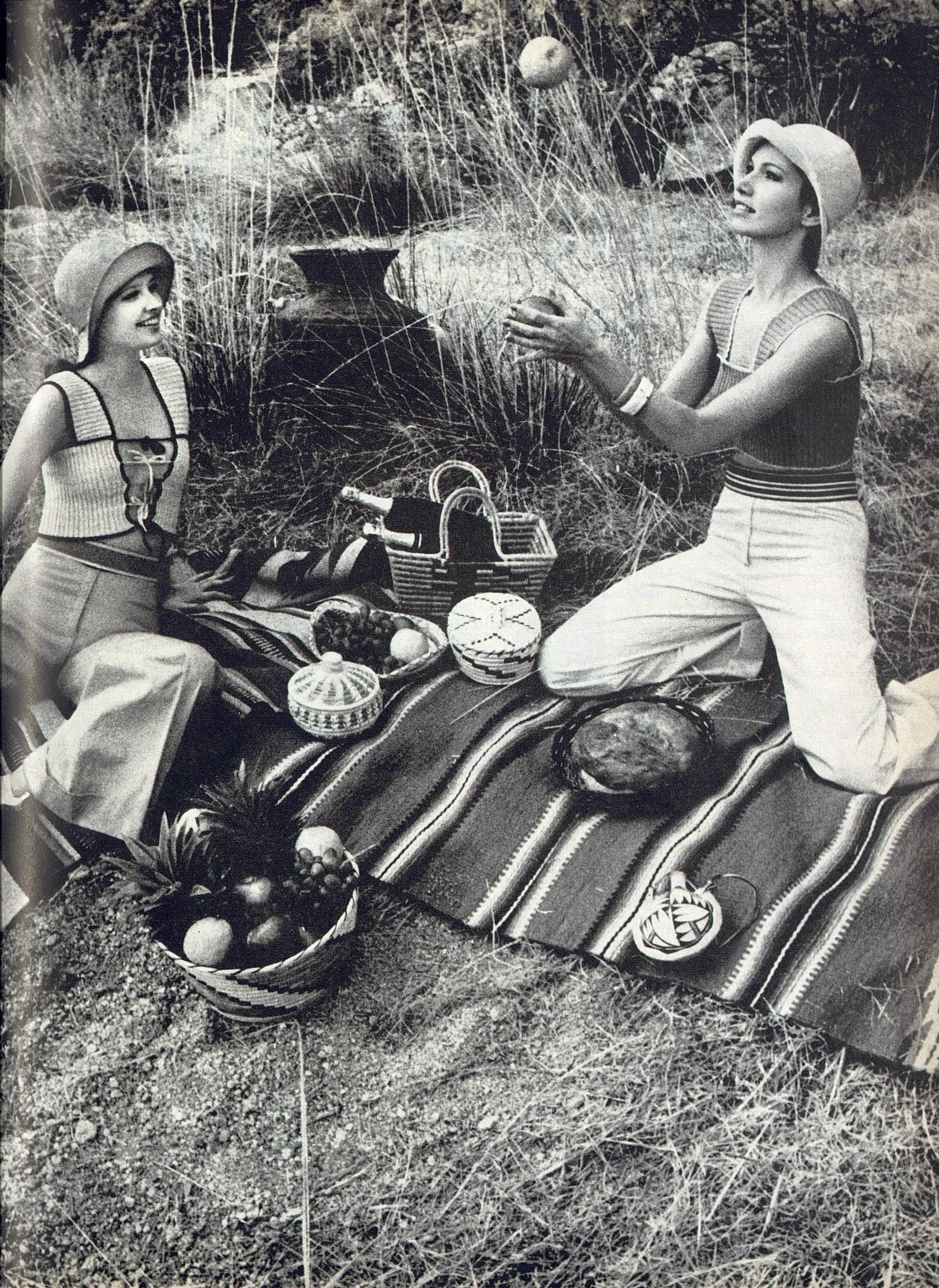
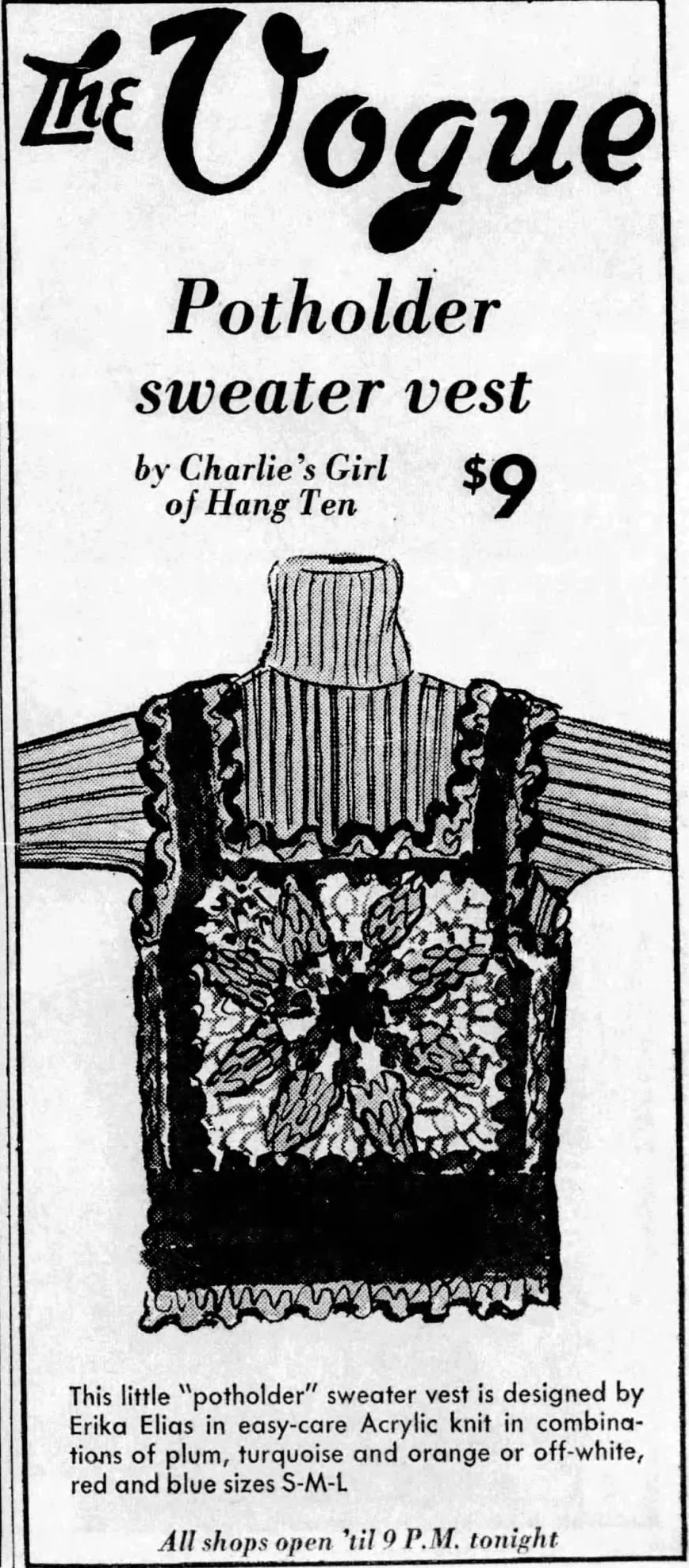
Two of Erika Elias’ signature intarsia sweaters and hot pant outfits for Charlie’s Girls. Photo by Bill King for Harper’s Bazaar, July 1971.
When I interviewed Anna Sui for this podcast eight years ago, she spoke of leaving Parsons after two years to work for Erika Elias at Charlie's Girls, telling me how that job and working and learning from Erika really shaped her career. Additionally, a few years ago, when I was writing the history of the counterculture fashion magazine Rags for its 50th anniversary box set, I came across an interview with her in the third issue, which provided a clear overview of her incredible success and influence (I will share that interview with you this weekend). Every time I would shrug on one of her brightly colored intarsia sweaters, I would find myself wondering about her, wanting to learn more. Eventually, by reviewing every mention of her in the media from the 1950s on, looking for any hints that might help me trace her whereabouts, I finally found a clue that led me to a possible address. I mailed her a letter, and a few weeks later, she called me back.
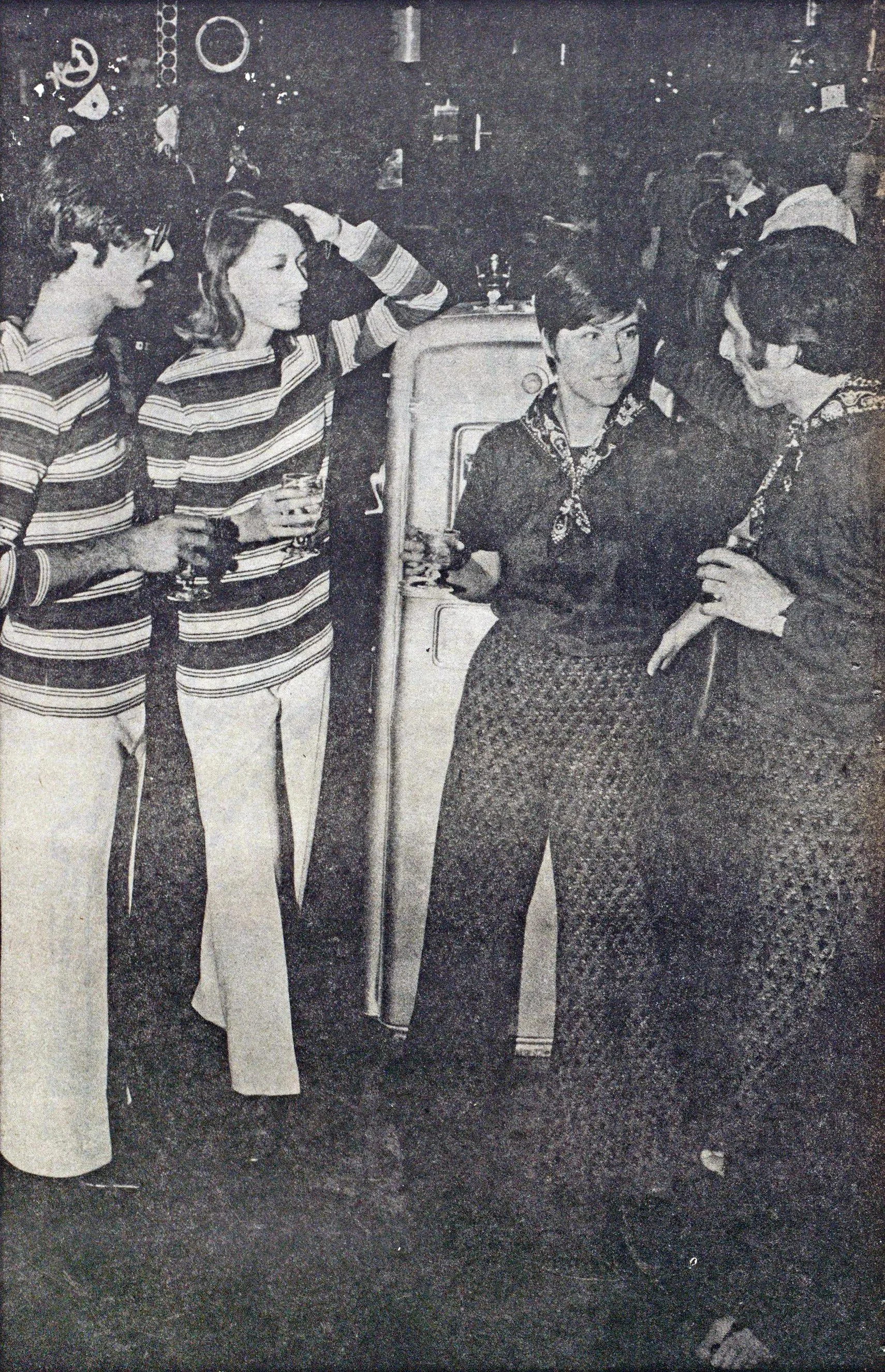
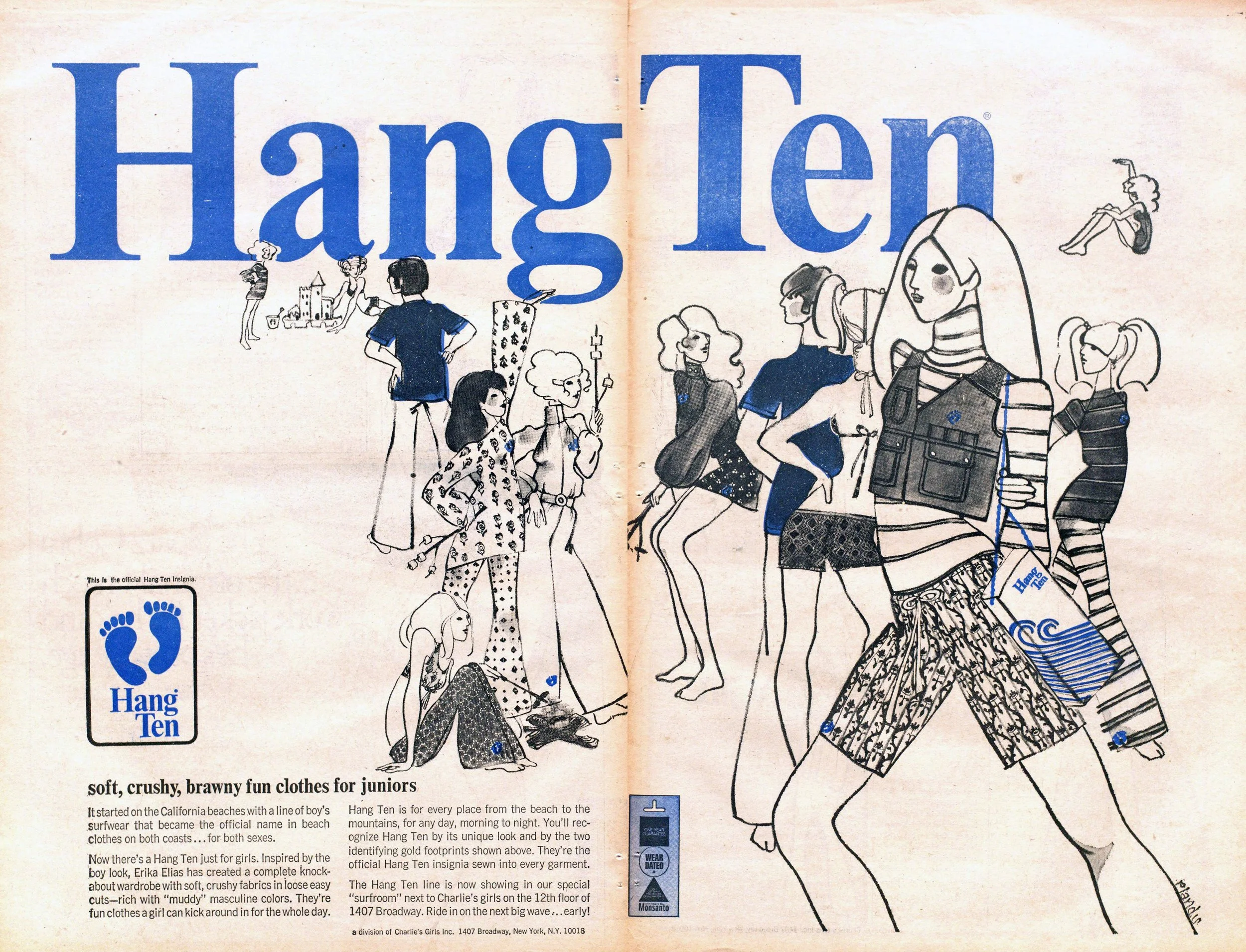
From a WWD story on unisex trousers, “The Together Thing,” (left to right) Van Lupo, Margaret Gather, Erika Elias and her soon-to-be-husband Bert Stahl. Elias and Stahl wear her designs for Hang Ten. Photo by Pierre Schermann and Moe Becker at McGregor’s Garage, for Women’s Wear Daily, November 25, 1968.
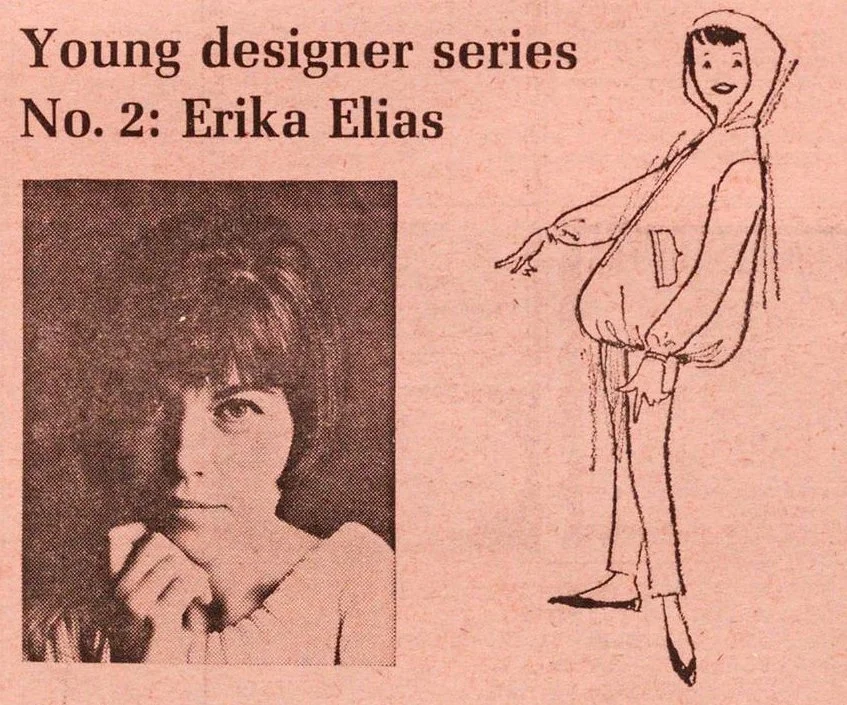
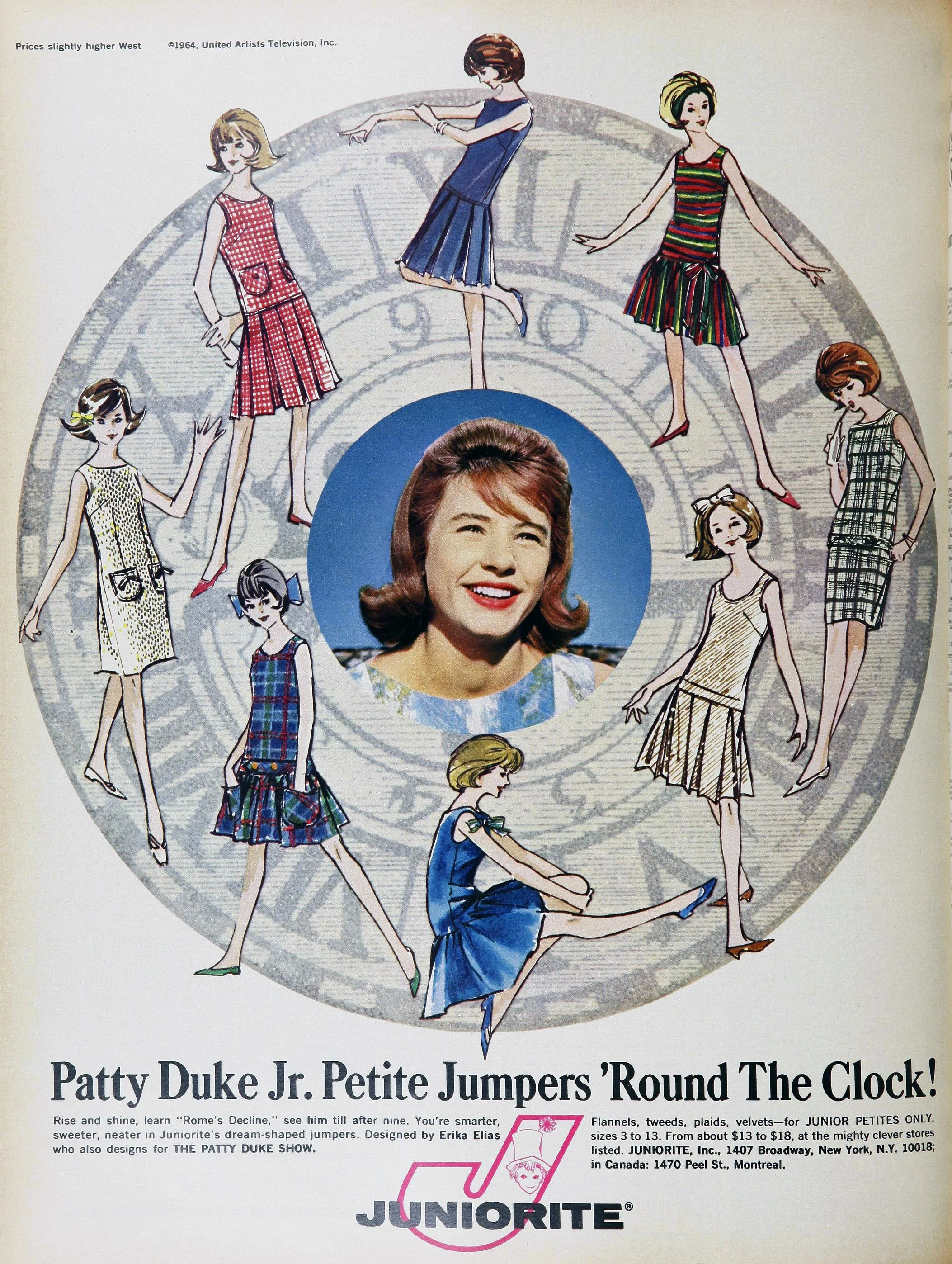
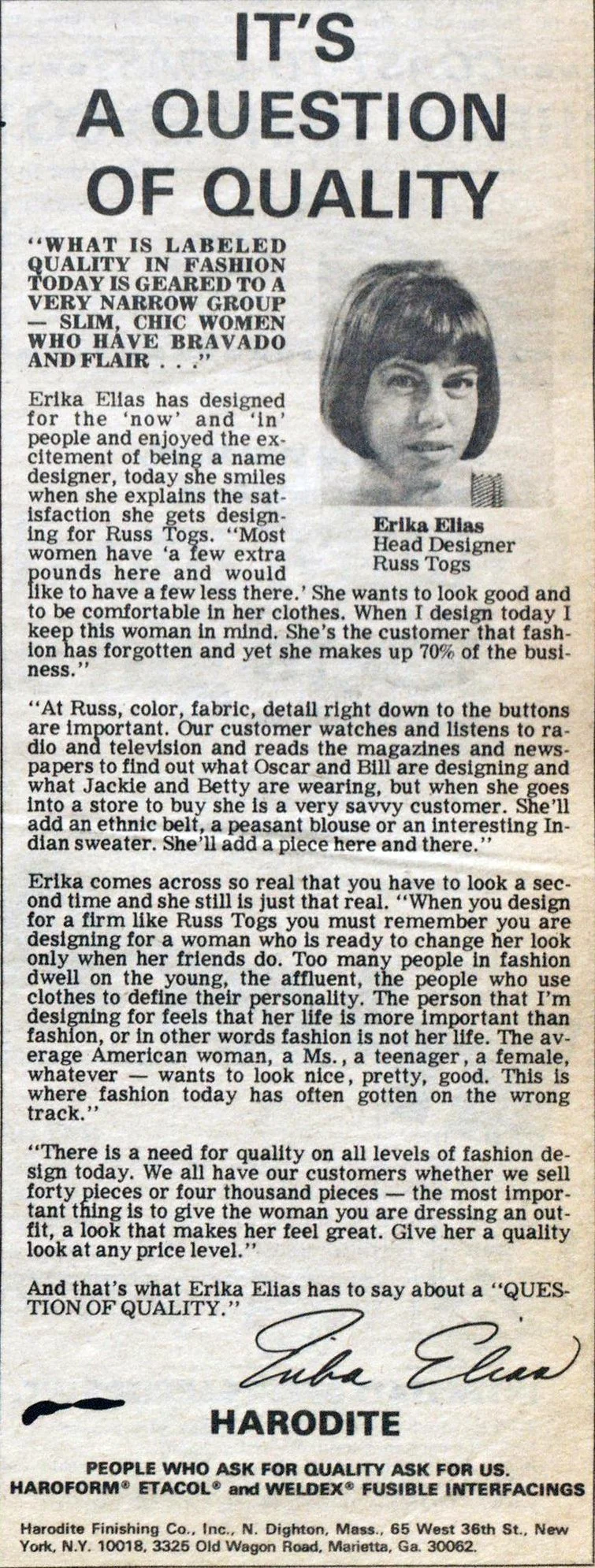
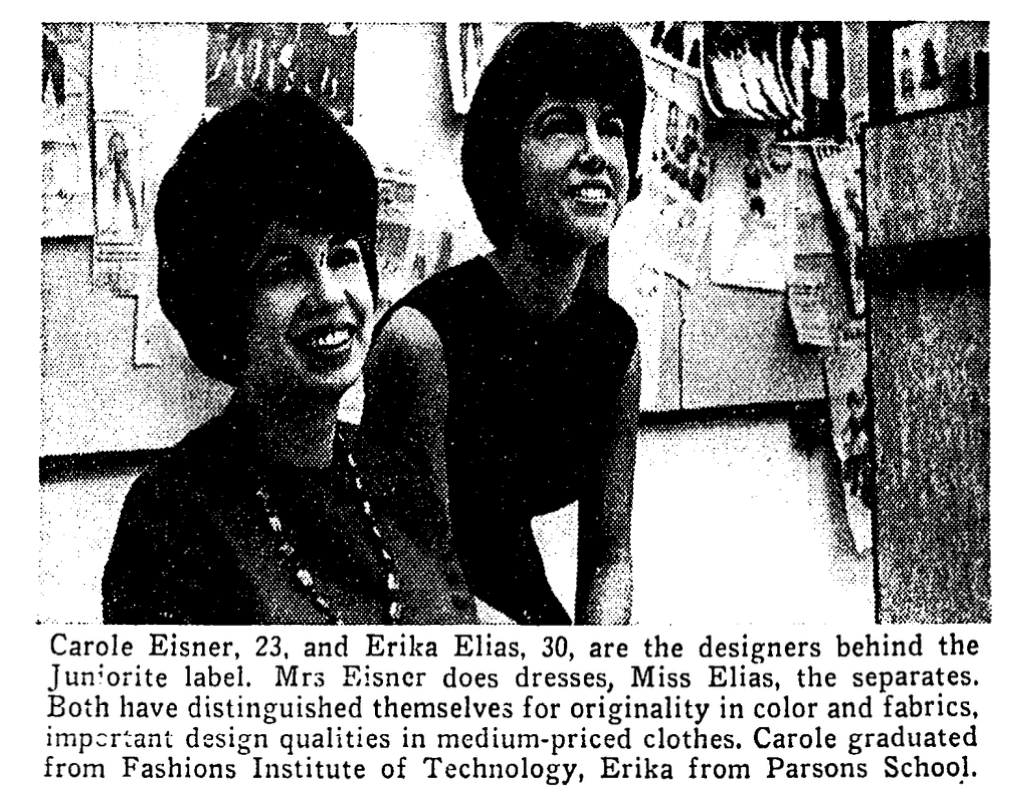
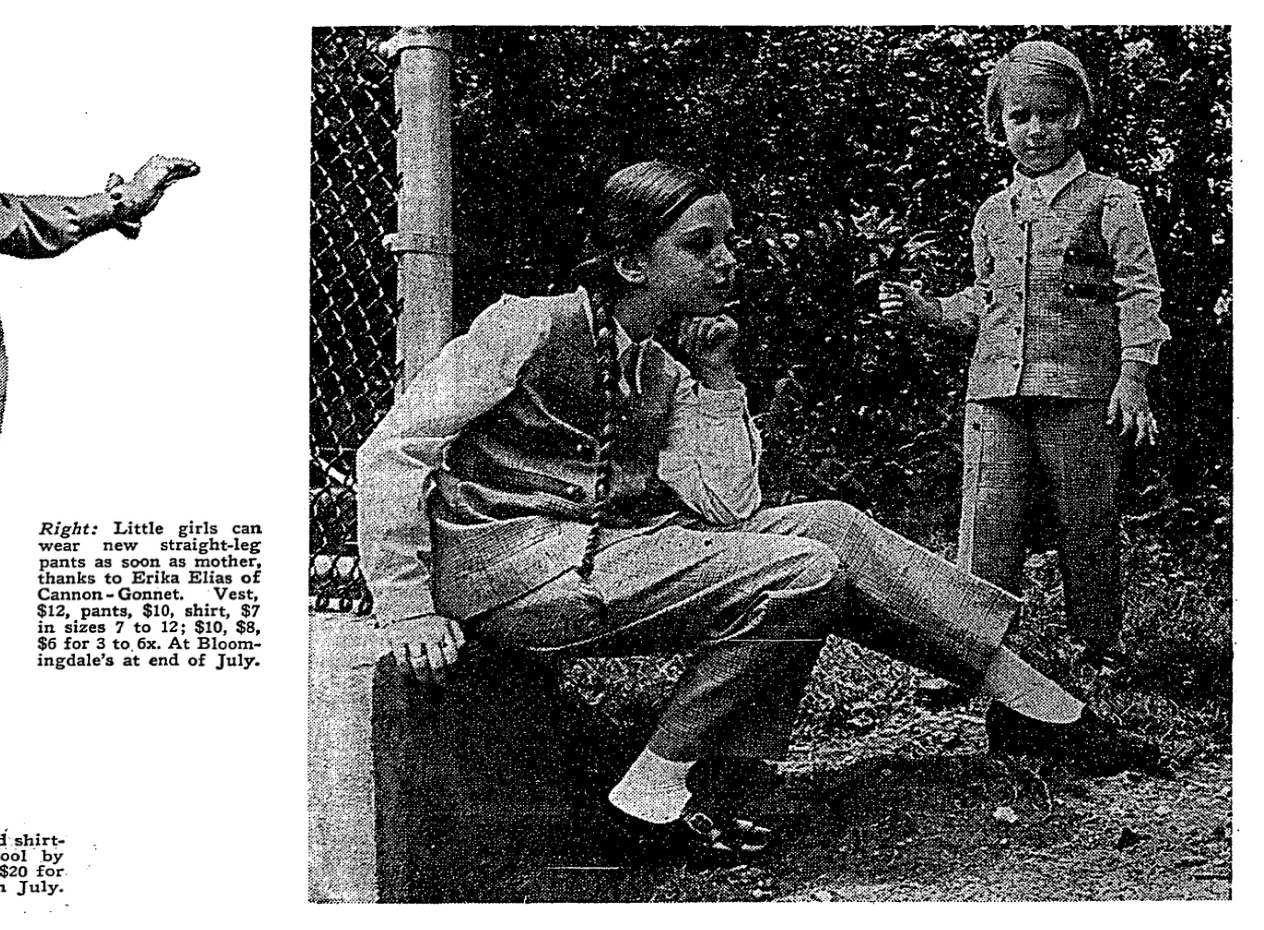
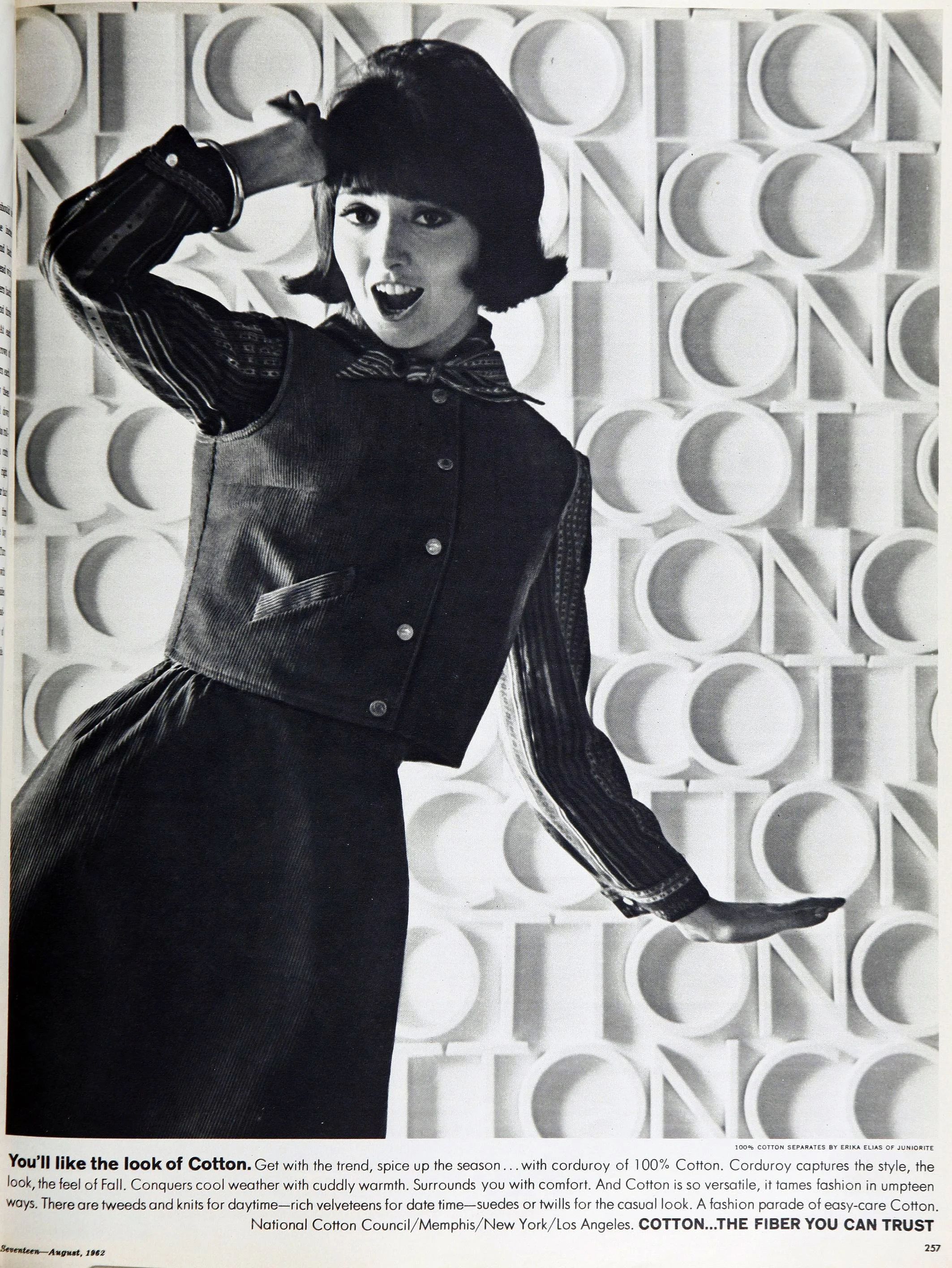
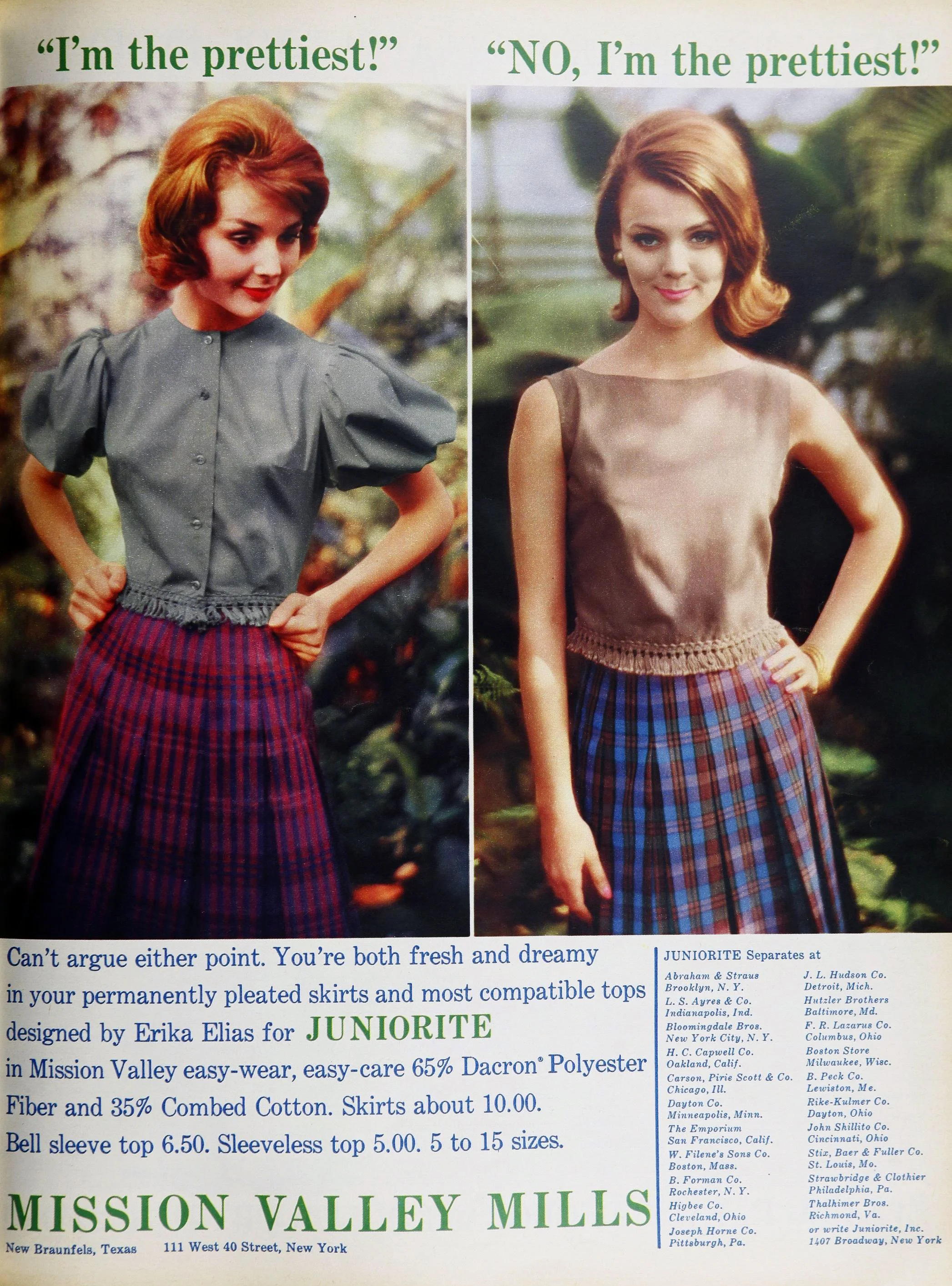
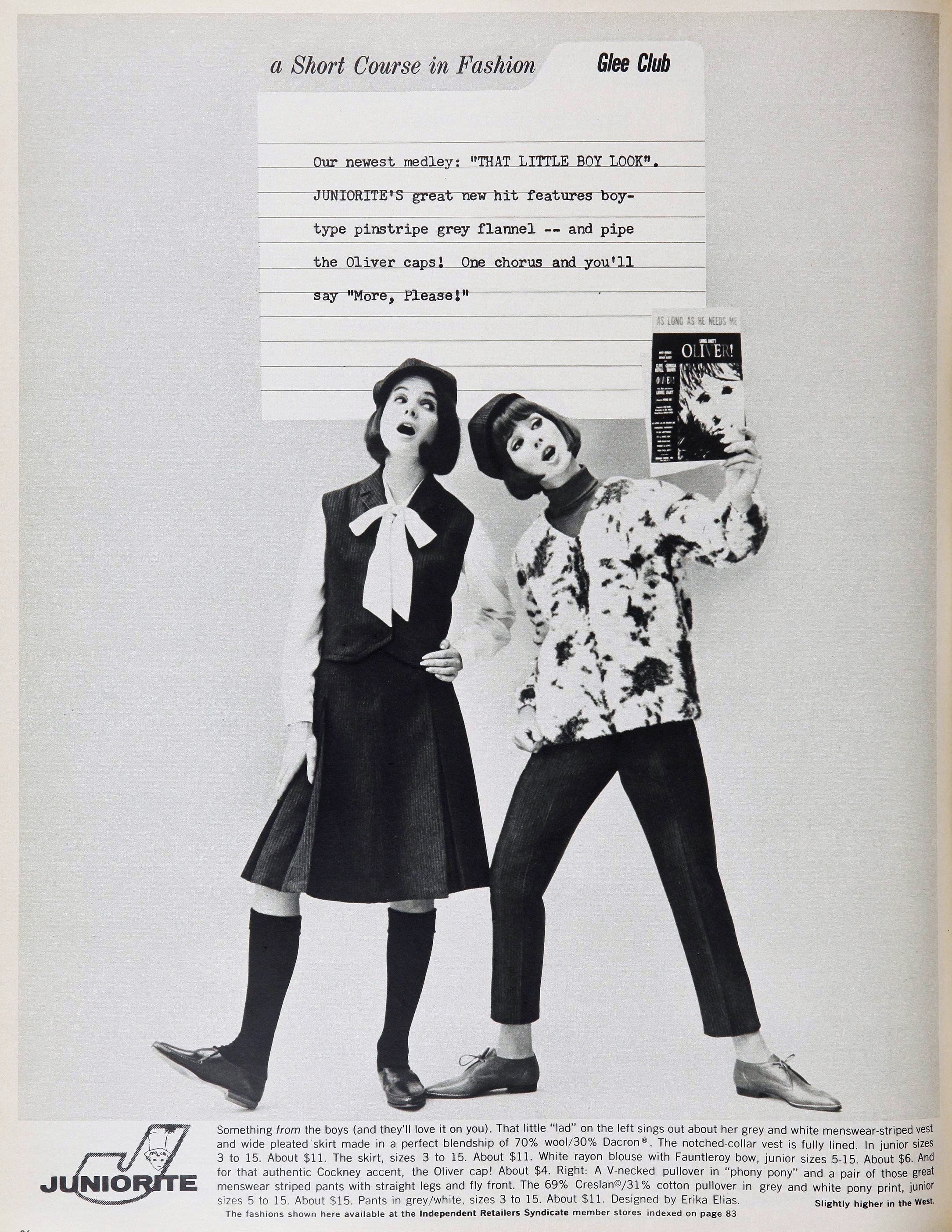
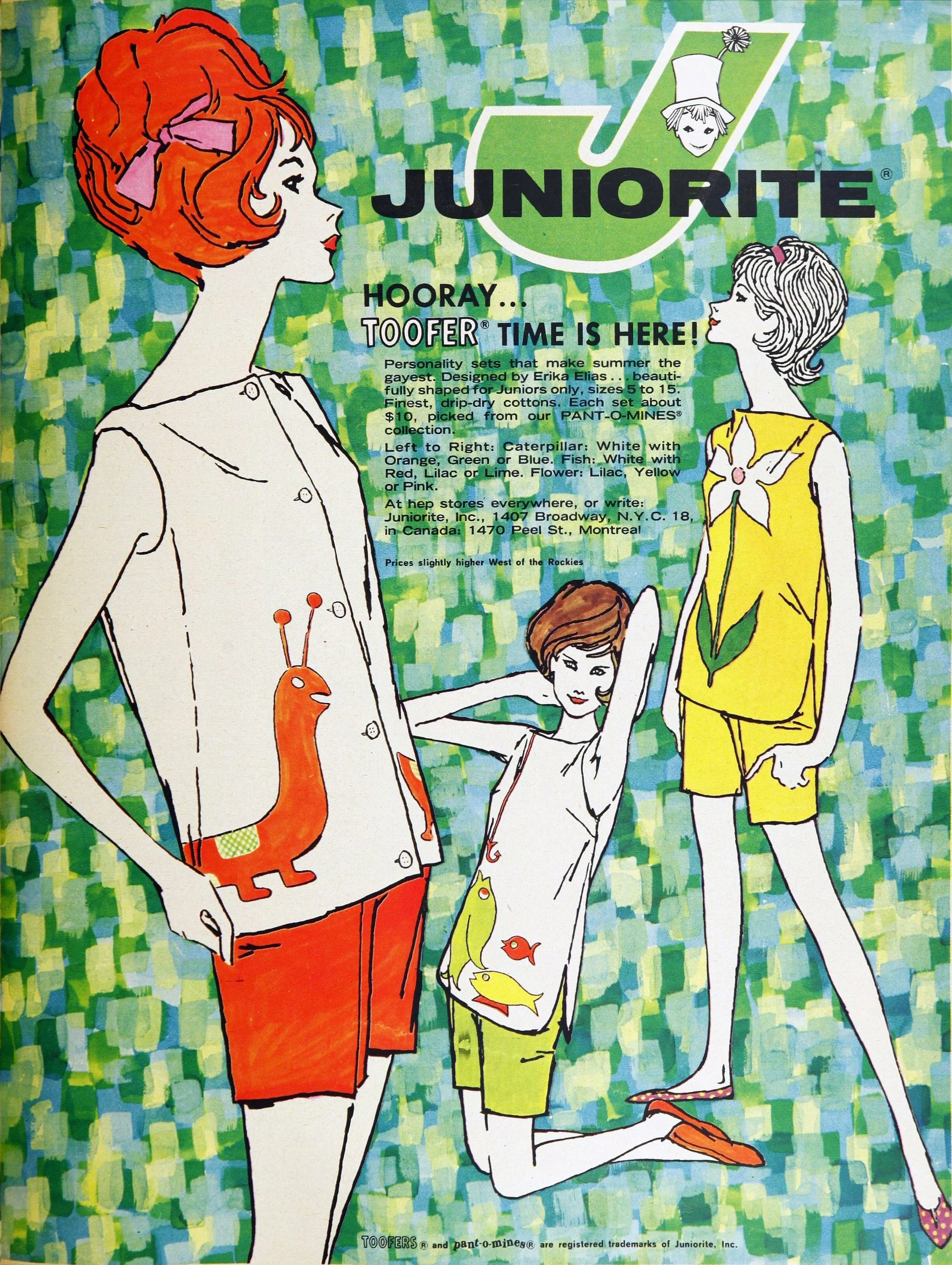
Earlier this year, I went up to Vermont to meet with her. She's 95 years old and has this amazingly sharp memory for what it was like to work in the New York fashion industry from the 1950s through the 1980s. Born in Vienna in 1930 and raised in Czechoslovakia, Erika escaped to America with her family in 1940. Once in New York City, she studied at the School of Industrial Art (now the High School of Art and Design) and Parsons before starting a career in fashion in the 1950s. In our conversation, she details the many jobs she passed through before first making her mark at Juniorite, Inc., a junior sportswear brand. By early 1960, she was head designer with her name featured on advertisements in Seventeen.
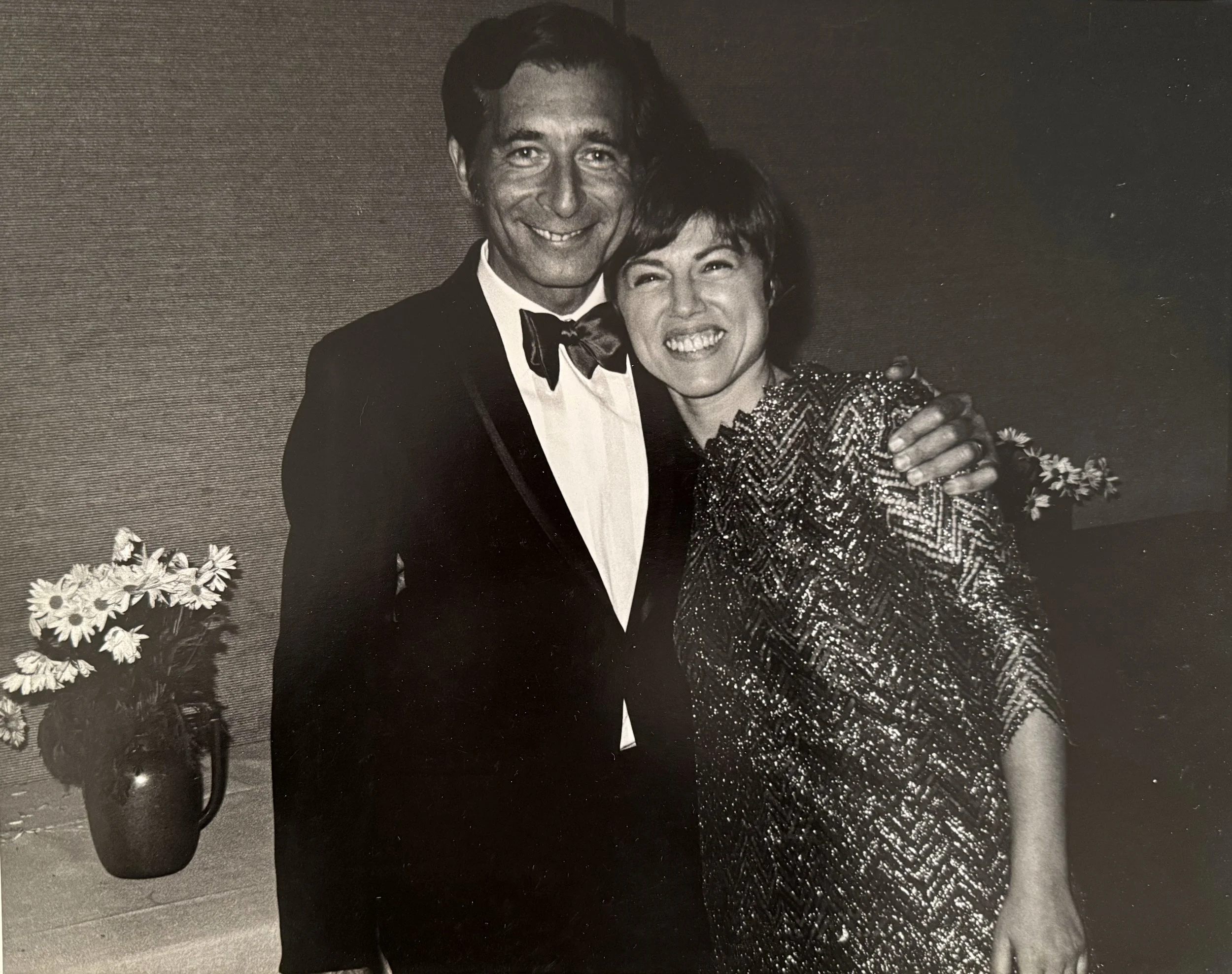
Bert Stahl and Erika Elias at their wedding in December 1968.
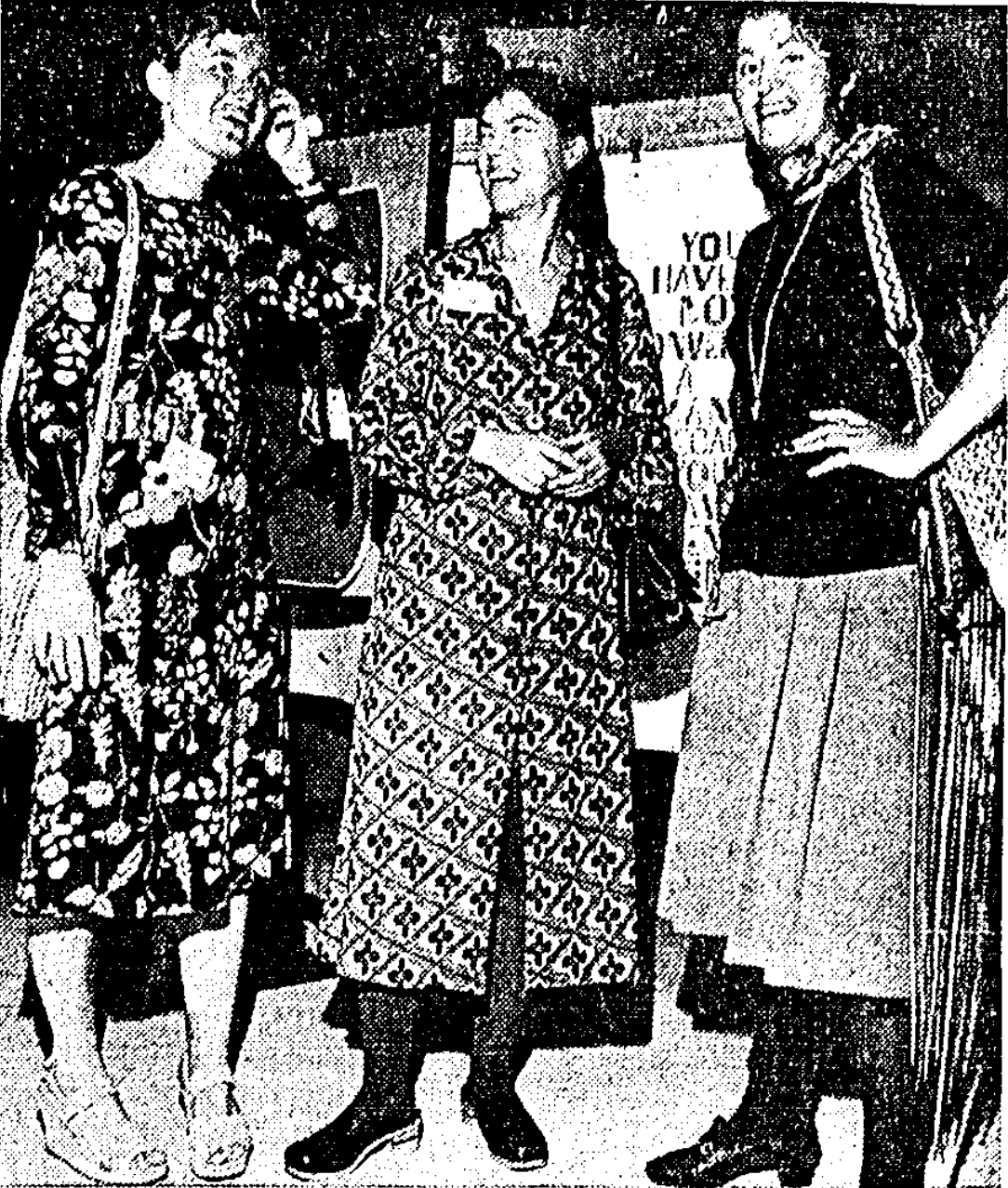
Fashion designers Betsey Johnson of Alley Cat, Erika Elias of Charlie’s Girls, and Patti Cappalli of Addenda, at a Design America event at Franklin Simon, NYC. Photo by Bill Cunningham for the Chicago Tribune, August 31, 1970.
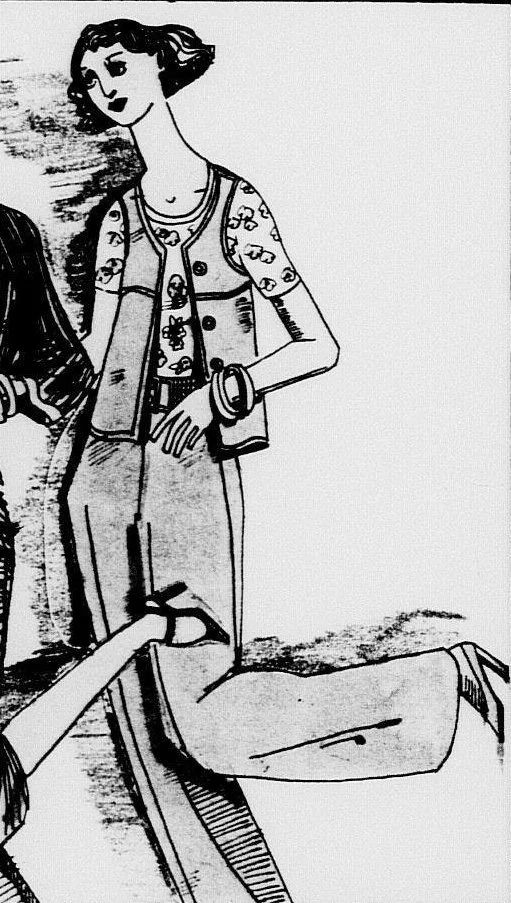
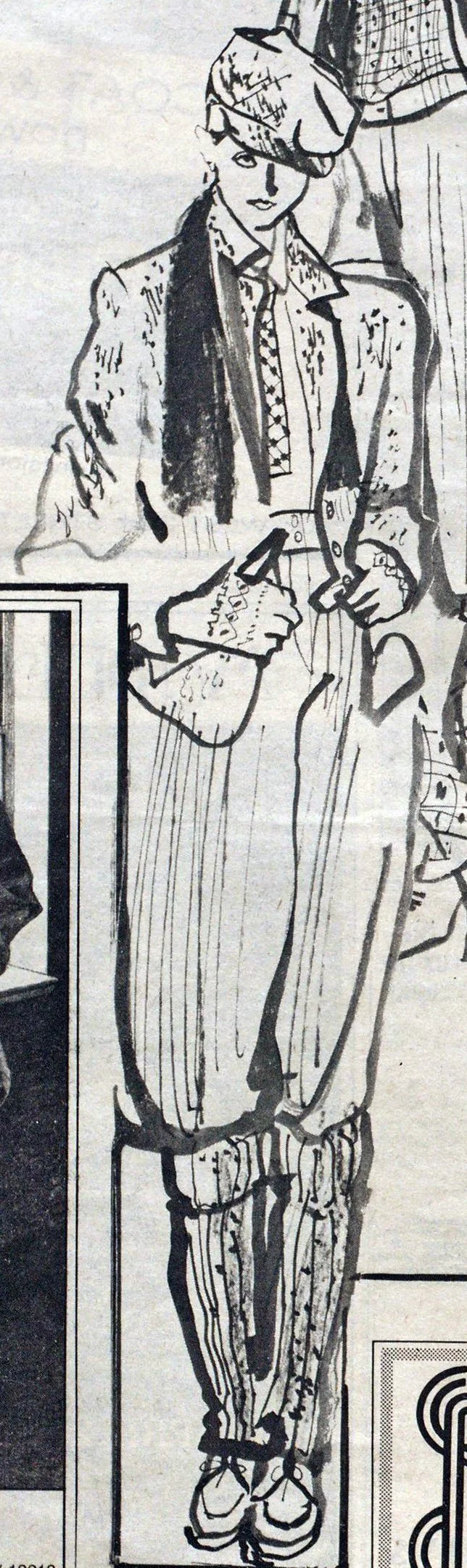
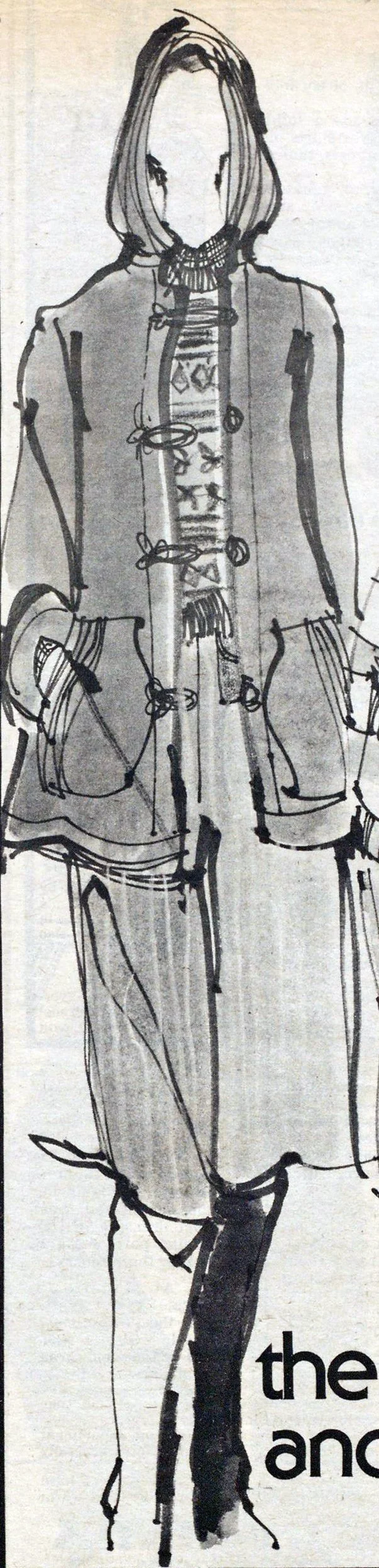
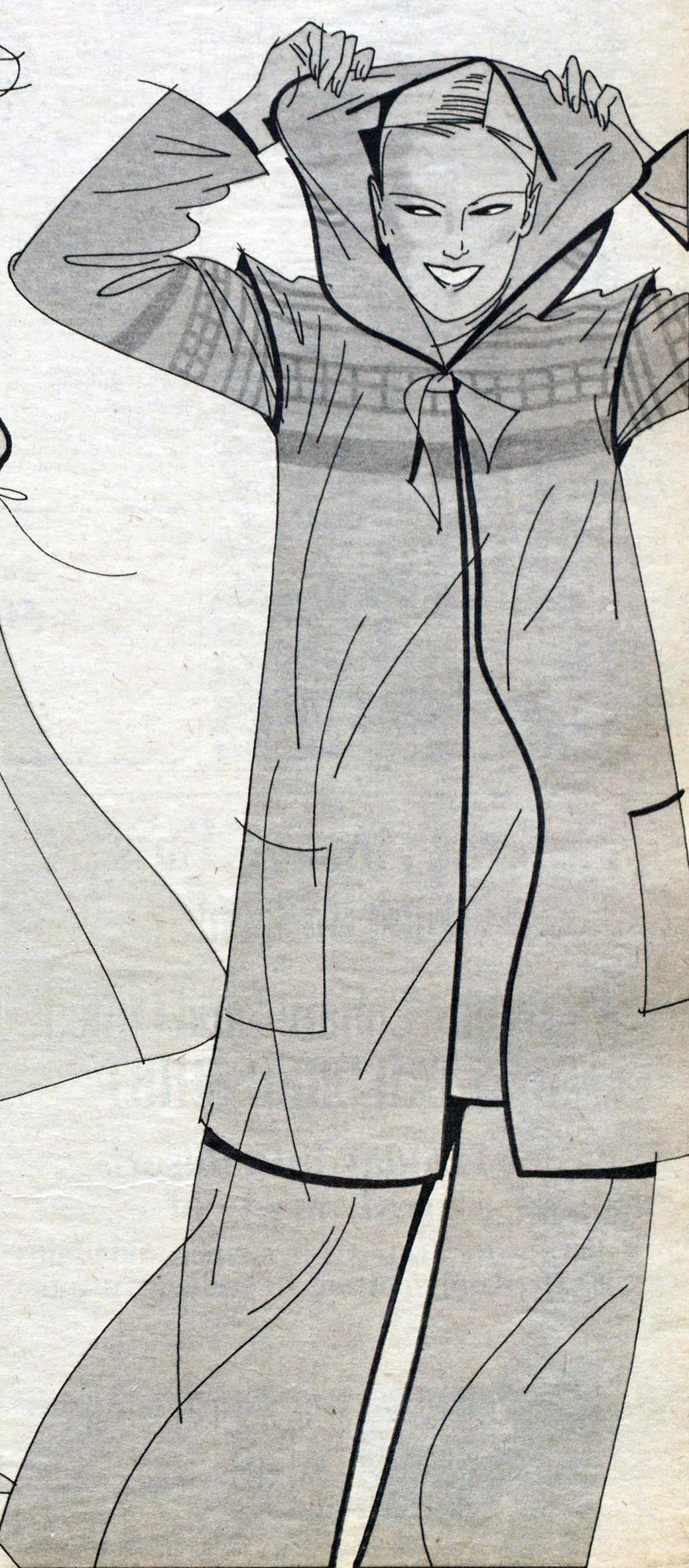
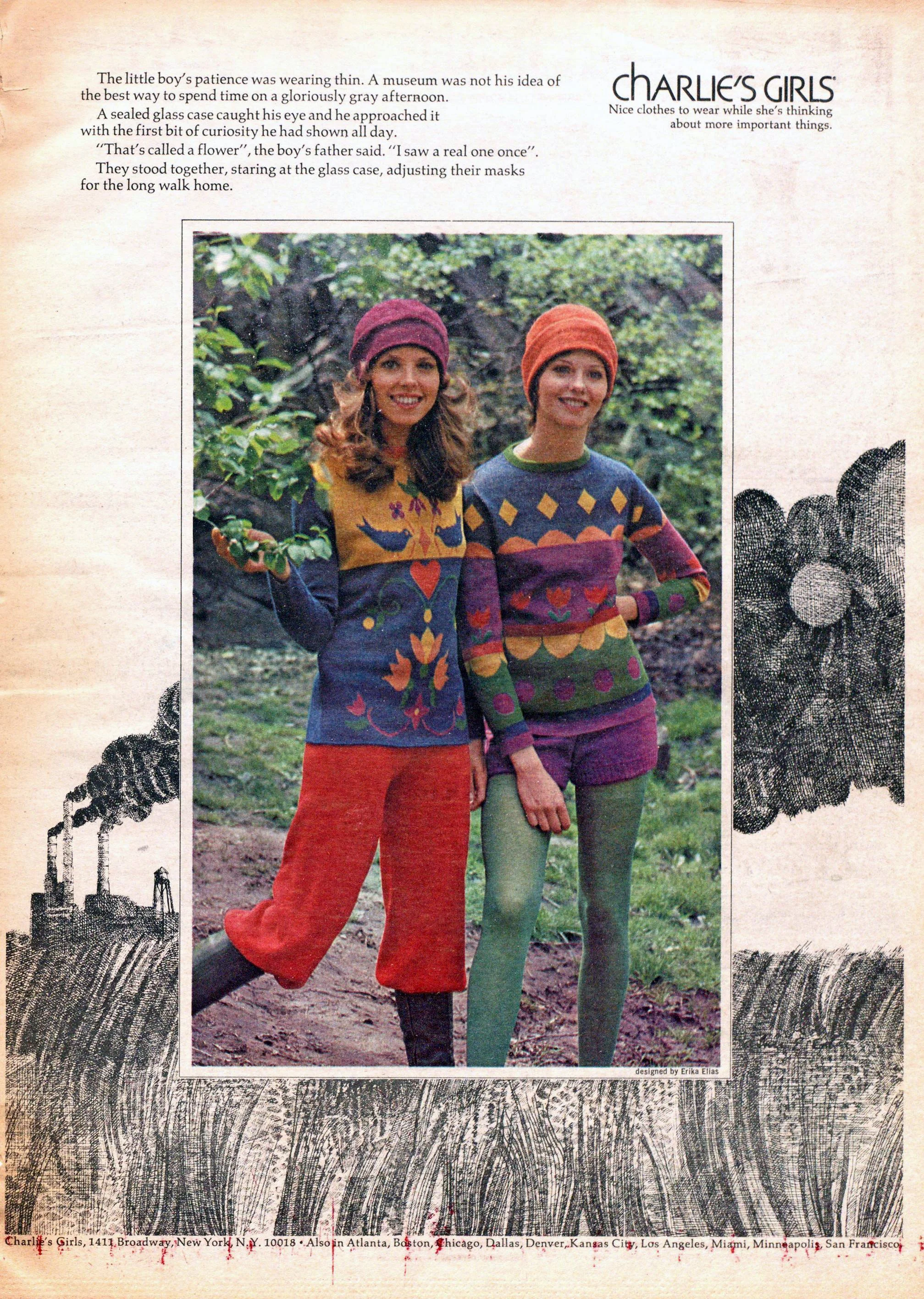
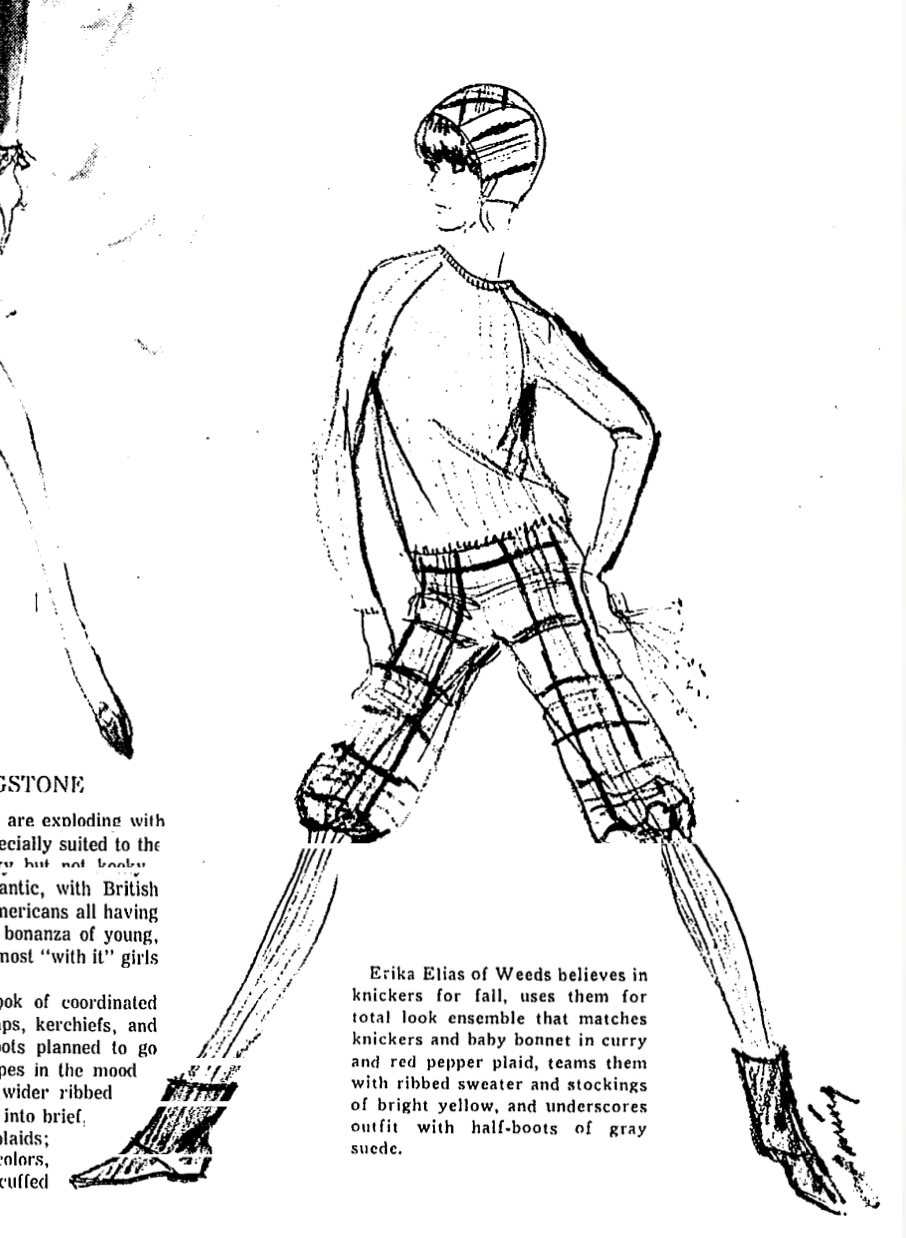
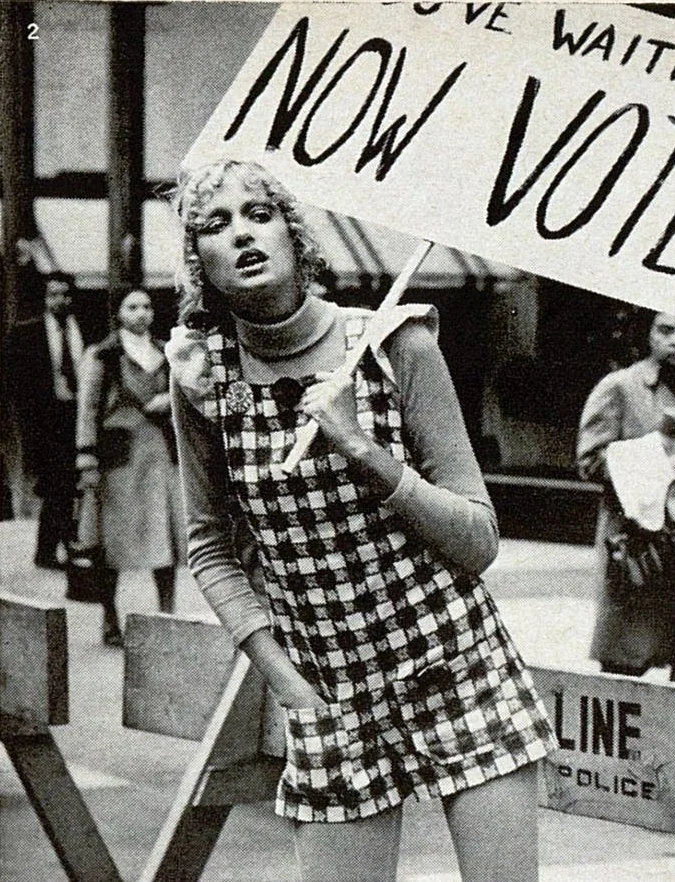
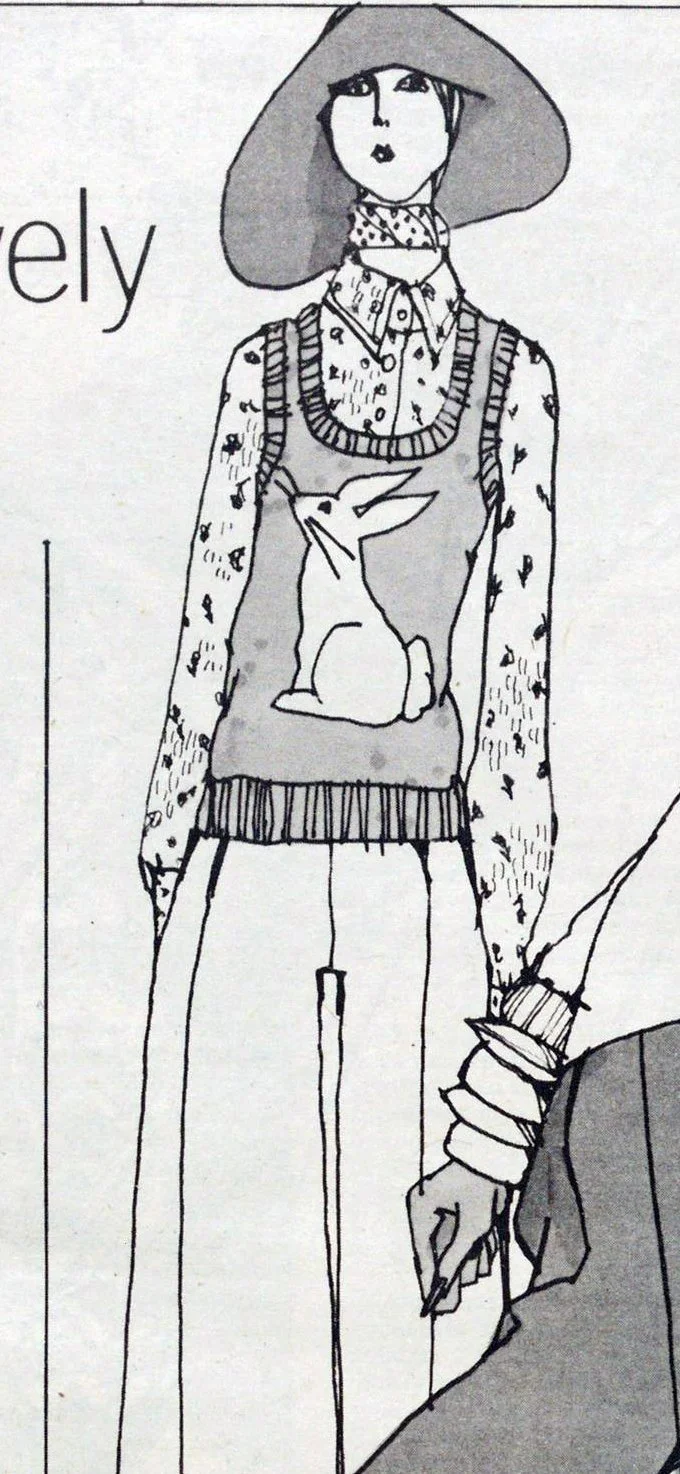
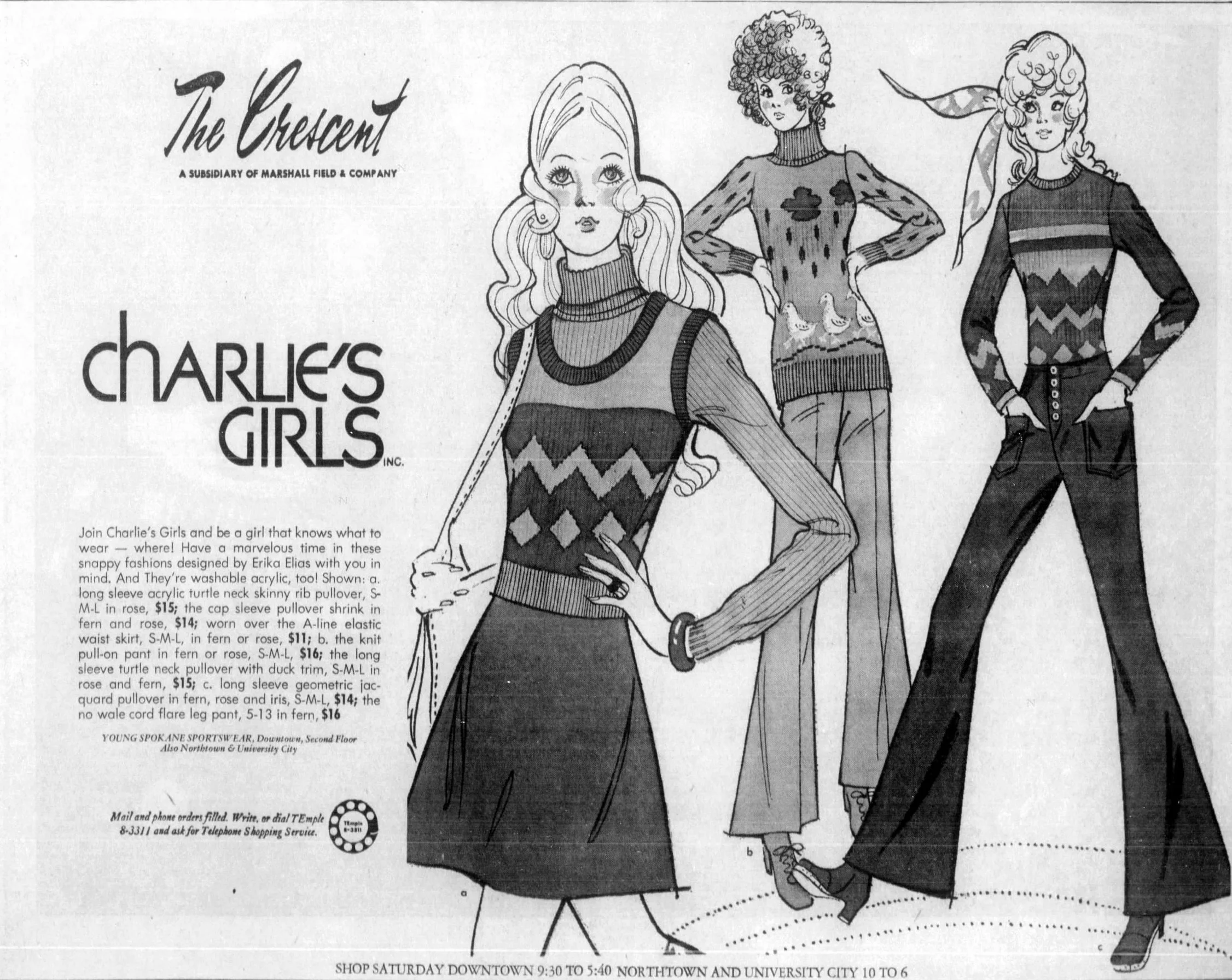
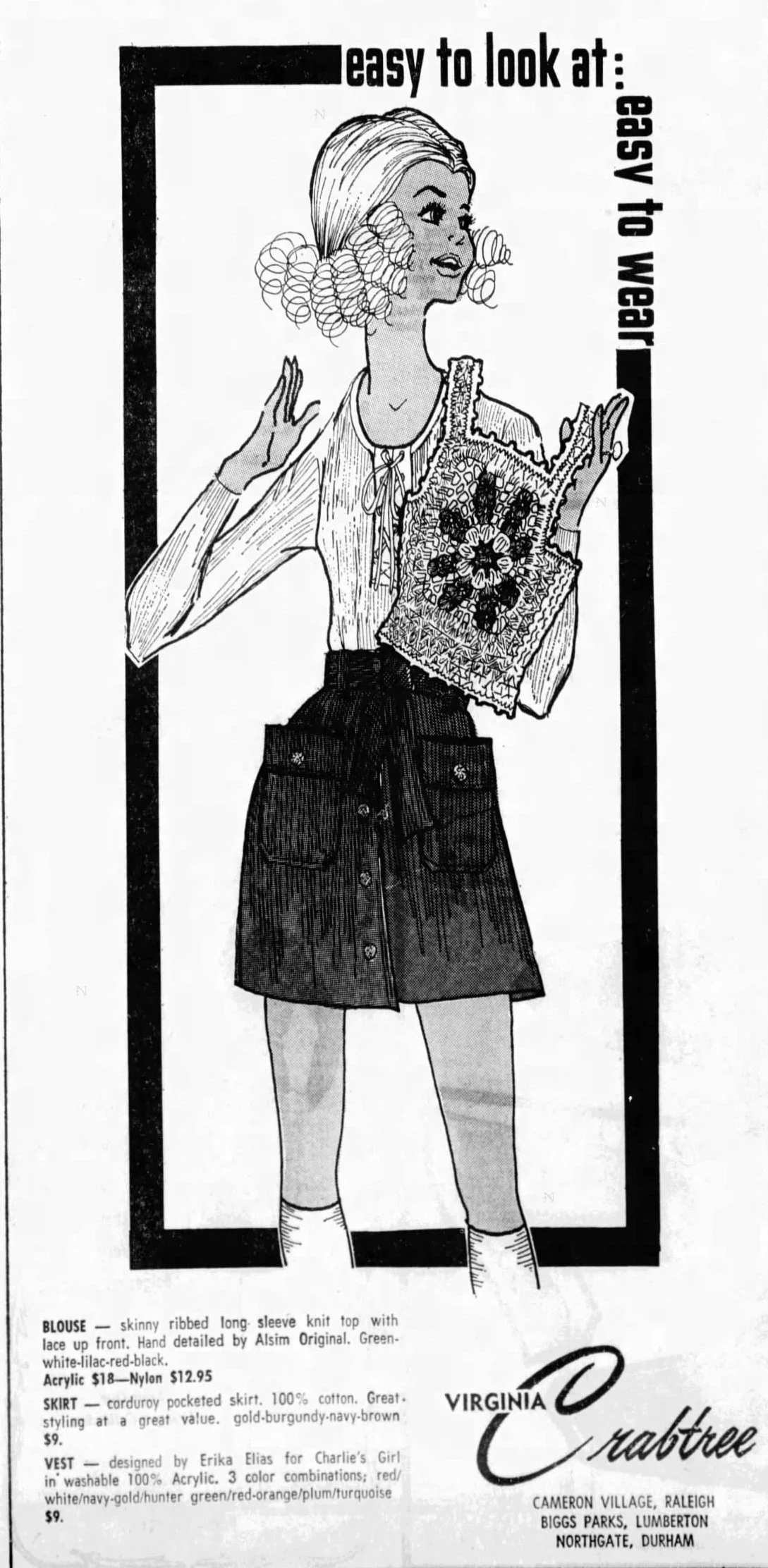
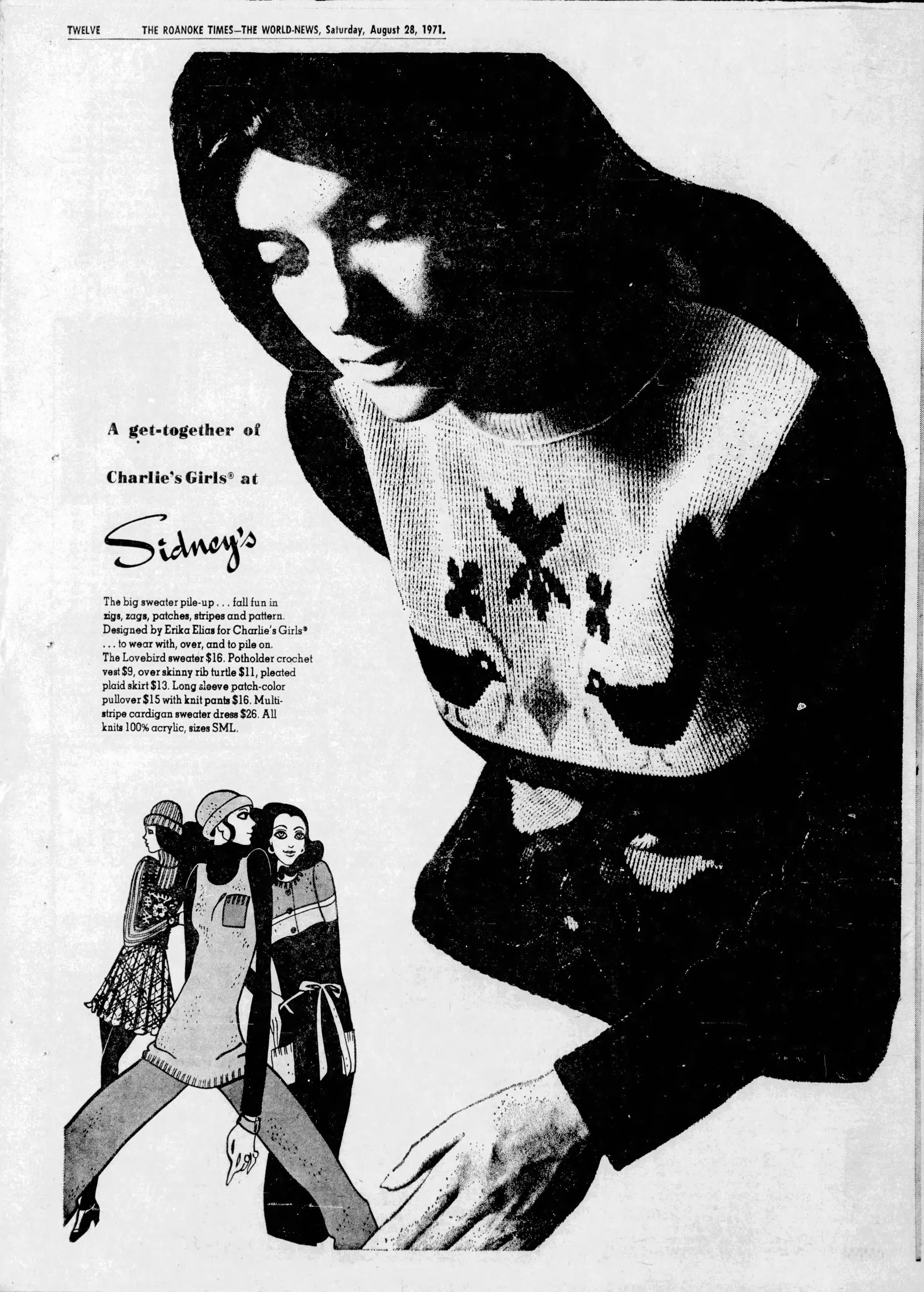
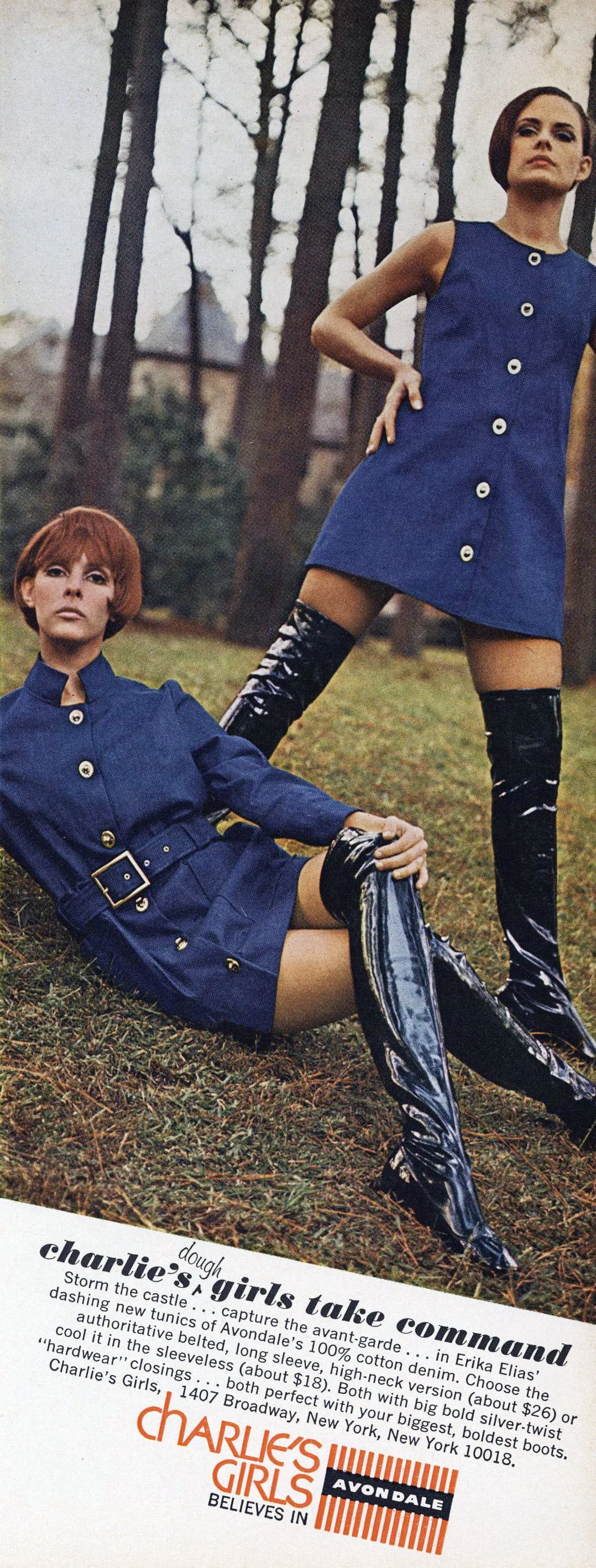
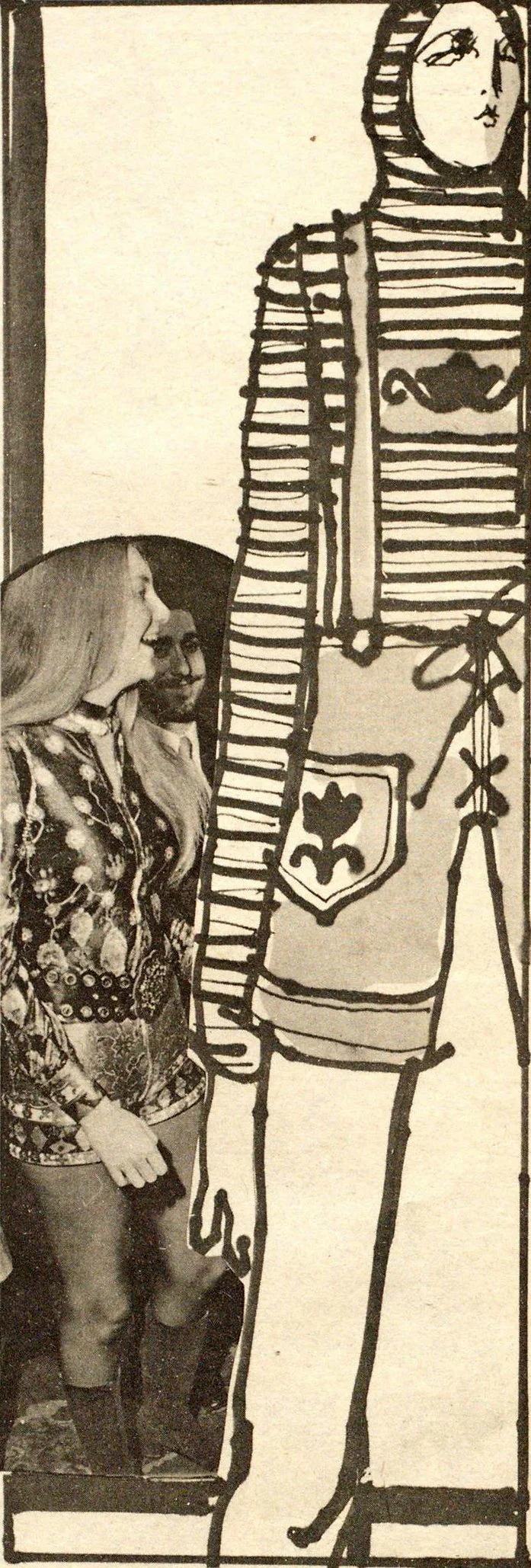
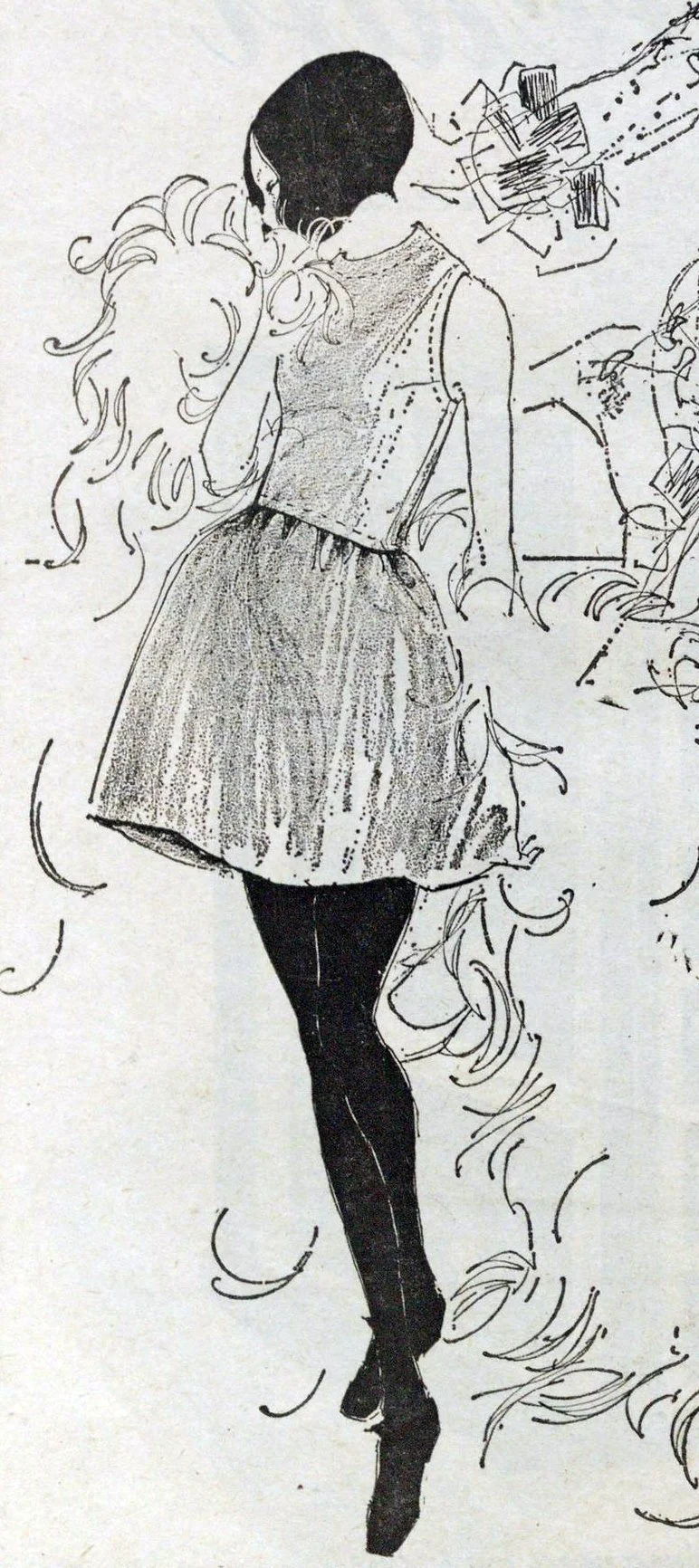
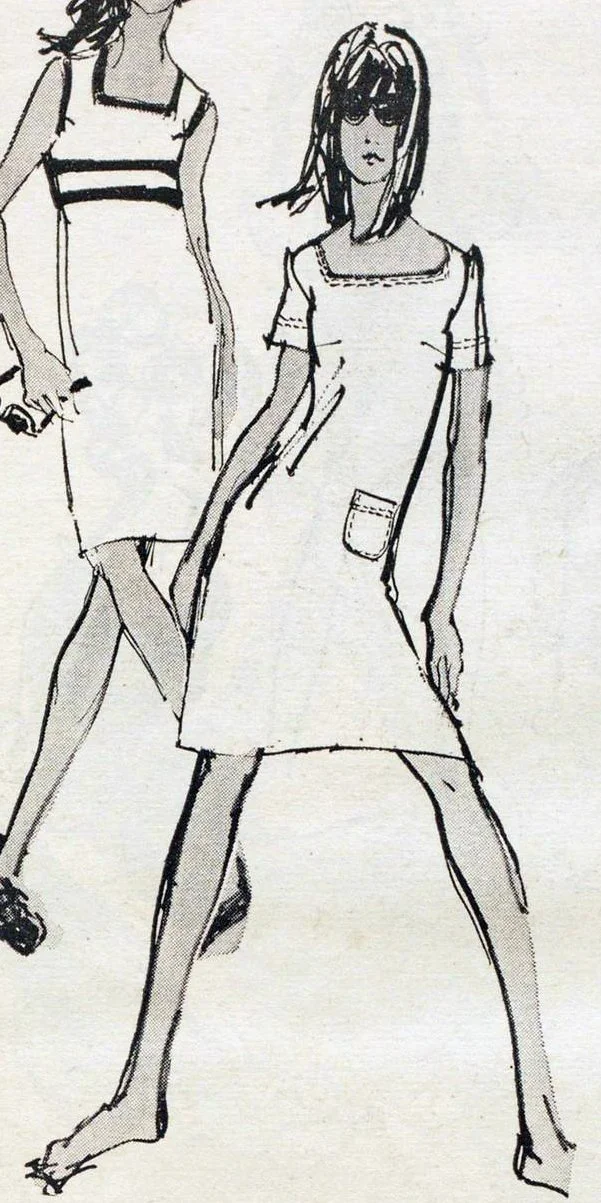
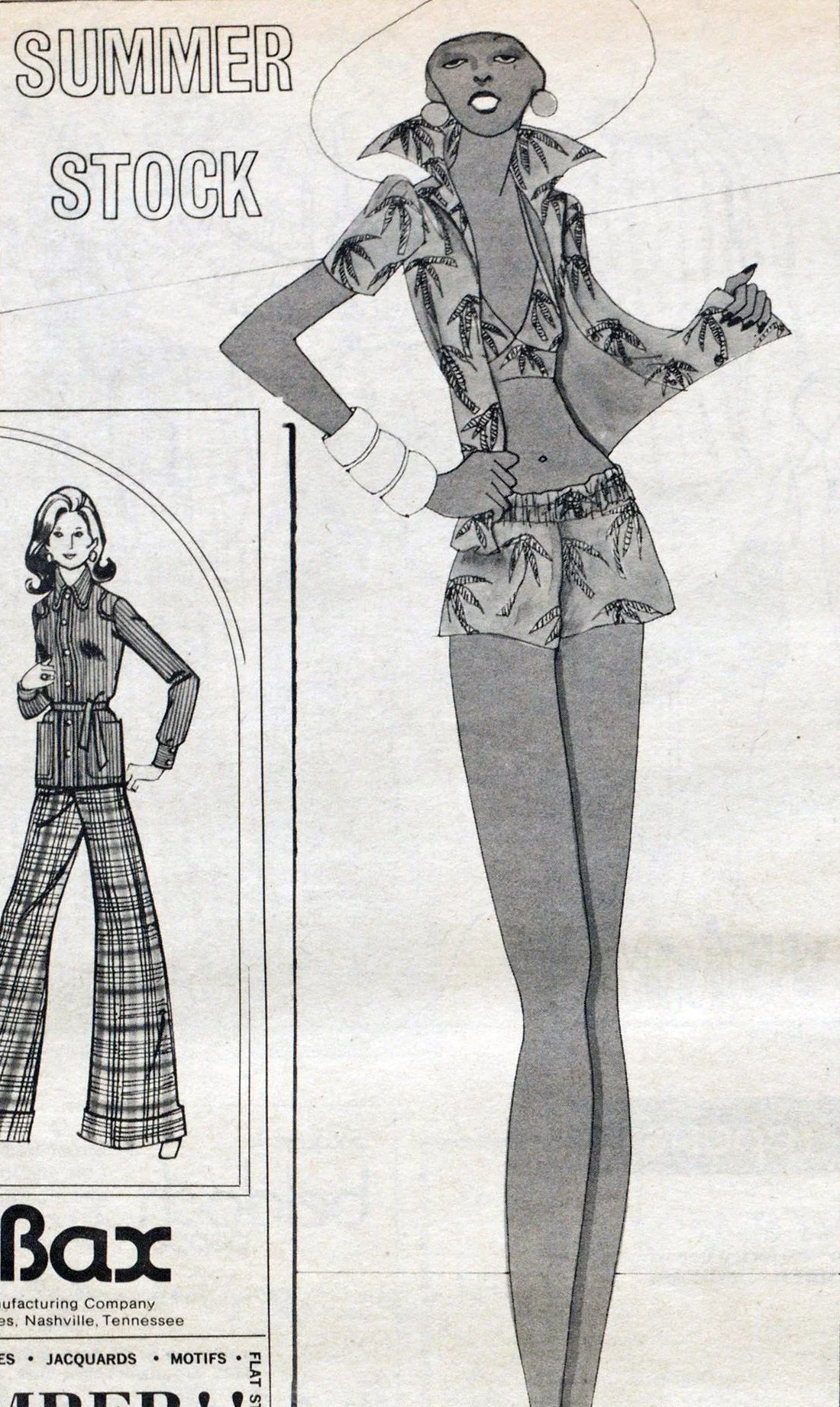
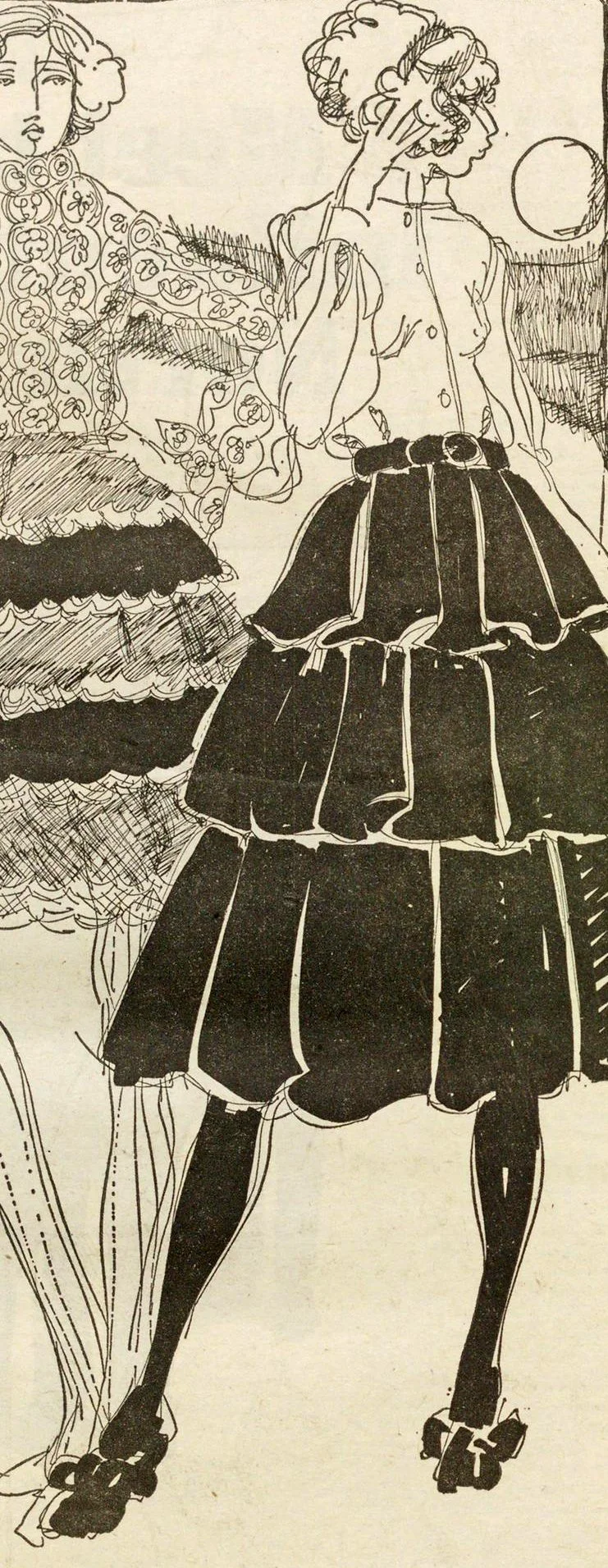
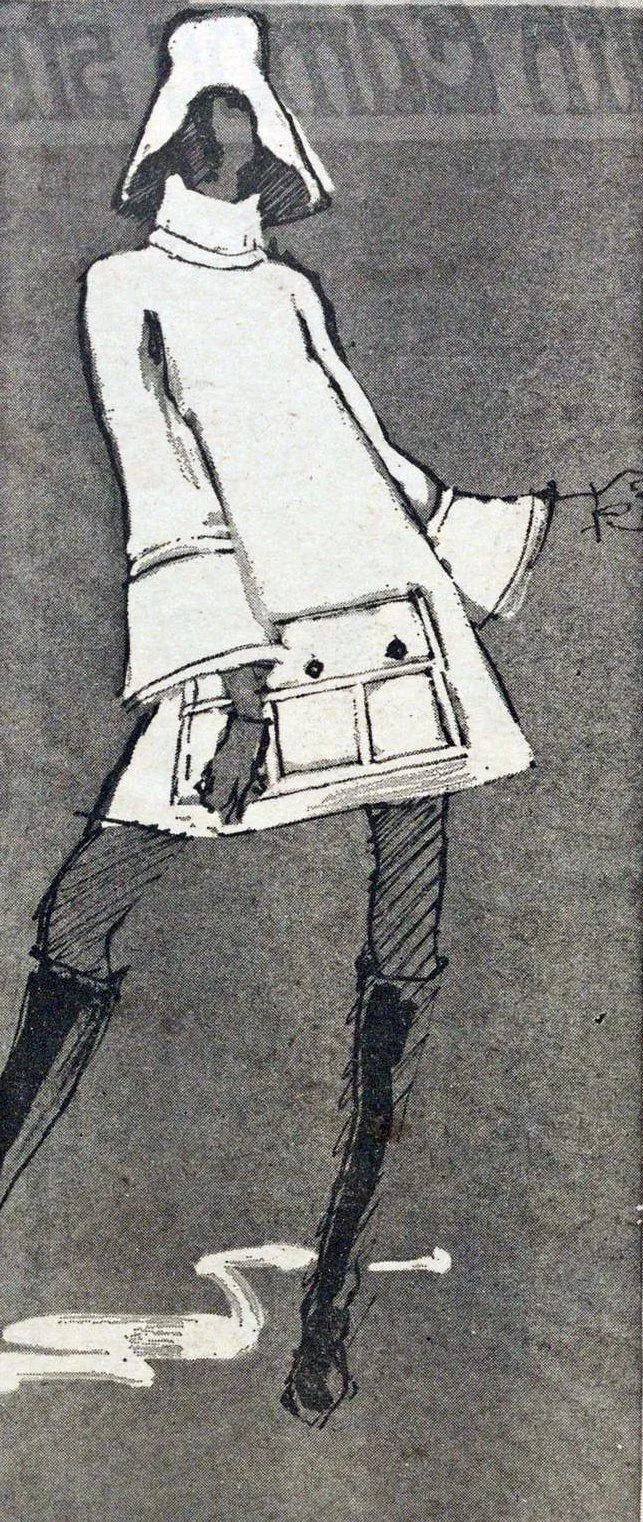
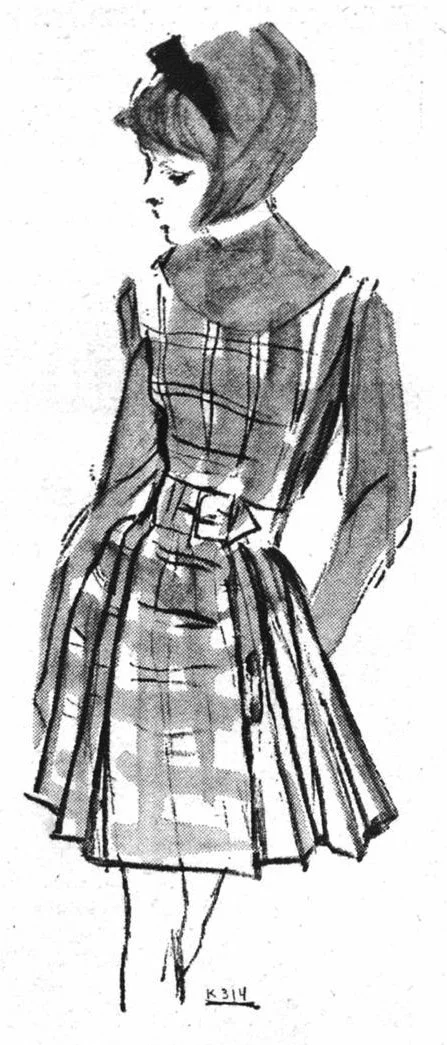
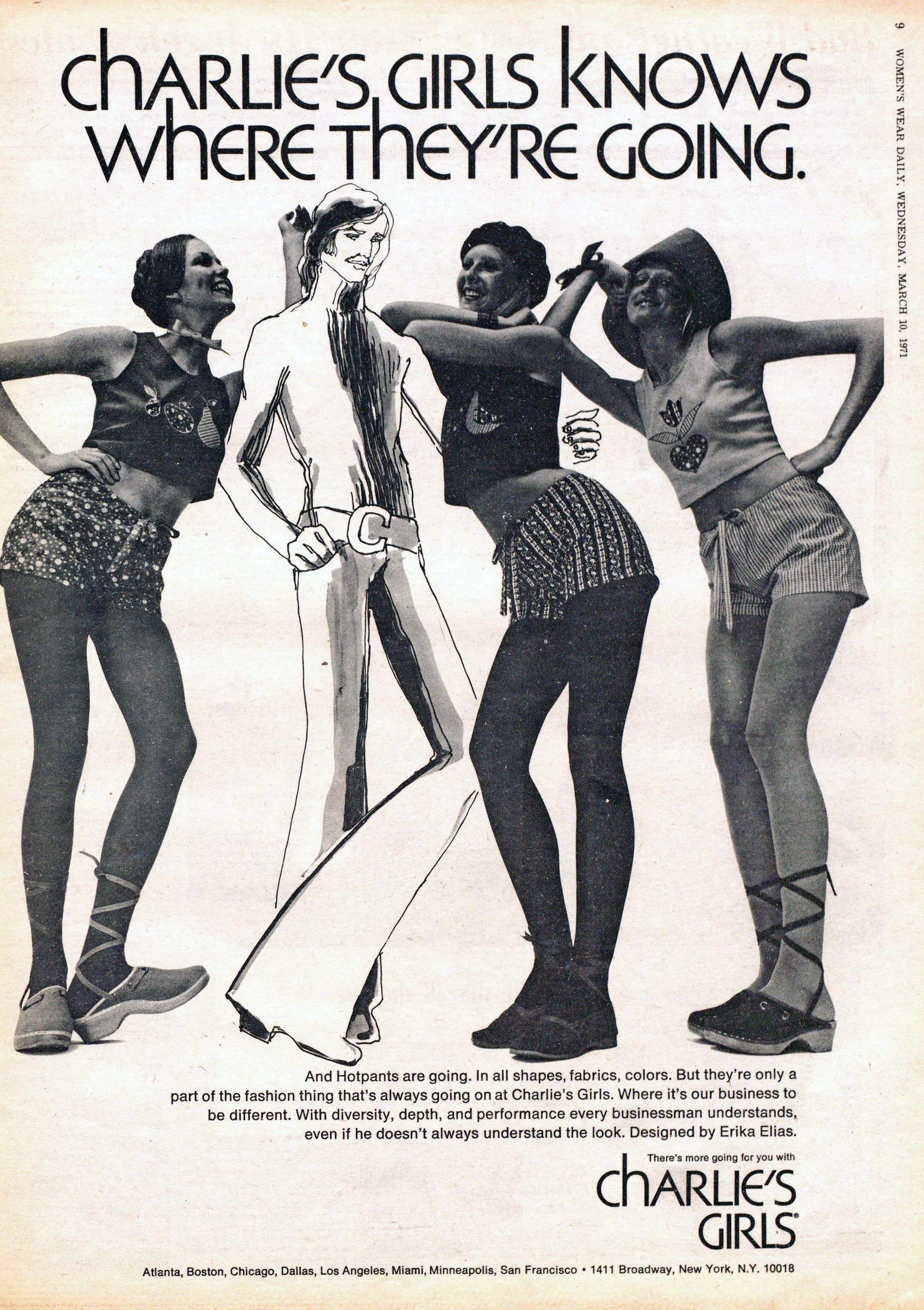
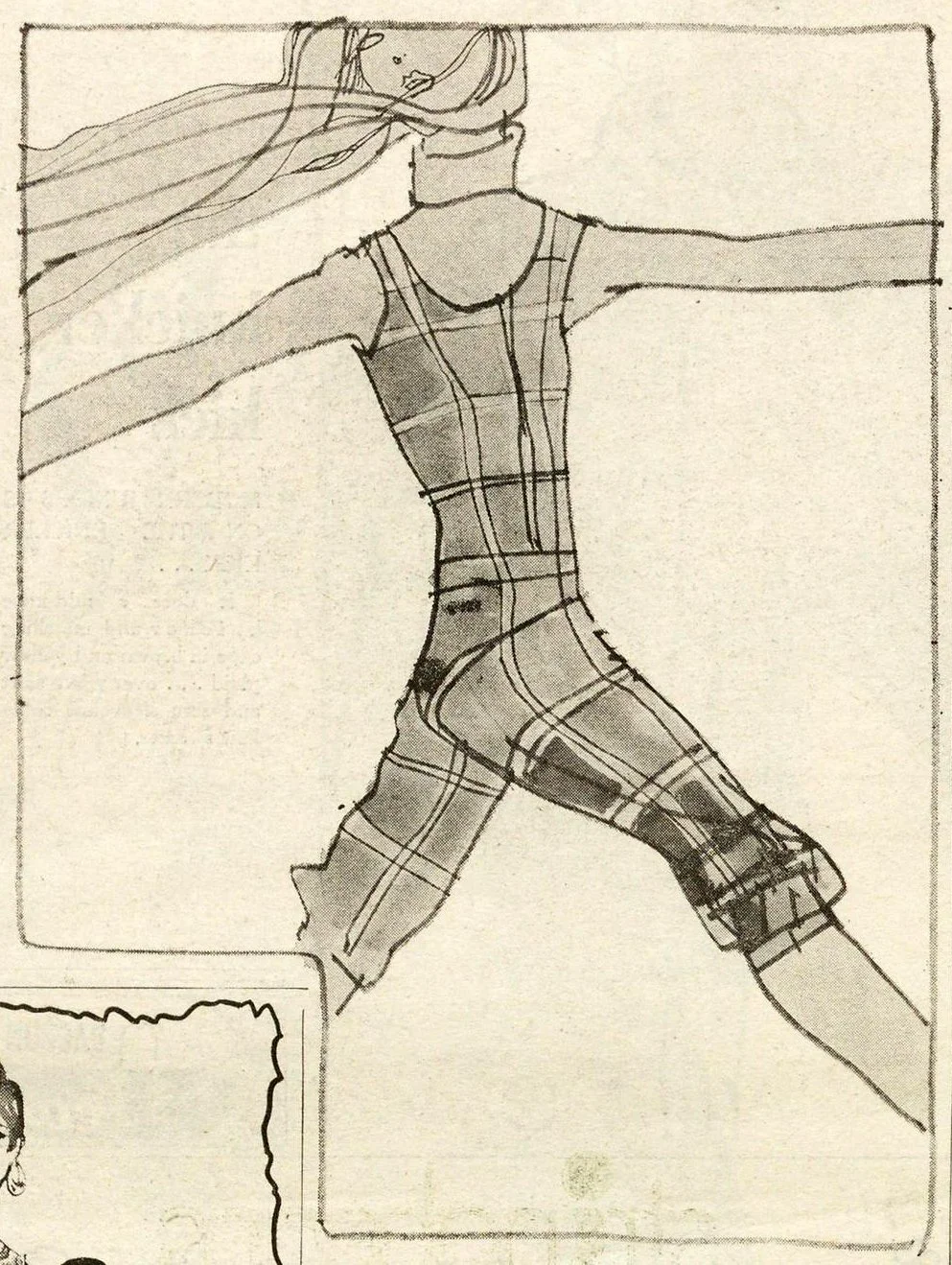
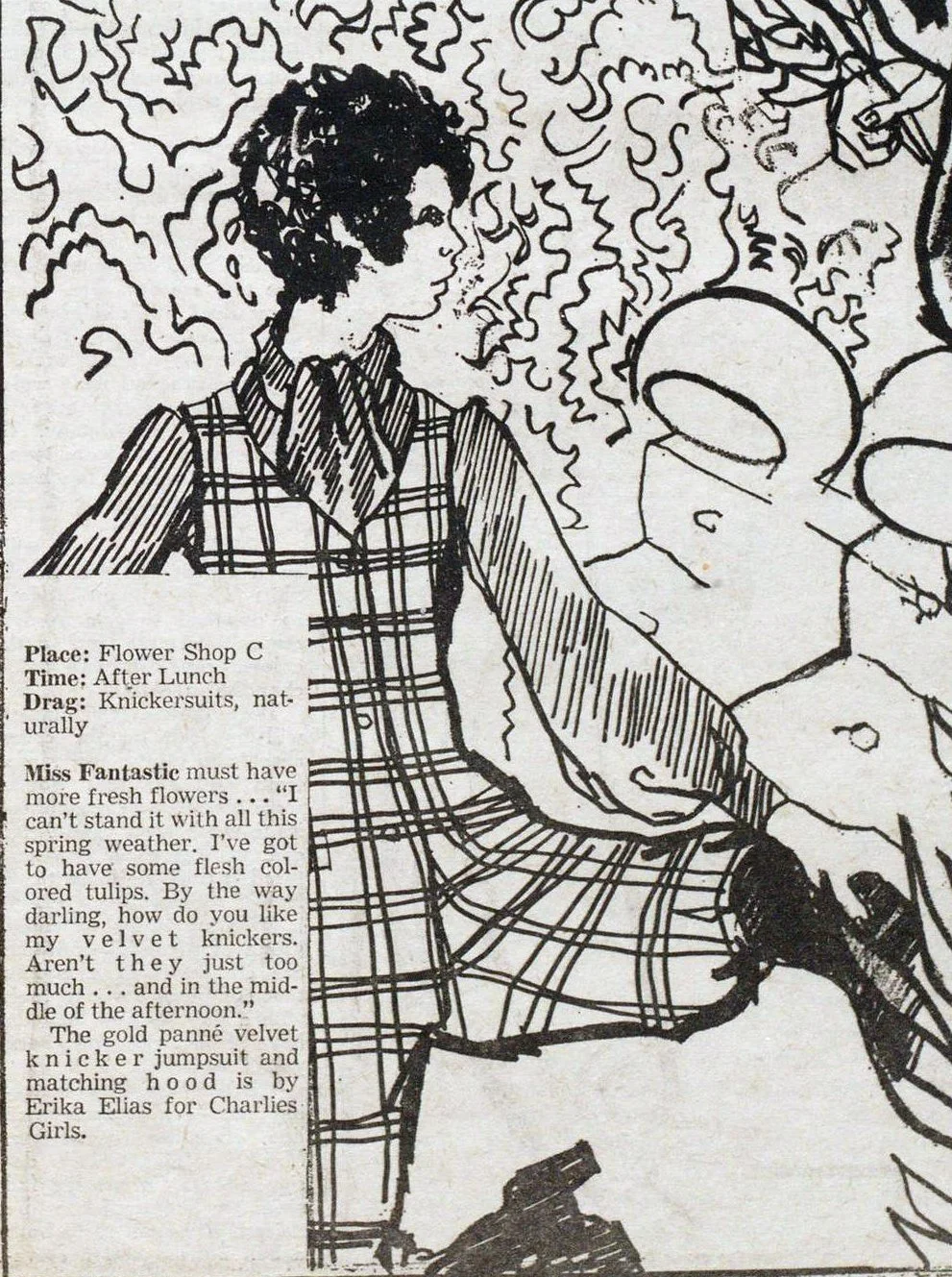
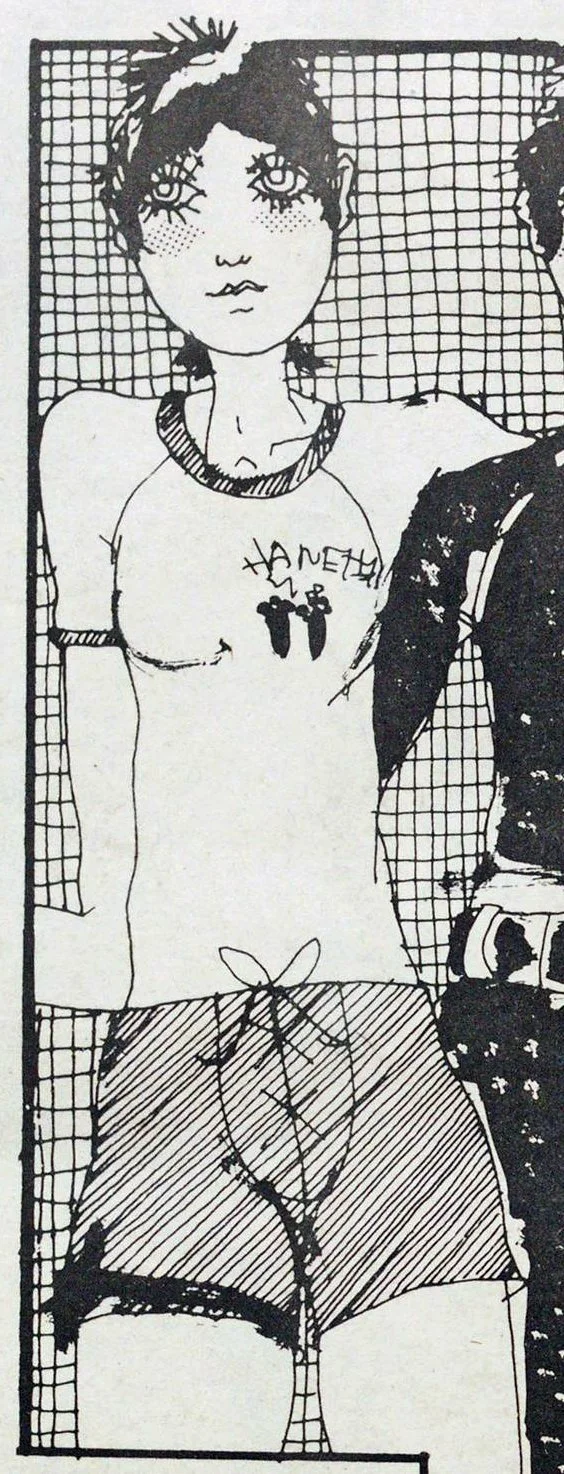
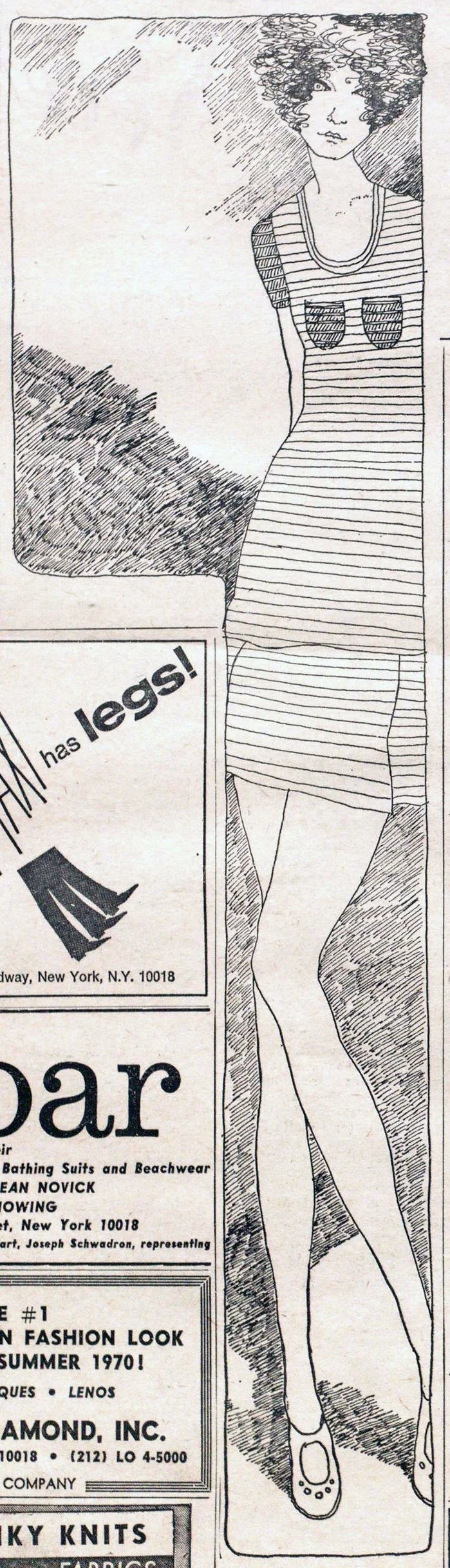
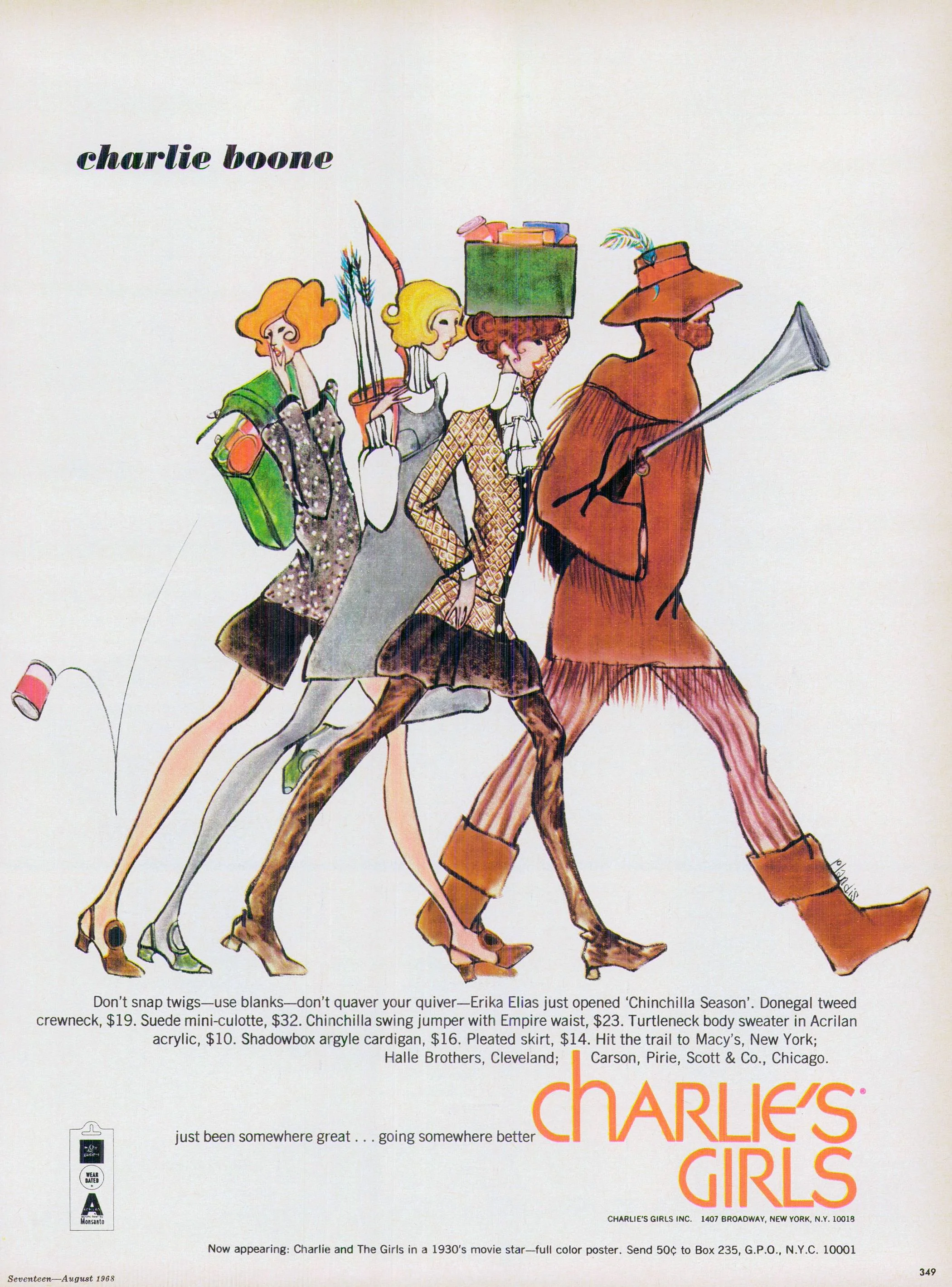
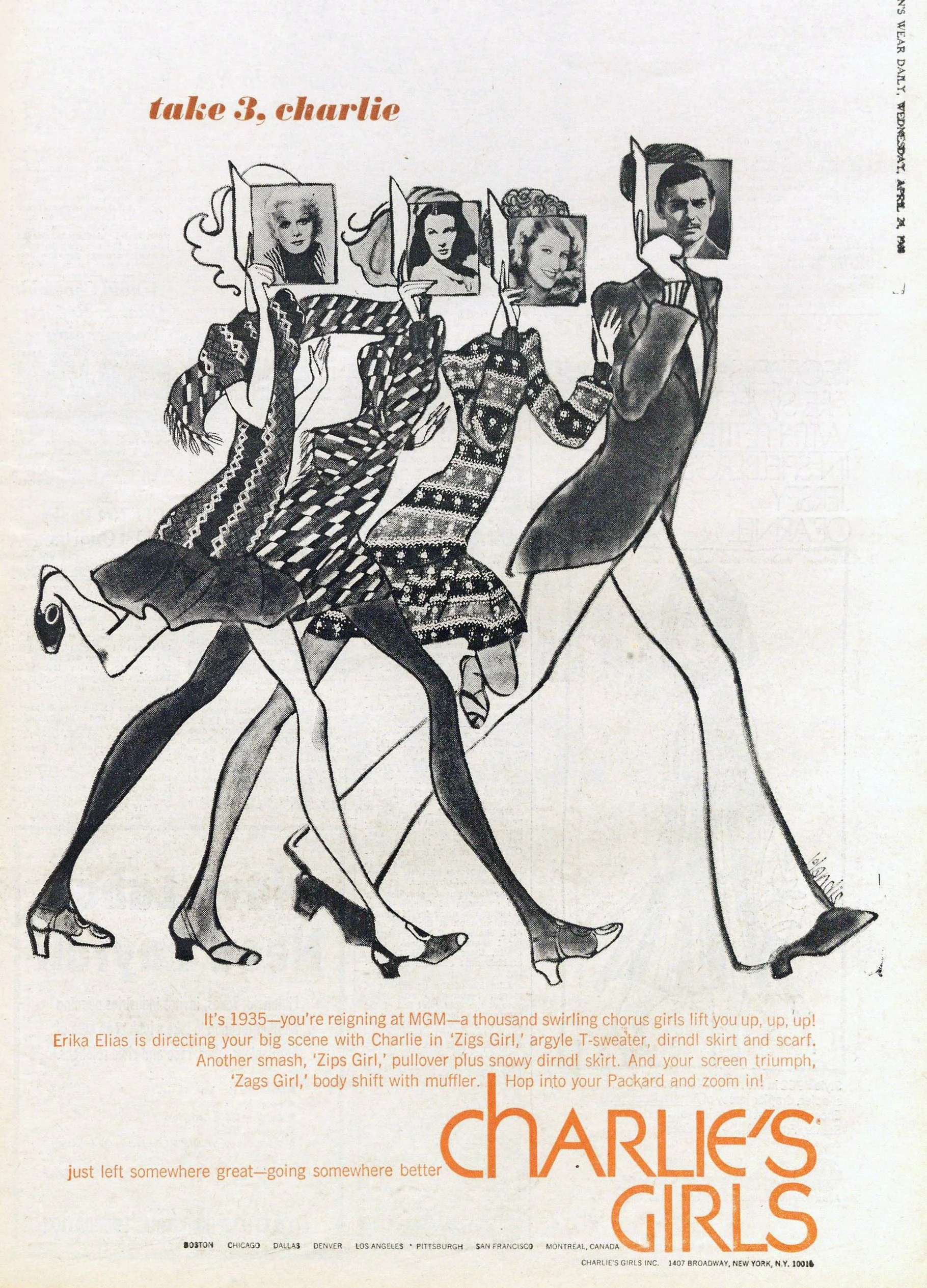
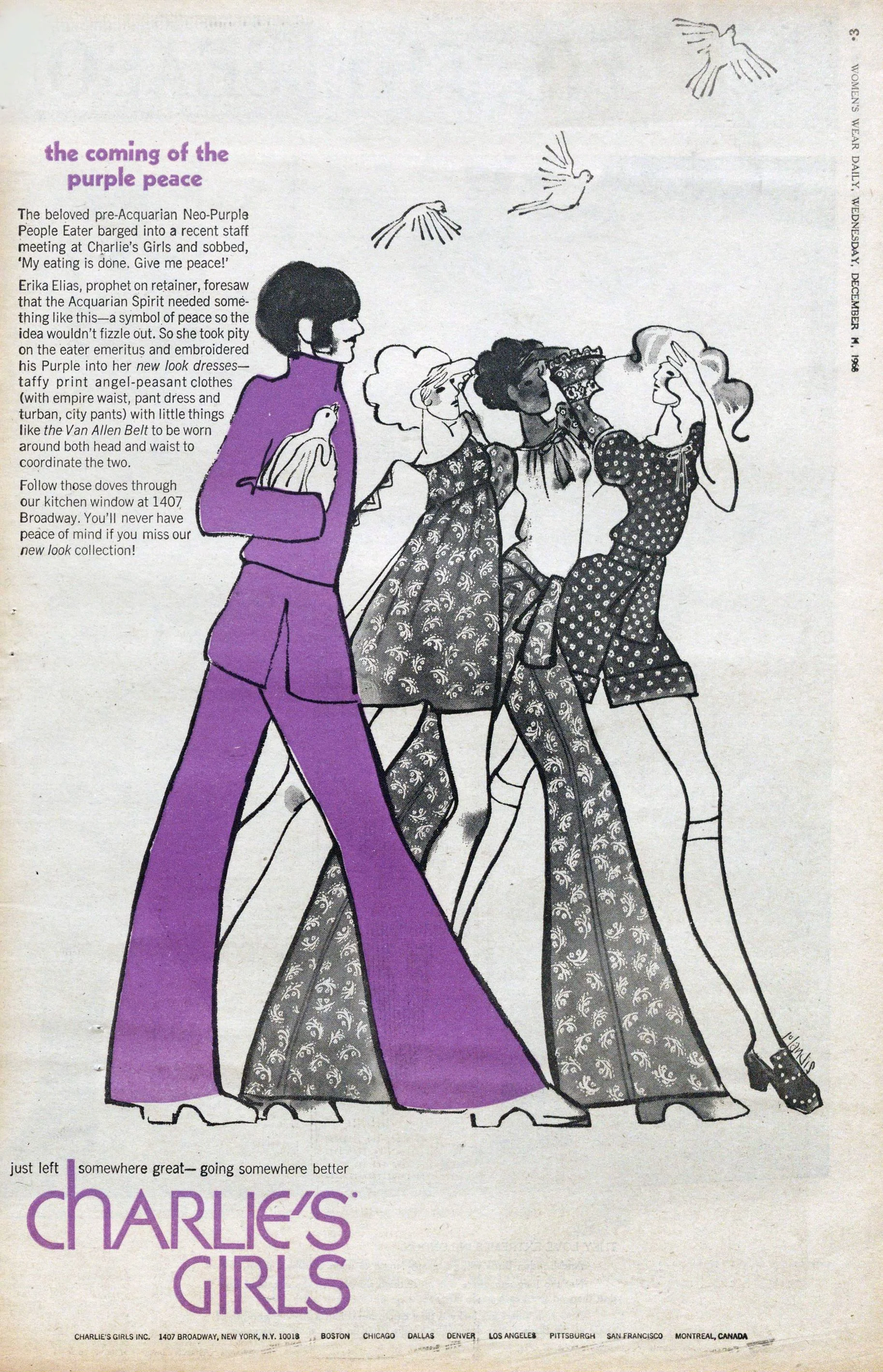
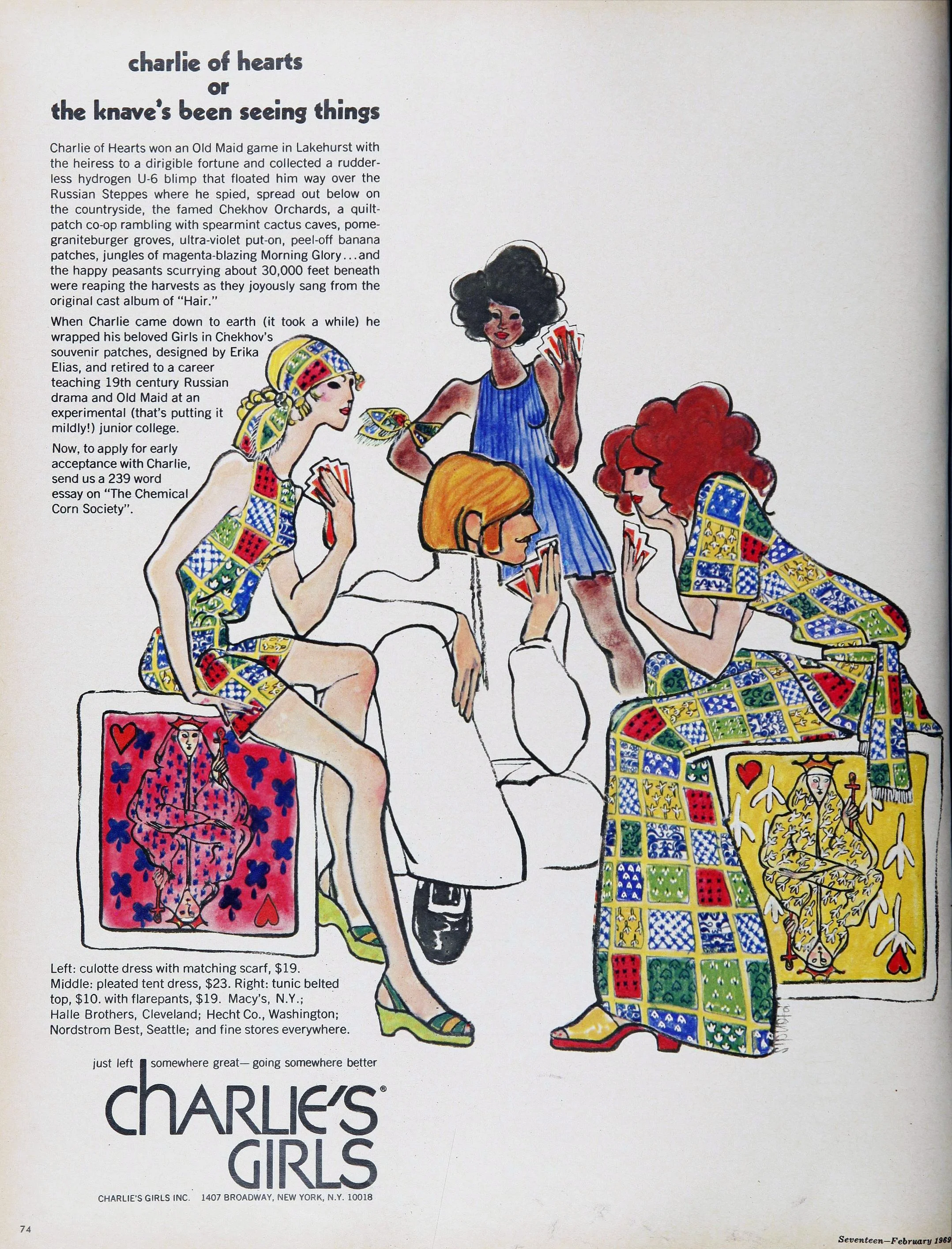
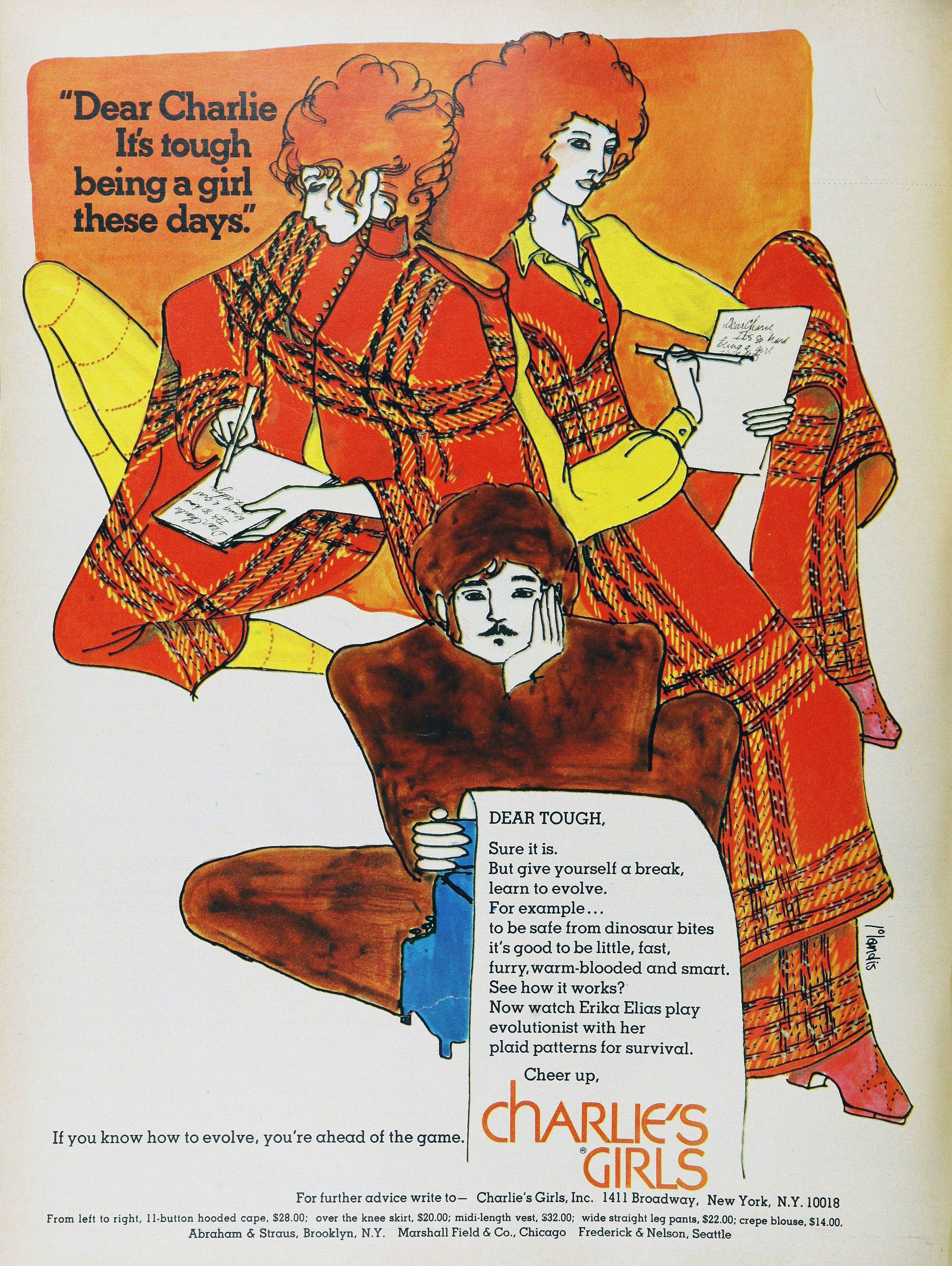
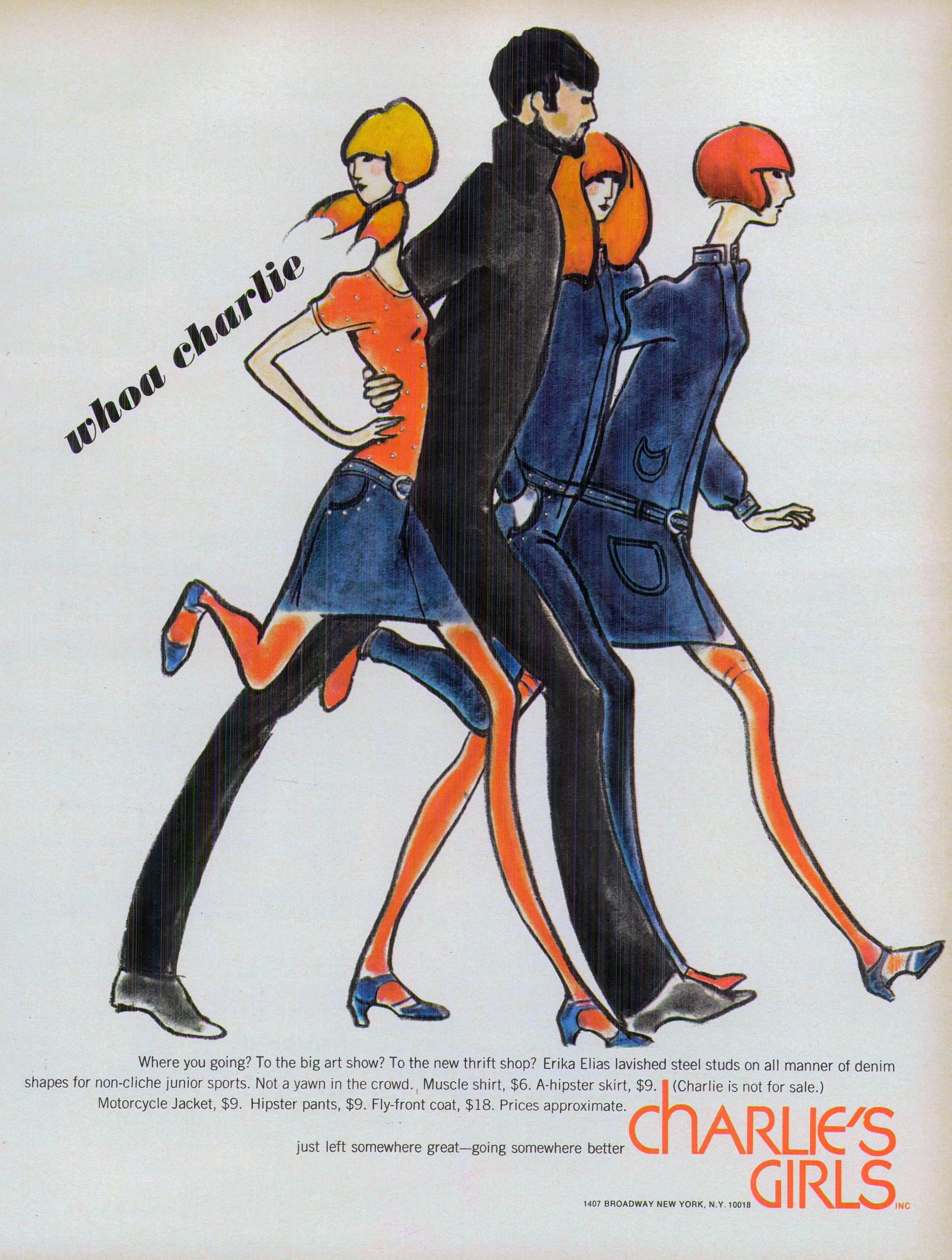
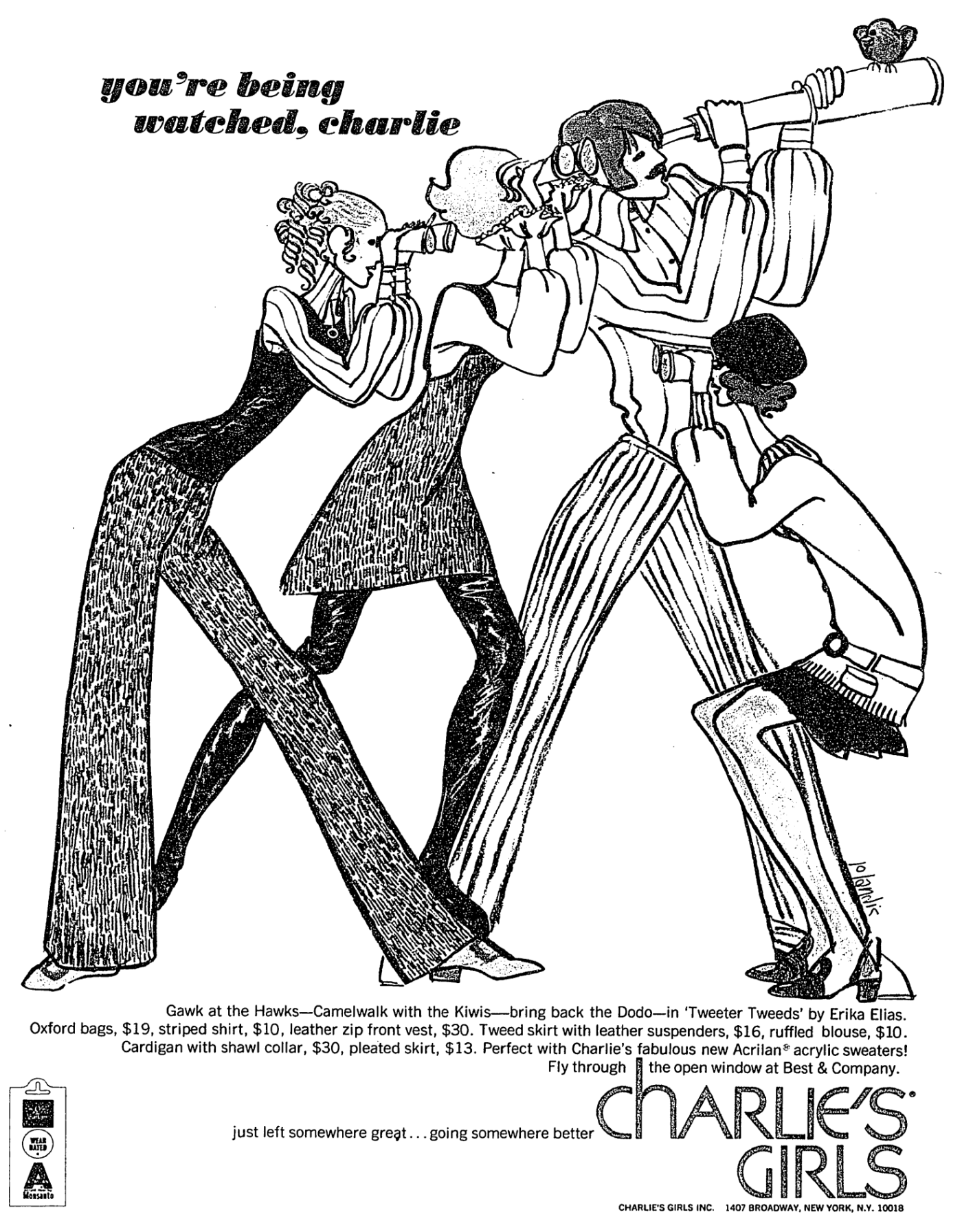
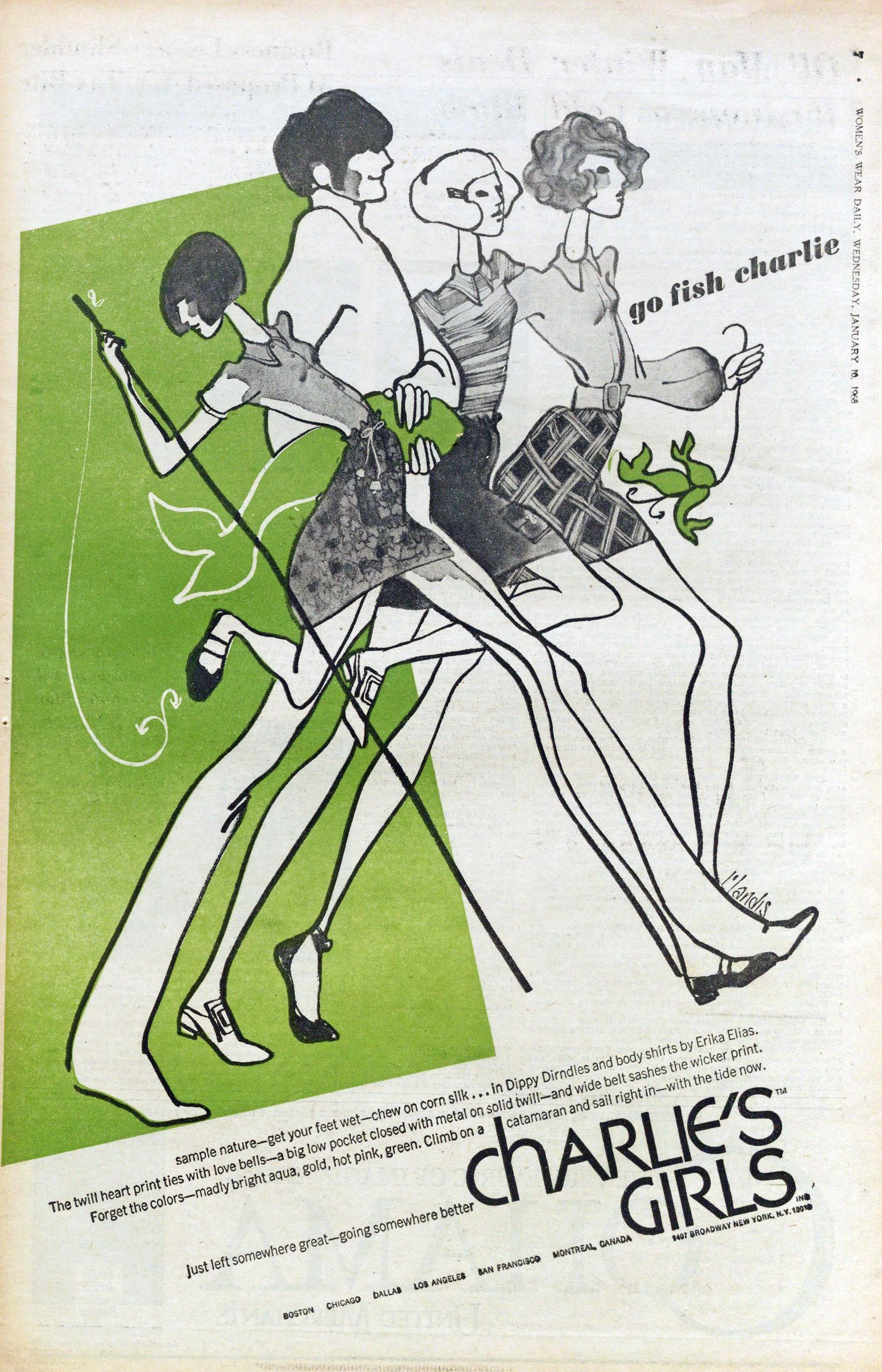
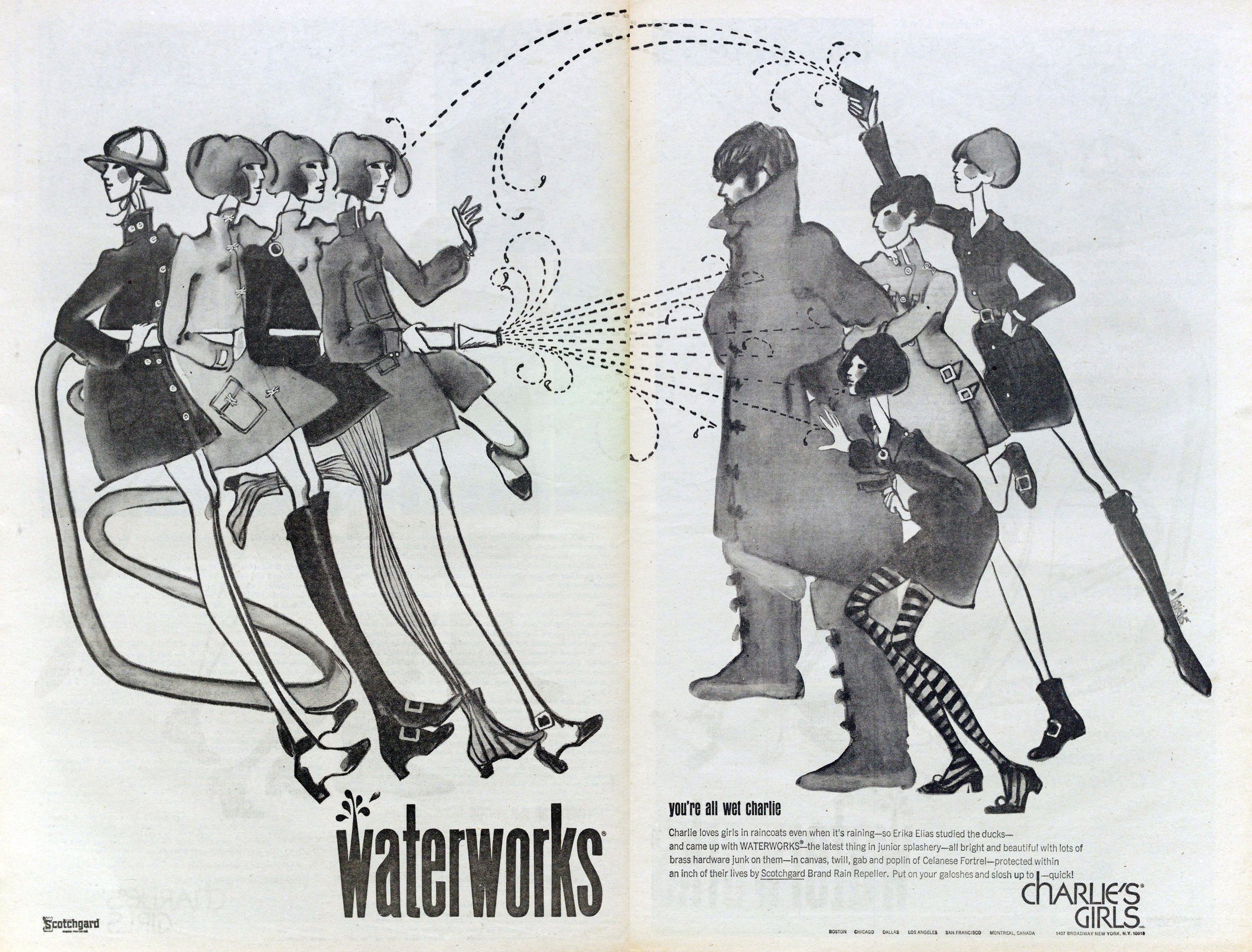
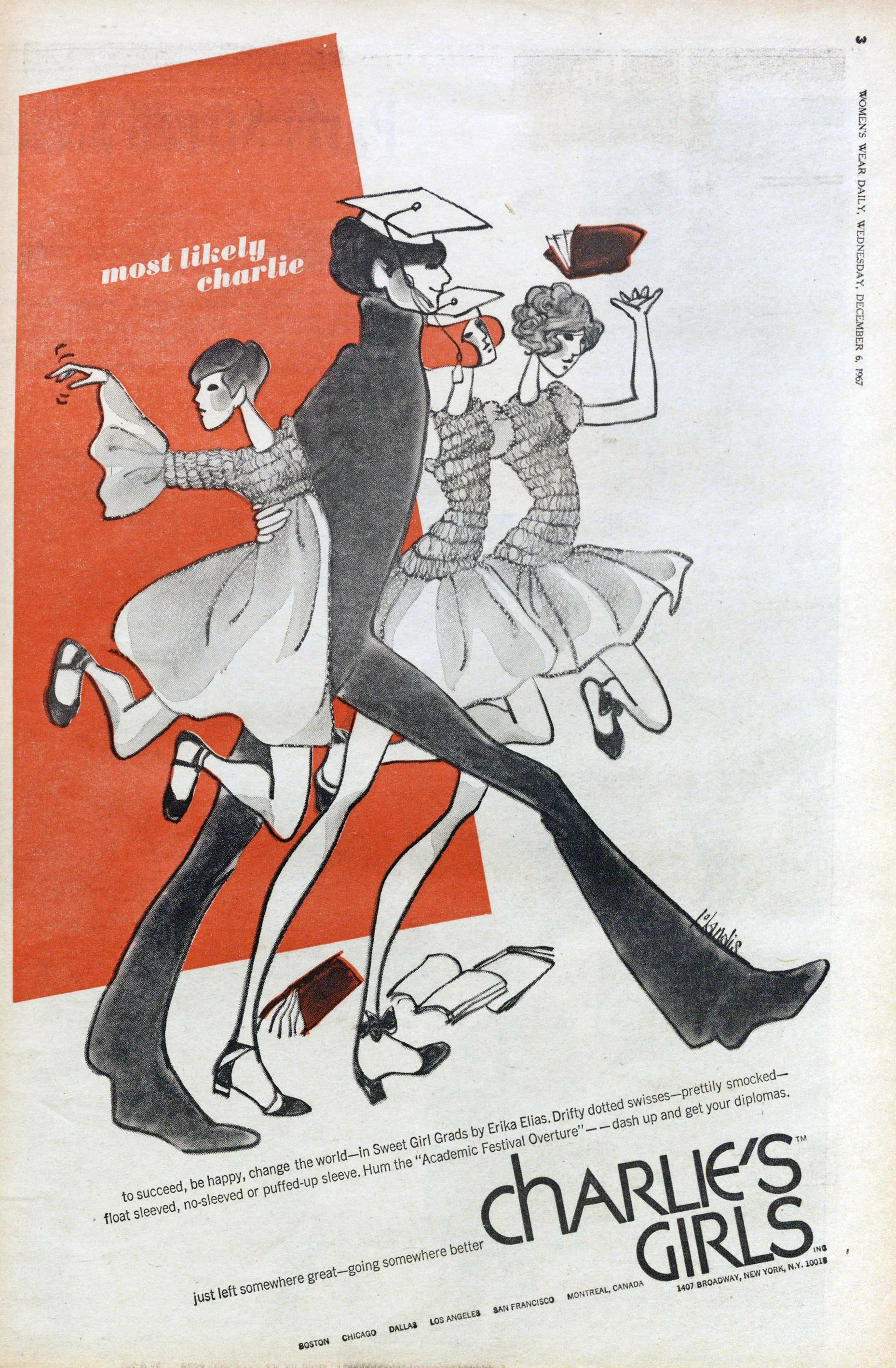
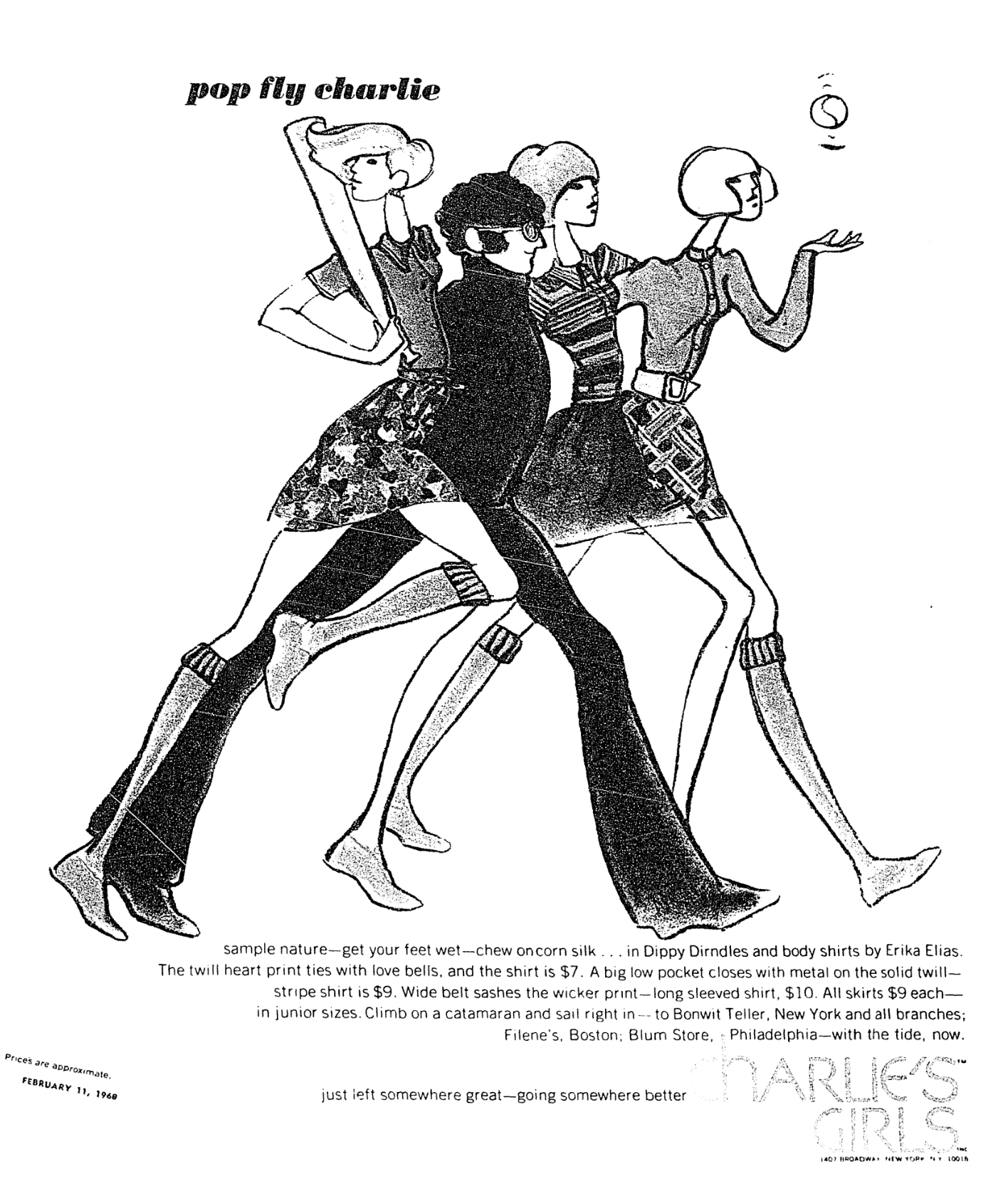
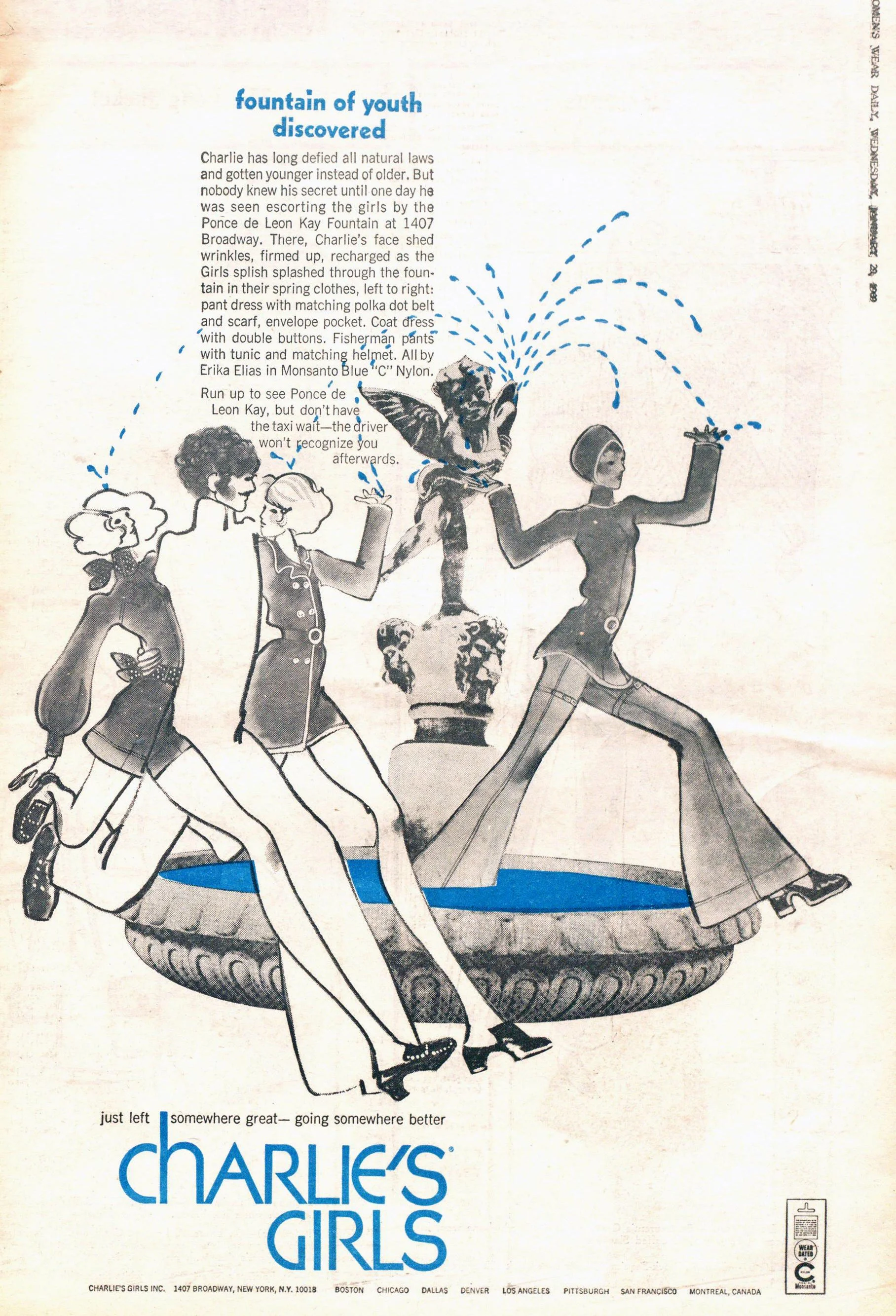
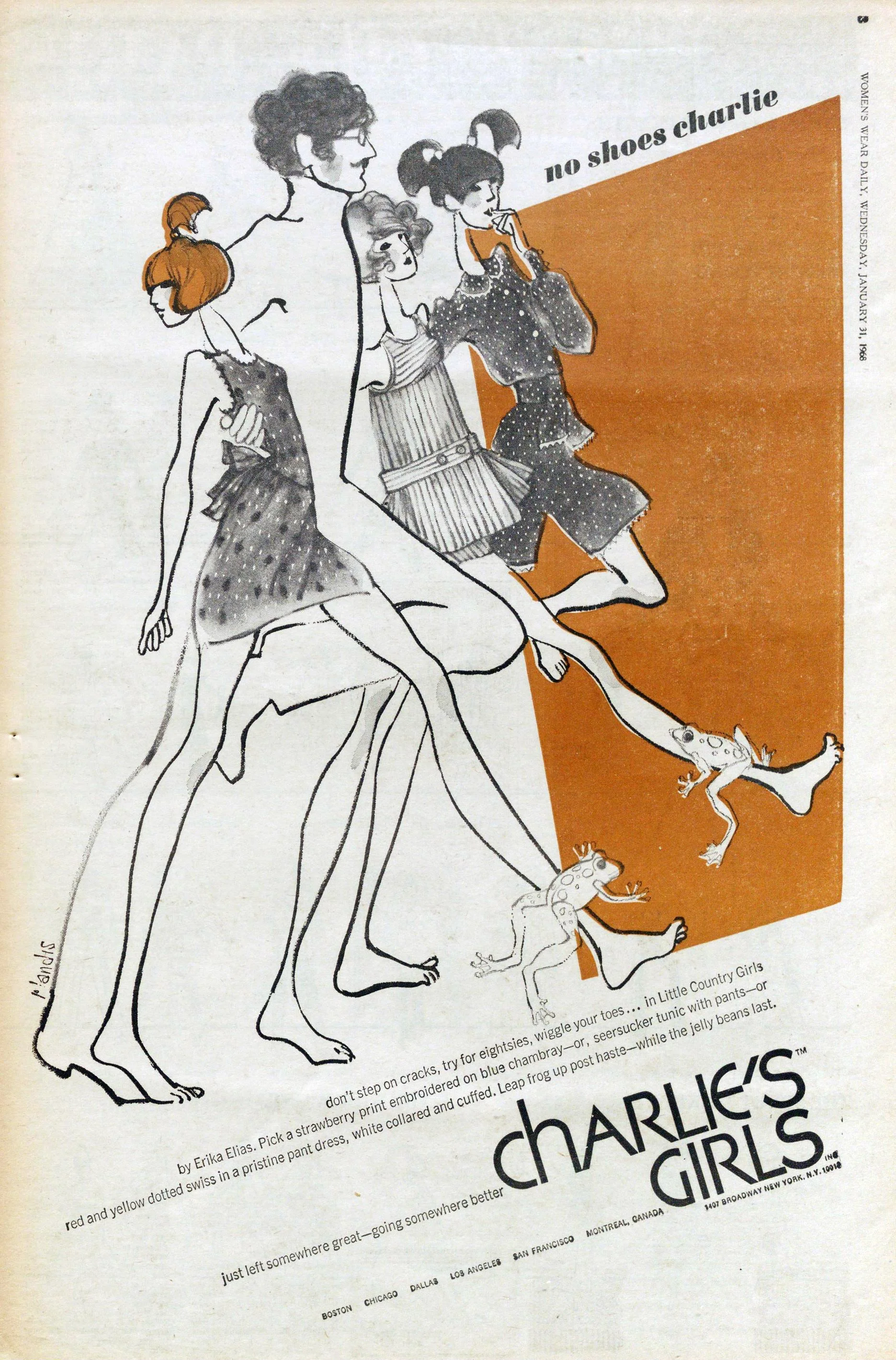
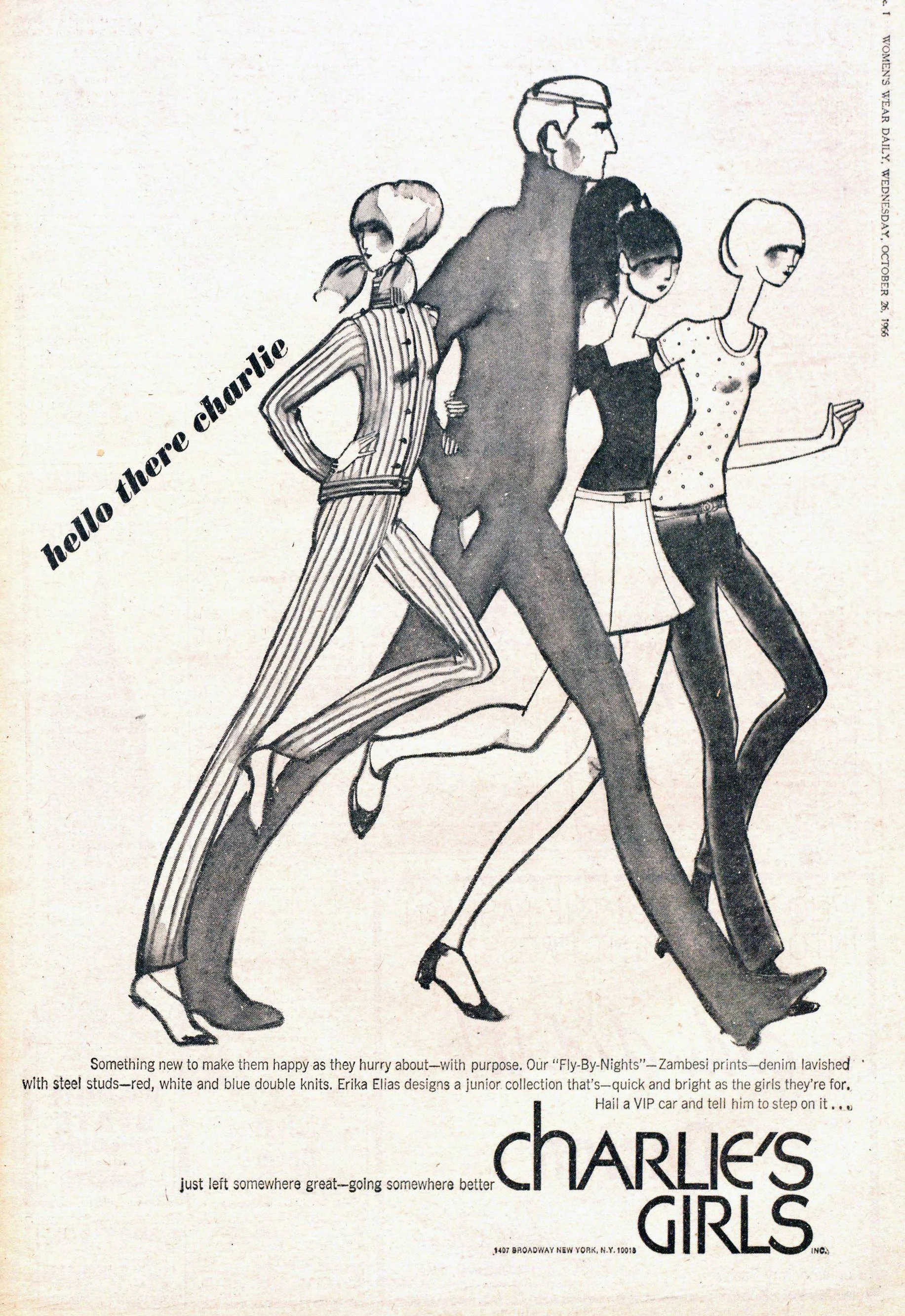
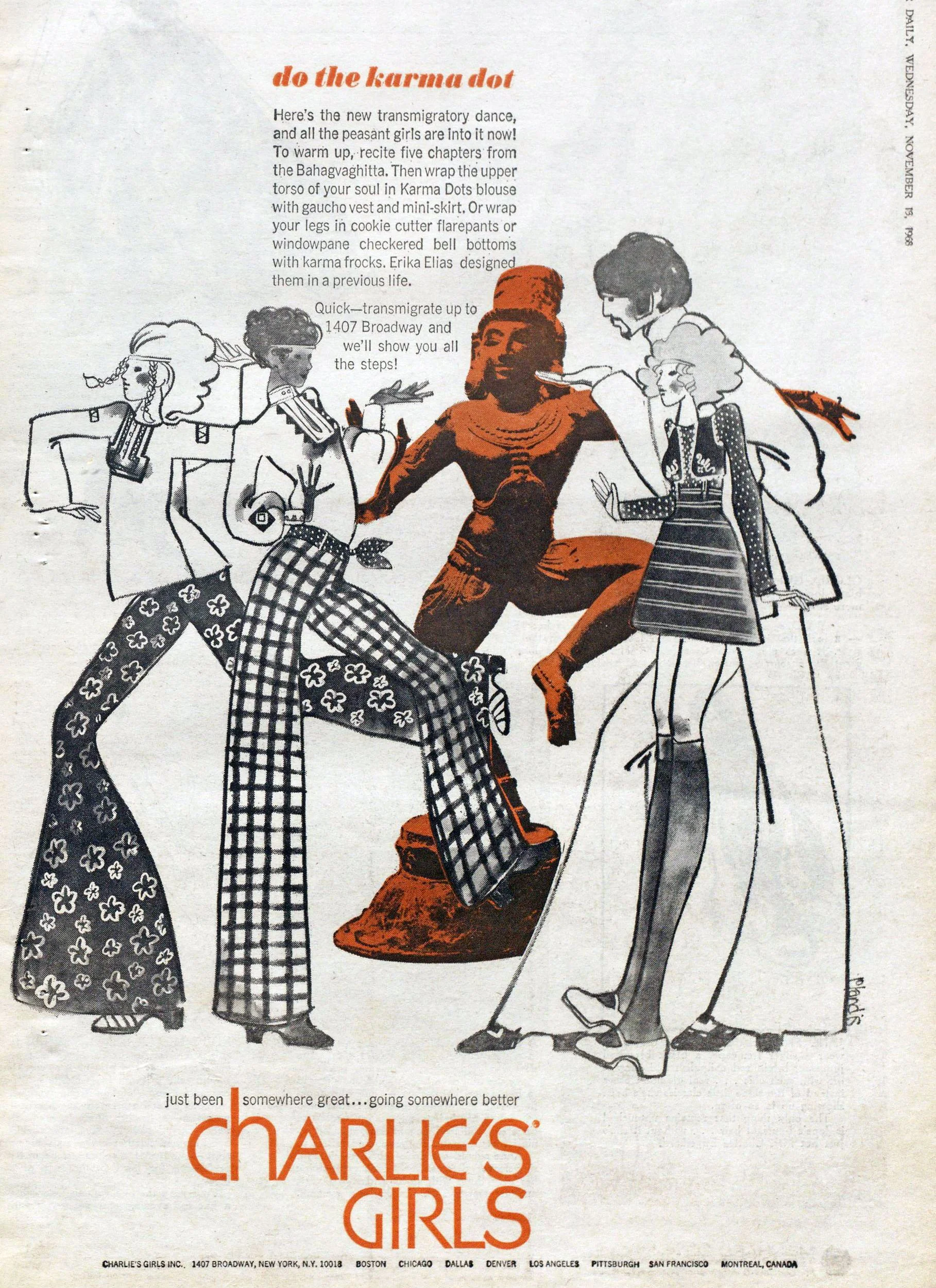
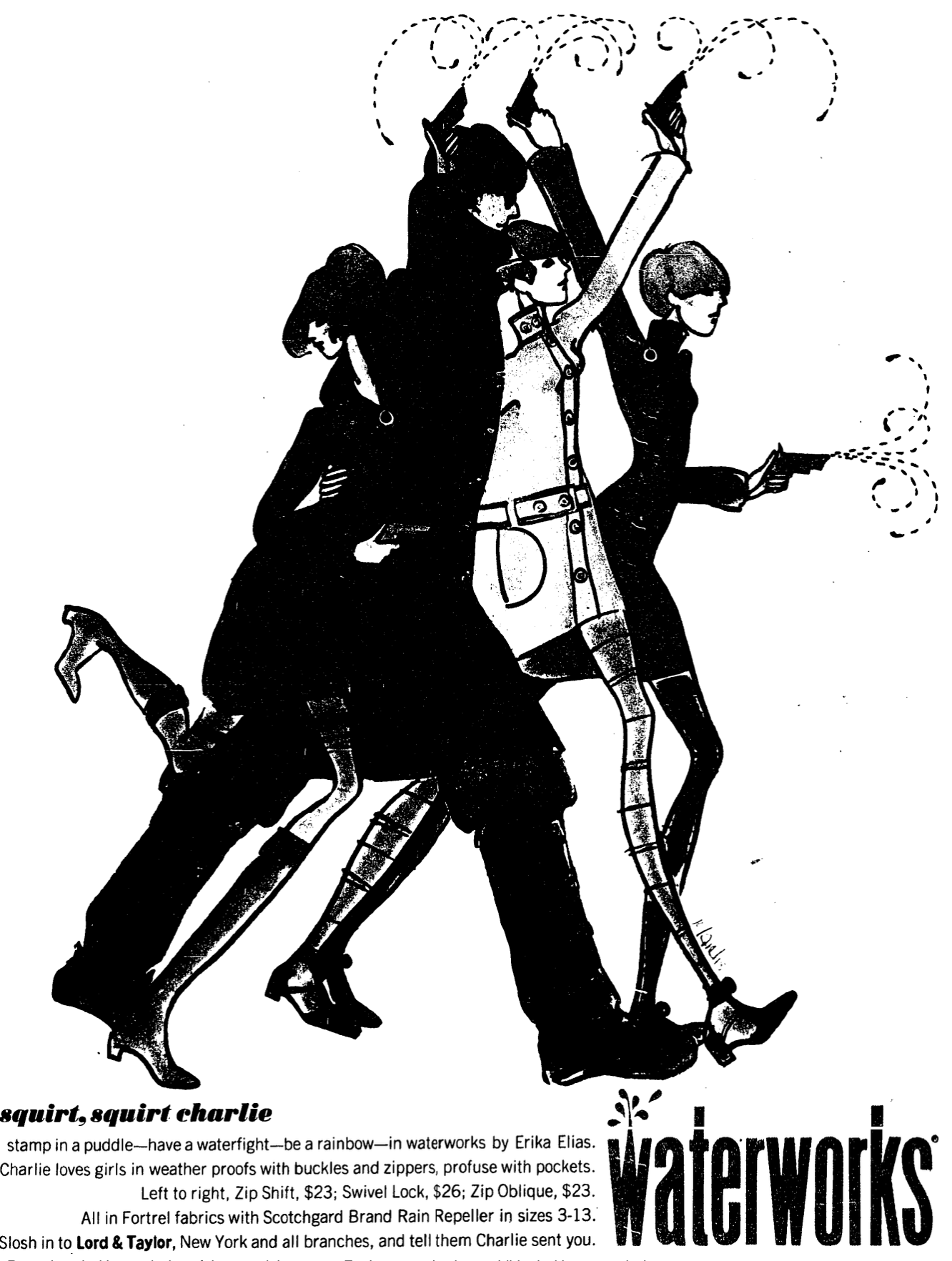
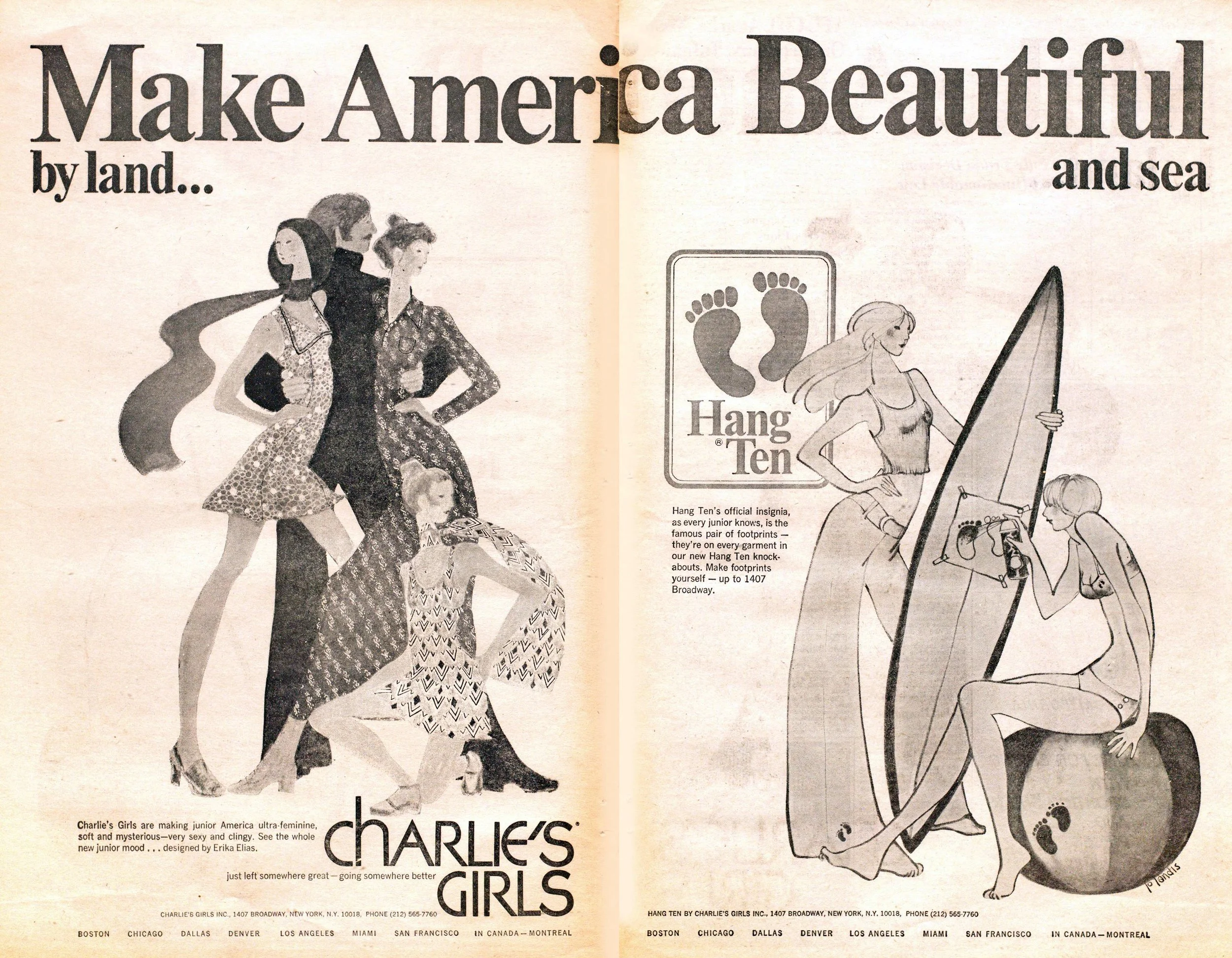
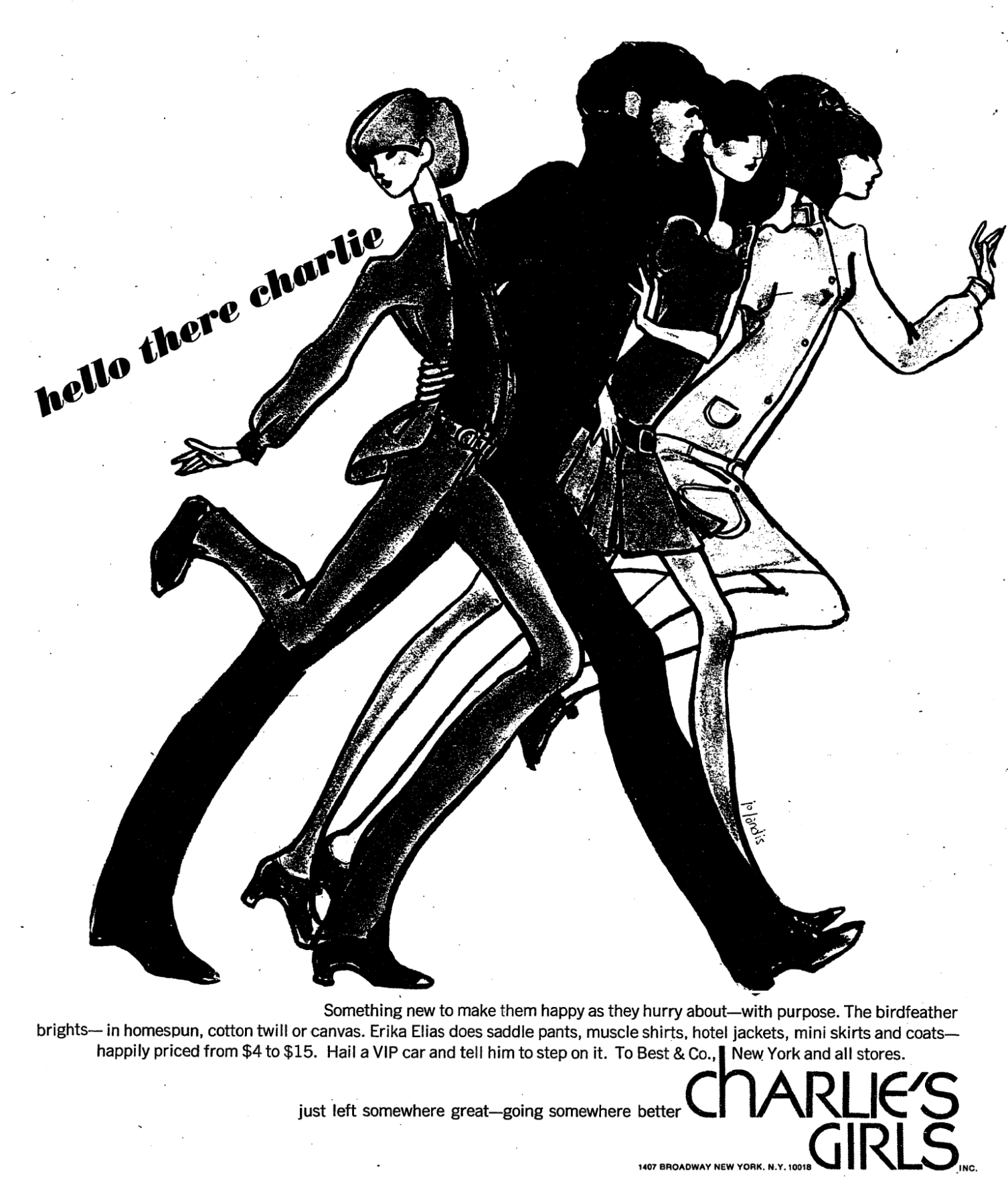
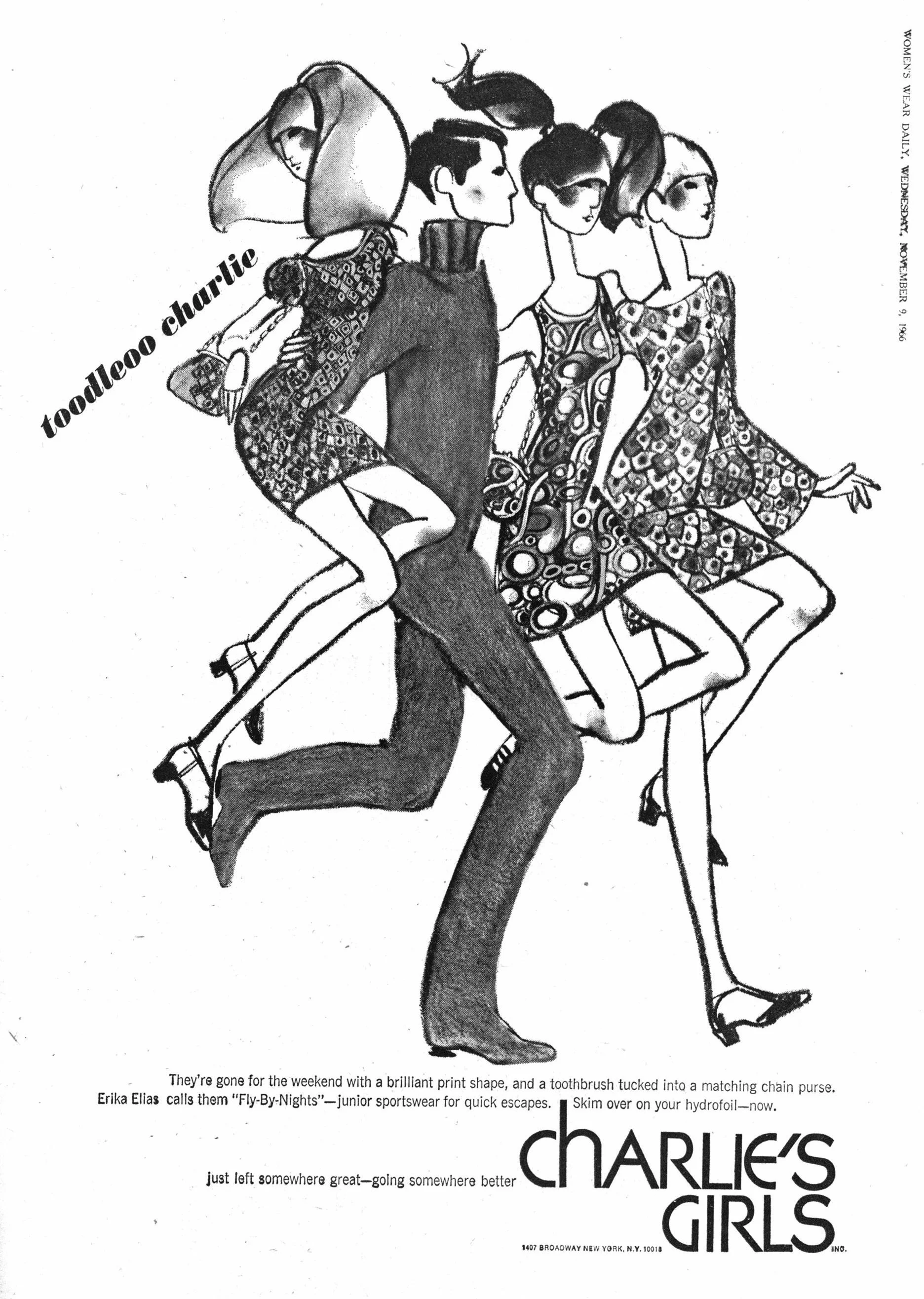
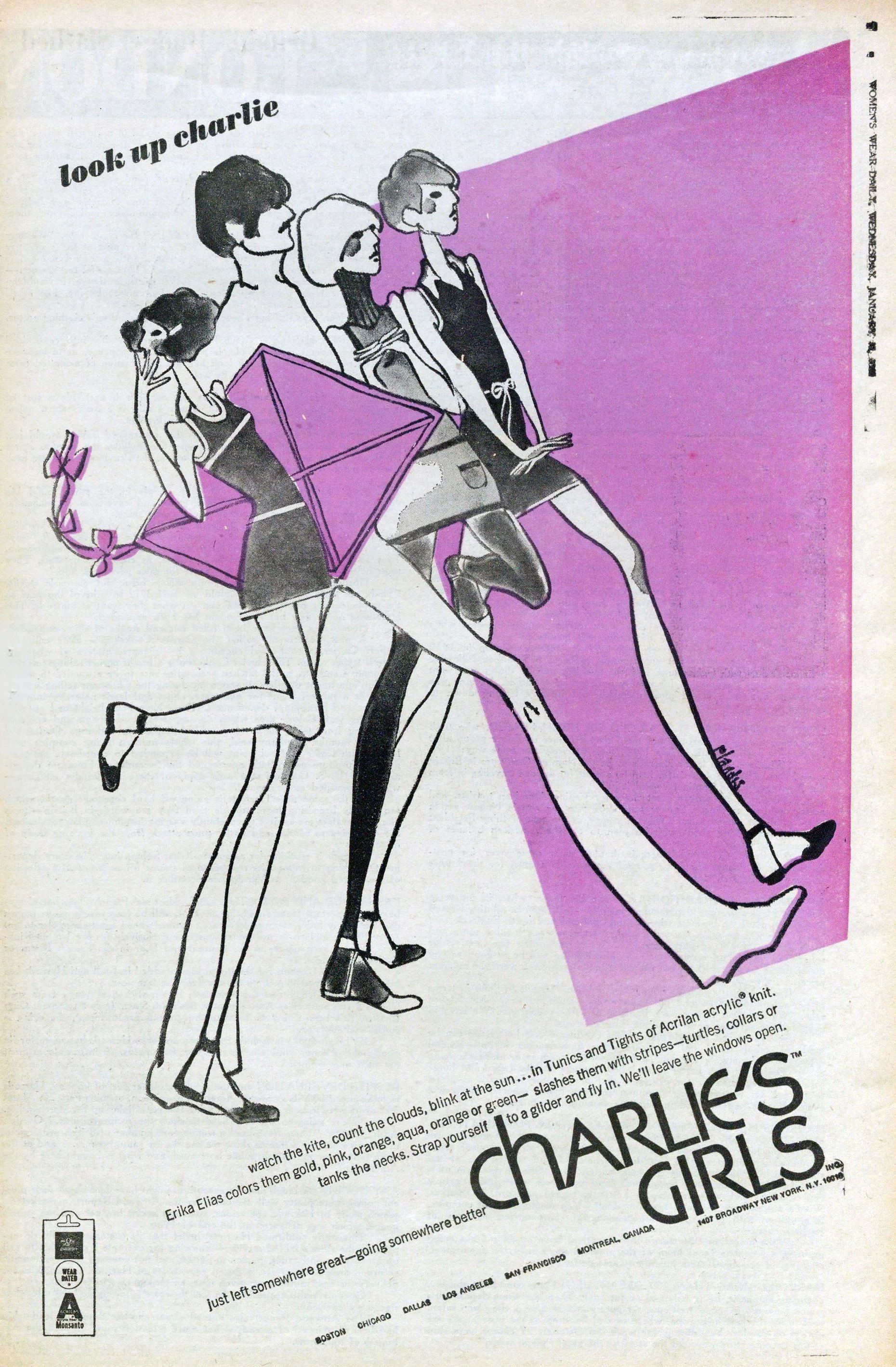
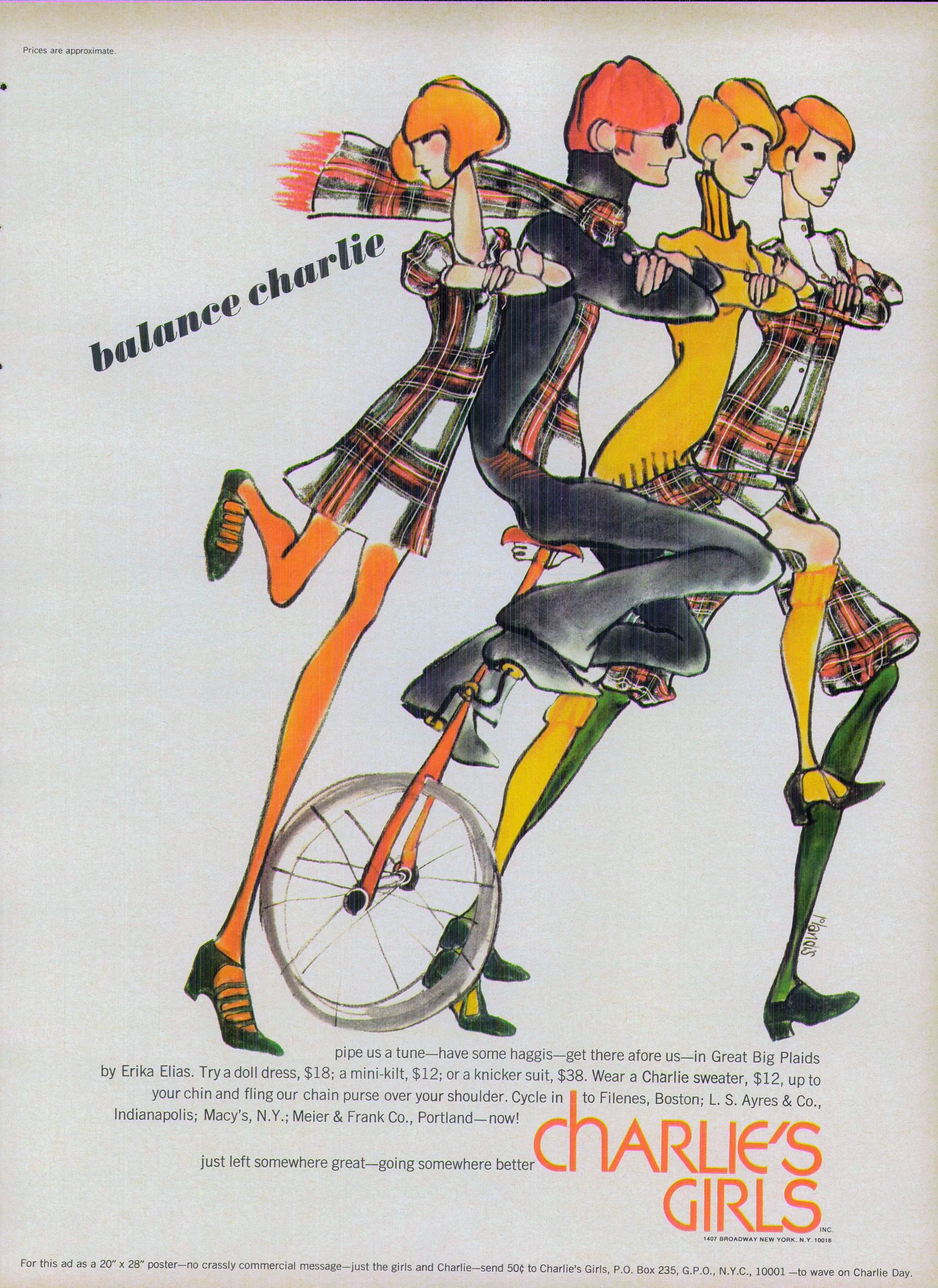
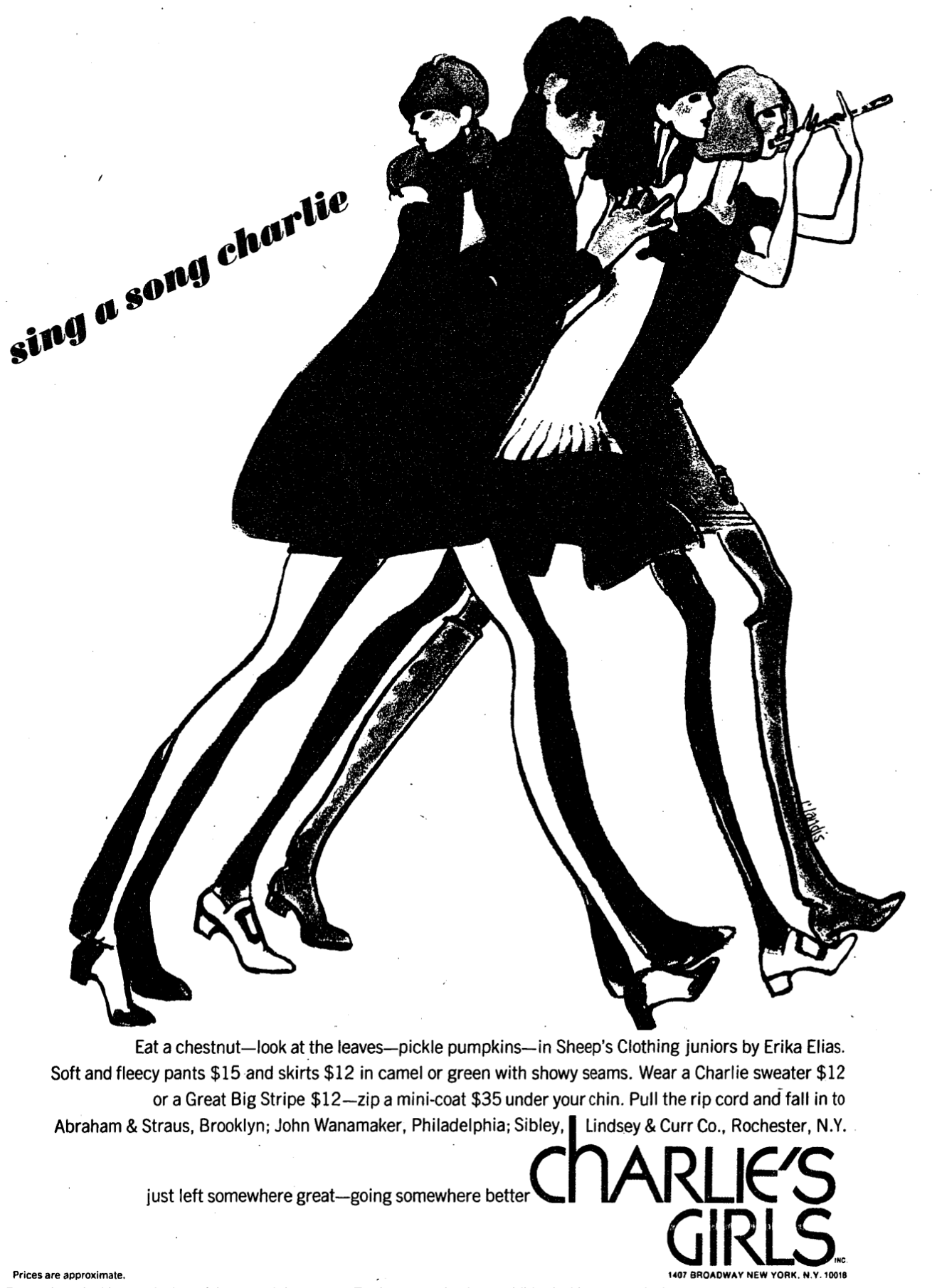
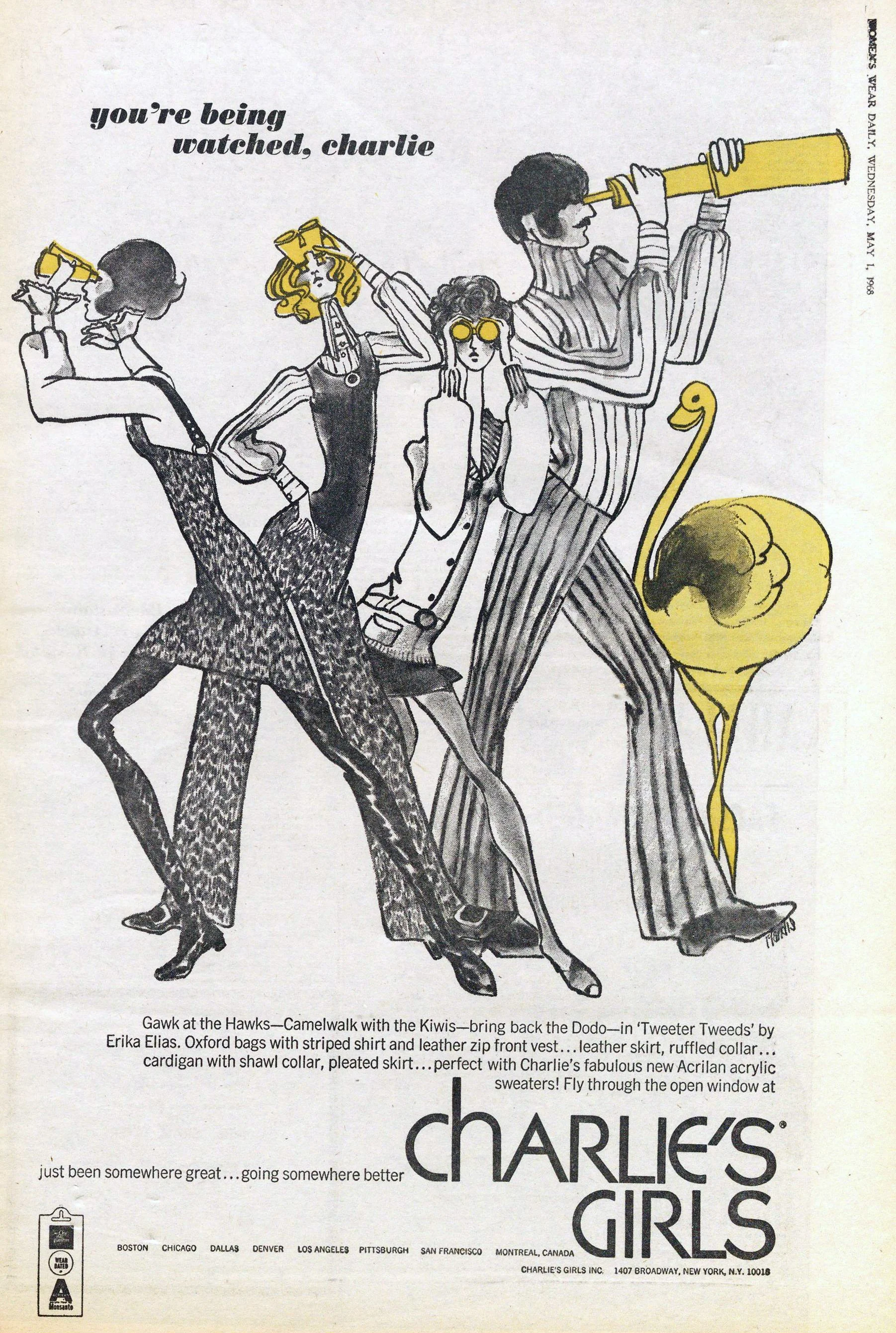
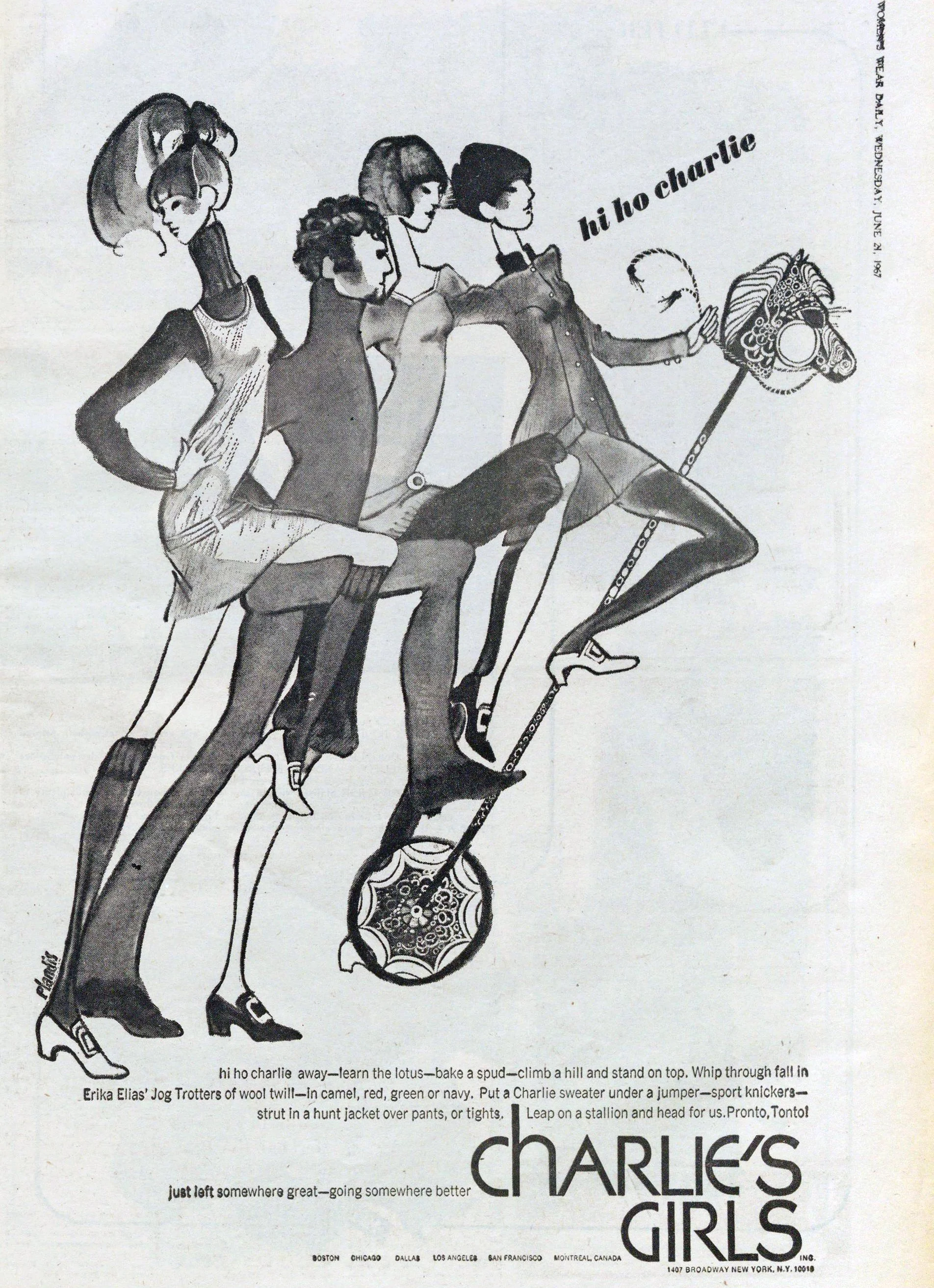
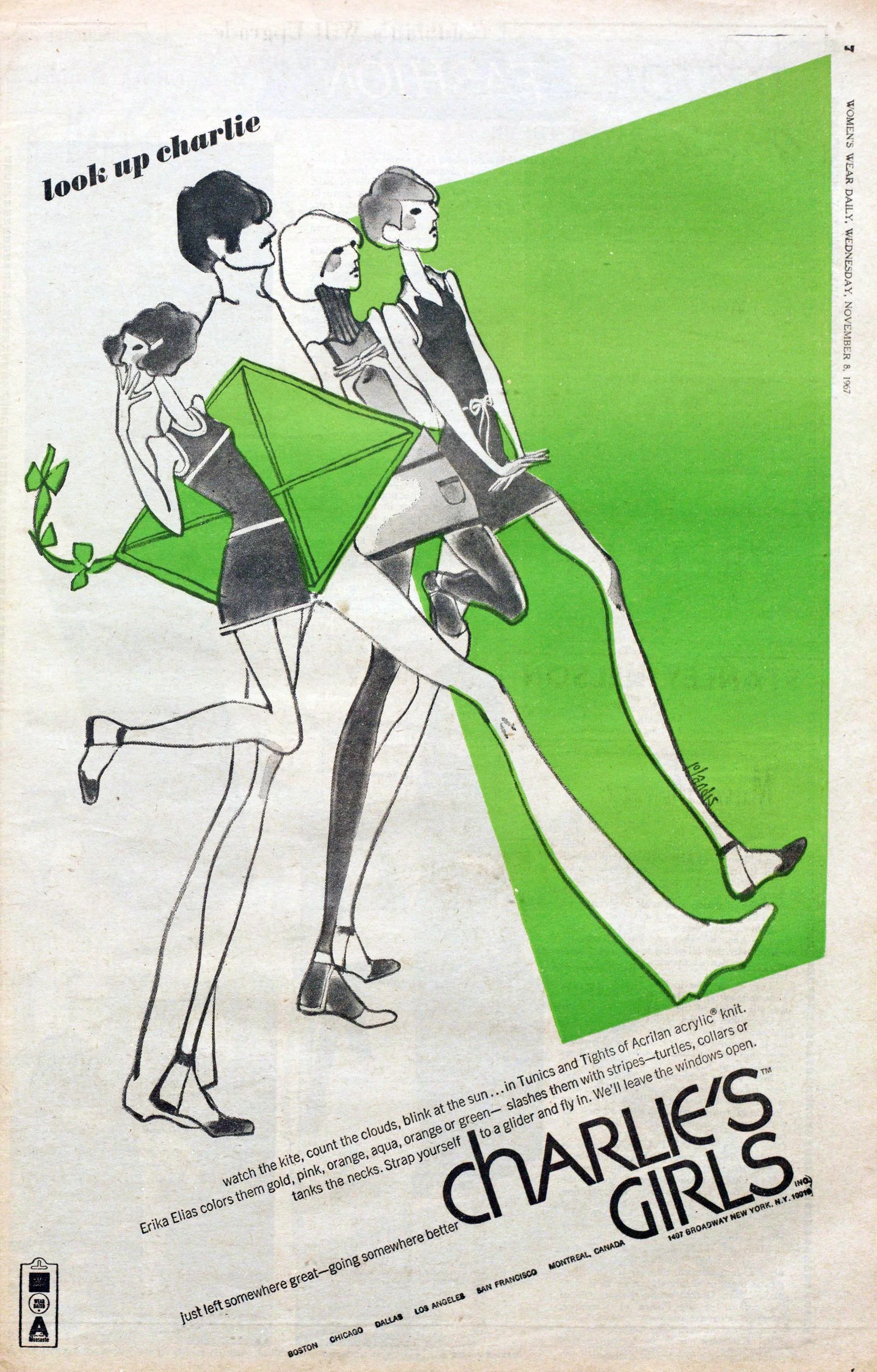
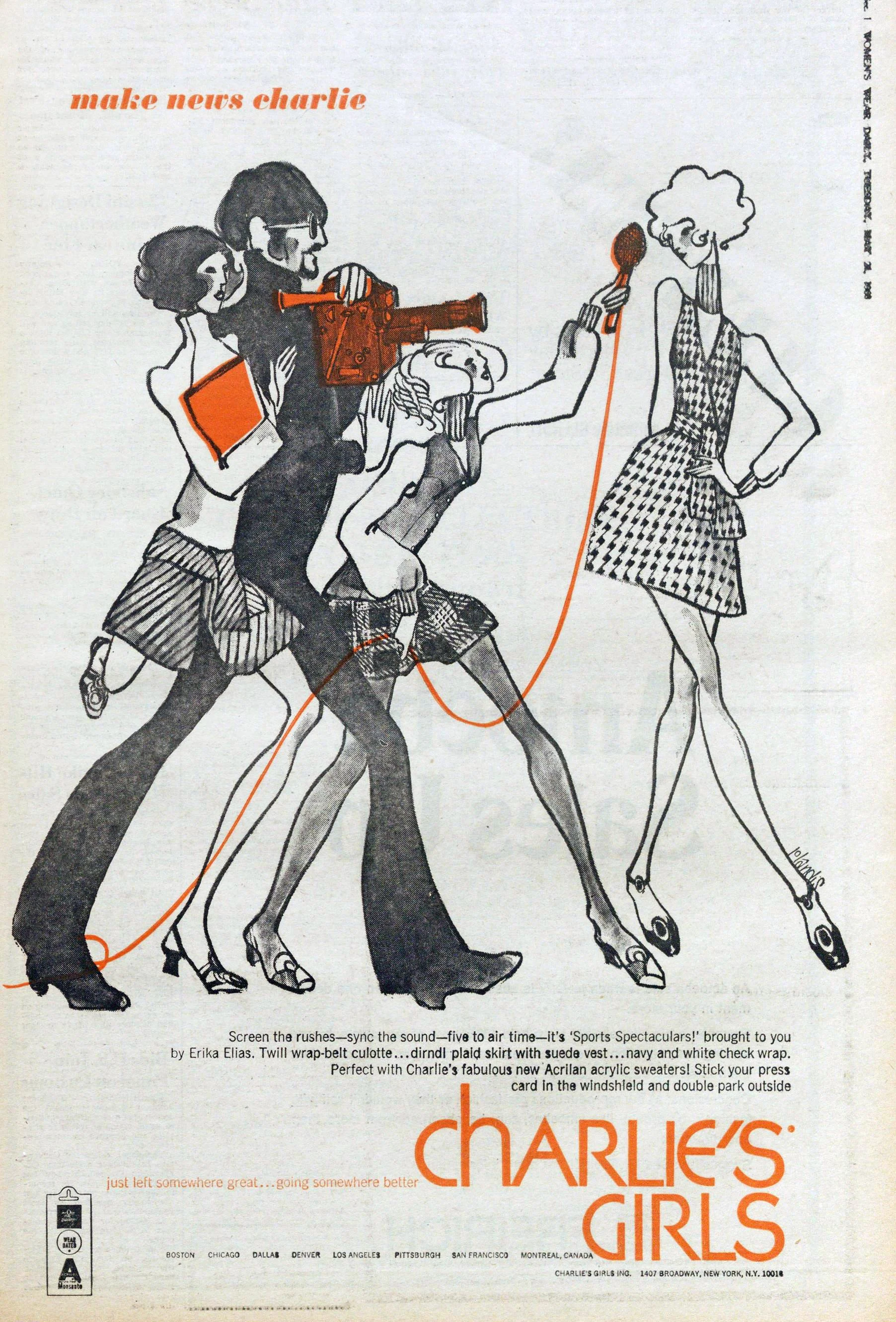
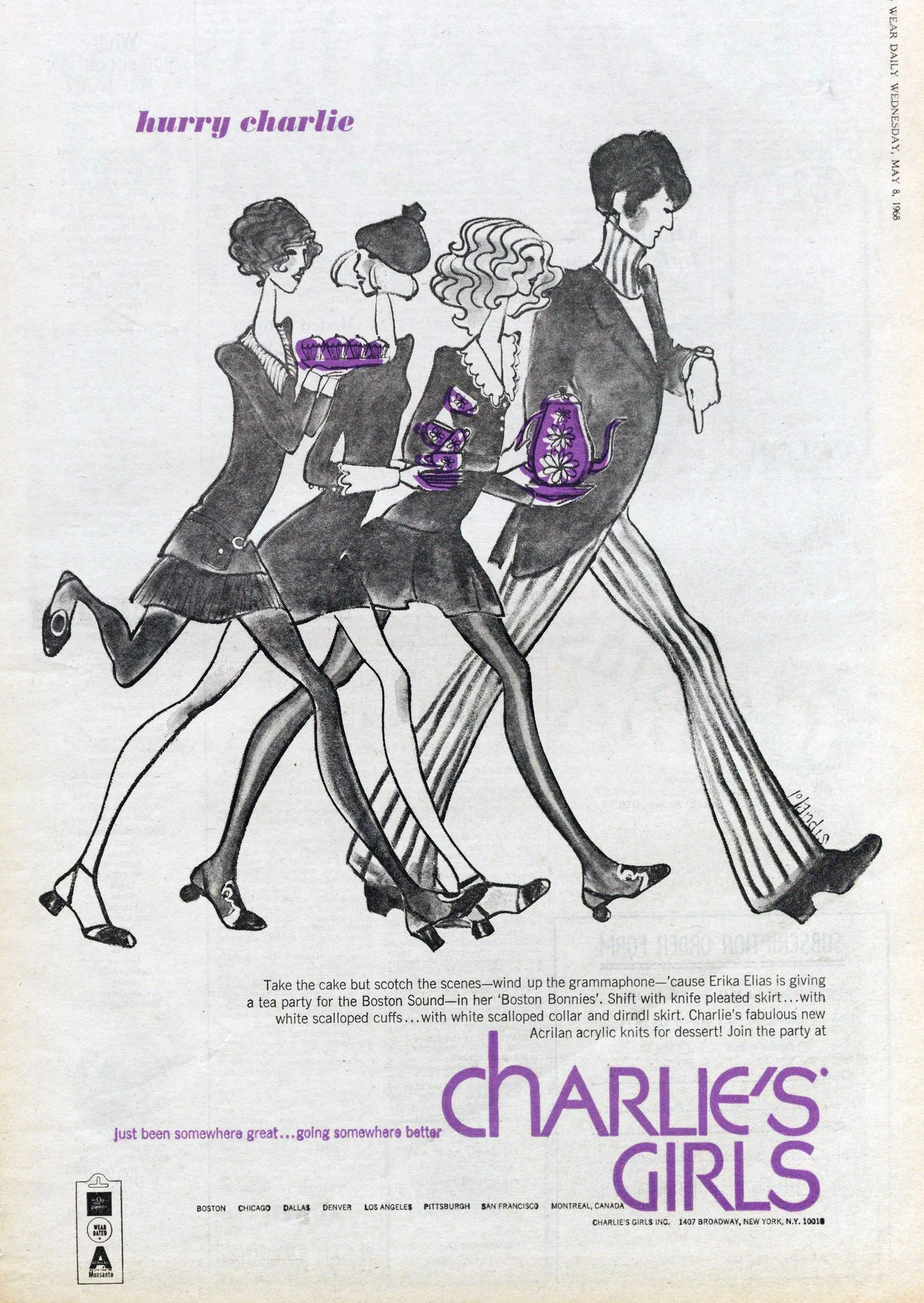
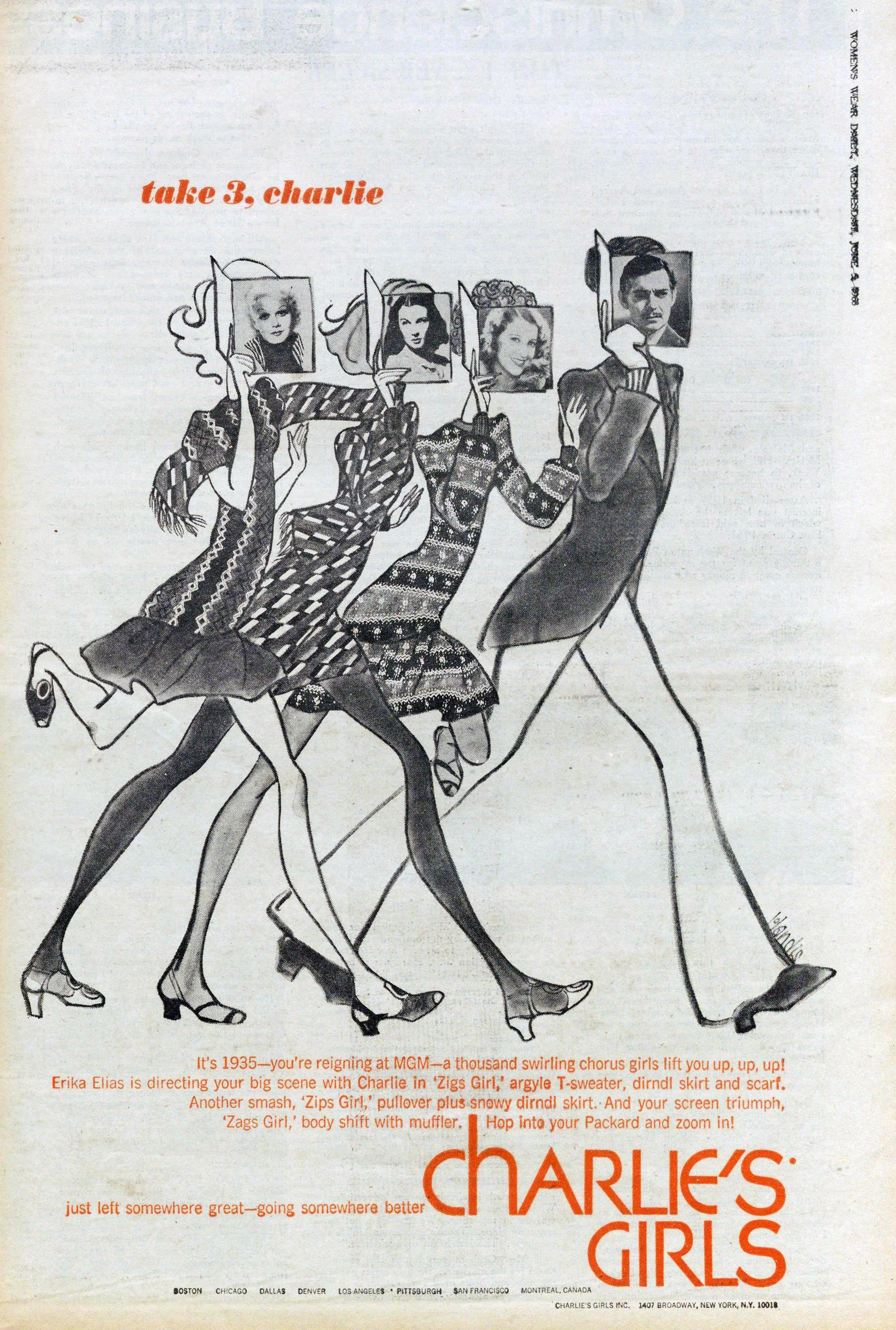
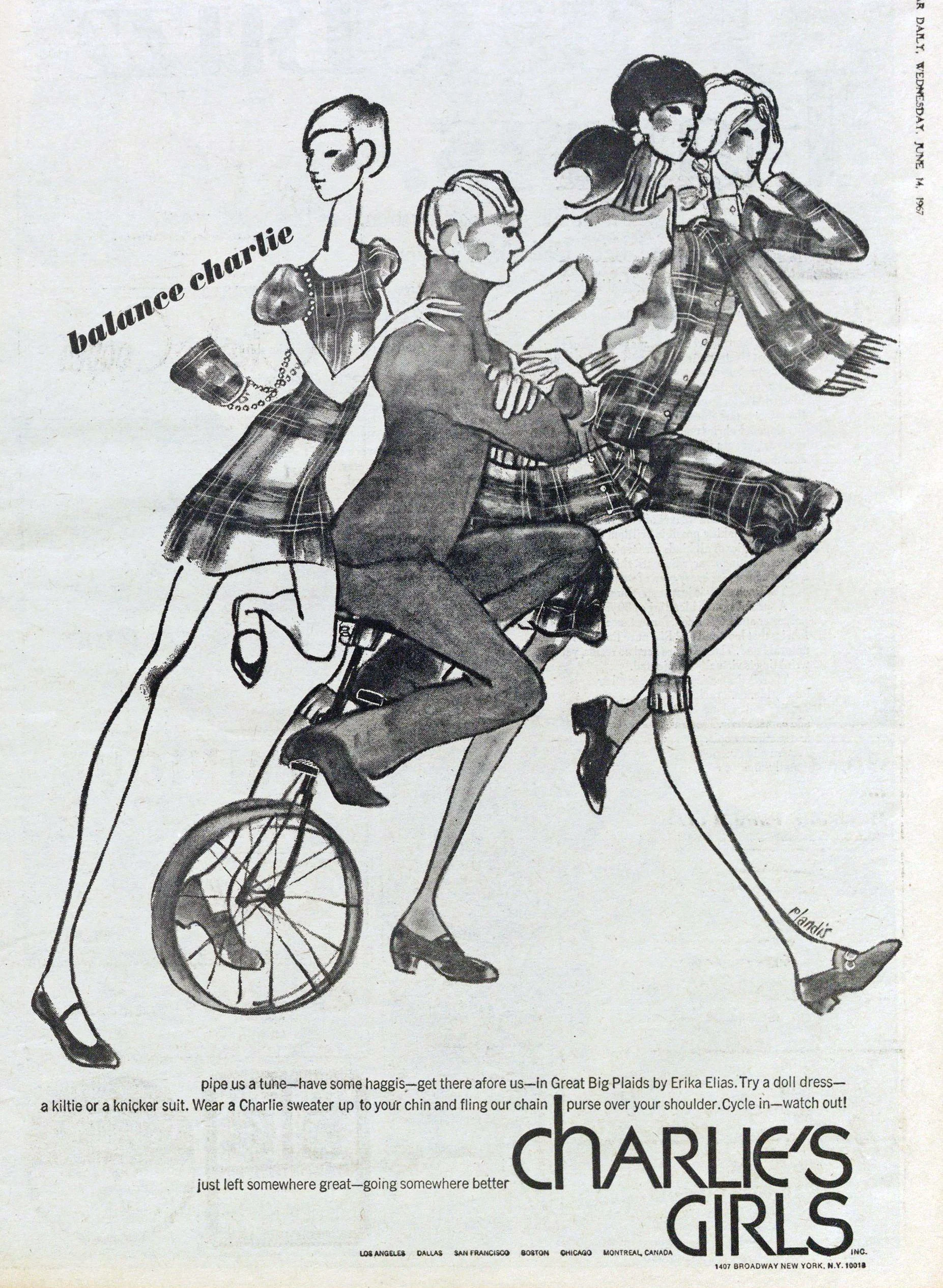
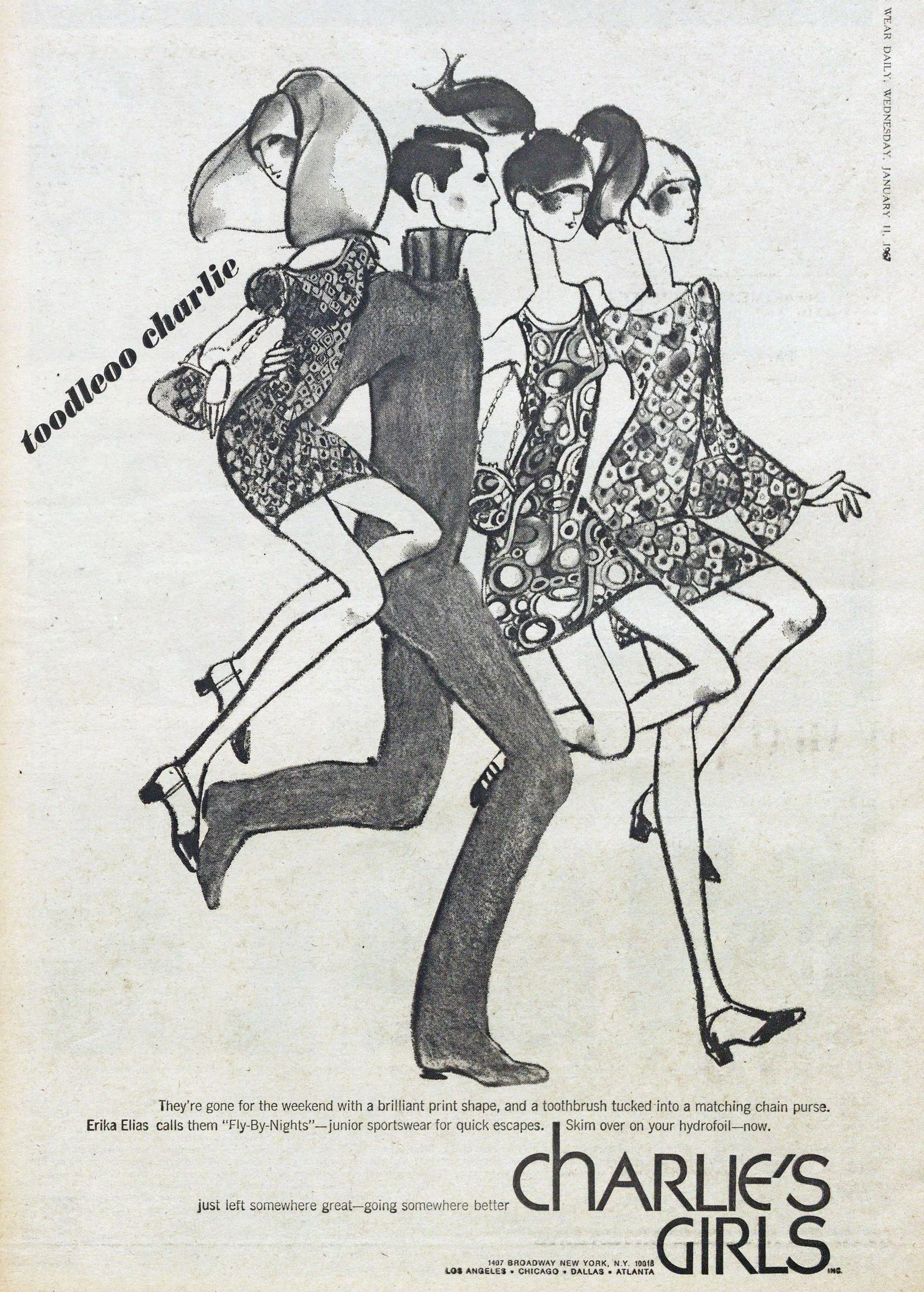
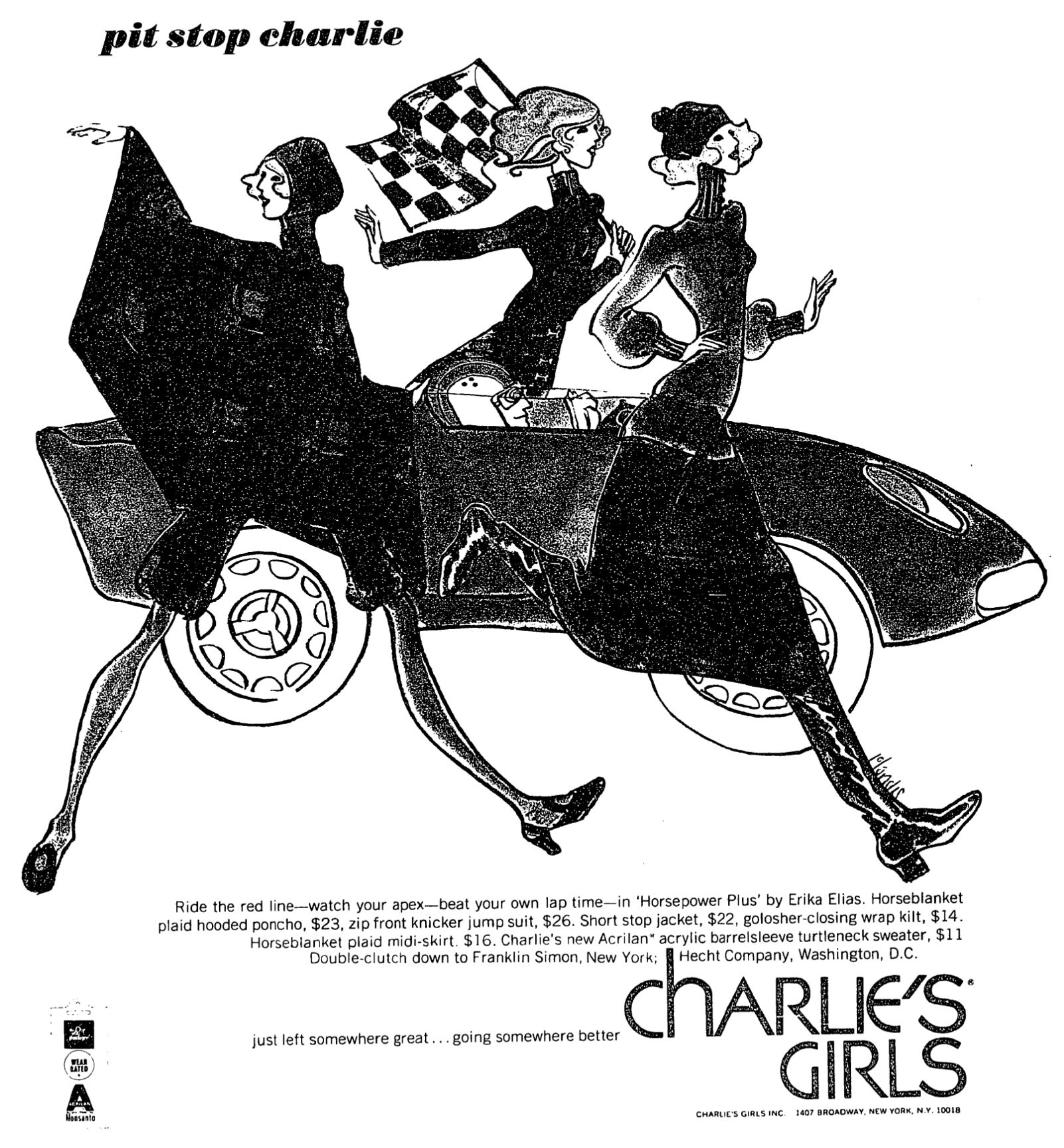
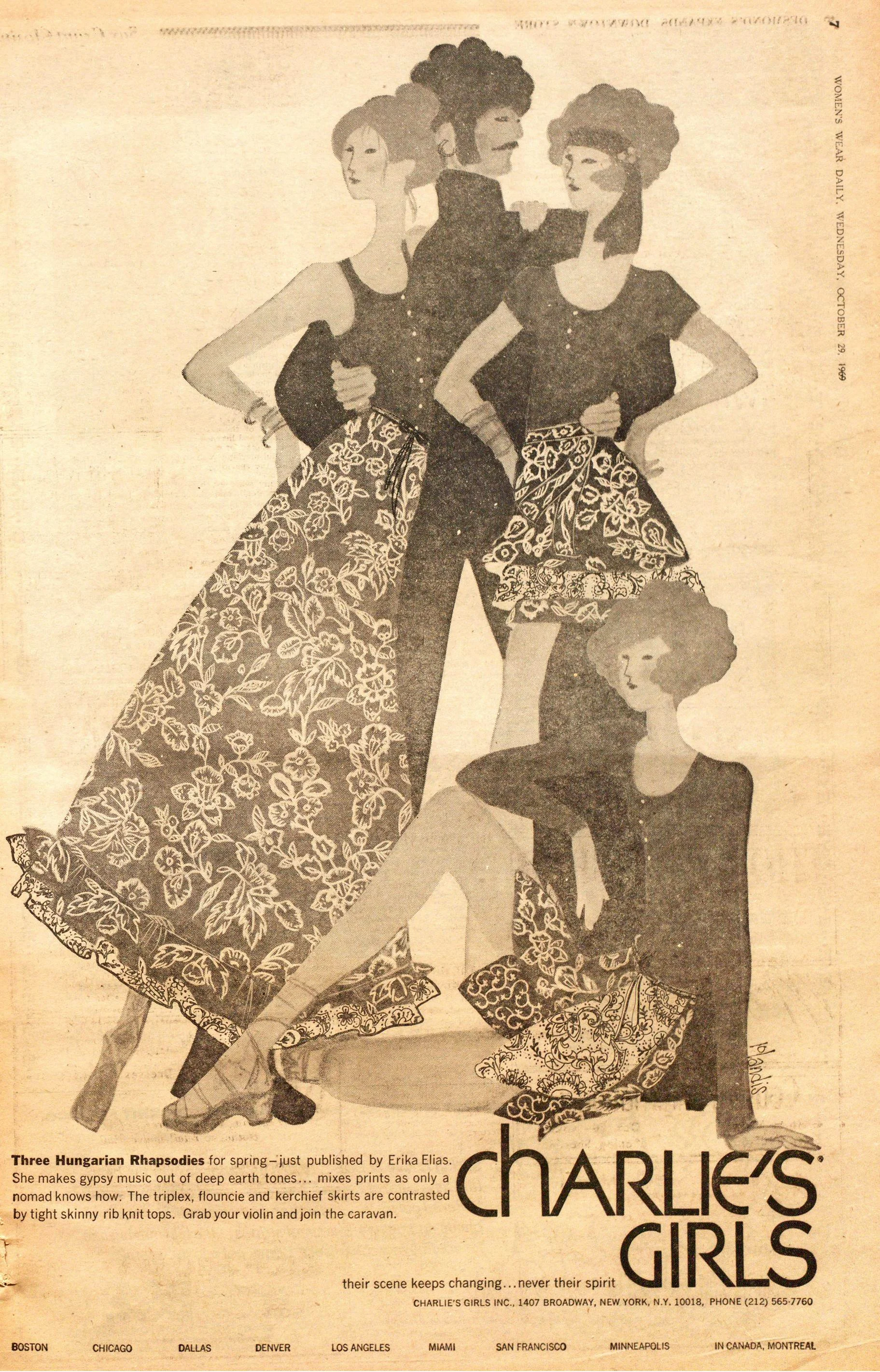
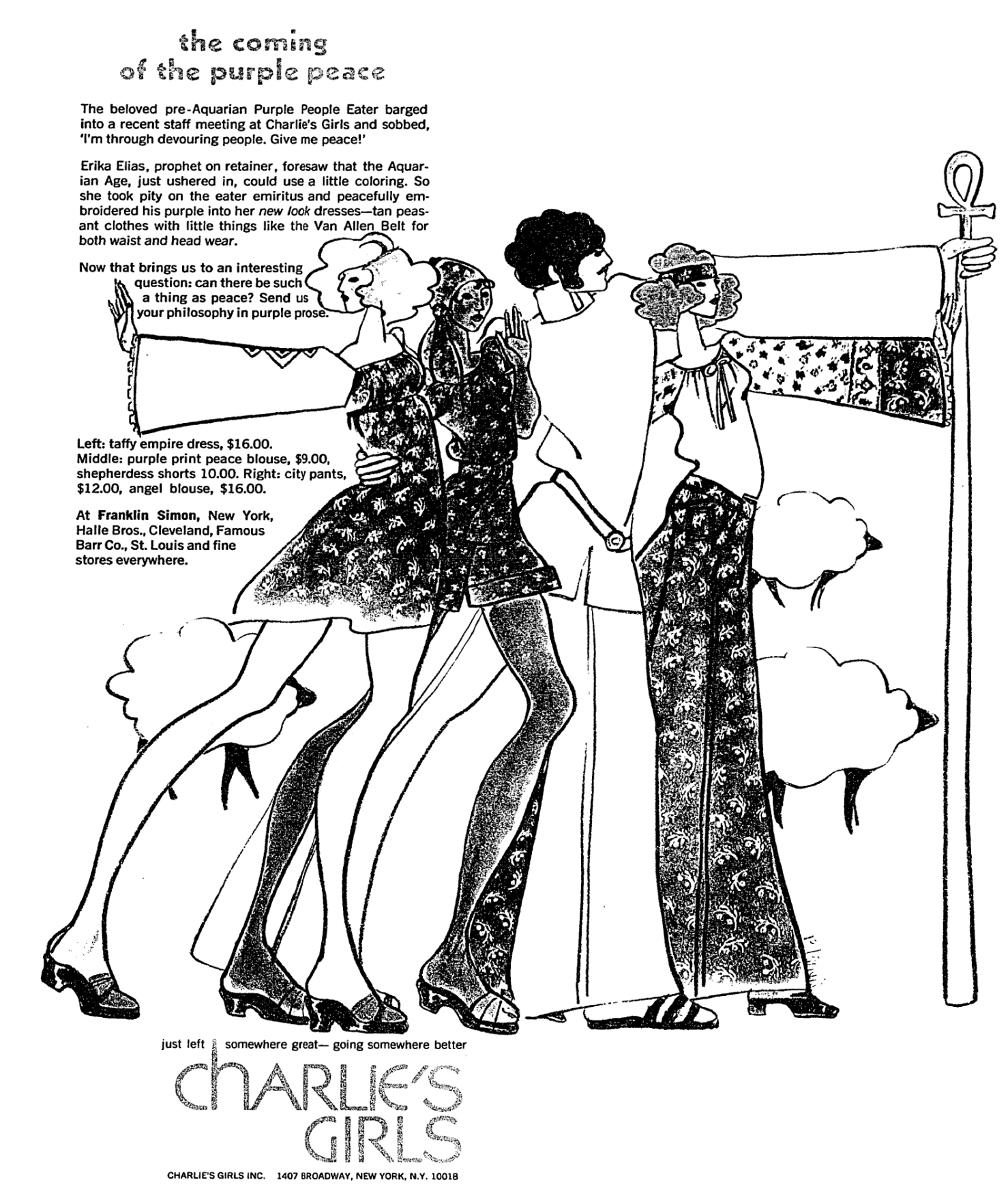
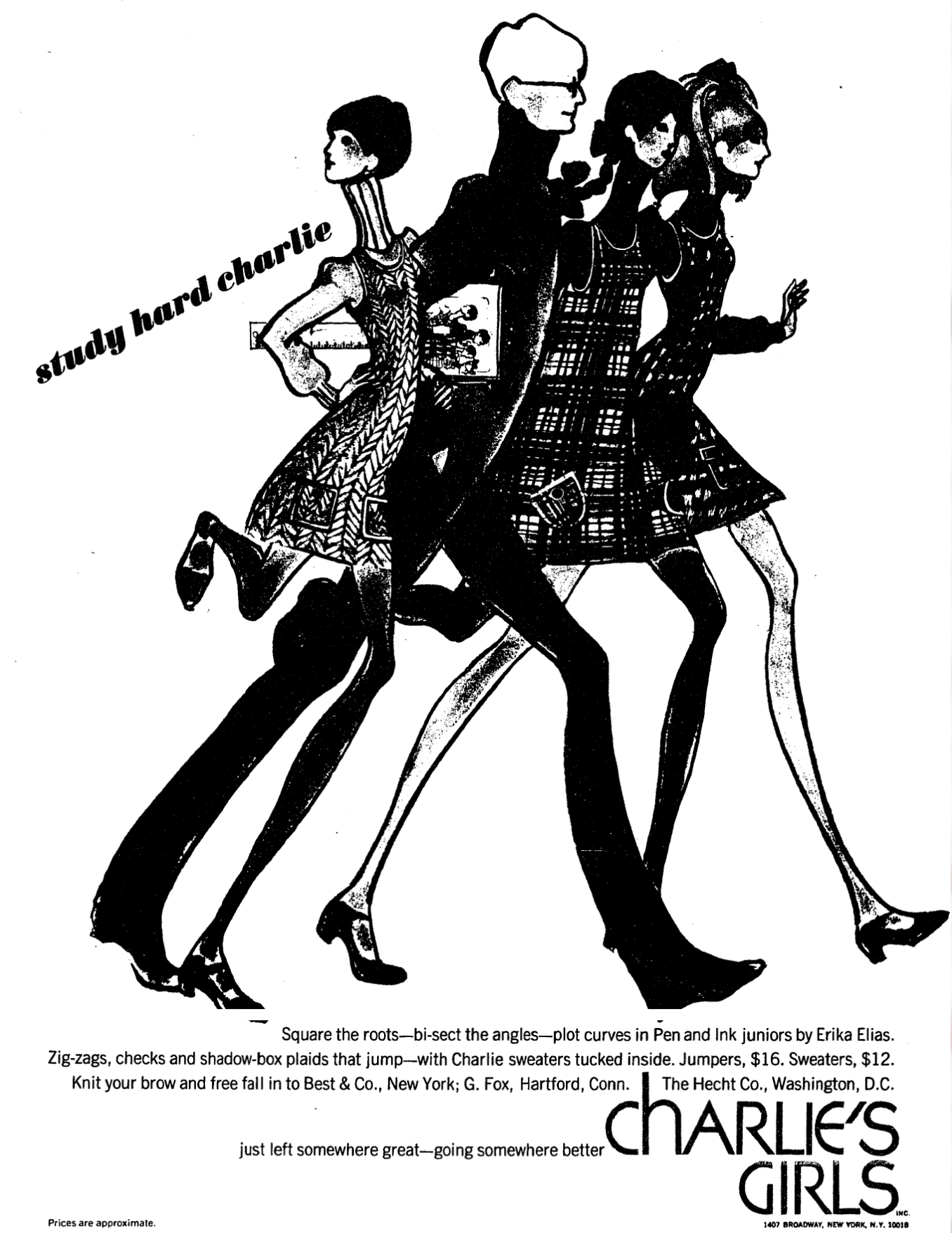
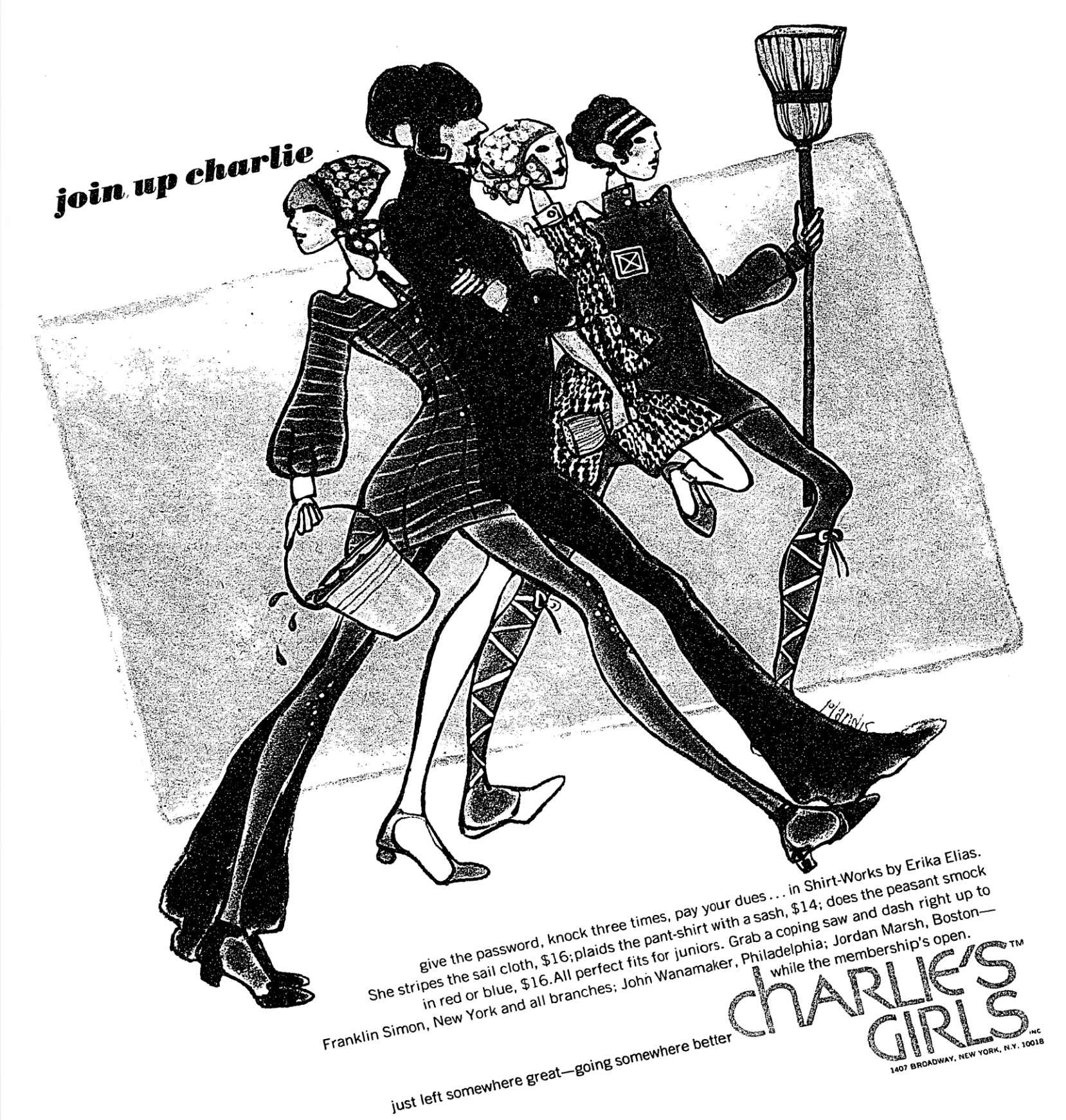
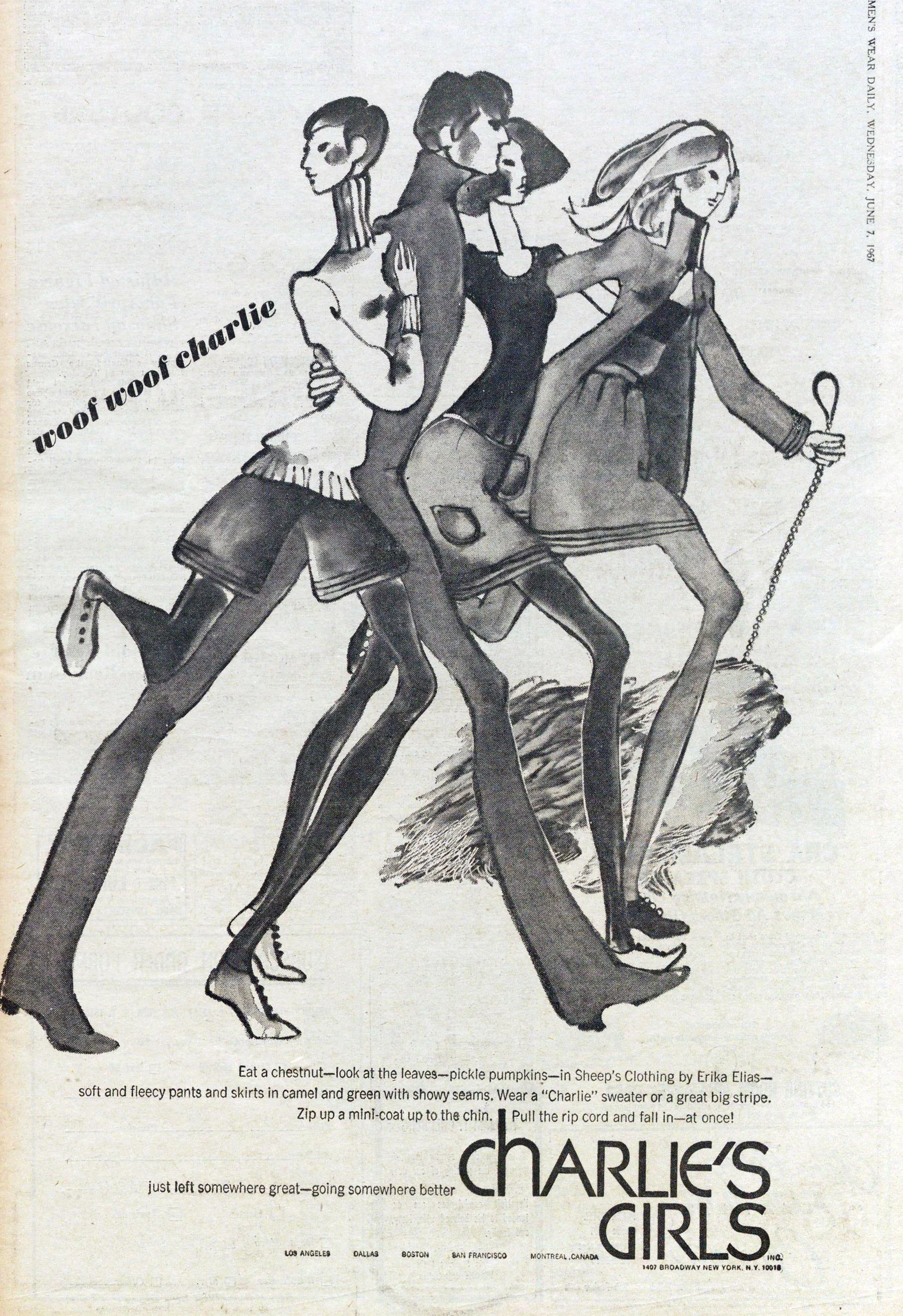
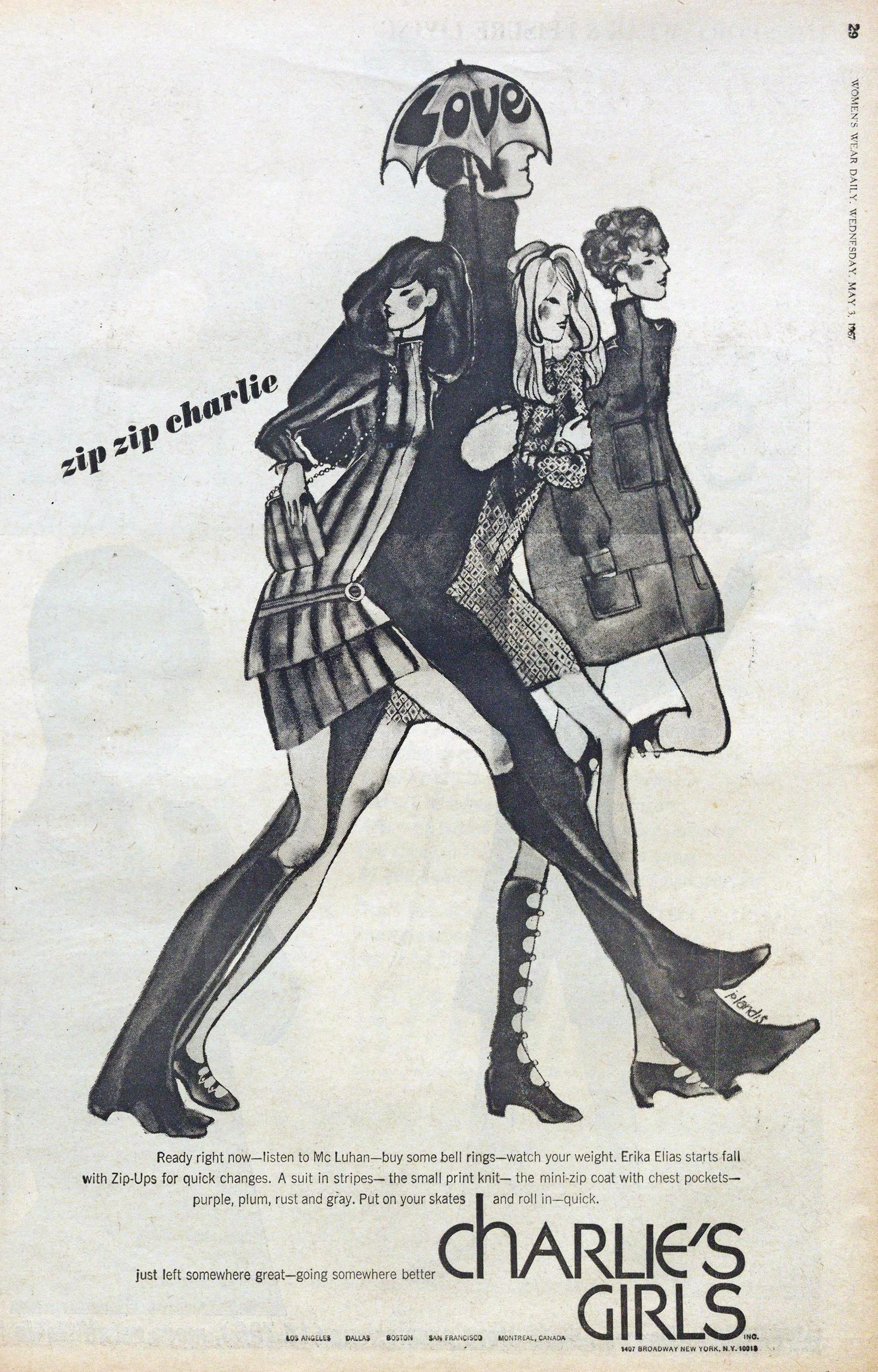
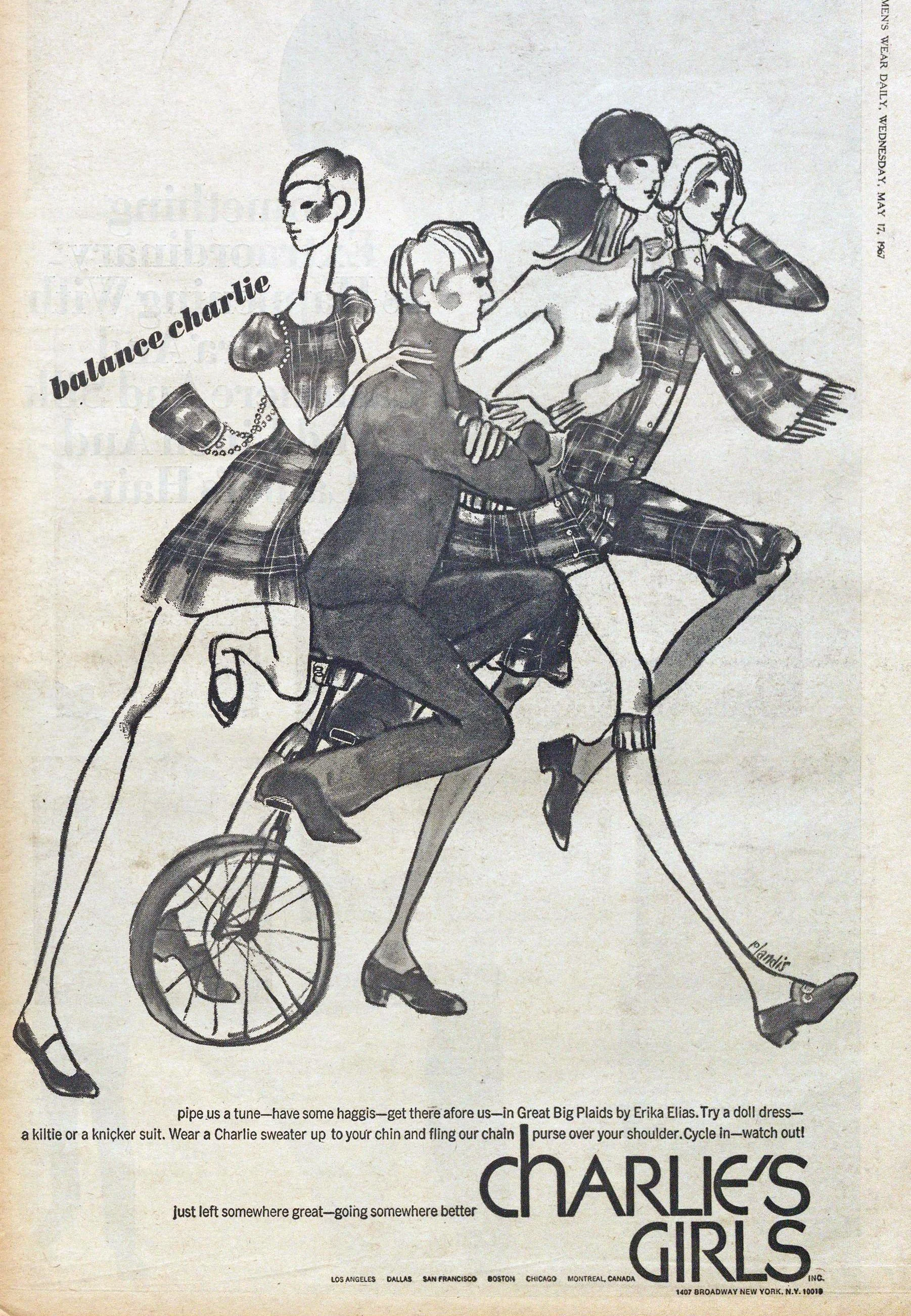
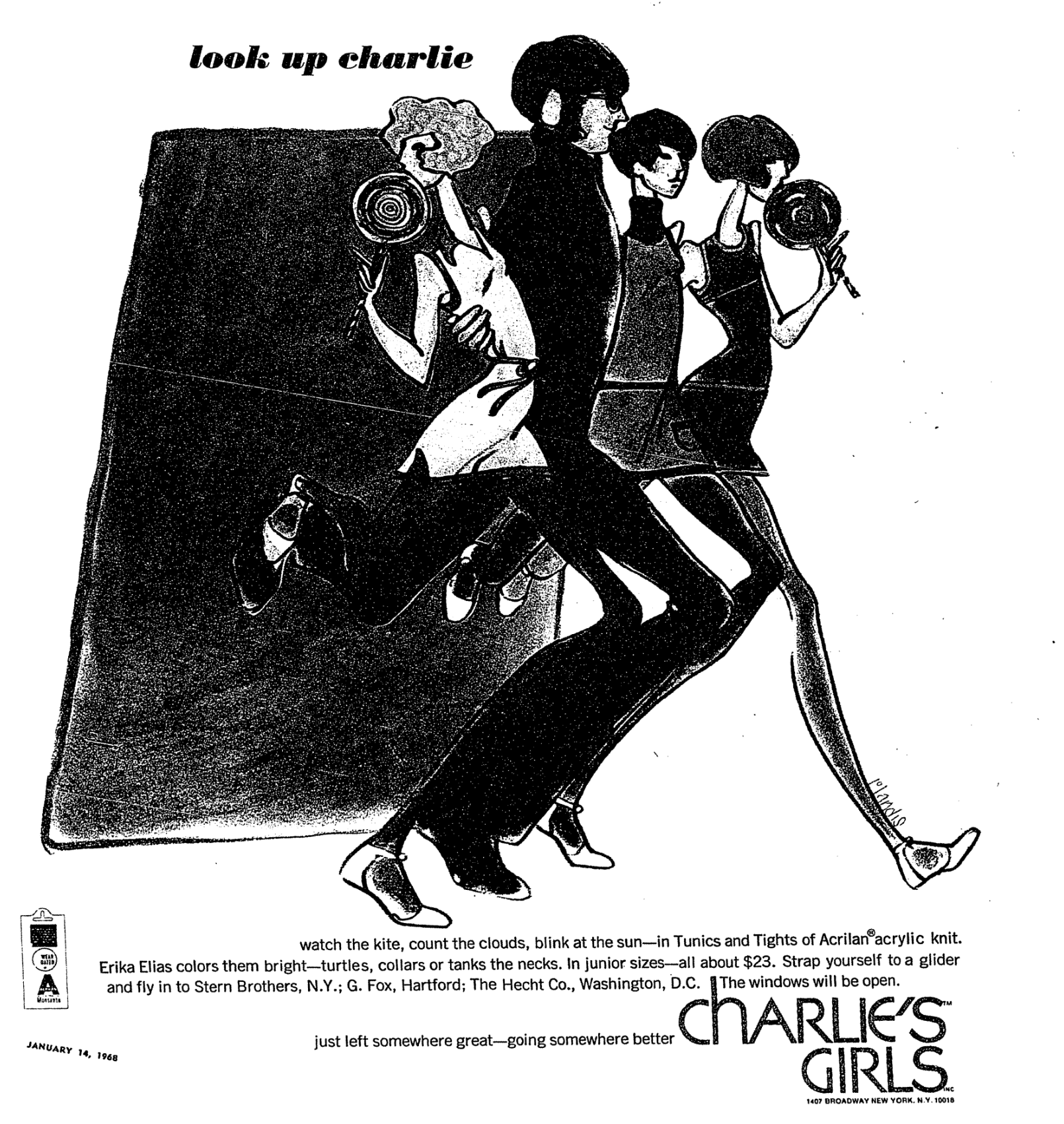
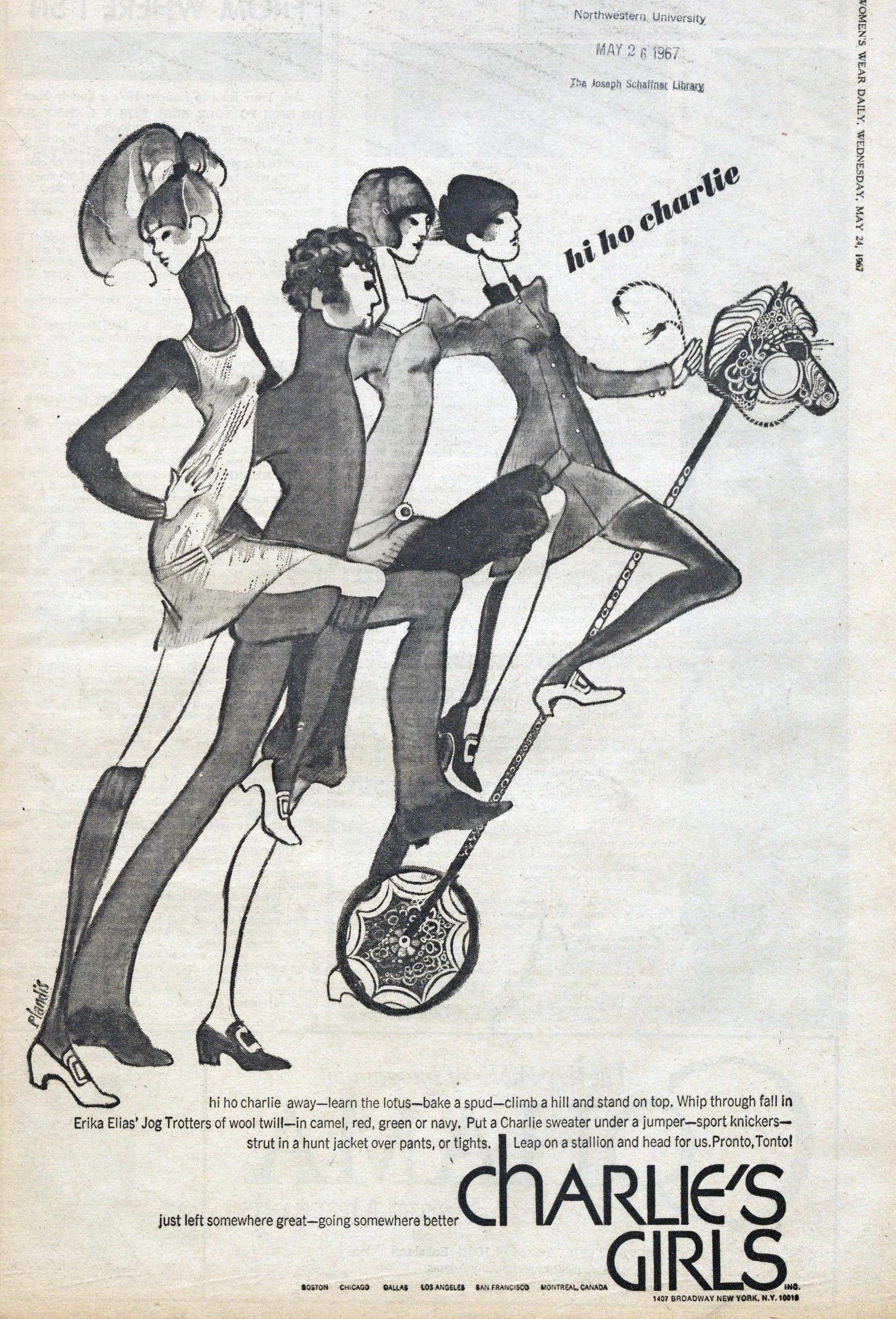
From the start, Erika was in tune with youth culture—she was able to take what was going on in the street, first with the burgeoning youth movement and then with the nascent counterculture, and translate it for the mass market with clothes that were affordable, easy to produce, yet still fashionable and cool. She moved around a bit in the mid-60s, working for juniors’ labels like Weeds and Petti—even designing a children’s line—before she was brought in by Monsanto to start Charlie's Girls, named after the musical, Charlie Girl. The purpose of Charlie’s Girls was always fun clothes at a good price point. “Charlie’s Girls Inc. Designed by Erika Elias” soon became the coolest label in town, reinforced through an evocative ad campaign illustrated by Joann Landis with a groovy cartoon man, the inimitable “Charlie,” out and about with three very stylish girls in the latest Elias looks (“Charlie is a mythical character who represents the groovy guy this type of chick wants to be associated with. He changes from season to season in our ads. He's been a rock star, guru, movie star, cowboy, astrology freak, writer, and race car driver.”) One of the first items they launched, in the fall of 1966—a dress with an attached coin purse on a chain, priced at $15—sold over 100,000 pieces, proving that Elias had a keen understanding of what was going to be the “it look” of the season.
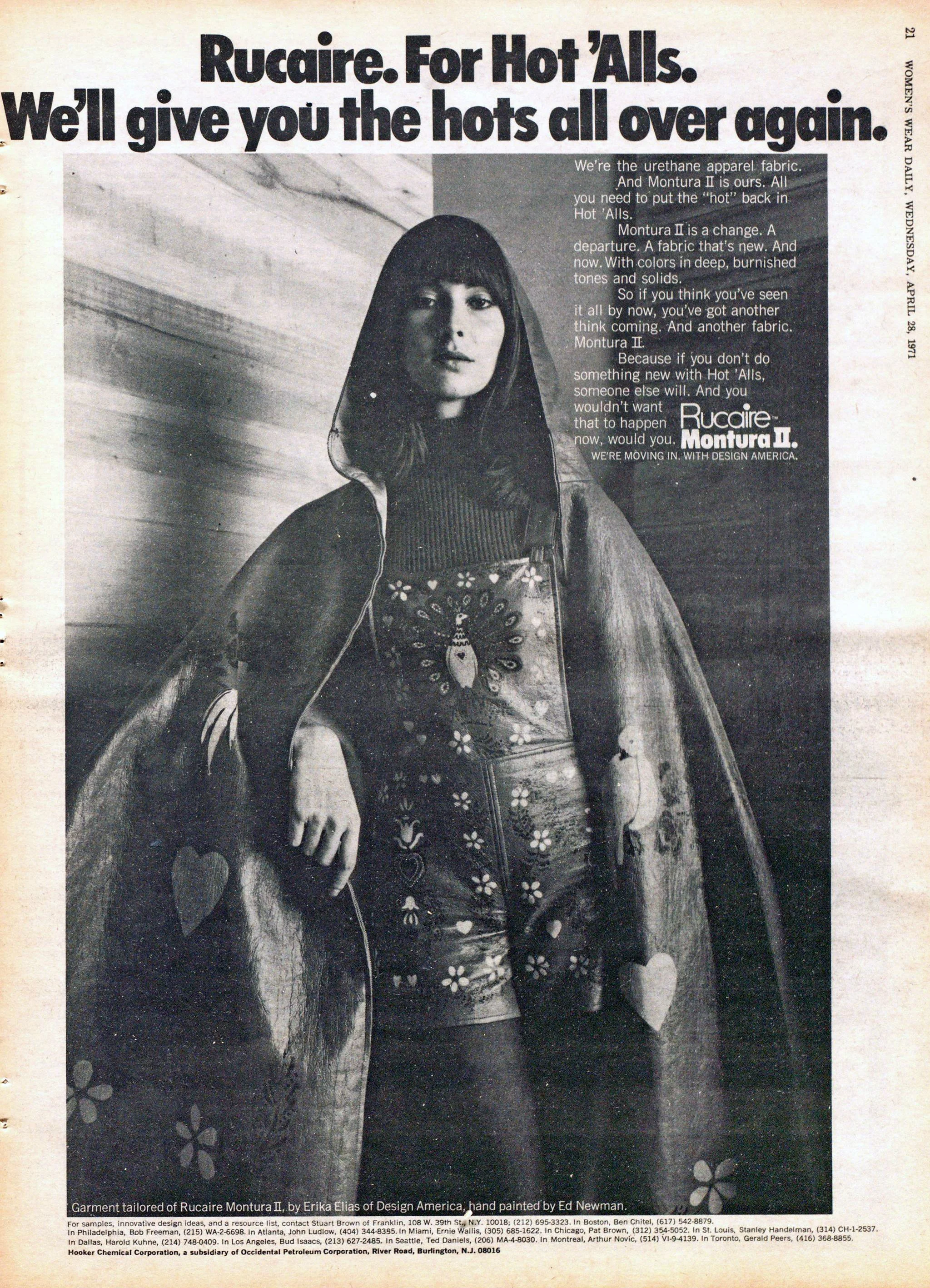
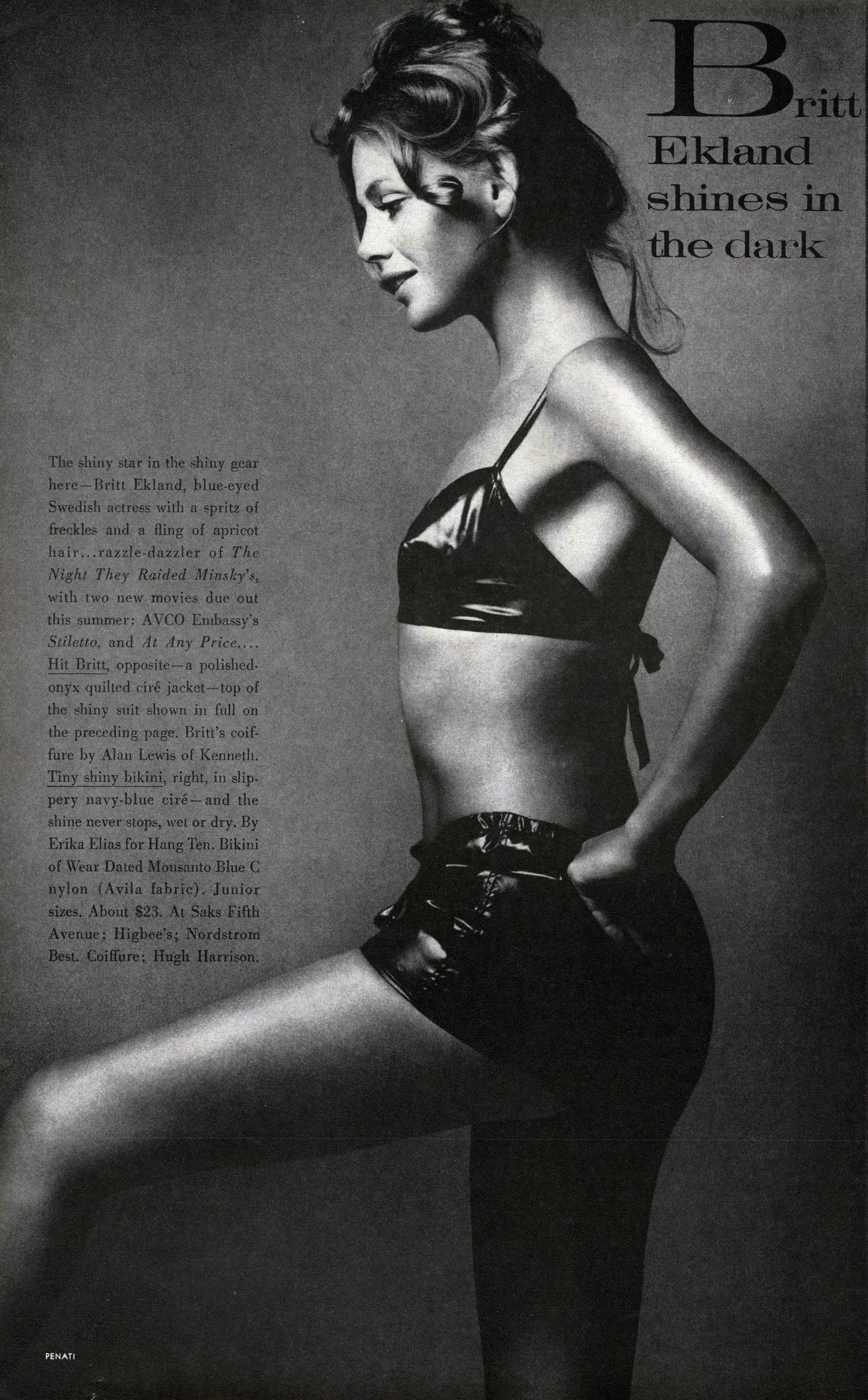
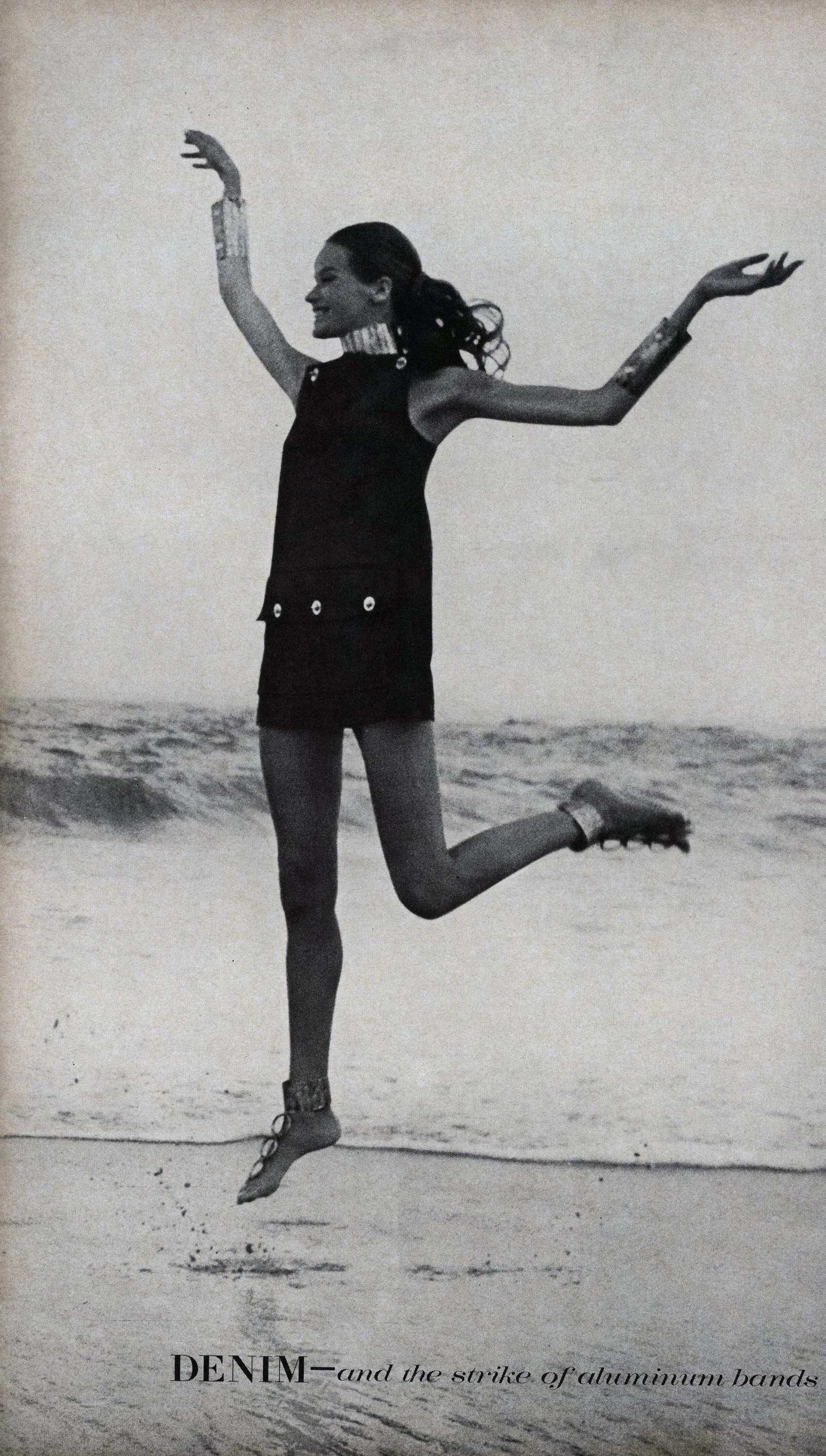
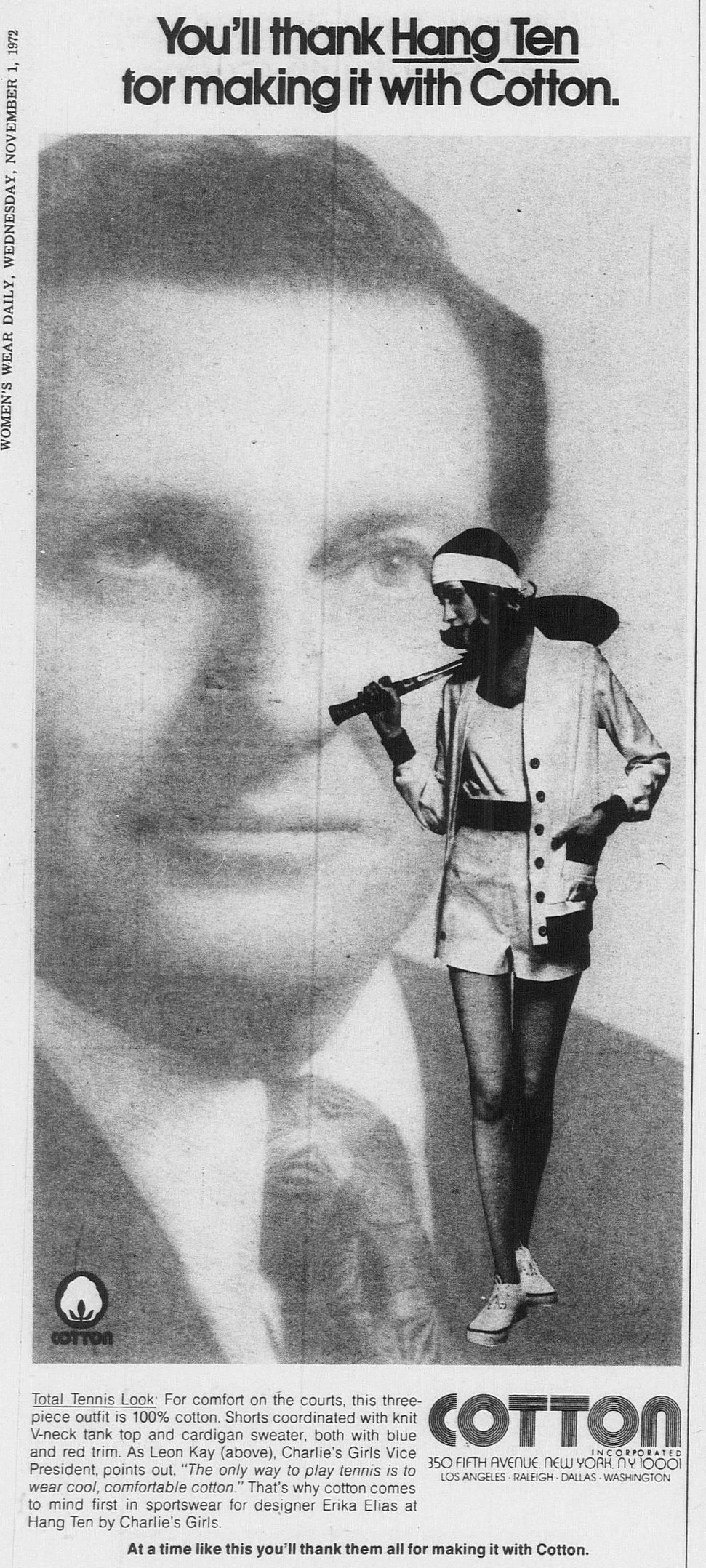
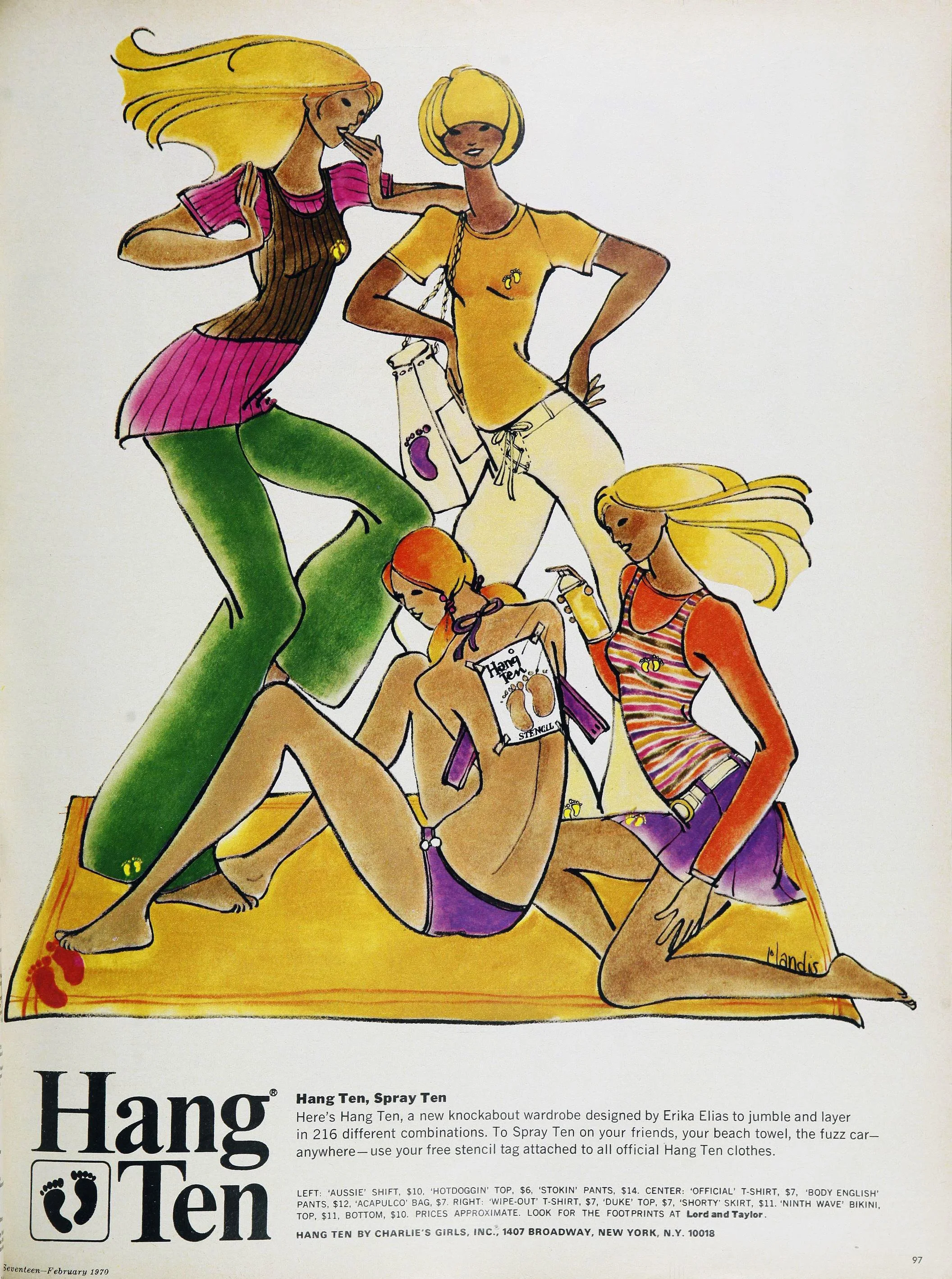
As we discuss in this conversation, she was constantly traveling, constantly looking at the street—always curious, always paying attention. When she saw that young surfer girls were wearing their boyfriend’s Hang Ten surfer gear, she met with the founder of the company and licensed the name, producing the first line of surf-inspired clothes for women. Other licenses, including for Dr. Seuss, followed as well as a rainwear line and a secondary line called Charlie’s Moustache—all for girls who were looking for “lighthearted, bright-spirit clothes in cute, funny shapes that make them laugh."Charlie’s Girls closed in 1974, after six years, when the owners attempted to secretly go to non-union factories and were caught by the union, resulting in massive fines. After that, Erika jumped around—designing for a number of different companies in different segments of the industry, including petites and plus-size, before retiring from design in 1988.
Unlike other designers of her era, she wasn’t out on the town—Erika was a true career woman. Her total focus was on designing and advancing her career at a time when that was unusual for a woman. It led to the dissolution of her first marriage, and likely a bit of disconnection in her second—she even told me, “I never should have gotten married.” You can hear the joy in her voice as she recalls her work; even now, Erika has a very good memory for the jobs, the slimy bosses, the ups and downs of the rag trade. It makes for a very fascinating conversation. If you really care about fashion, it's so much more than Chanel and Dior... It's about what people are wearing on the street, and many of Erika’s designs sold hundreds of thousands of units per garment. That's a lot of people out on the streets of America wearing her clothes. As that 1970 Rags article was titled, “Erika Elias has more fashion influence than anyone you’ve ever heard of.” Now, you can hear her story for the first time.
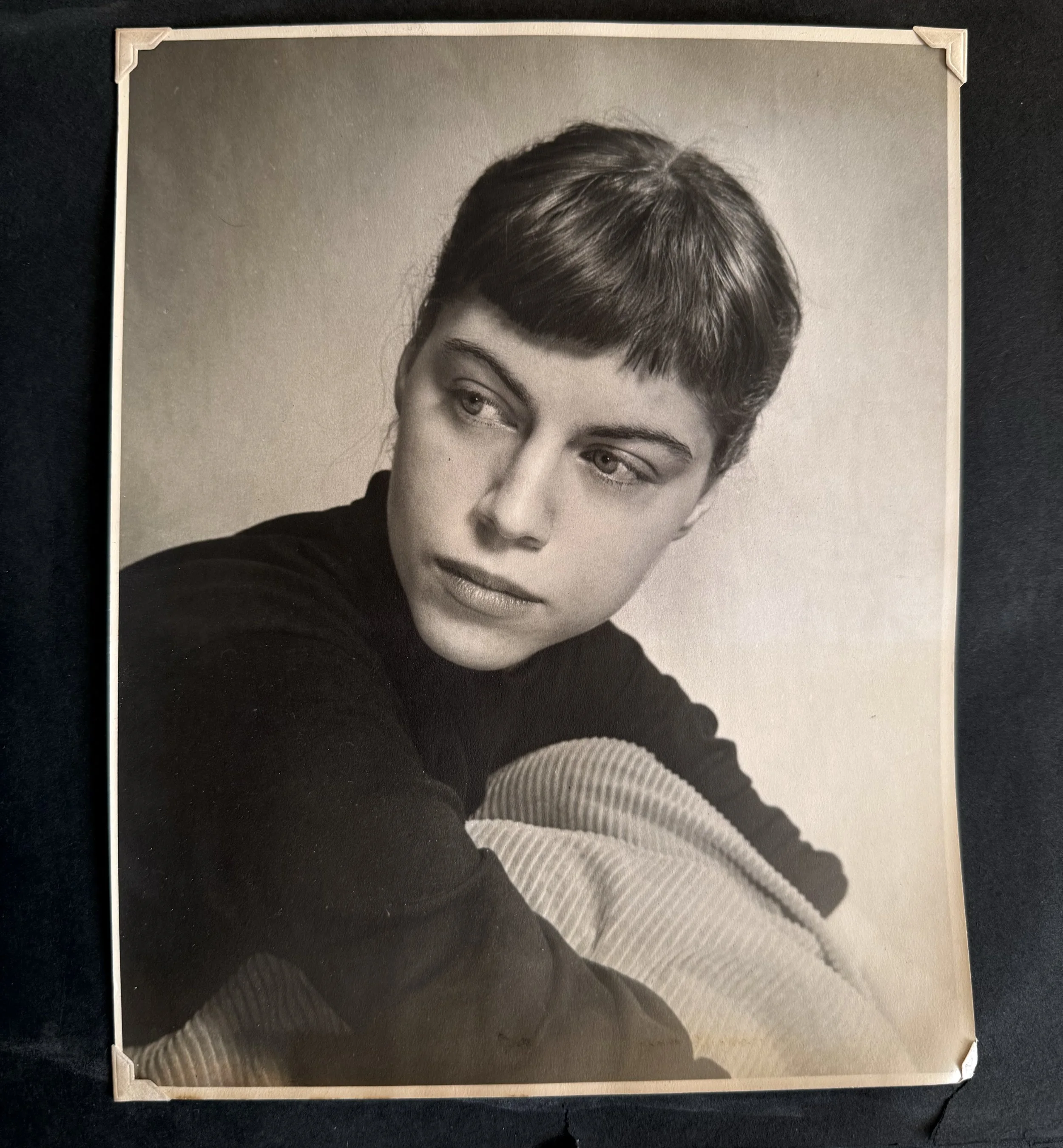
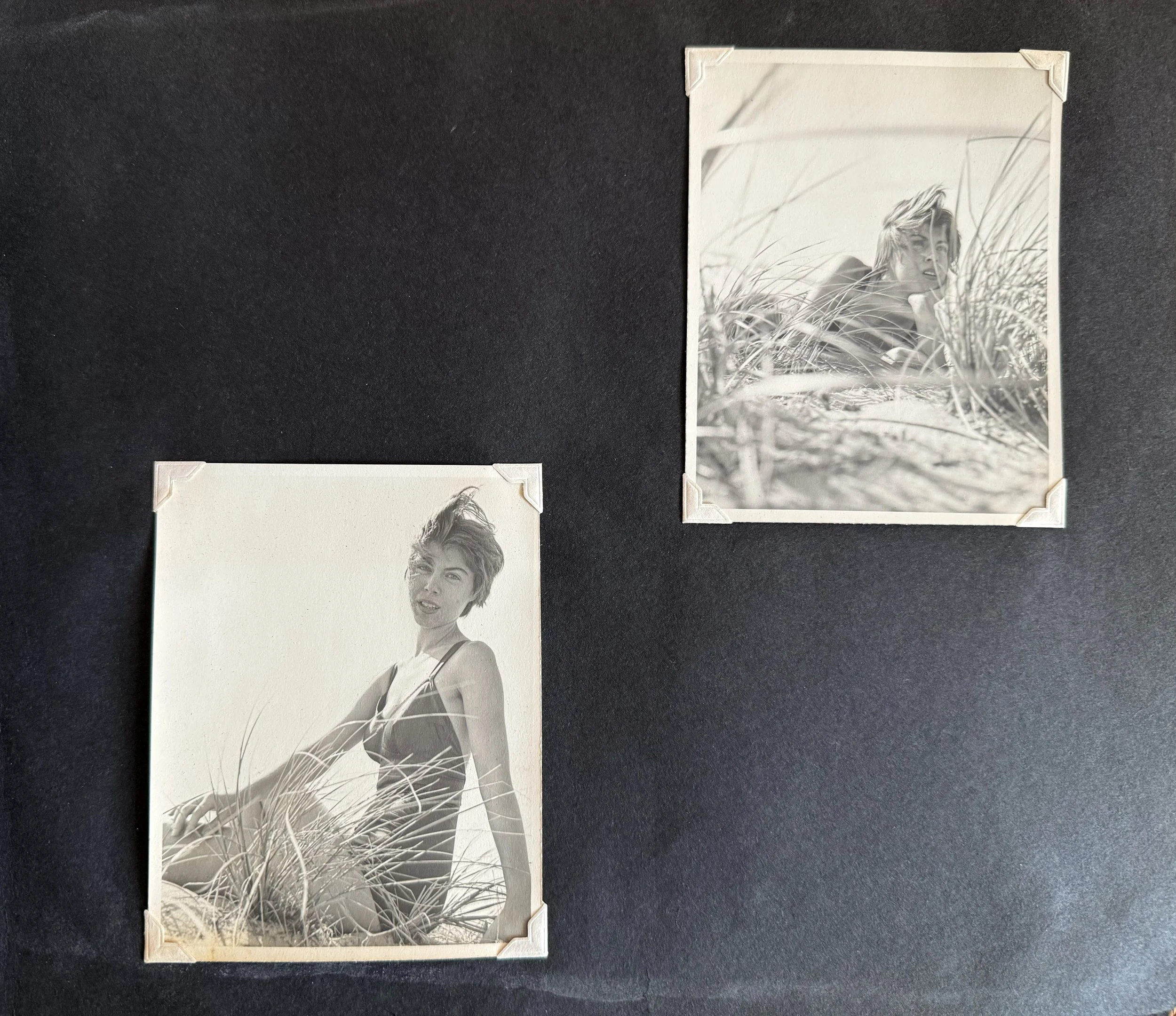
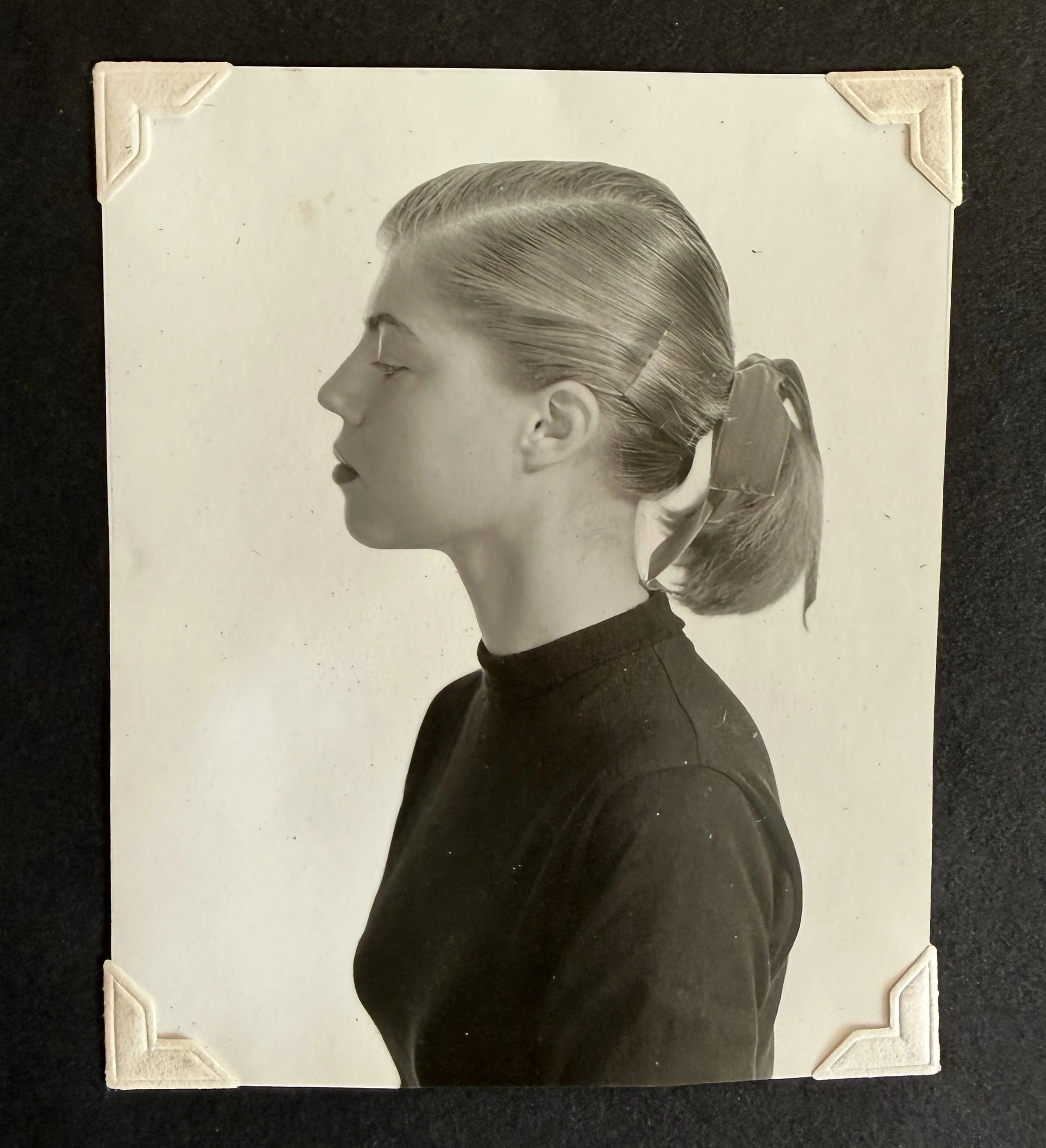
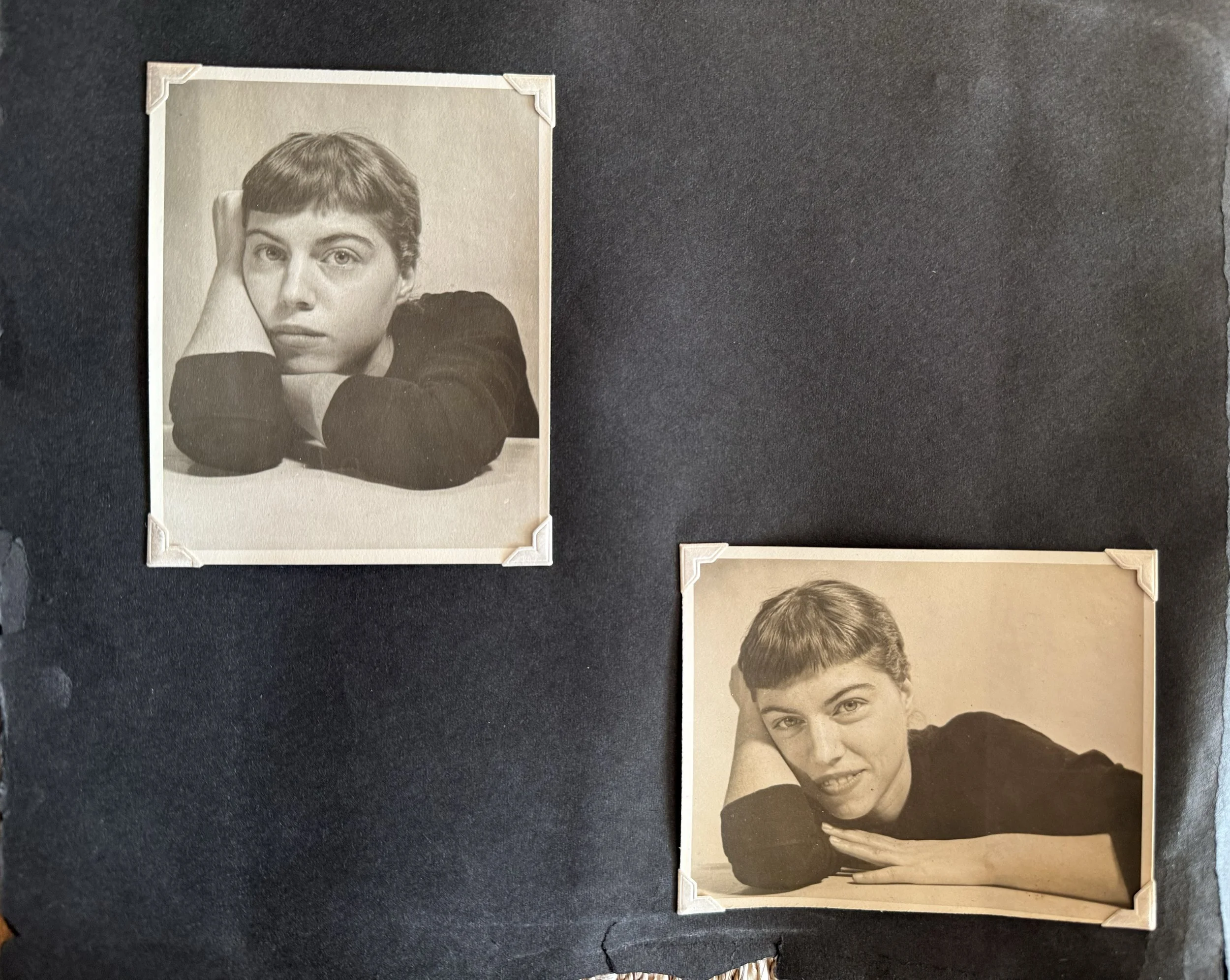
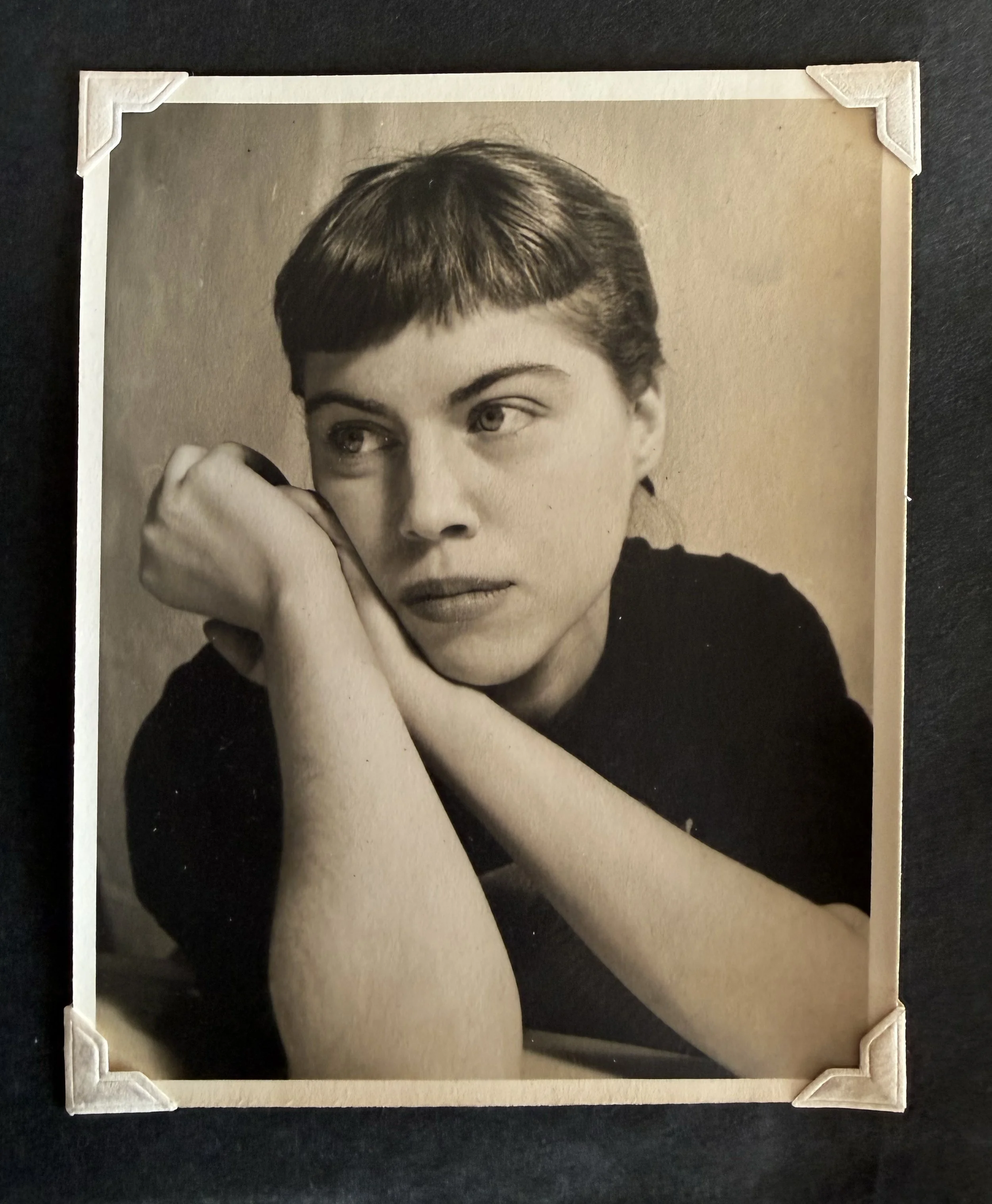
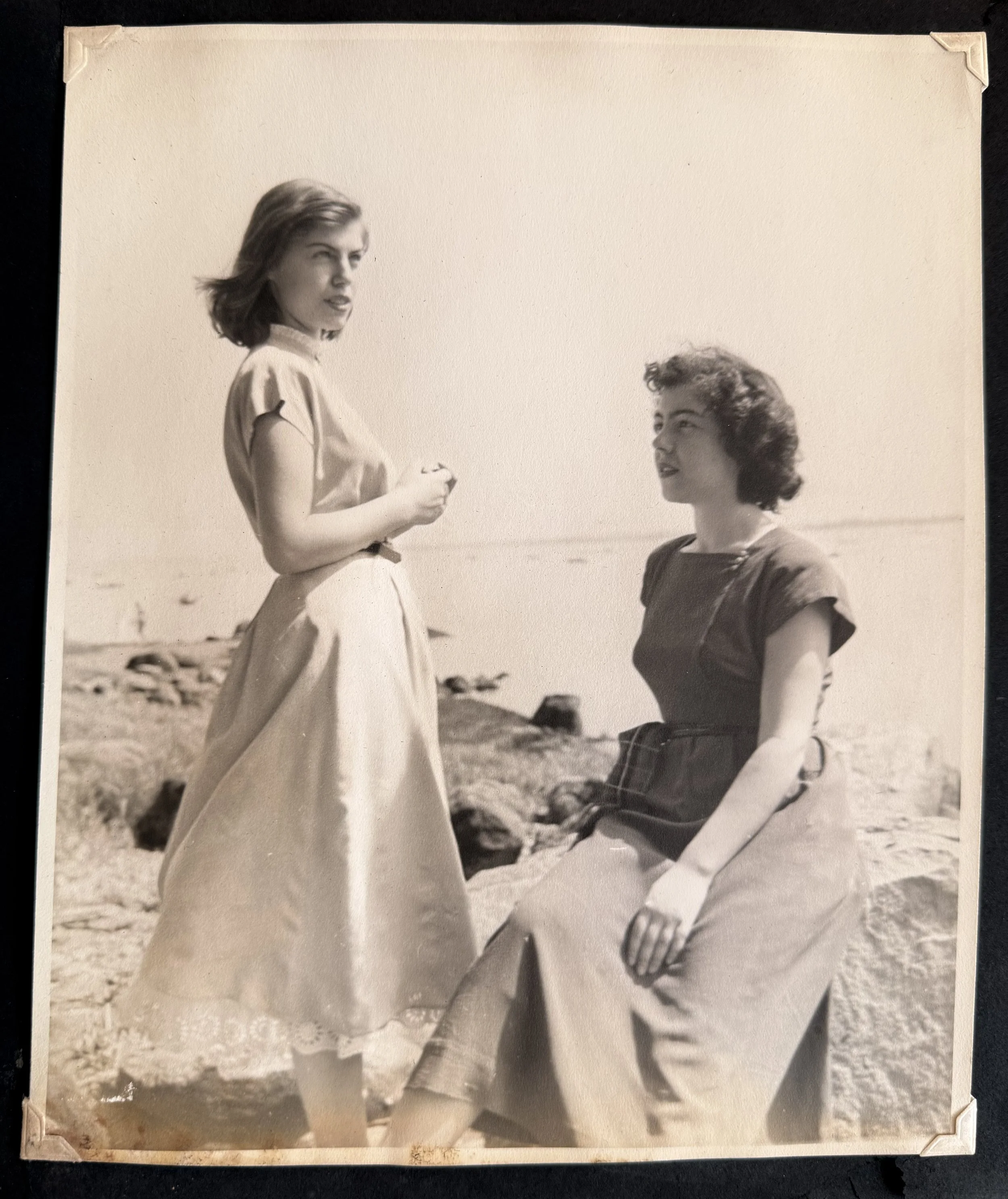
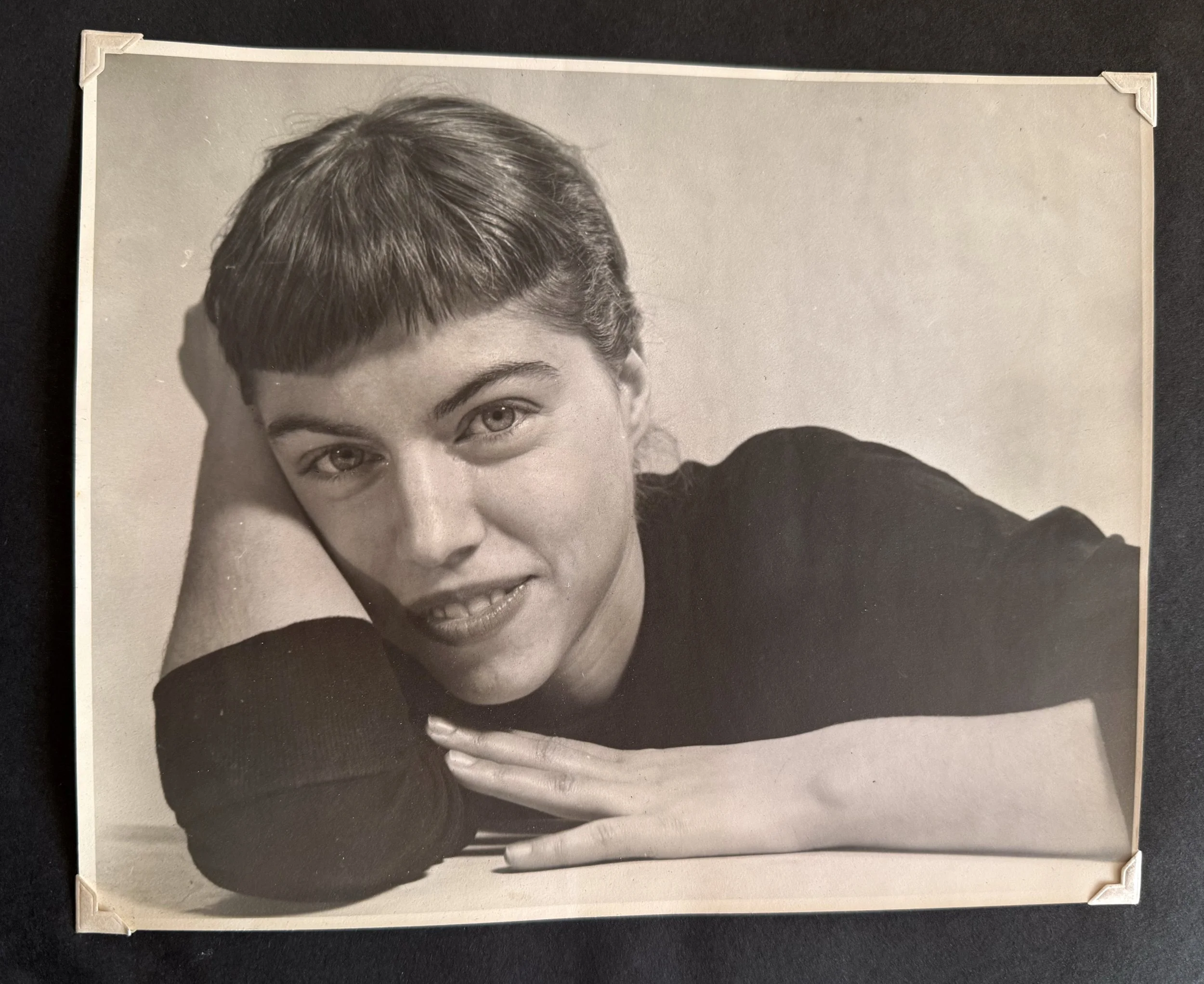
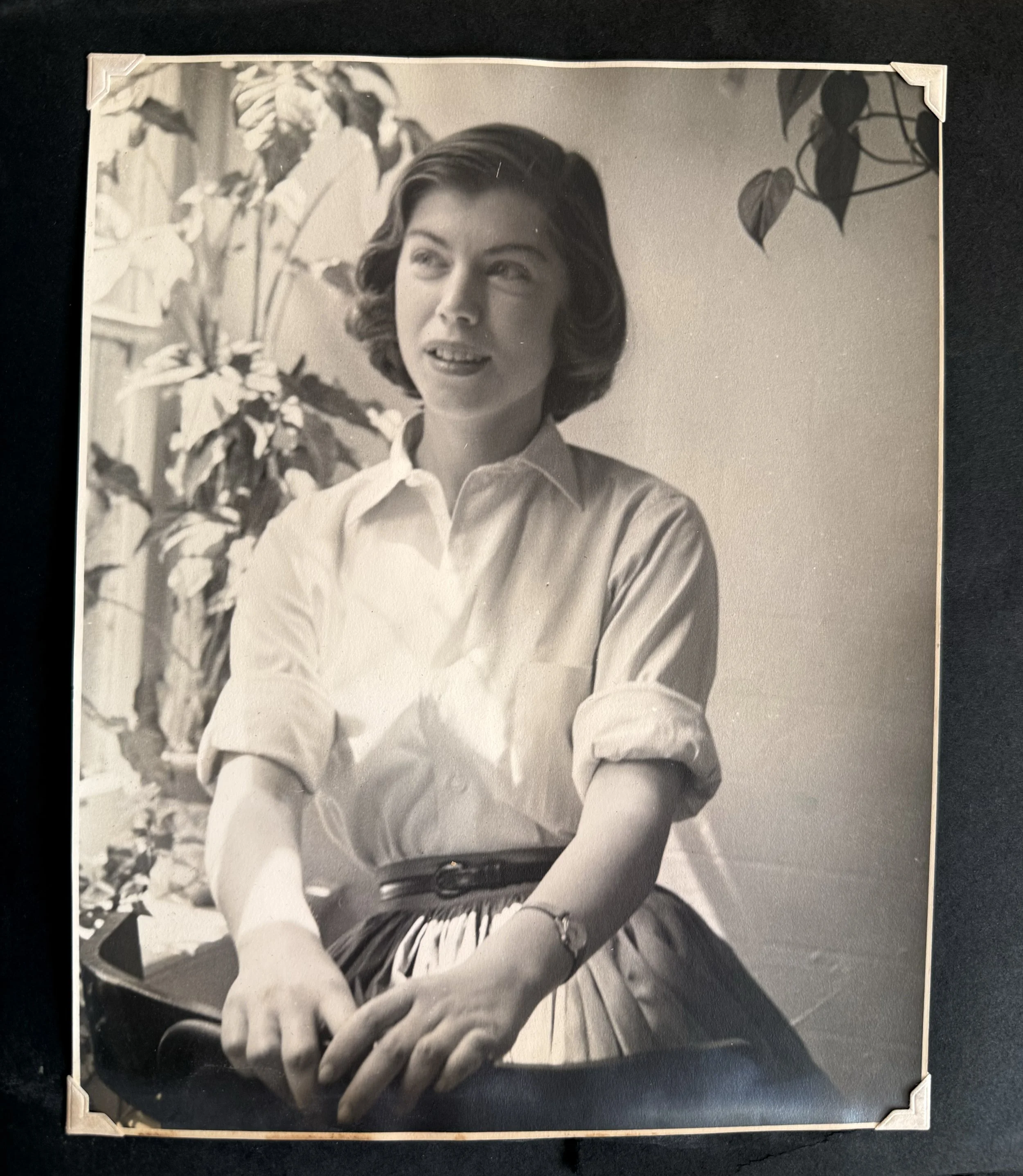
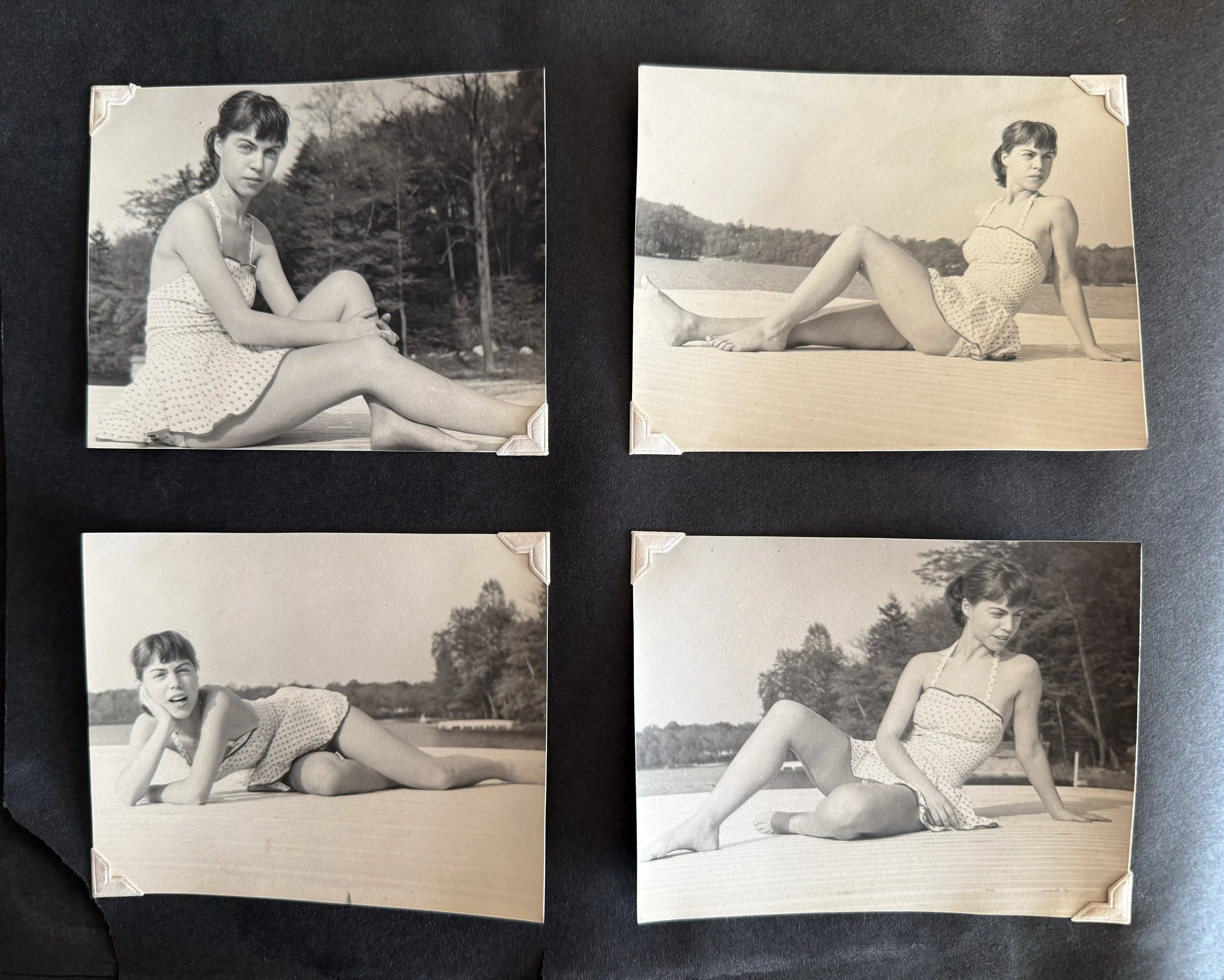
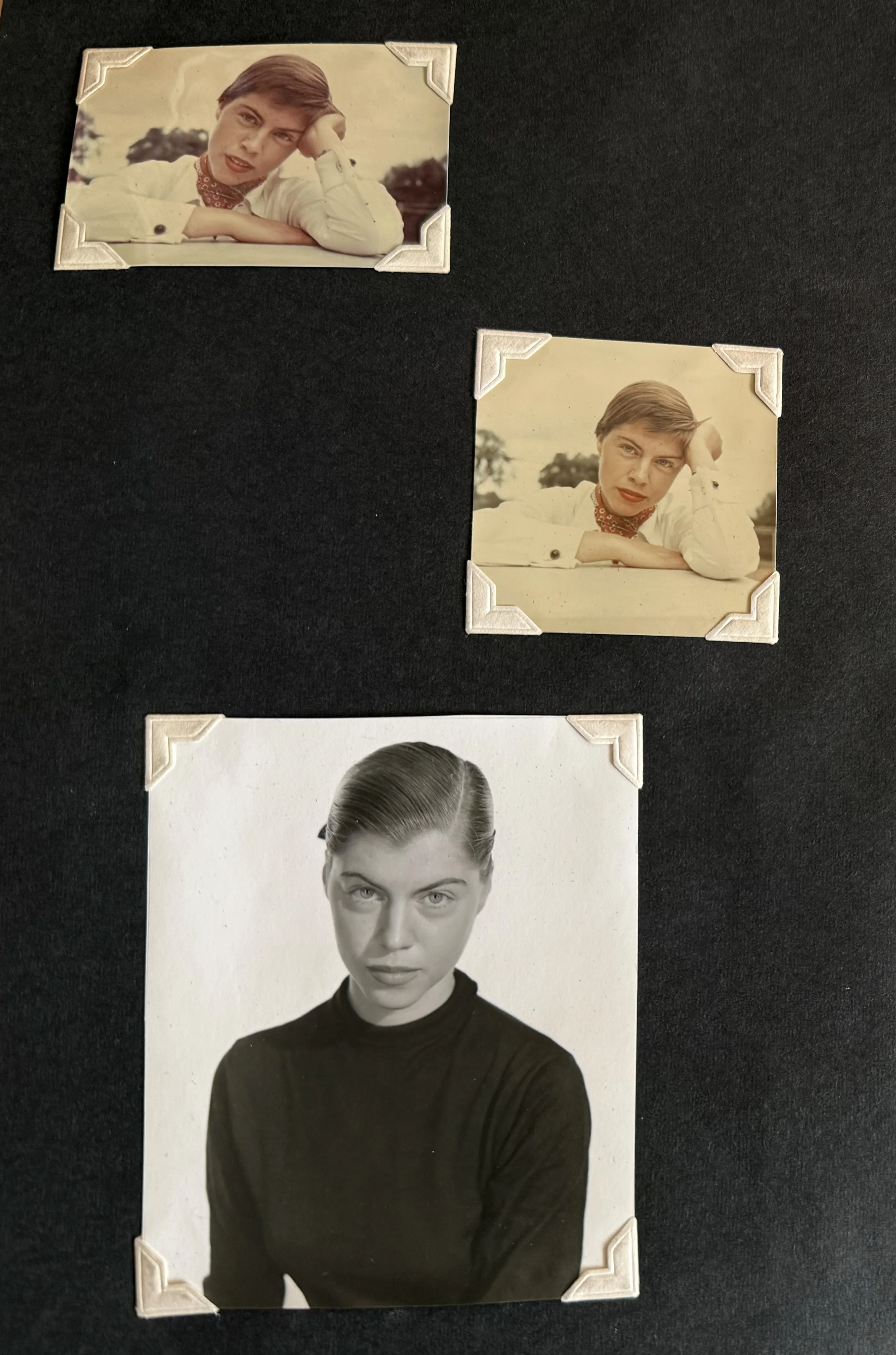
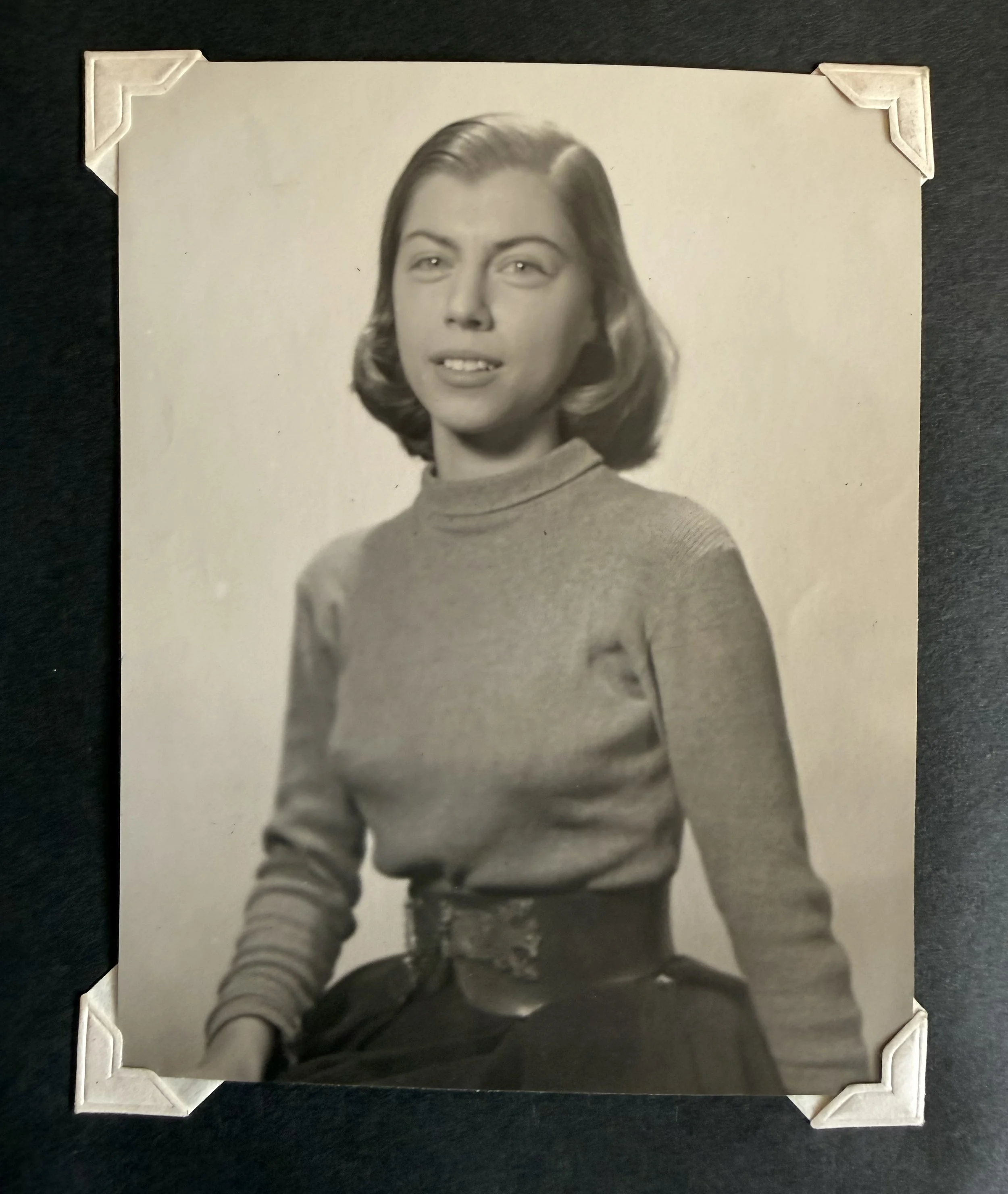
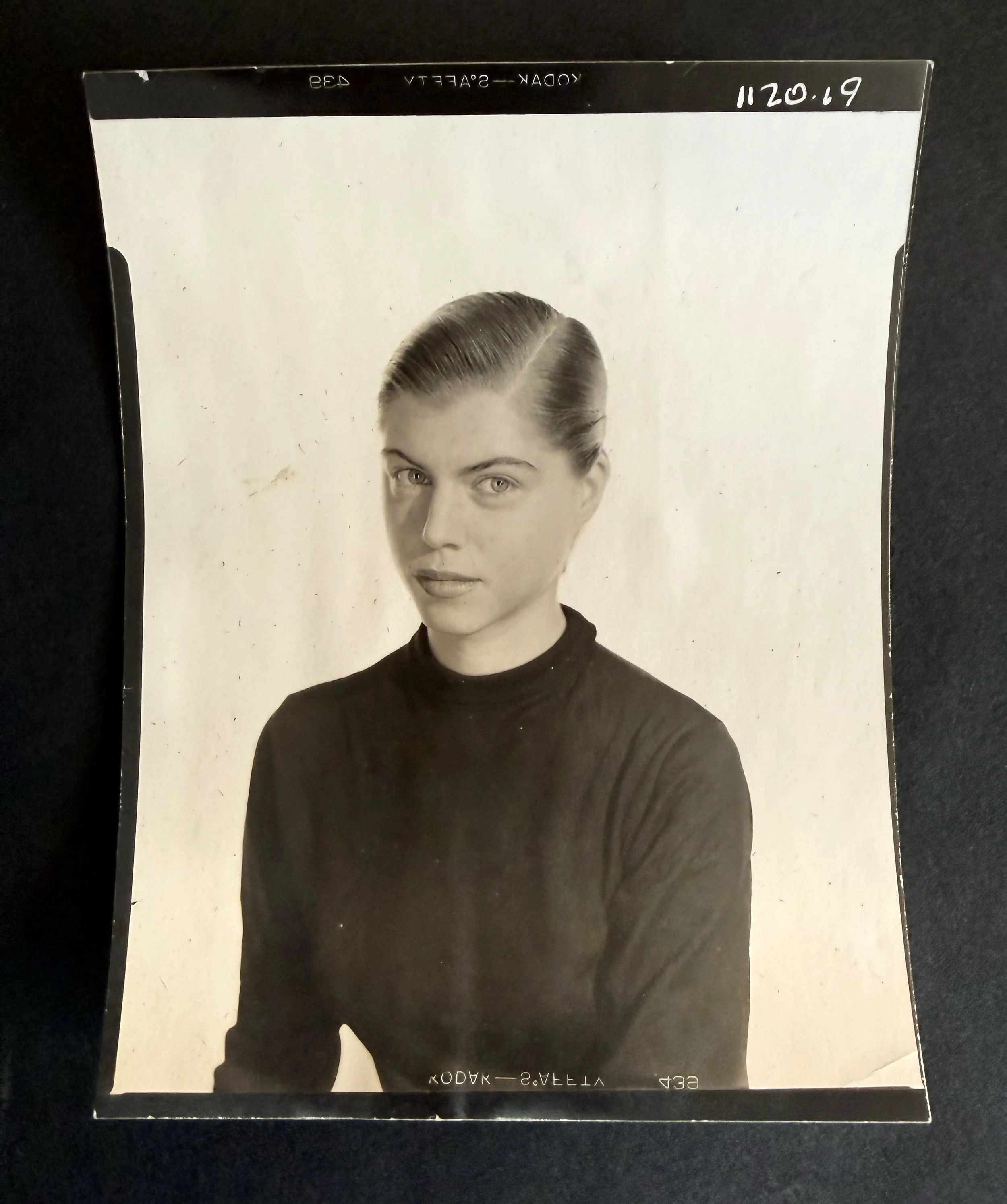
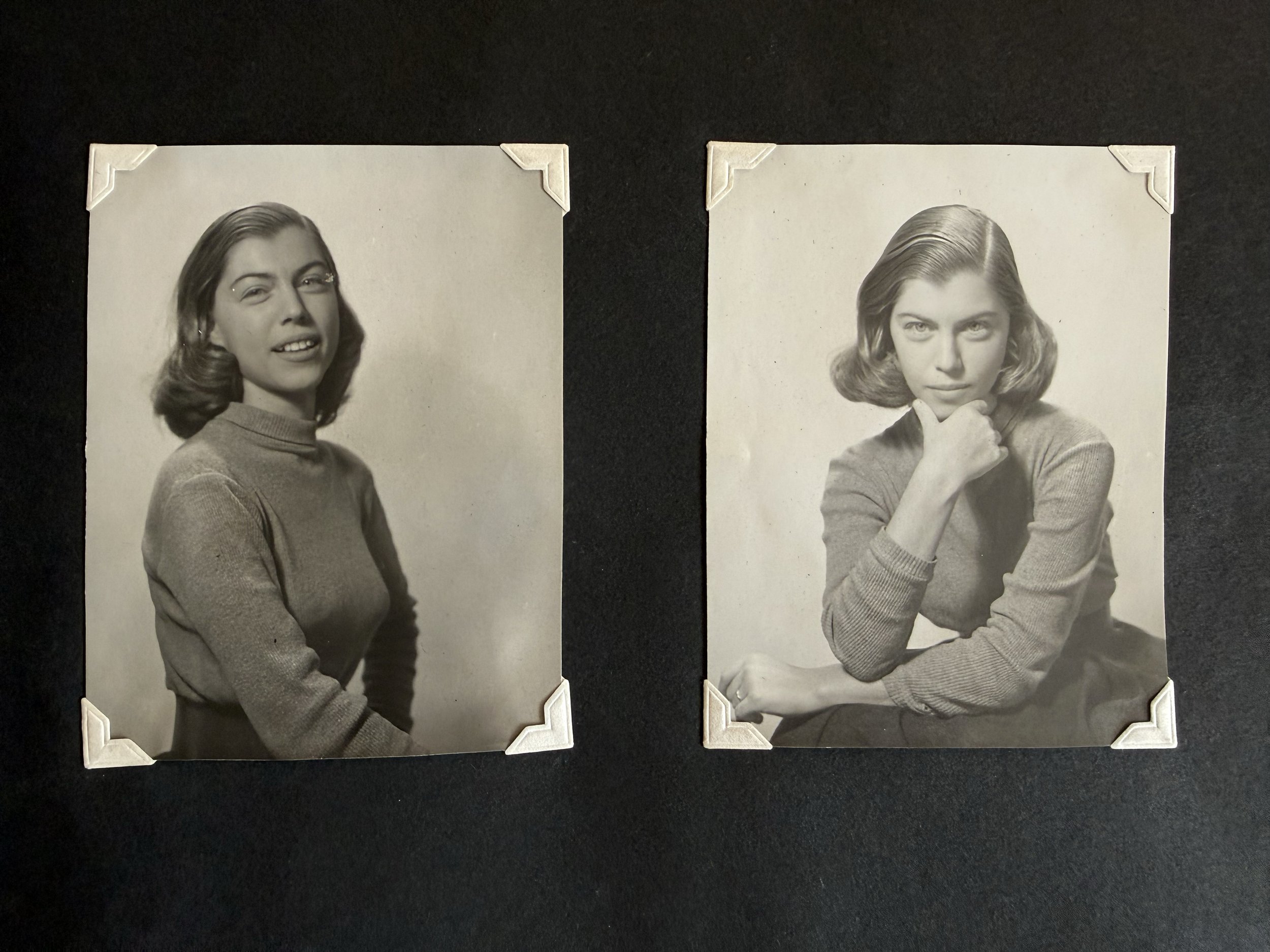
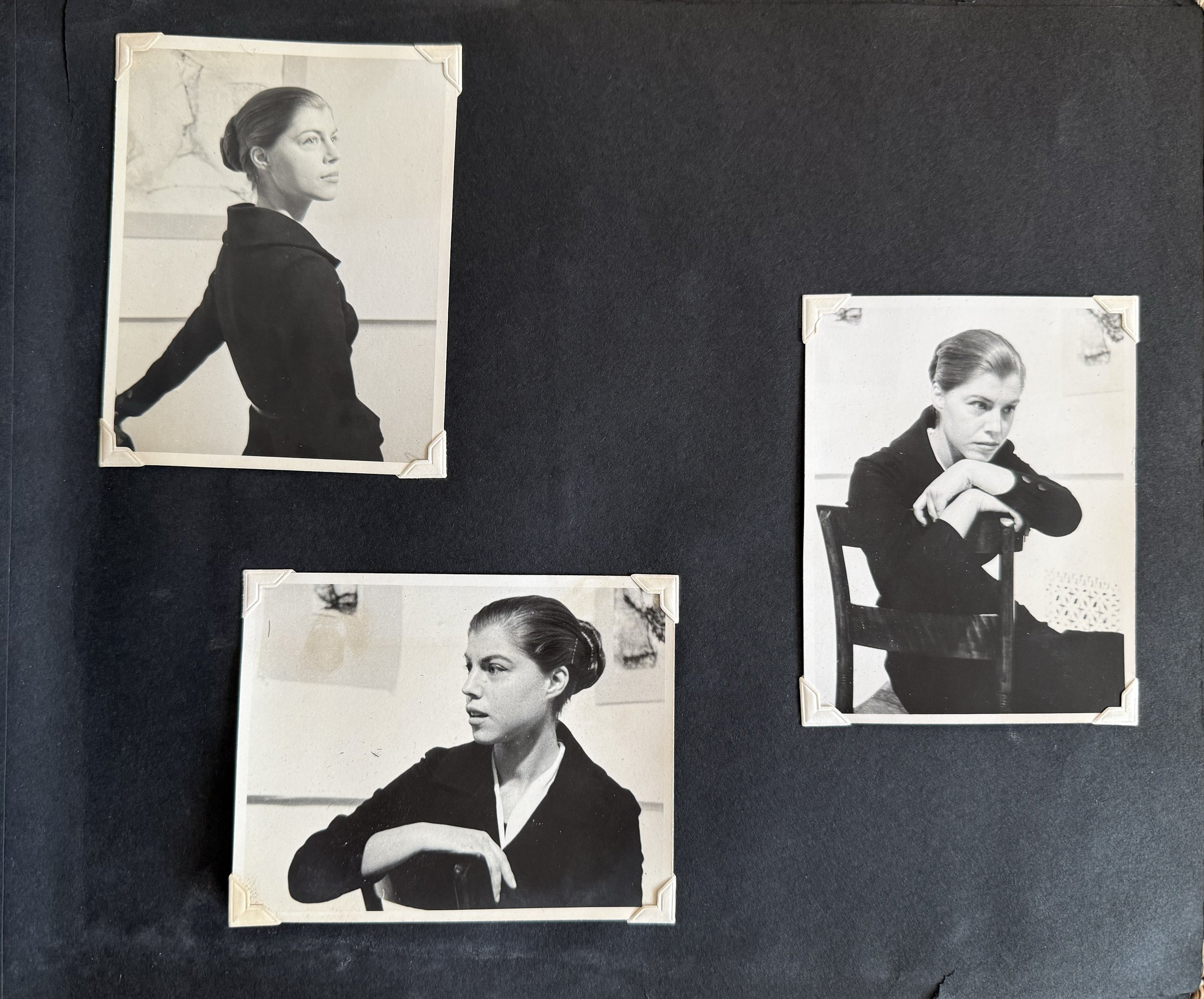
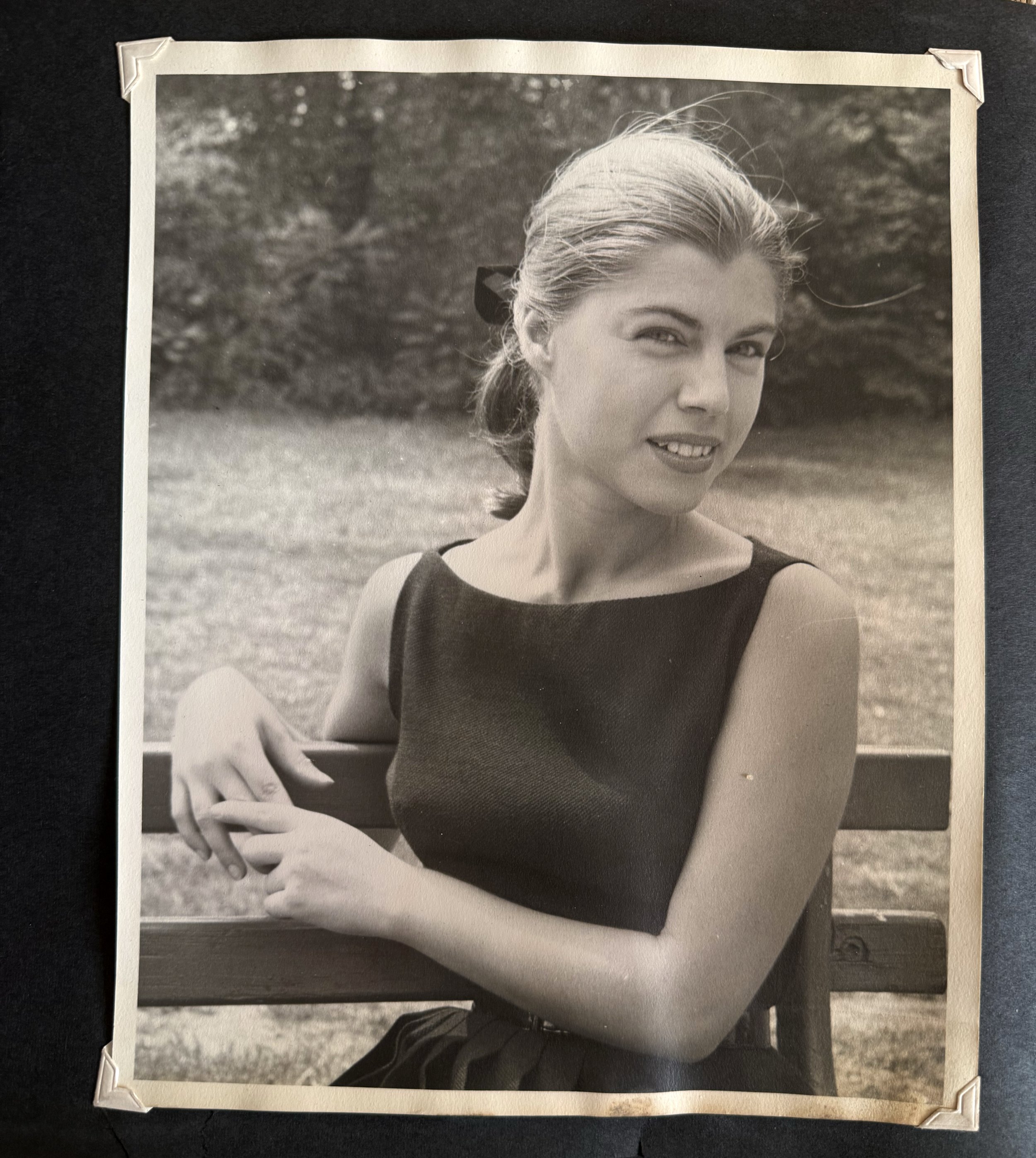
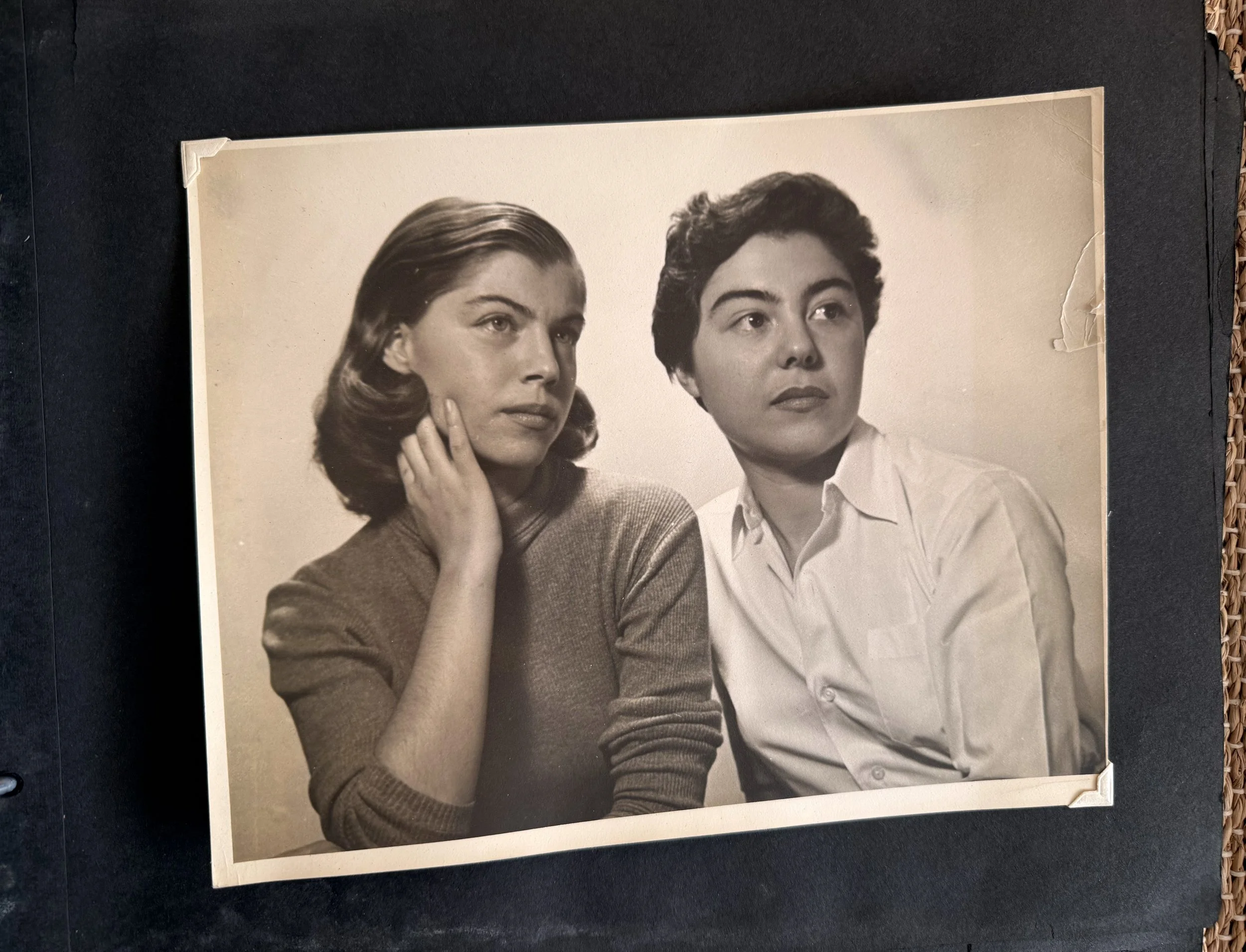
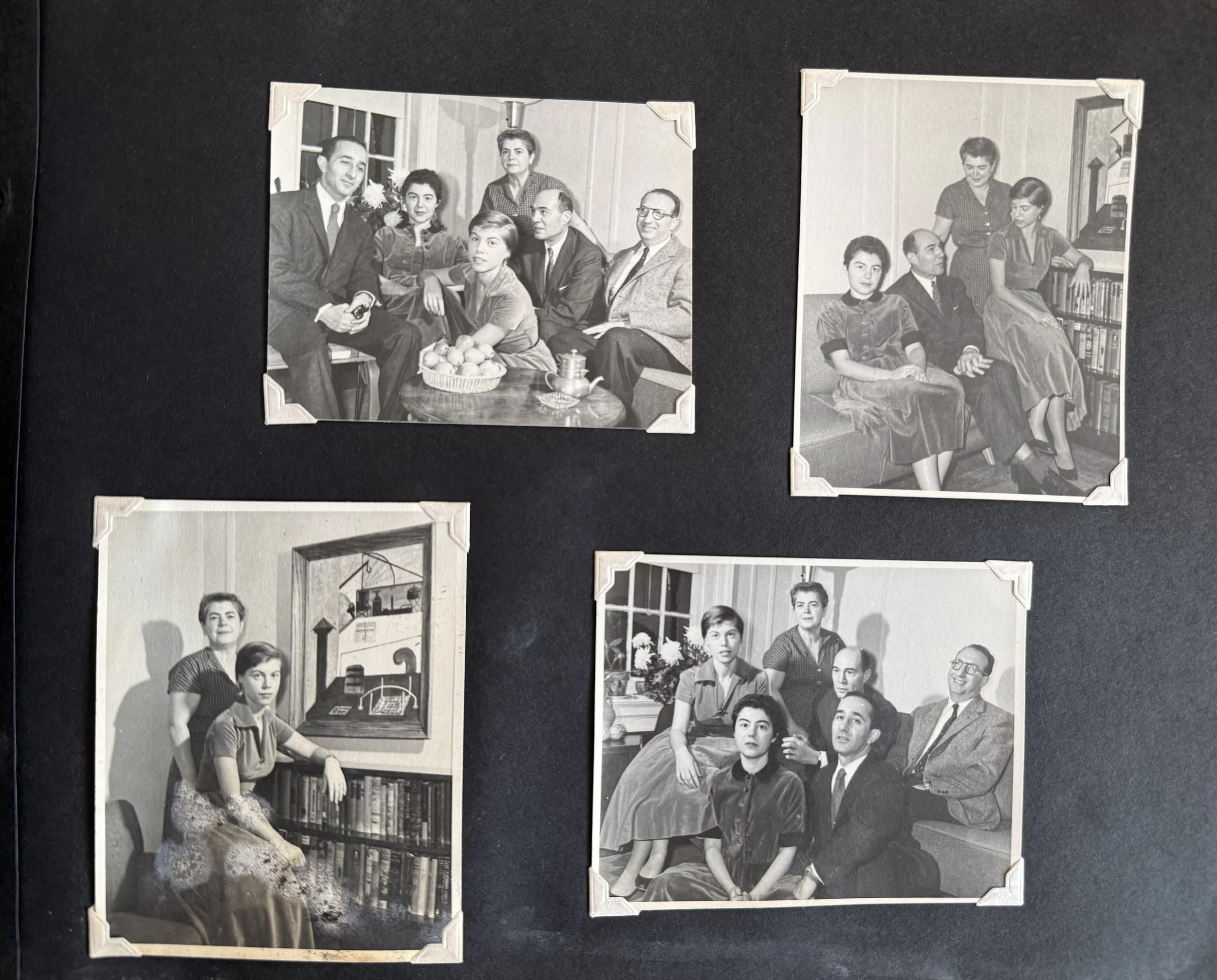
Portraits of Erika Elias in her 20s taken by her first husband, Hal Lewis, which I photographed from a photo album at her home:
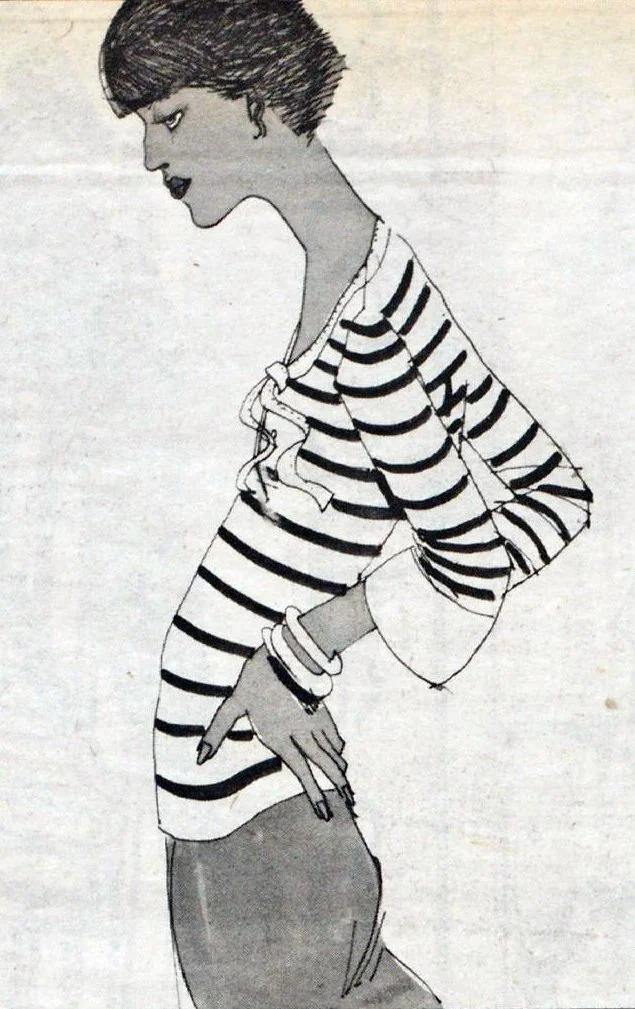
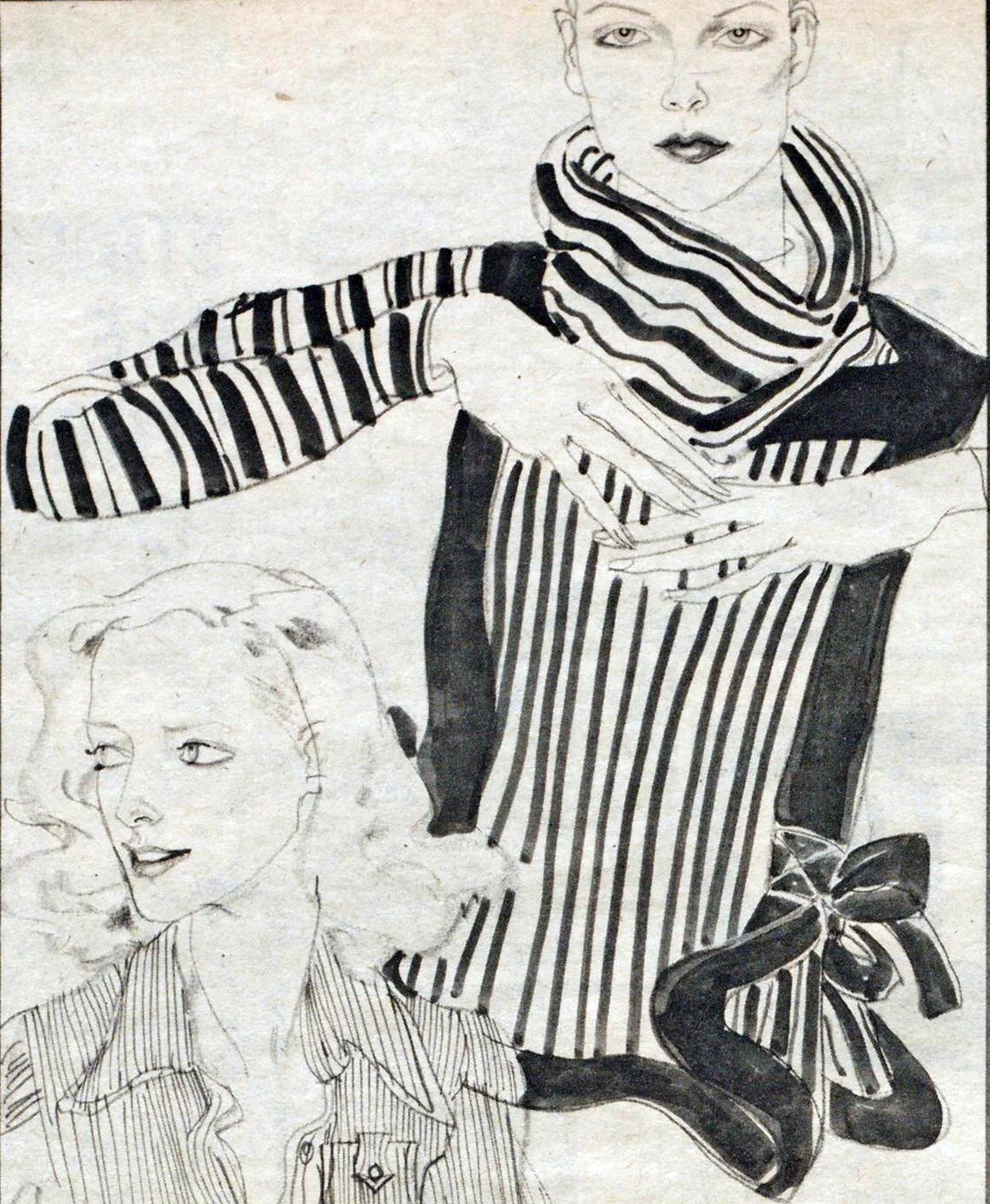
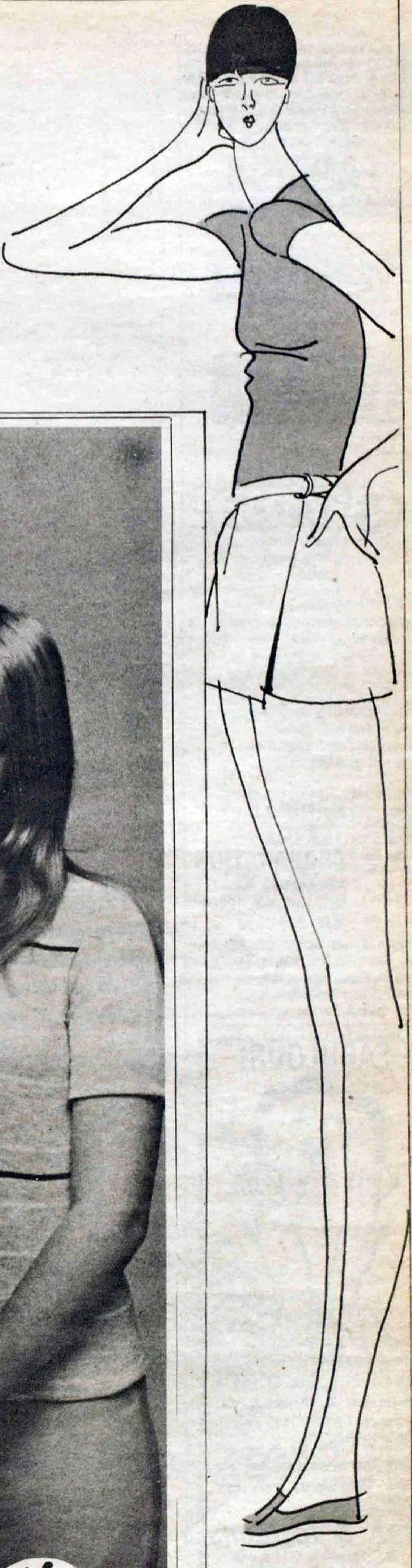
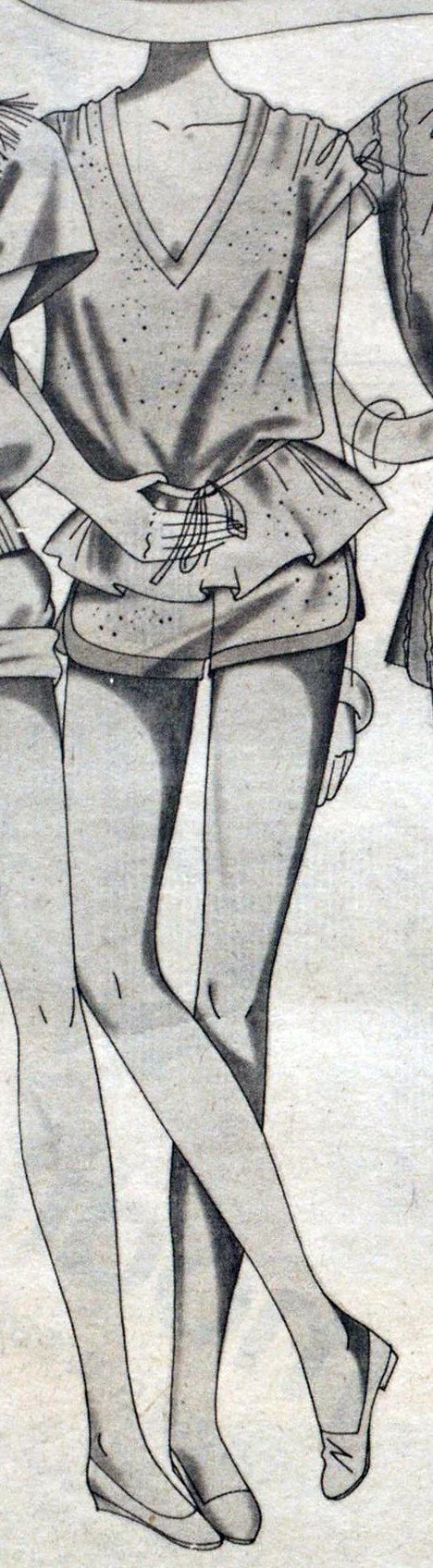
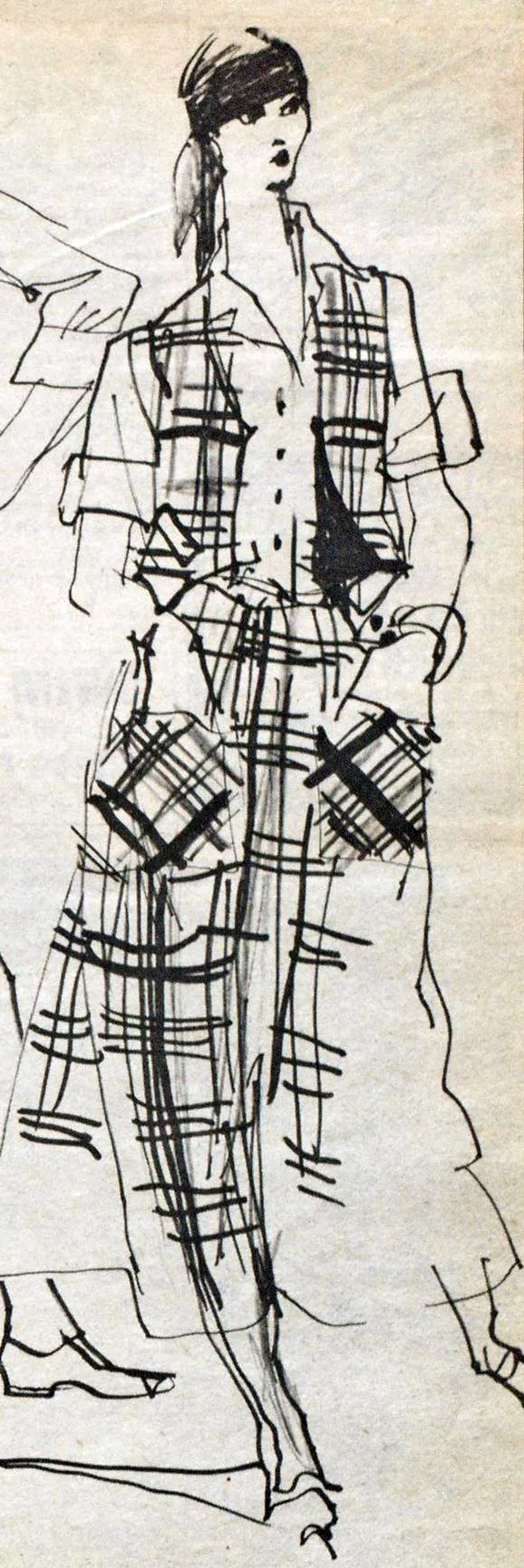
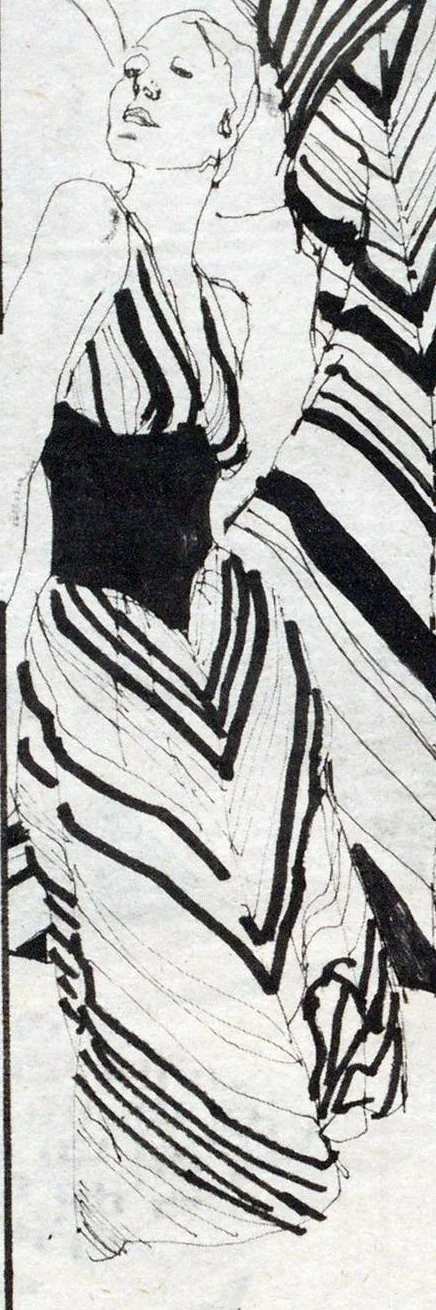
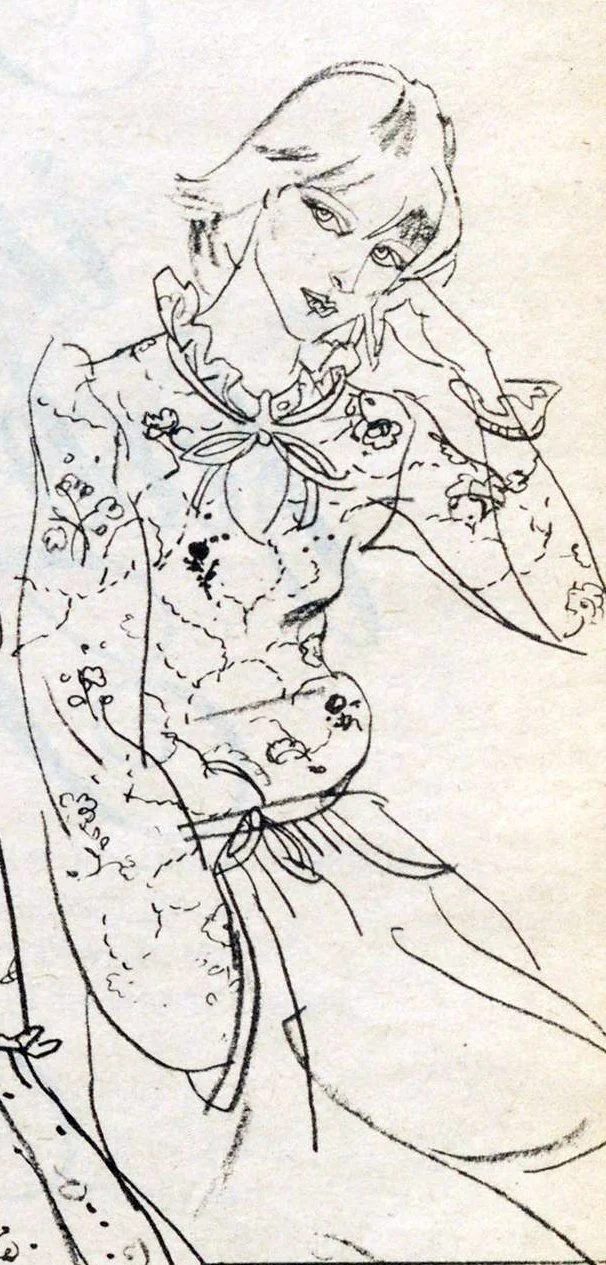
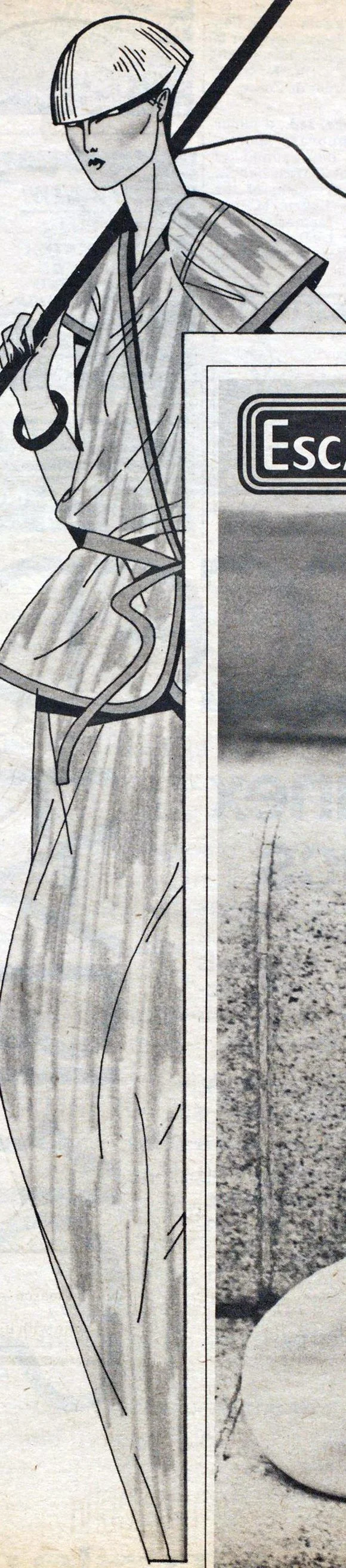
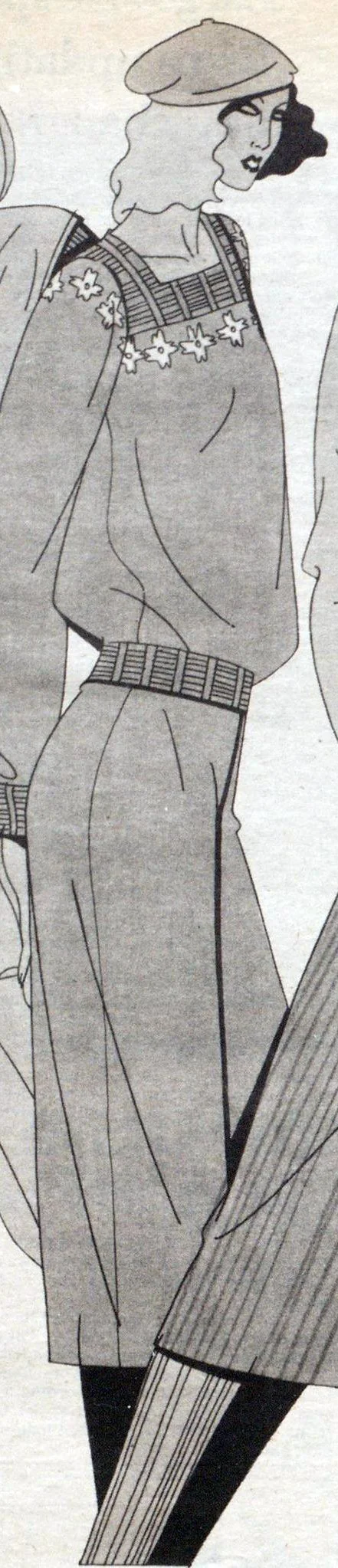
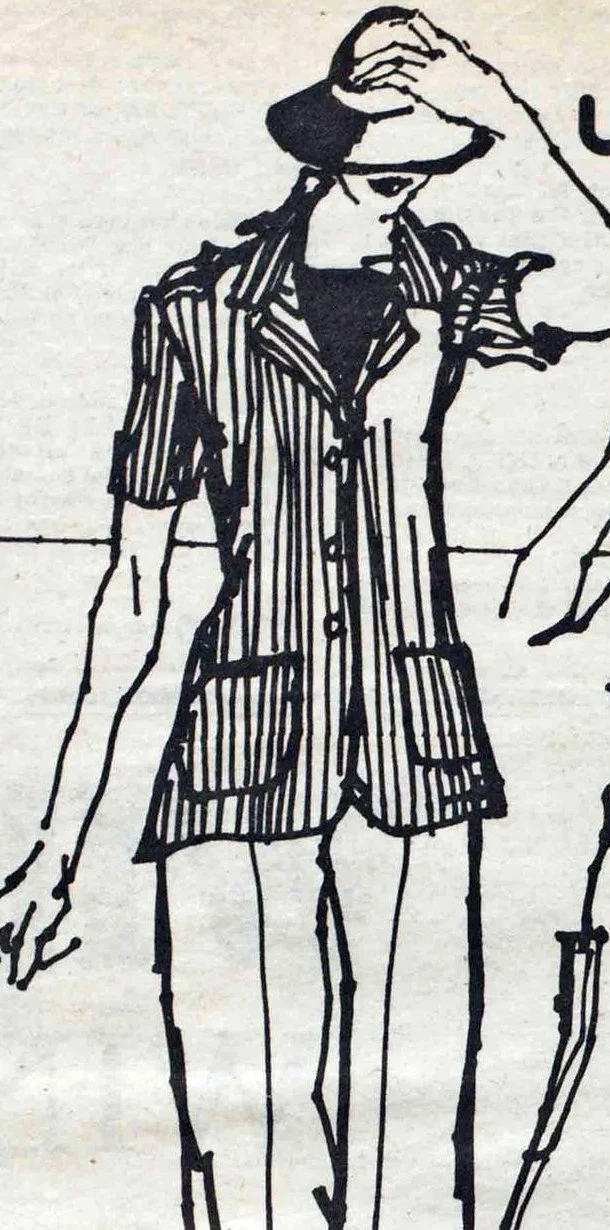
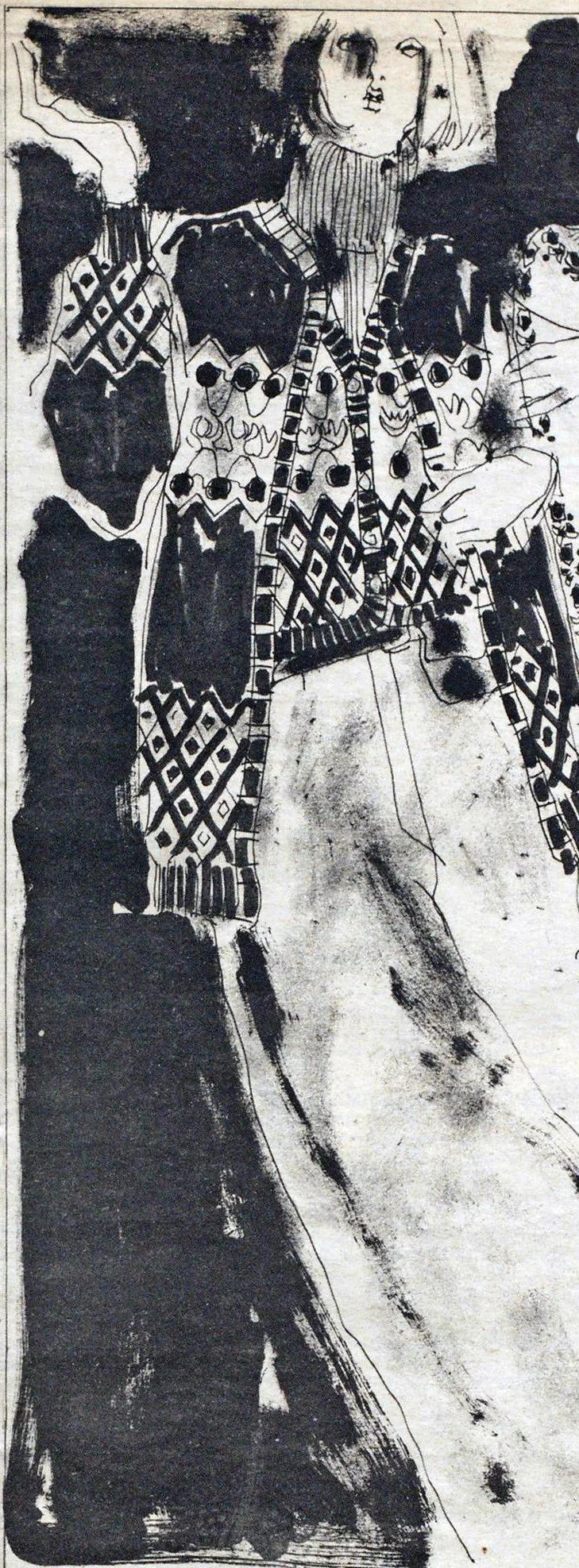
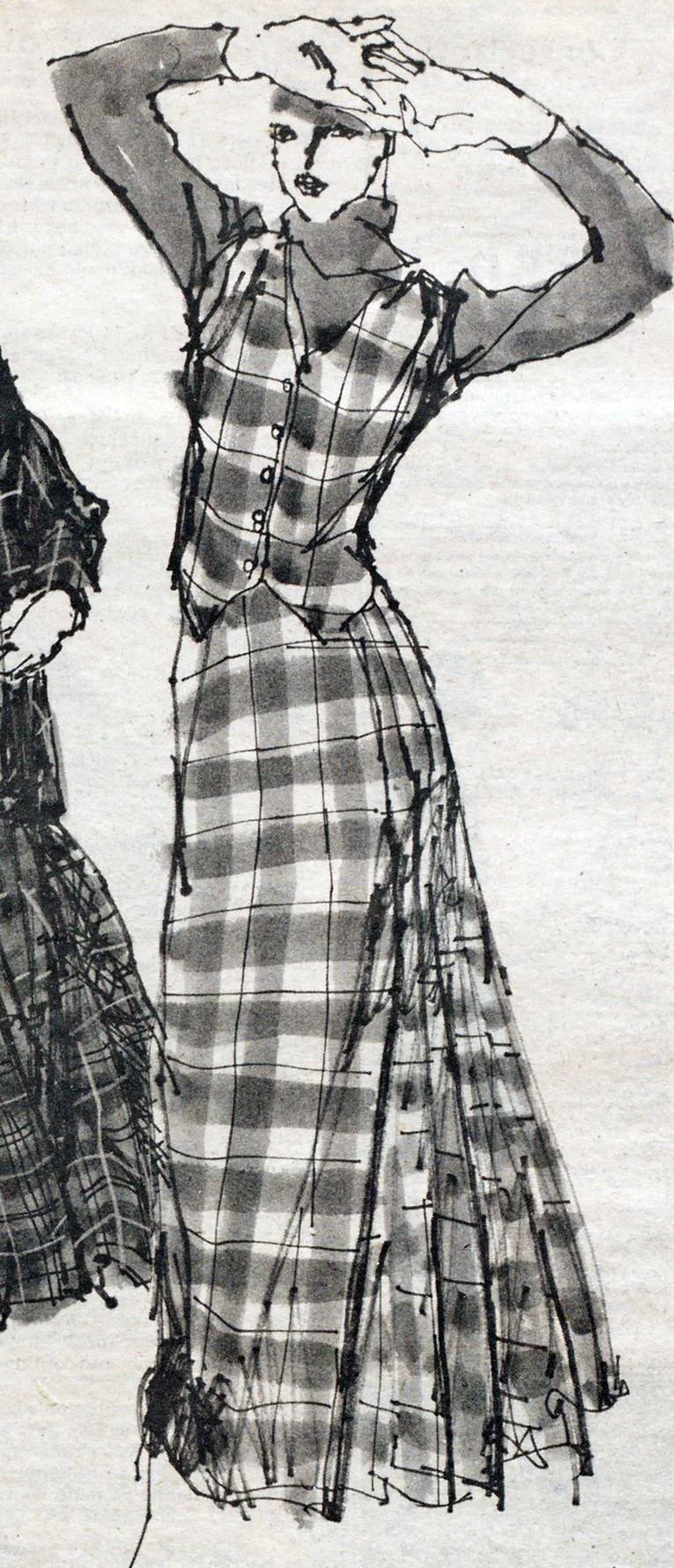
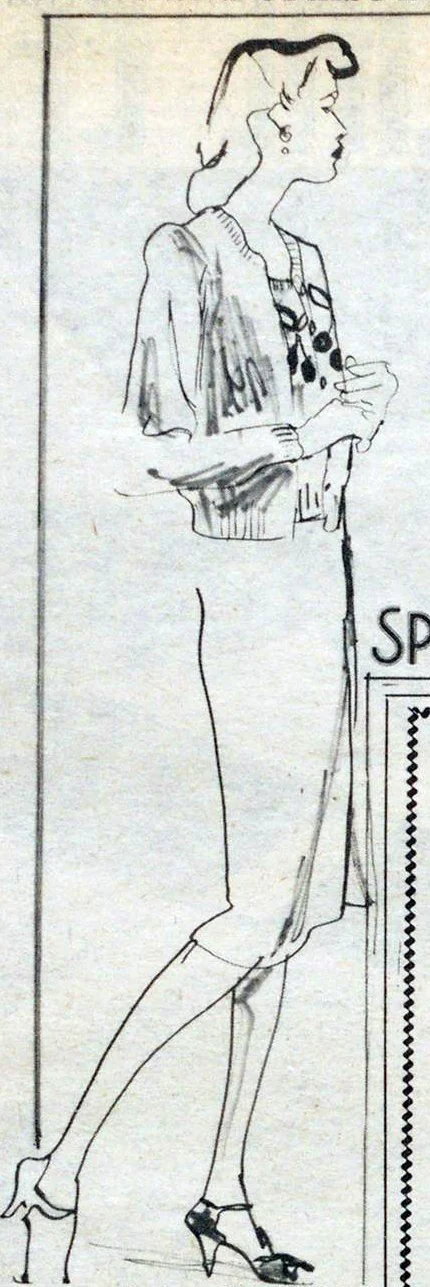
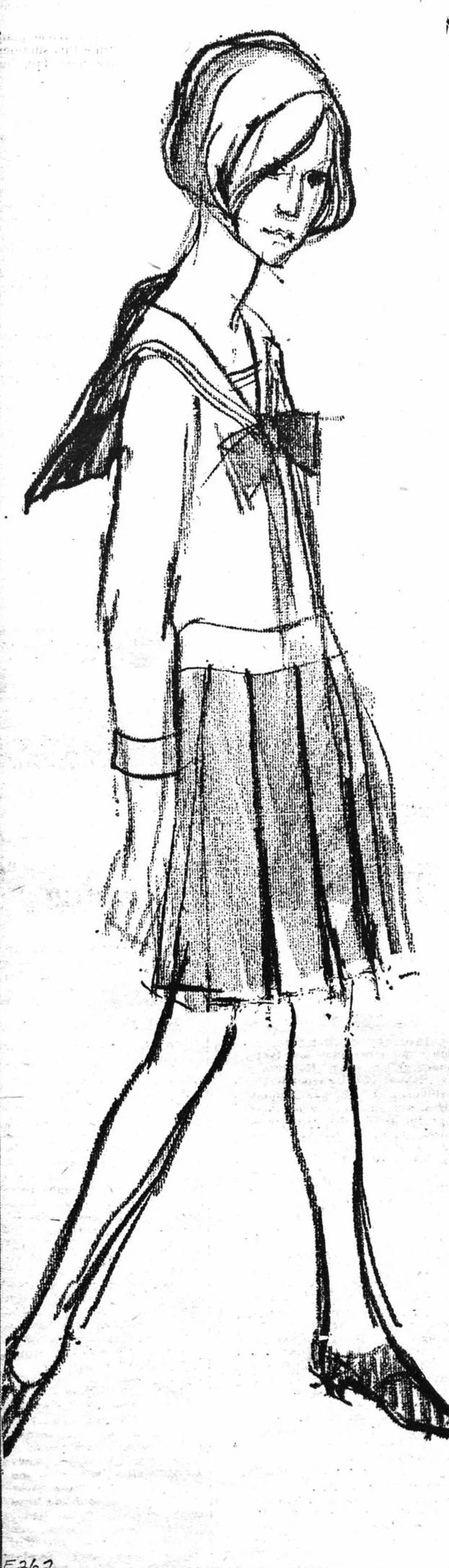
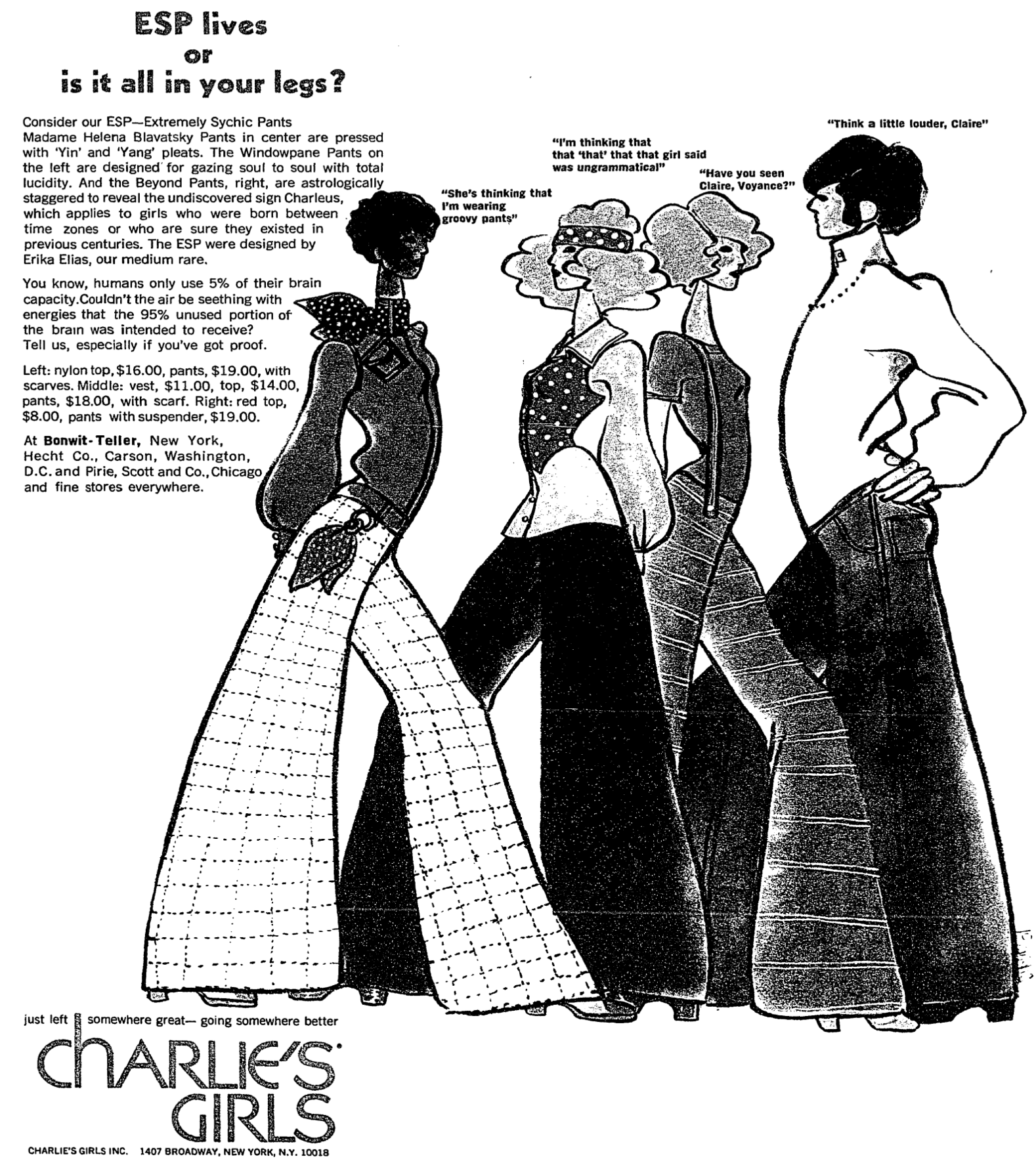
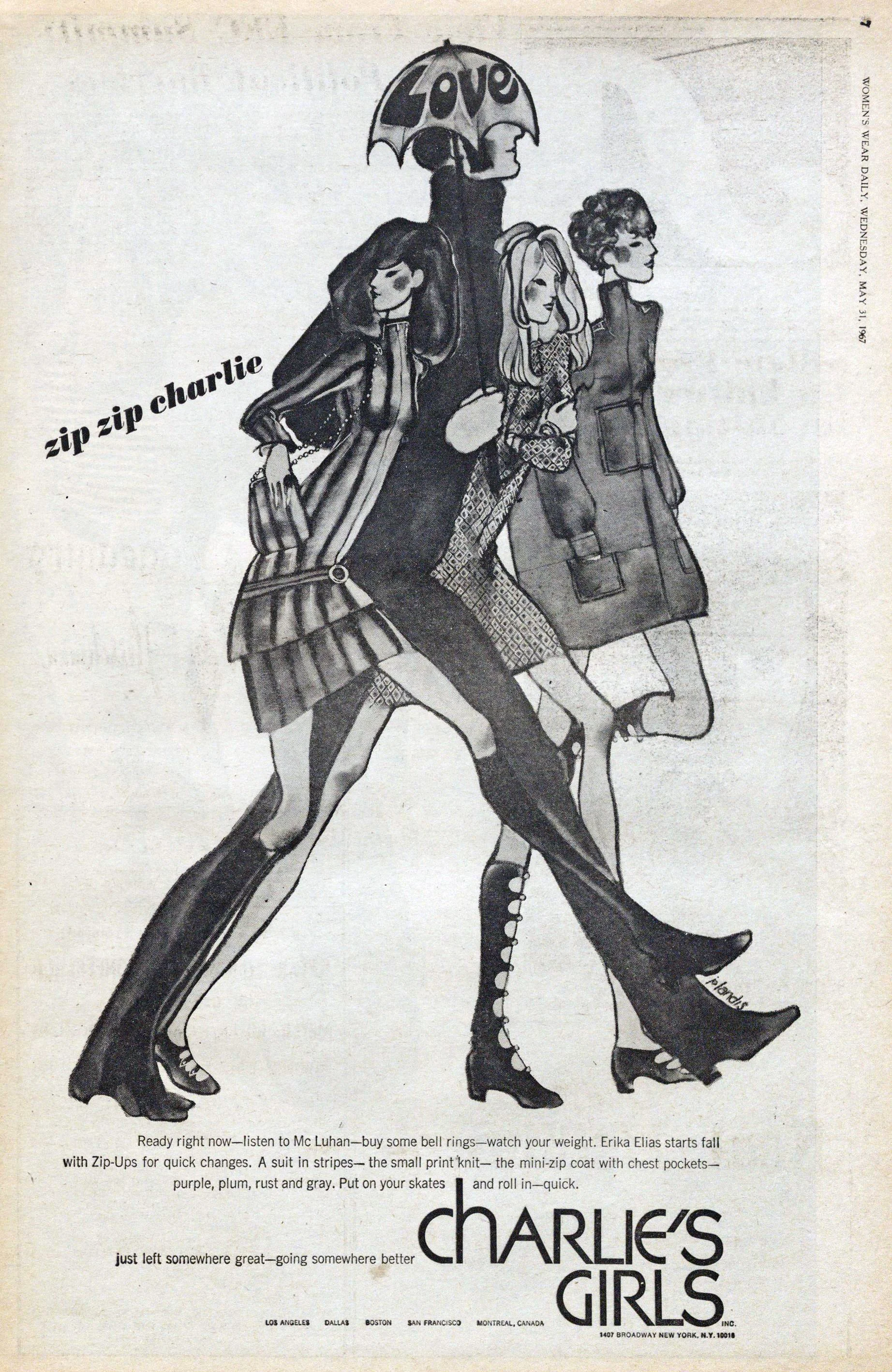
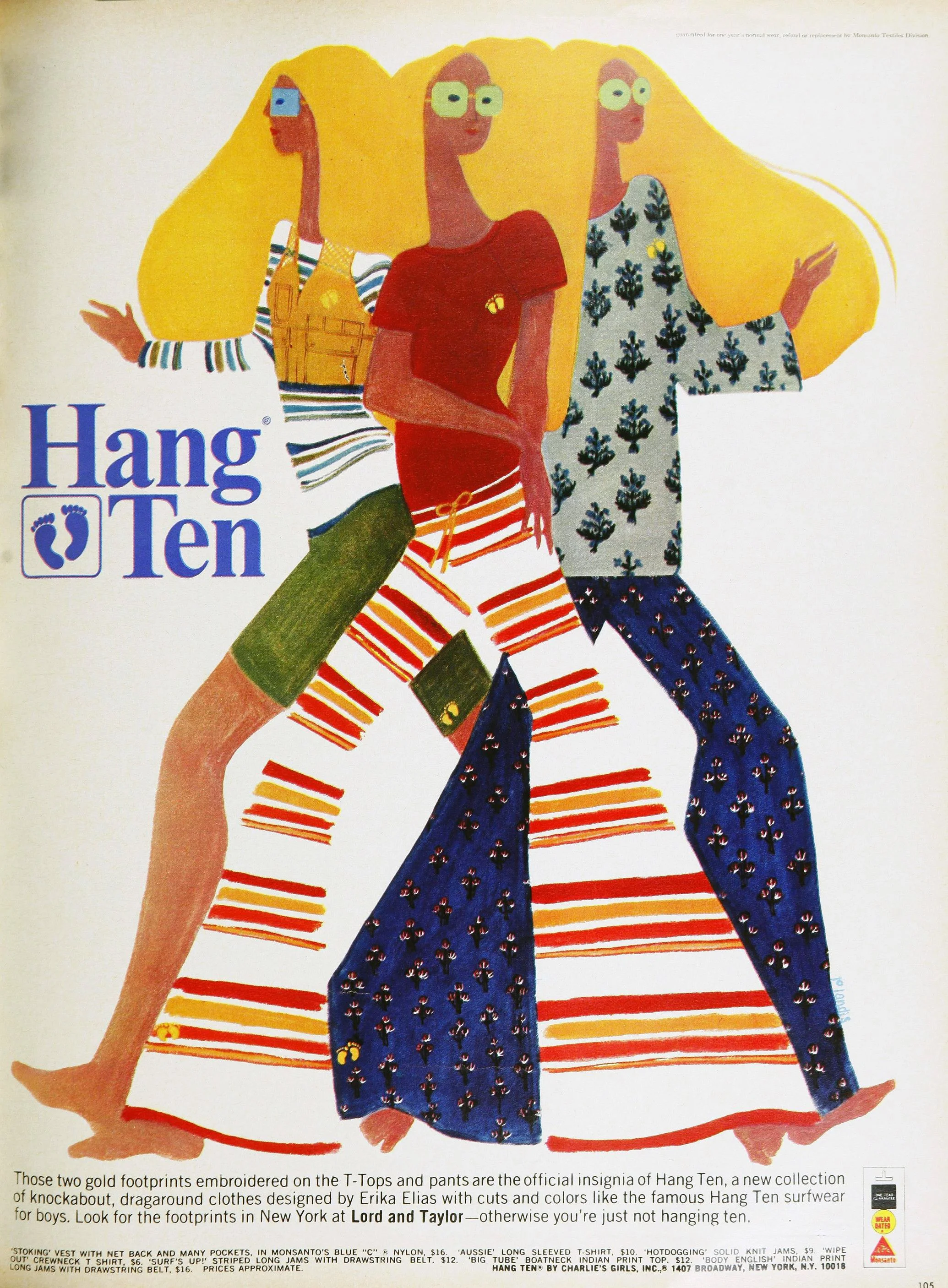
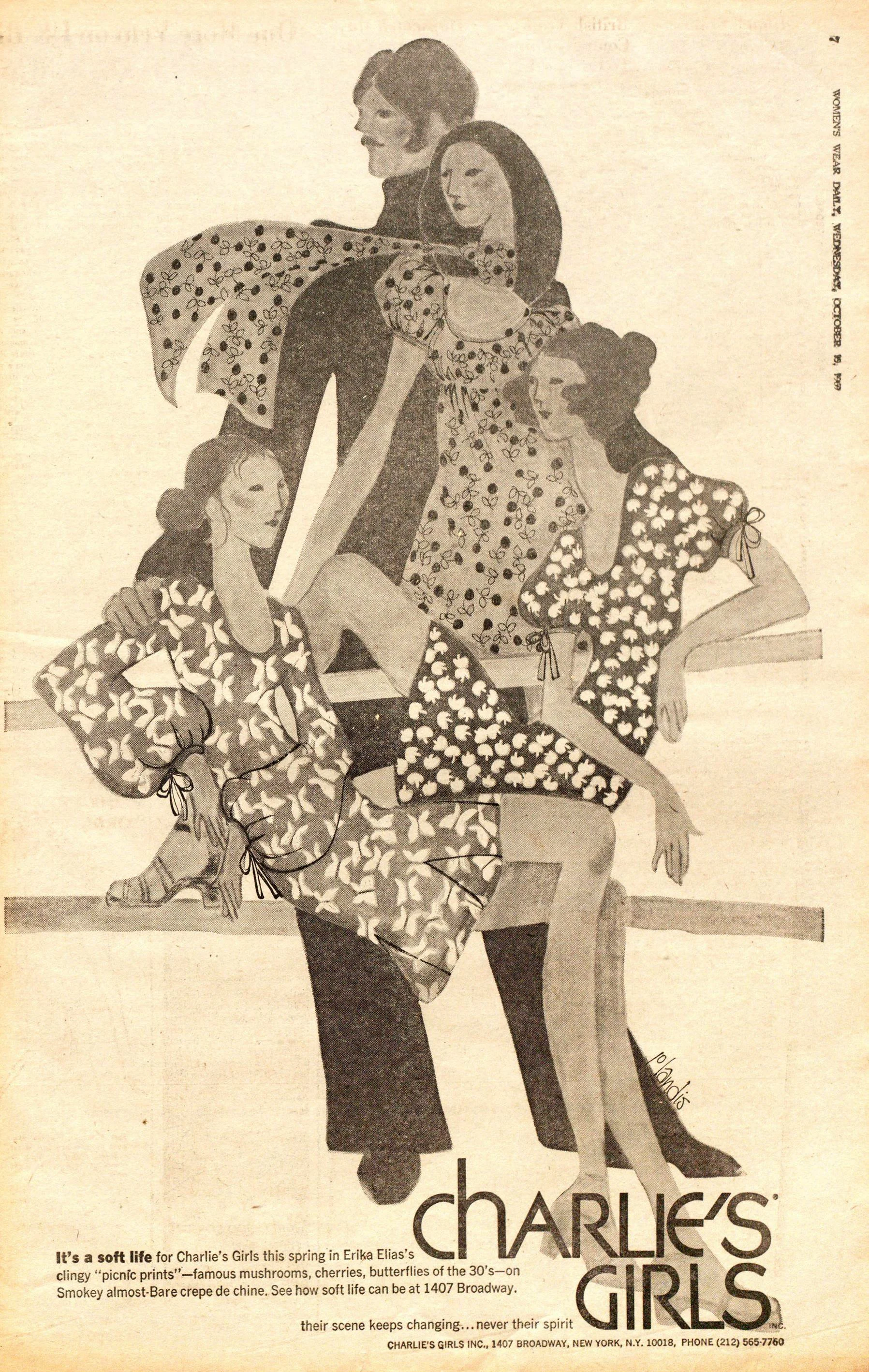
Charlie’s Girls ads, illustrated by Joanne Landis:

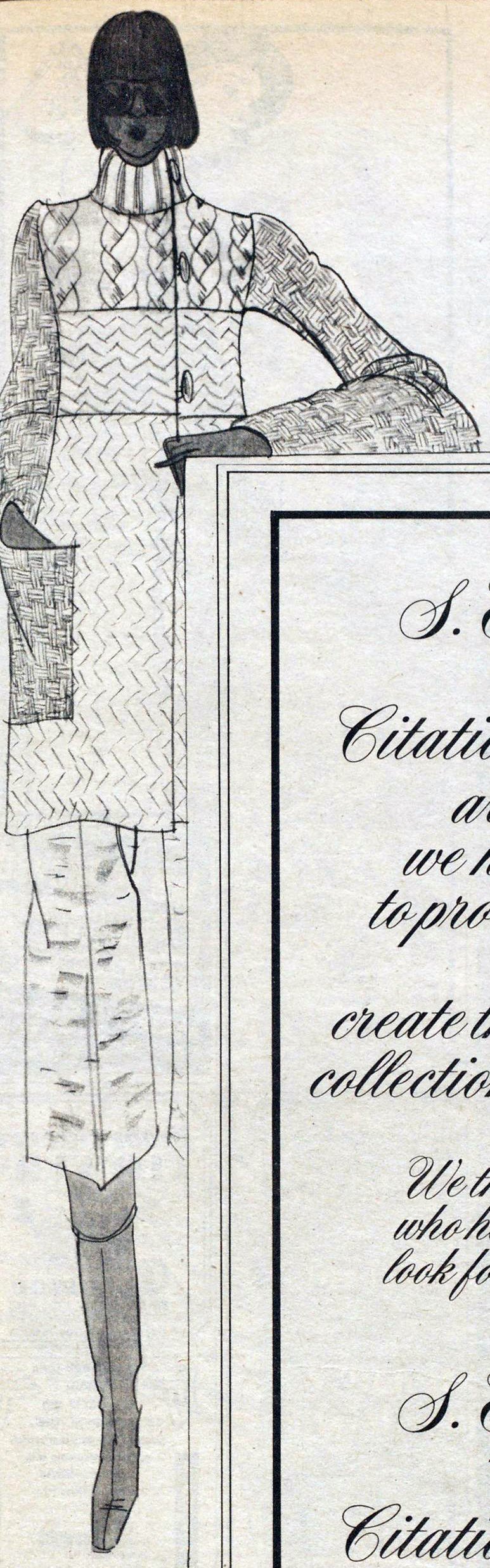
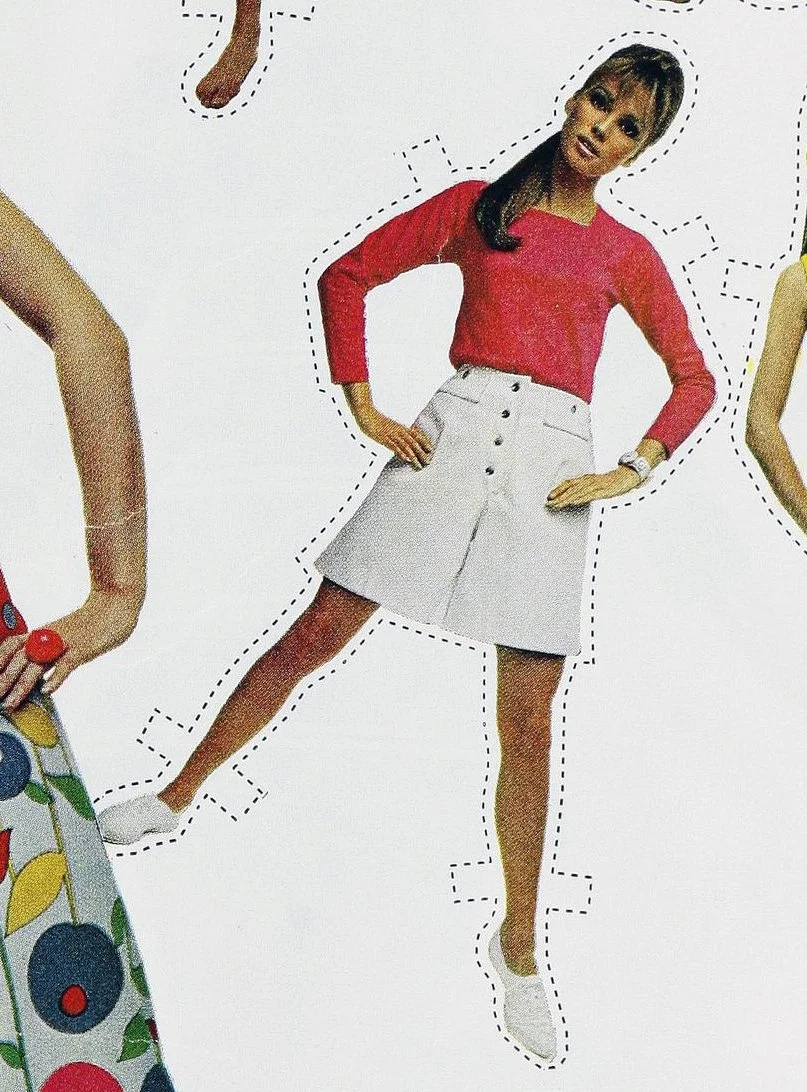
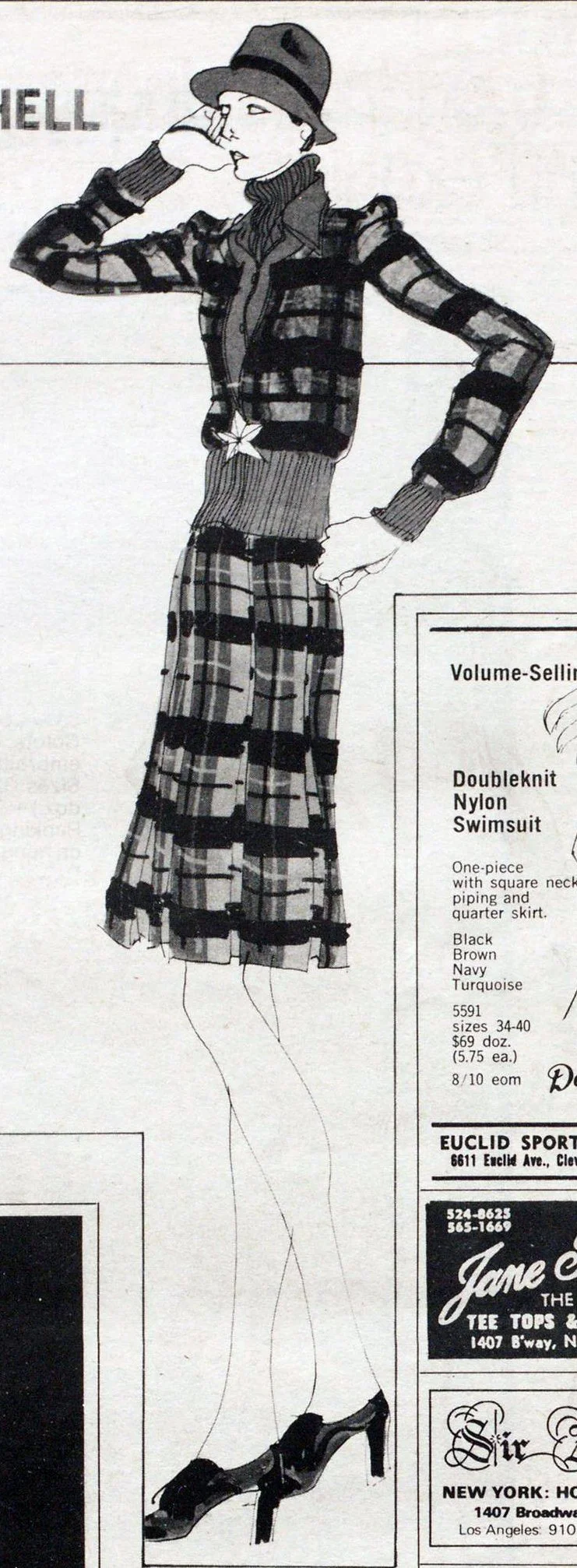
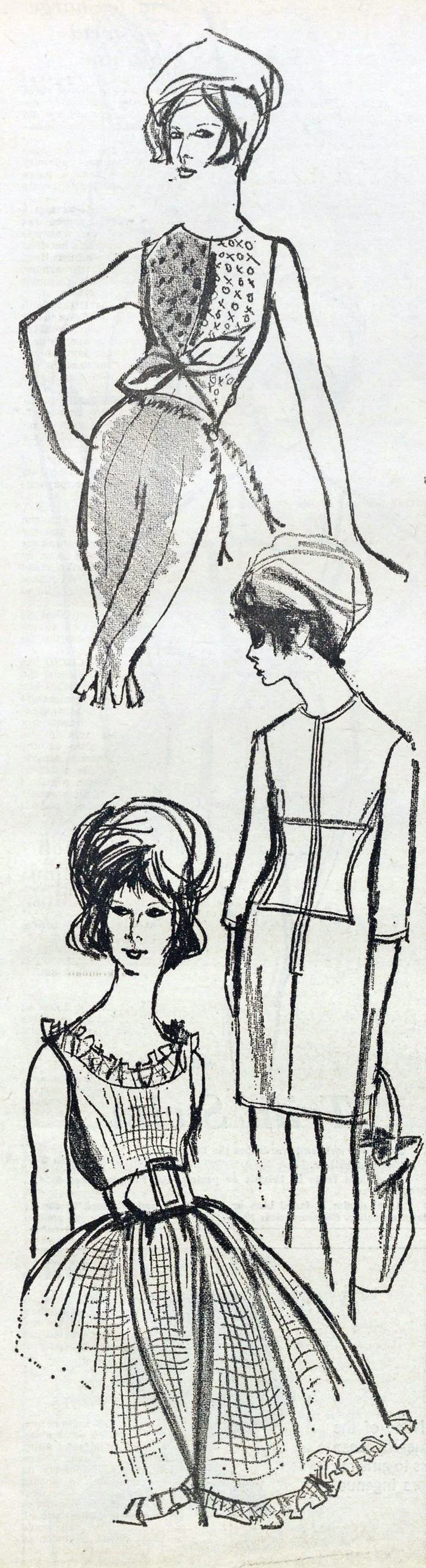
Some of Erika Elias’ design work post-Charlie’s Girls, for brands including R.S.C. and Lady Russ (divisions of Russ Togs) and Fay’s Closet (a division of Leslie Fay):