
Episode 44: Peter Coyote
I have a Substack newsletter, also called Sighs and Whispers, which covers many of the same themes as this podcast. You should sign up! All financial support of the newsletter allows me the time to write the newsletter, make this podcast, and do my Instagram, so please do consider becoming a paid subscriber.
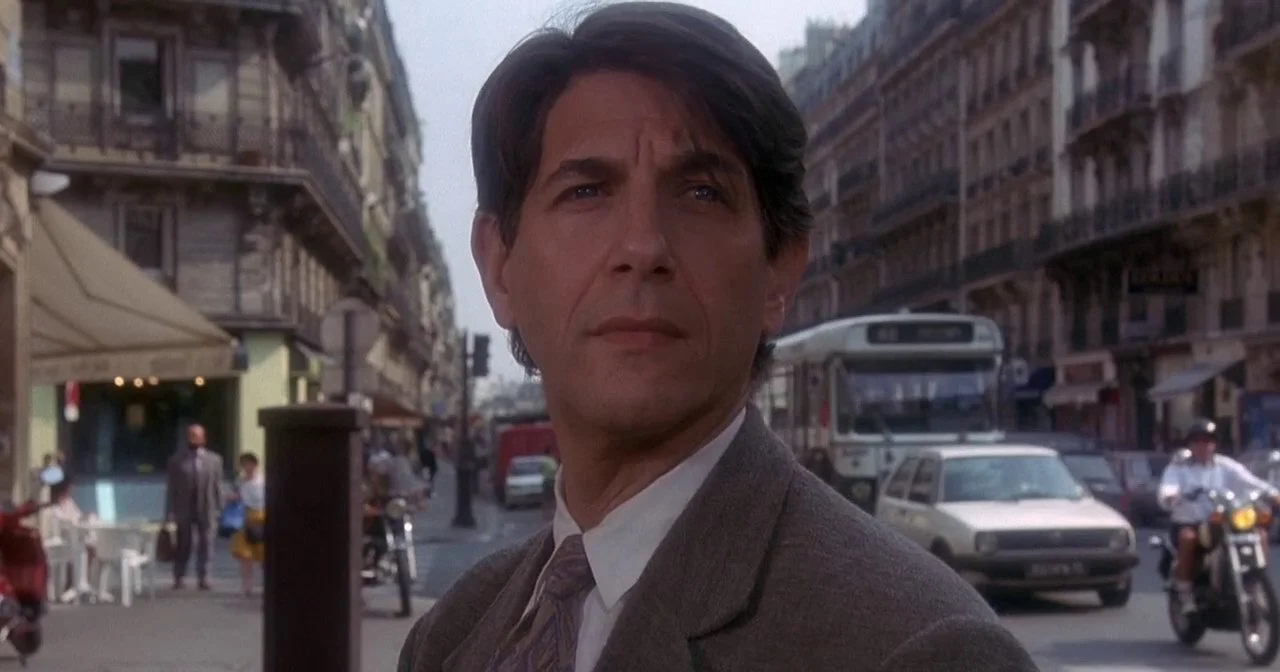
Peter Coyote in Roman Polanski’s Bitter Moon, 1992.
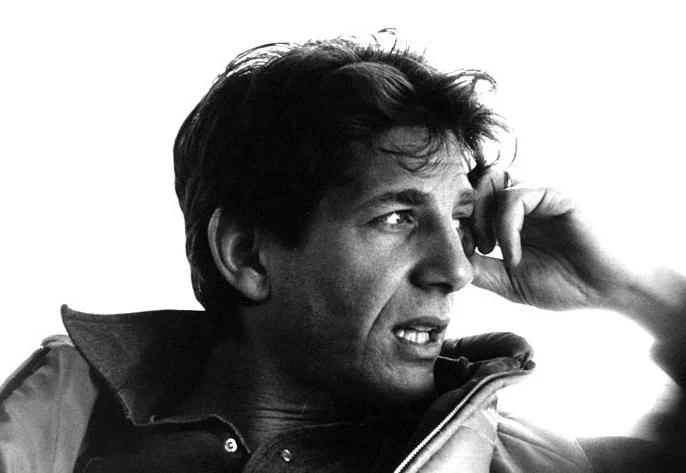
Even if you don’t know who Peter Coyote is, you will recognize his voice. He is a writer, actor, voice over artist, Zen Buddhist priest, and countercultural icon, but it is his authoritative baritone and work narrating many of Ken Burns’ documentaries that has led him to be described as the “voice of America”—retelling the story of the United States through (and these are just some of them) The West, The National Parks, Prohibition, The Dust Bowl, The Vietnam War, Country Music, and most recently, The American Revolution. I grew up—and likely you did too—with him, both the unseen narrator of countless commercials, of everything from General Motors to Tylenol, and as an actor in such global sensations as ET and Outrageous Fortune and international arthouse cult classics as Kika and Bitter Moon. This is one of those conversations that I had long dreamed of having and still can’t quite believe that I was lucky enough to have.
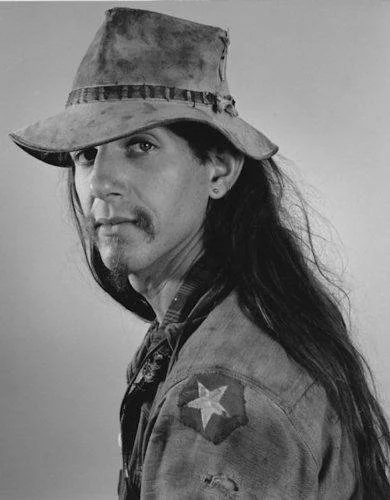
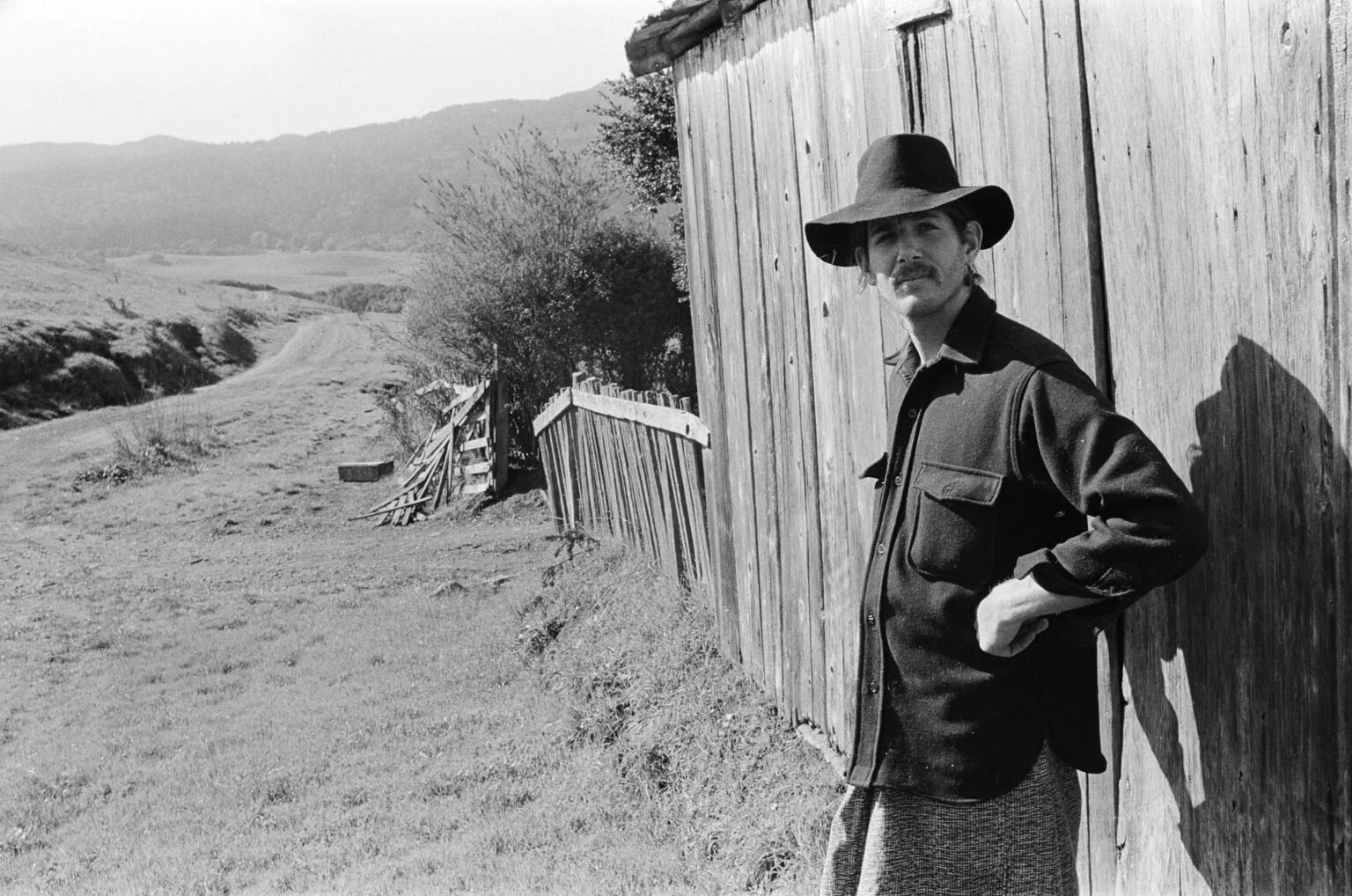
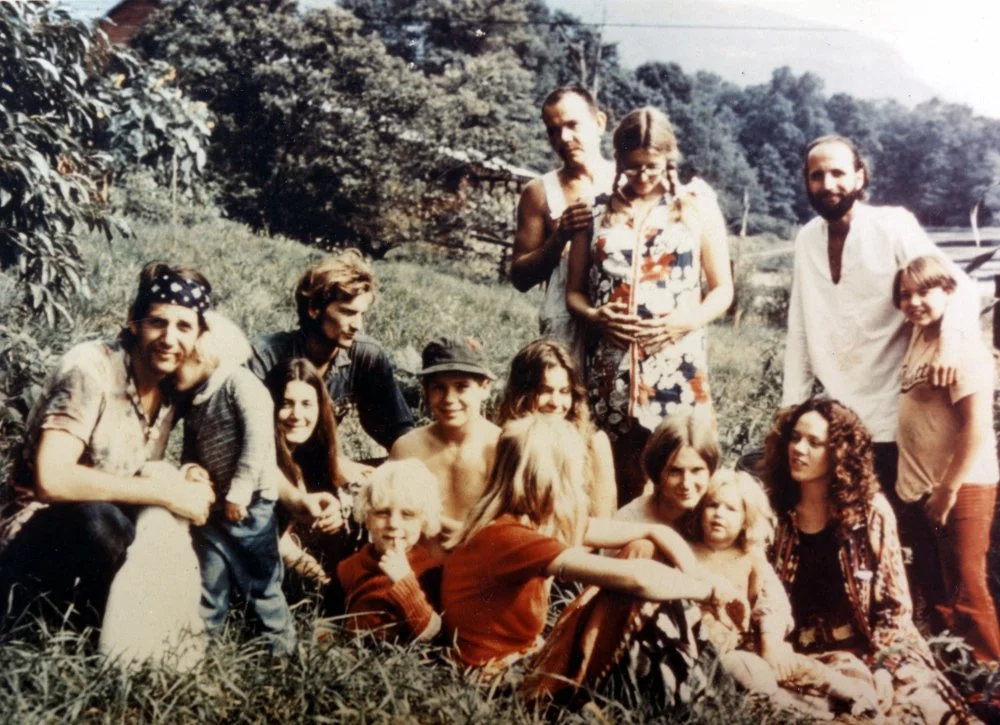
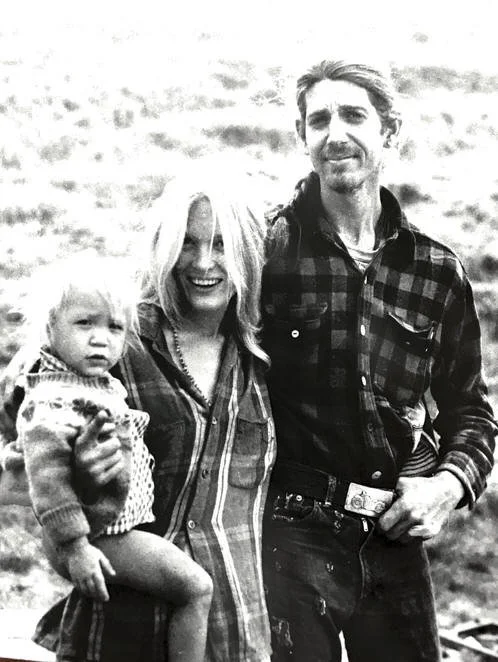
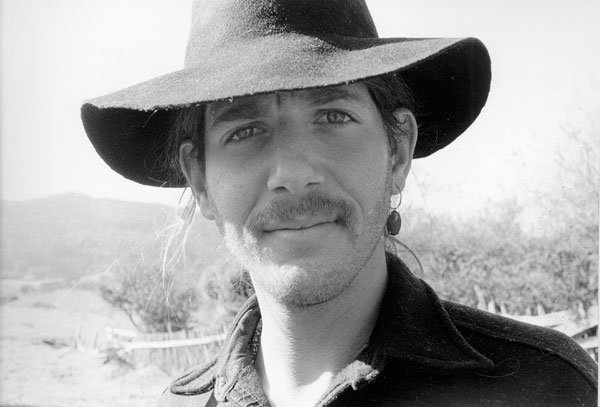
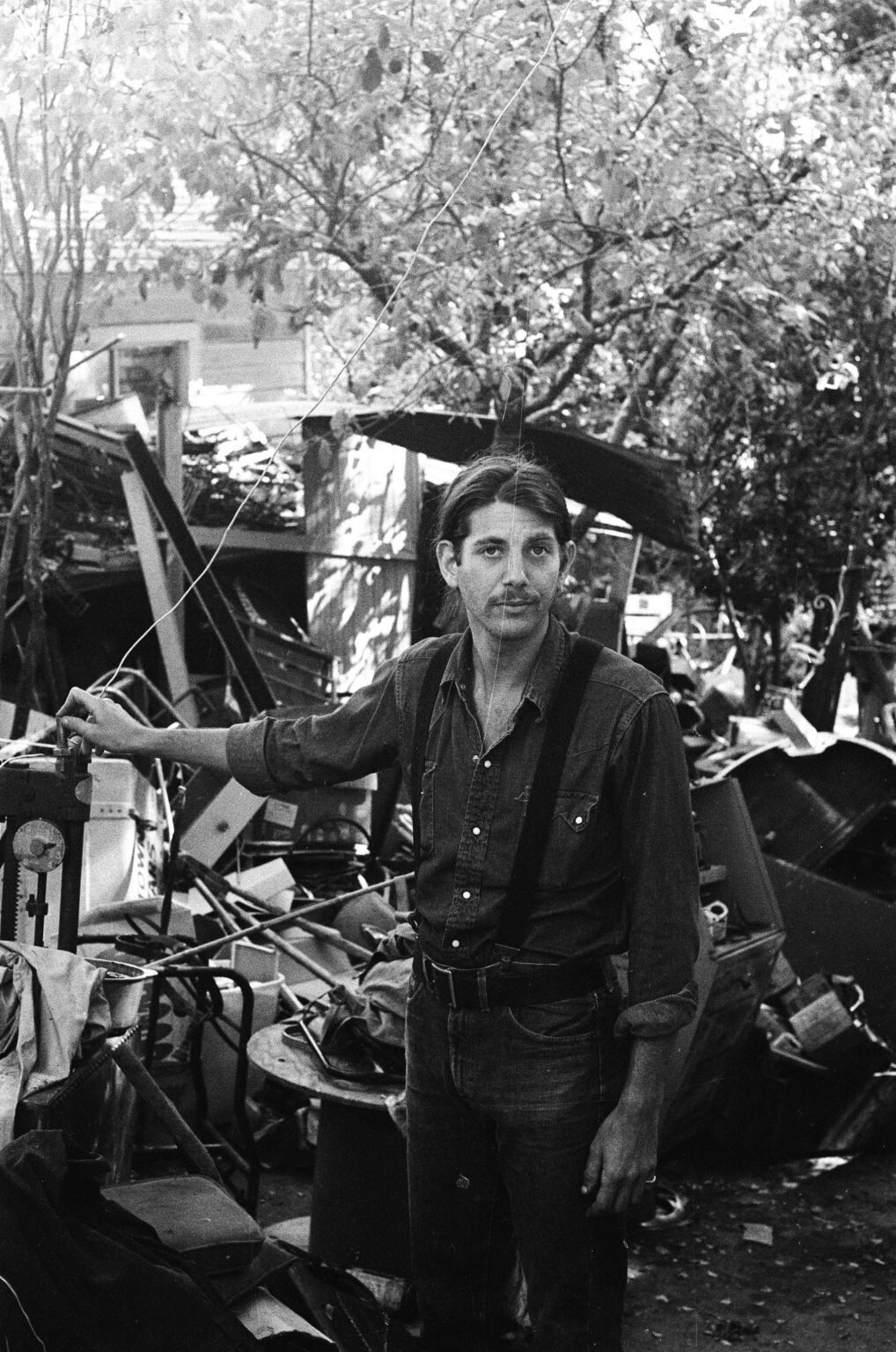
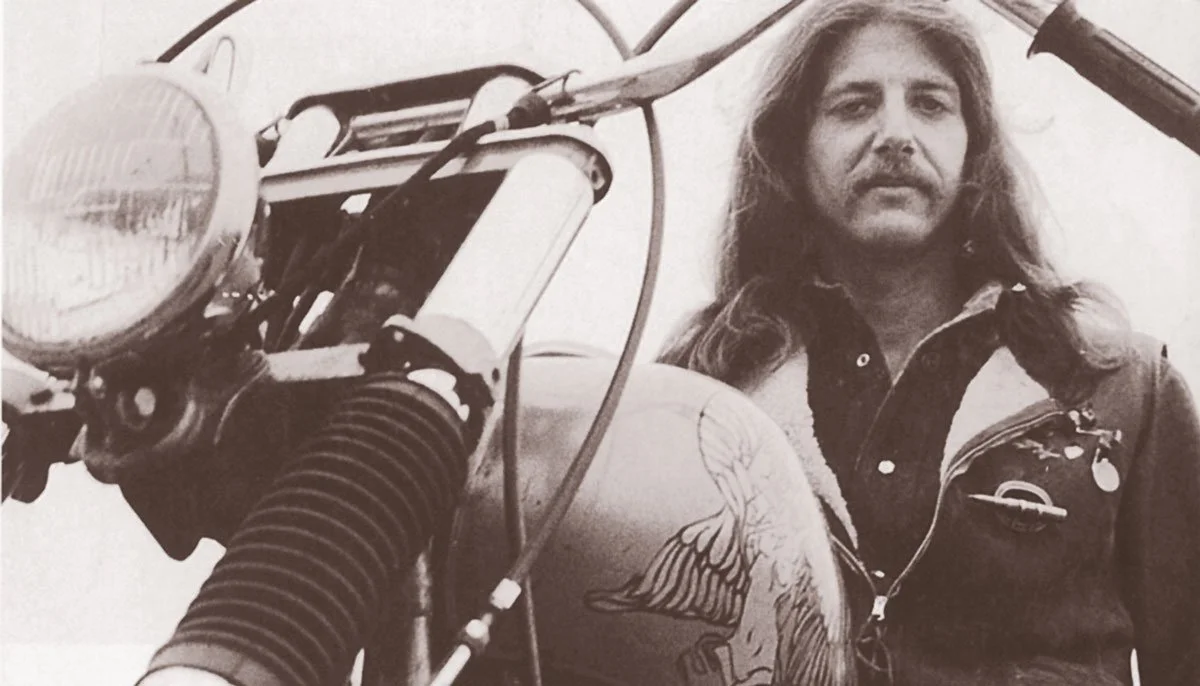
Peter Coyote came to screen acting and fame in his 40s, leading a wild and colorful life of adventure on the edges of society before that. His first memoir, Sleeping Where I Fall, documents his exclusive suburban childhood and turn to the counterculture. Coyote was a founding member of the Diggers, a San Francisco anarchist collective that combined street theater, anarcho-direct action, and art happenings in their social agenda of creating a Free City. Seeking to create a new society free from the dictates of capitalism and money, they distributed free food, established free stores and the first free medical clinic in Haigh-Ashbury, and produced daily leaflets distributed for free. Once the Diggers evolved into the Free Family, Coyote went on to live on several communes, even establishing a doomed one on his father’s beloved cattle ranch. Drugs and the downfall of the counterculture brought Peter Coyote to Zen Buddhism in the mid-70s, which shifted the tenor and direction of his life and career, bringing him into the arts and eventually back into acting, something he had first attempted in the mid-60s as part of the San Francisco Mime Troupe.
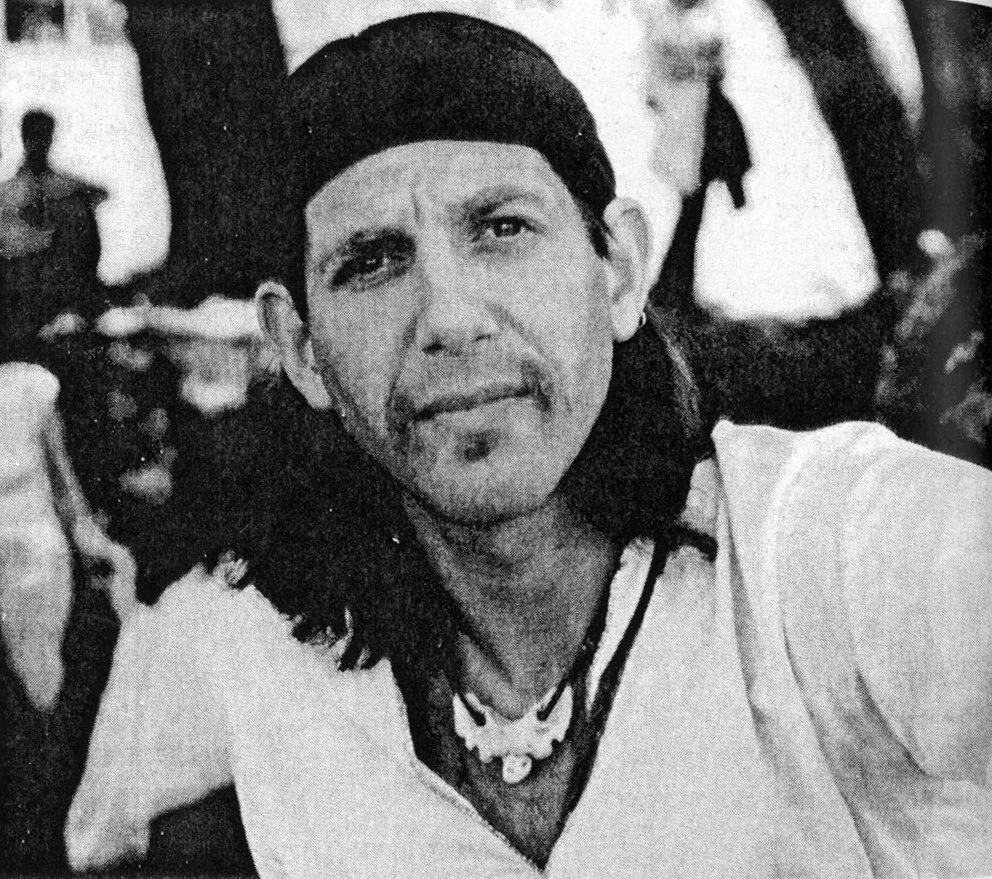
Peter Coyote, while chairman of the California Arts Council, 1976. Scanned from Sleeping Where I Fall.
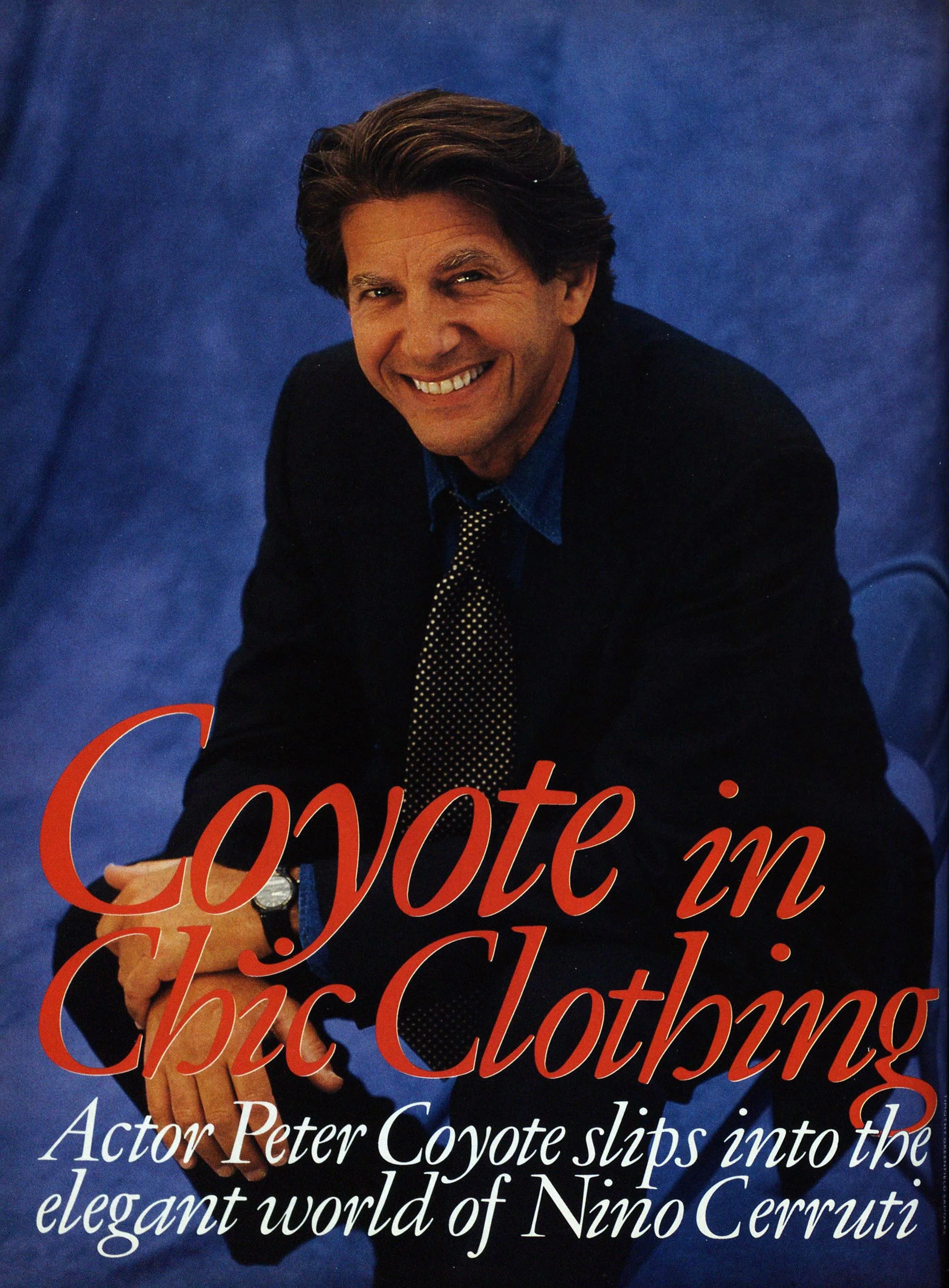
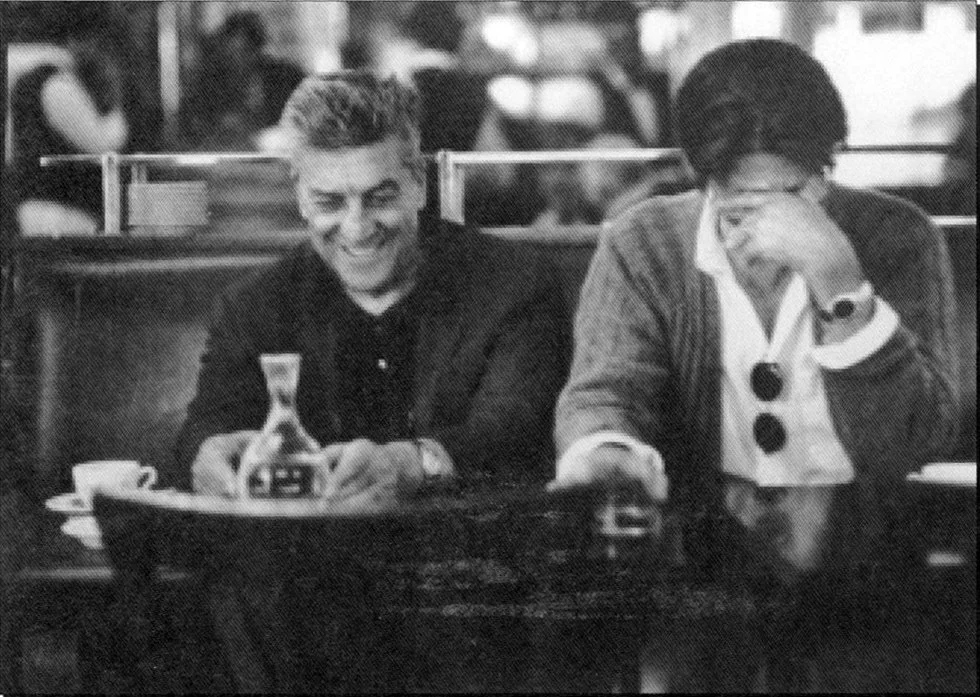
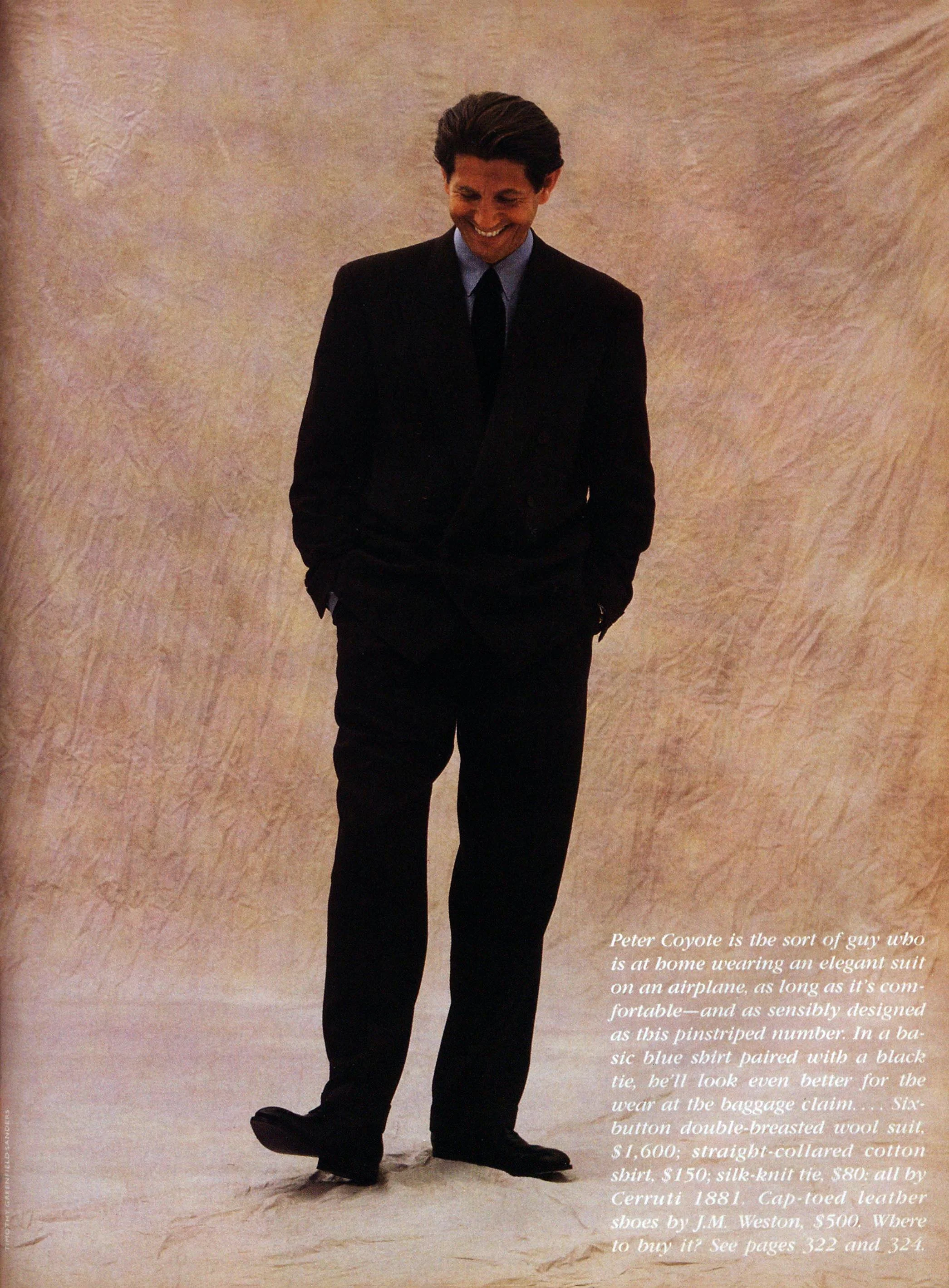
His time working as an artist under the Comprehensive Employment and Training Act (CETA) in the mid-70s led him to become part of the San Francisco Arts Commission before, in 1976, Governor Jerry Brown appointed him to the California Arts Council, where he served until 1983 (three years as Chair). He was a long-haired hippie in a room full of suits—something that would prepare him well for his move into acting in 1978. A star-making performance as the lead in the world premiere of Sam Shepard's True West brought him an agent and a Hollywood career—one of his first films was as the mysterious government agent Keys in Steven Spielberg’s E.T. the Extra-Terrestrial (1982). A successful career in the United States brought him to Europe, where he became a bona fide movie star, working with auteurs (Almodóvar, Polanski) and becoming a Cannes mainstay. In the early 1990s, he modeled for the Italian menswear brand Cerruti 1881, establishing a deep friendship with designer Nino Cerruti, whom he looked up to as a mentor. While major career opportunities slowed in the 1990s, Coyote continued to act in film and television, in addition to moonlighting doing voiceovers for commercials and documentaries. His career underwent a major resurgence in 2009 when he began his long partnership with Ken Burns (he had previously narrated a series executive produced by Burns); as of writing, Peter has narrated 11 documentary miniseries directed by Burns. Throughout all the ups and downs of moviemaking and the difficulties of balancing family life with a career on the road, Coyote maintained his Zen meditation practice, finding in it his center. In 2015, he was ordained as a Zen Priest.
Coyote is a very beautiful, precise yet poetic writer, and I consider both his memoirs, Sleeping Where I Fall and The Rainman’s Third Cure: An Irregular Education, to be must-reads for everyone; the former charts his time in the counterculture, while the latter follows the mentors who impacted his life (among them, his father, Nino Cerruti, and Zen poet Gary Snyder). If you are interested at all in Zen, he has three other books that look at Zen Buddhism from different angles: The Lone Ranger and Tonto Meet the Buddha, on using masks and meditation to induce liberated states; Tongue of a Crow, a book of poetry; and Zen in the Vernacular: Things As It Is, based on some dharma talks he gave during the pandemic.
While this conversation primarily focuses on his early life and years in the counterculture, we jump around throughout his history, Zen, and more. Coyote’s answers are deep and thoughtful, and so worth listening to.