
Episode 43: Sally Ann Parsons

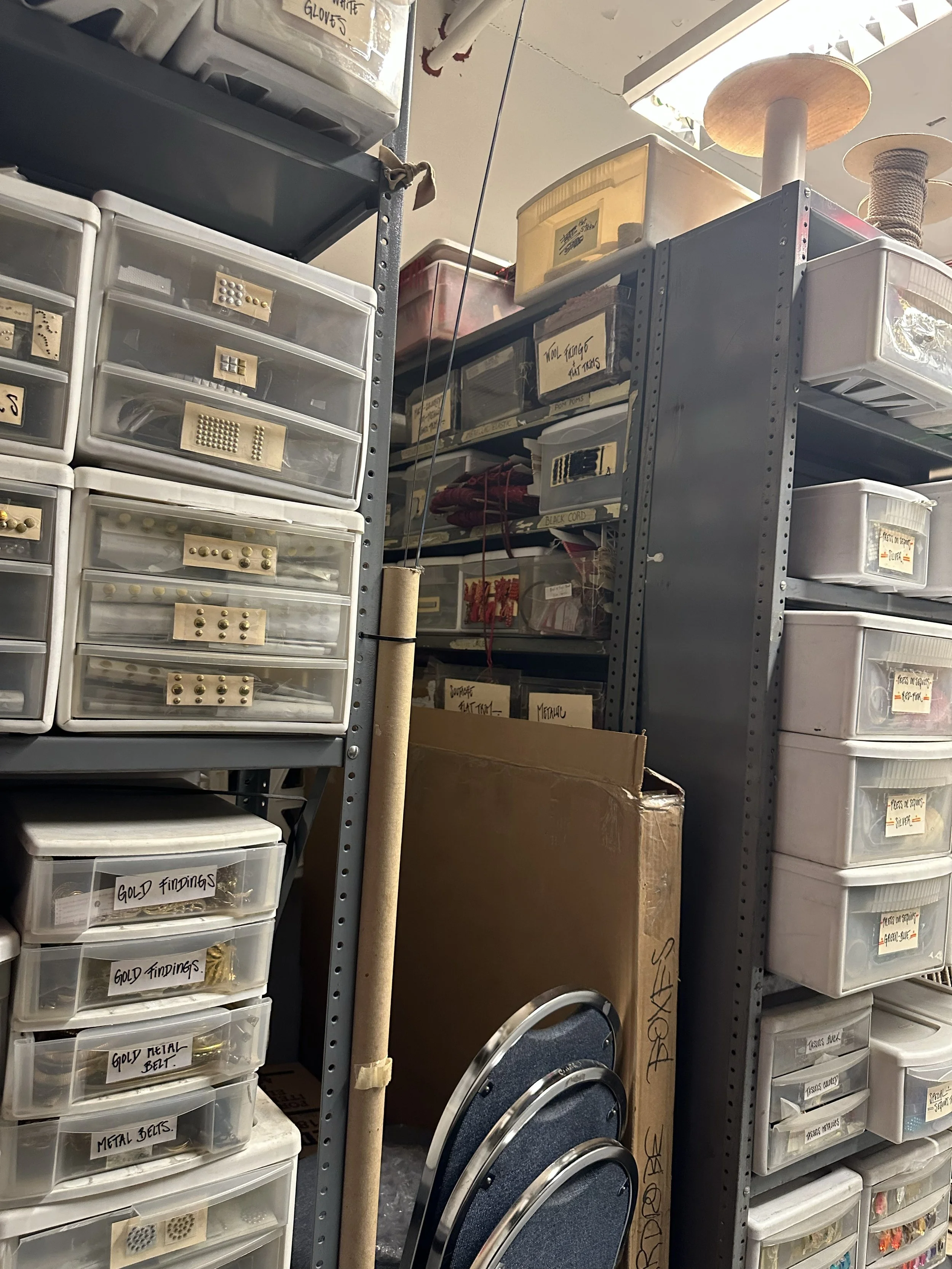
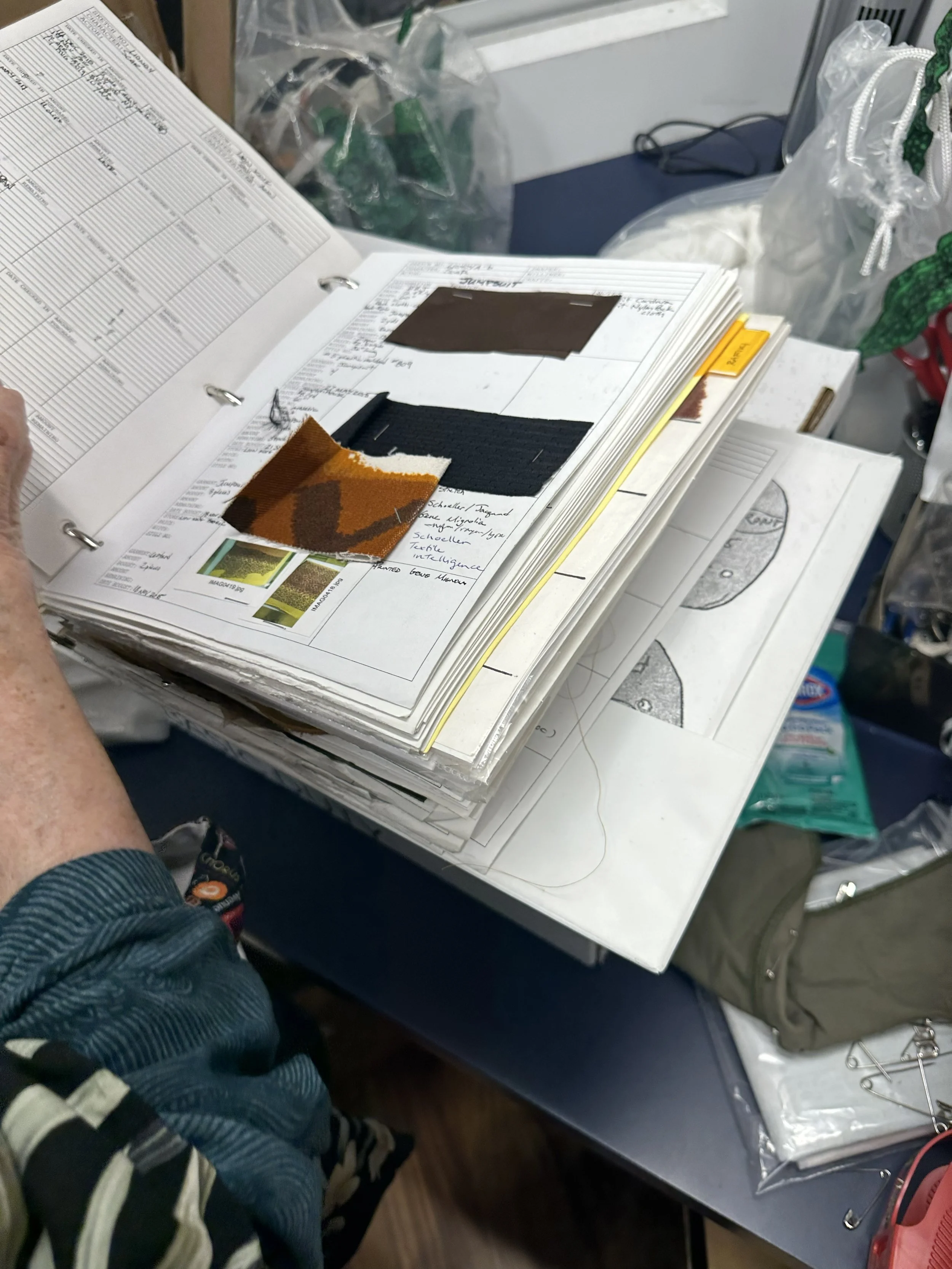
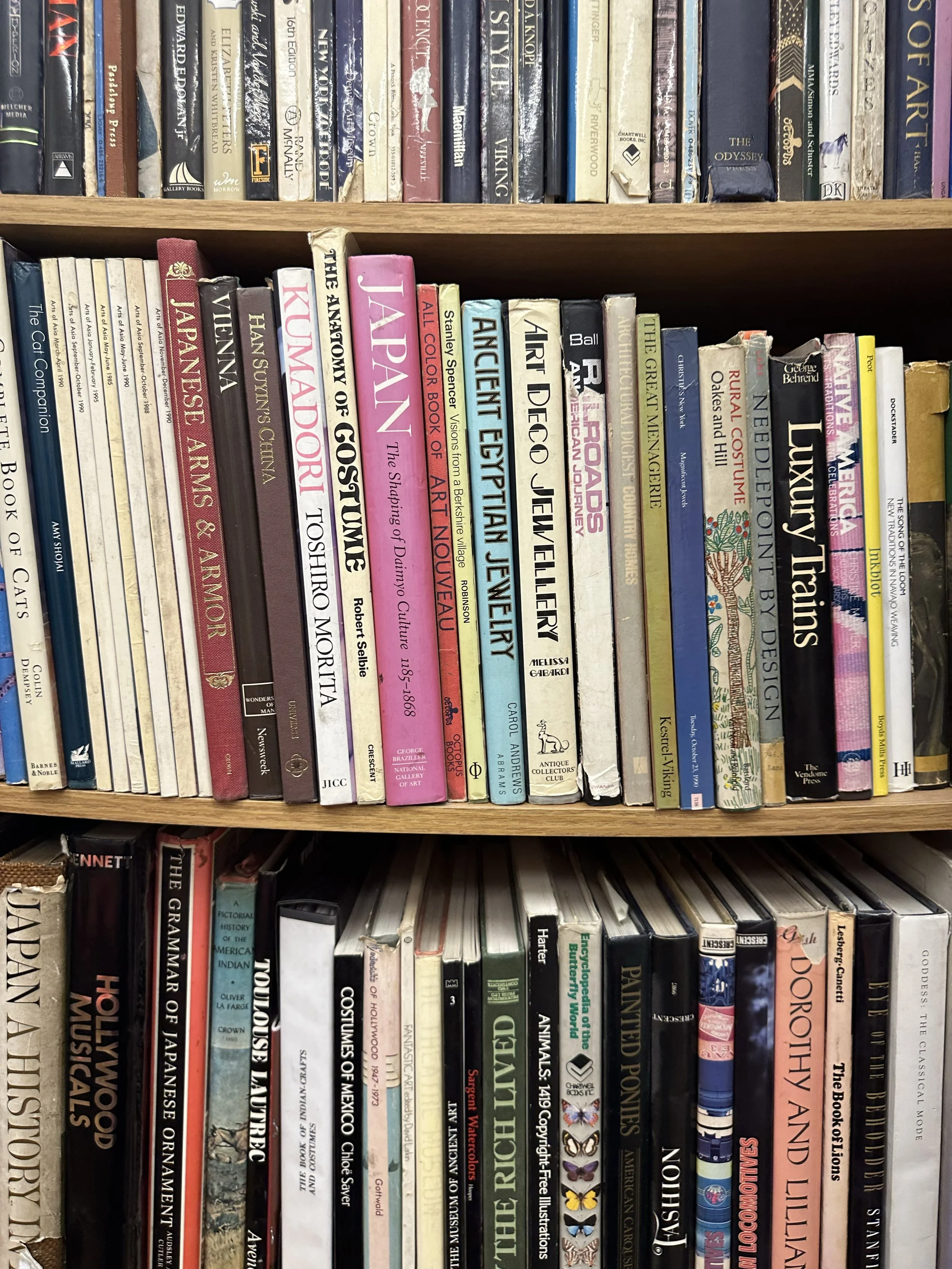
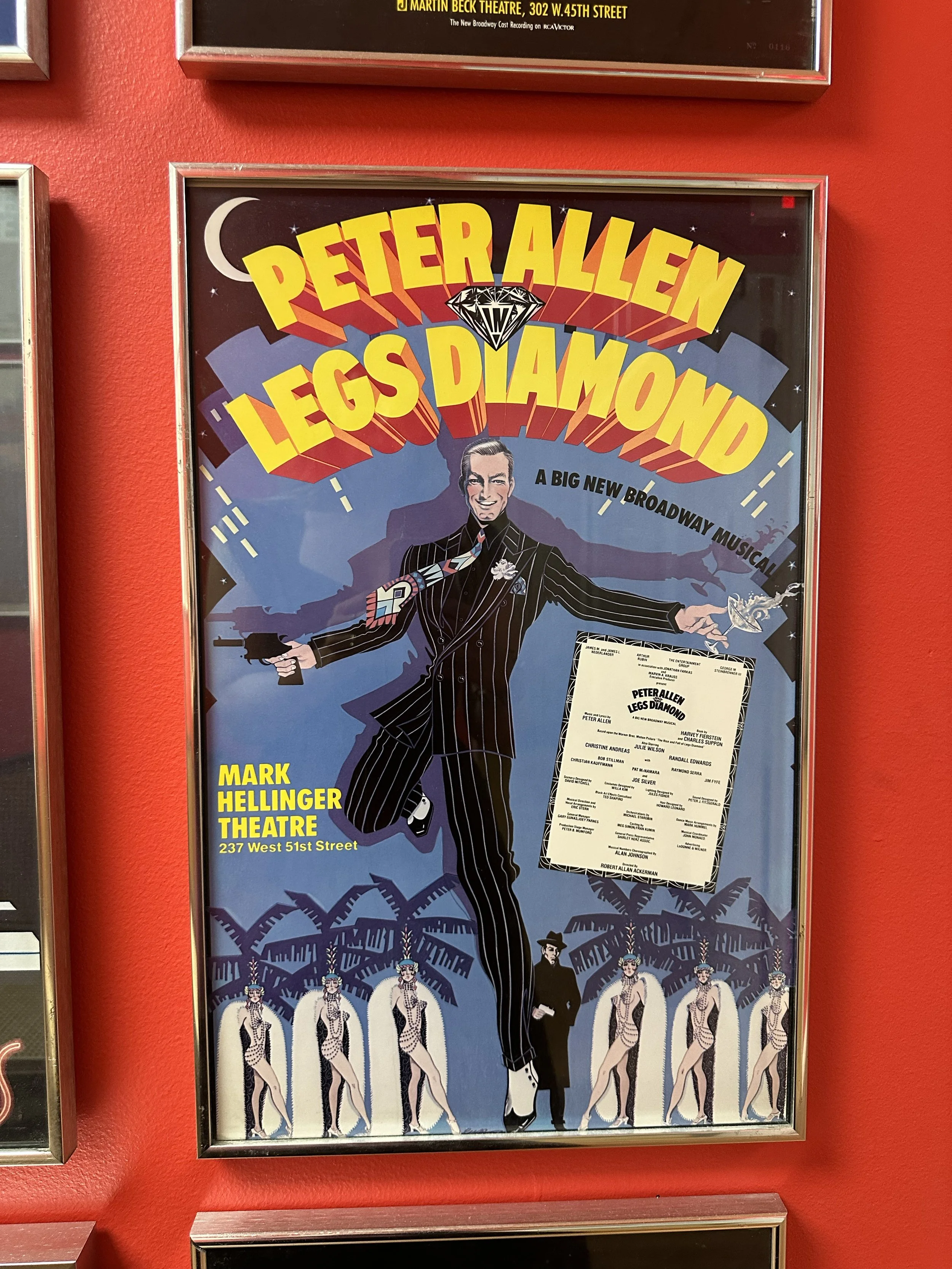
Last year I started a Substack newsletter, also called Sighs and Whispers, which covers many of the same themes as this podcast. You should sign up! I send out one free newsletter a week and one paid—all financial support of the newsletter allows me the time to write the newsletter, make this podcast, and do my Instagram, so please do consider becoming a paid subscriber.

Sally Ann Parsons
Sally Ann Parsons is really the grande dame of the Broadway, dance, and theatre costume worlds. Now in her 80s, she has been involved with the theatre since she was a small child—the daughter of a well-known character actor, Milton Parsons (who you would definitely recognize from his over 160 TV, movie, and commercial appearances), she made her stage debut at 9. Acting brought her to costumes and set design. In the 1970s, in addition to designing costumes for downtown dance troupes and ballets, she began working with stage costumer Ray Diffin and costume designer Willa Kim, before setting up her own costume workshop, Parson-Meares, in 1980 with her husband James Meares.
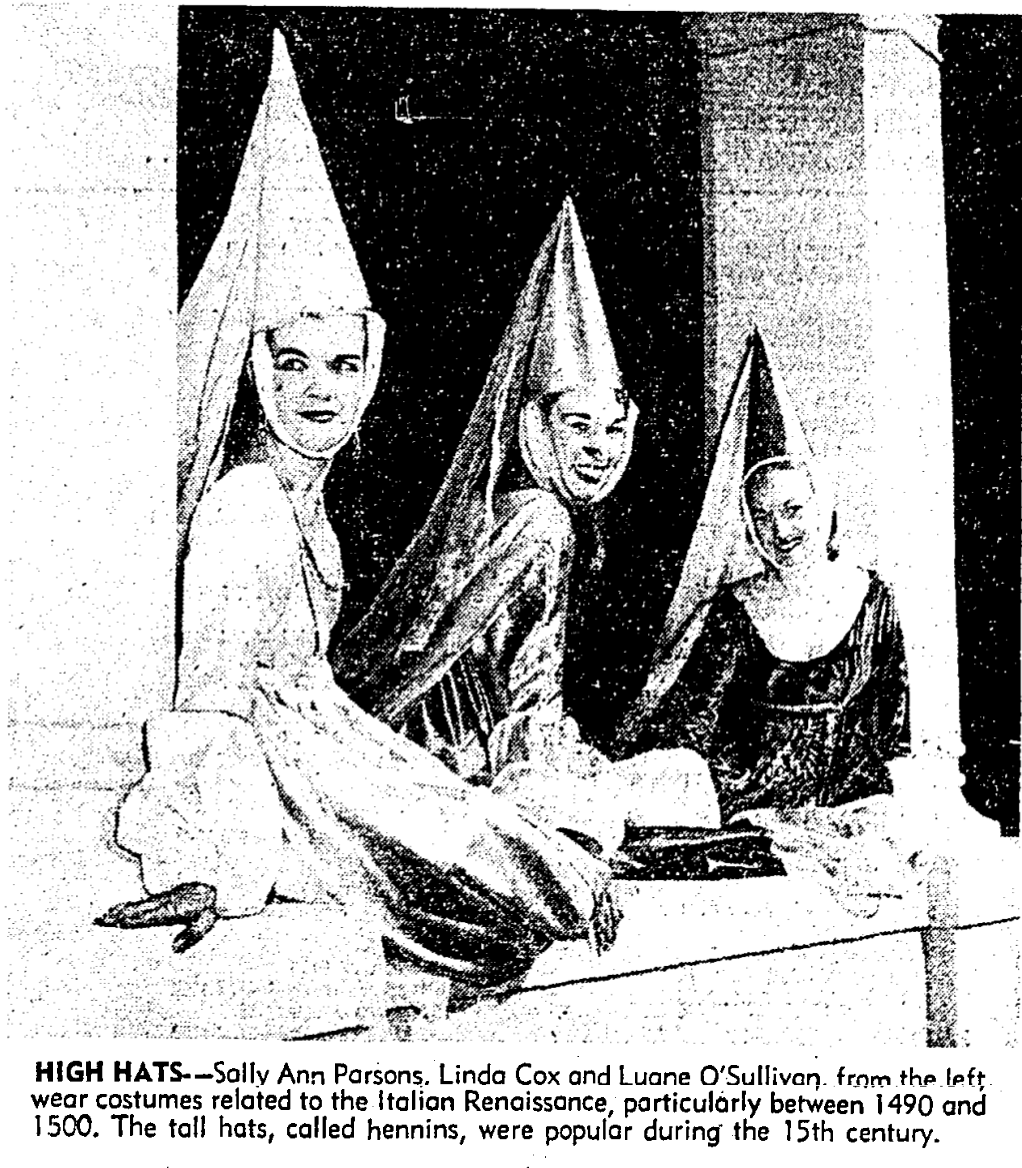
Sally Ann, at left, dressed up in costumes produced while she was a student in Occidental College’s theatre department. Los Angeles Times, March 29, 1959.
Parson-Meares quickly became a Premier Broadway costume shop known for its excellence in artistic and fantastic costumes. Among the many Broadway hits for which she has supervised costume-making are “Hamilton,” “The Lion King,” “Aladdin,” “Wicked,” “Cats,” “Phantom of the Opera,” and “Starlight Express.” Additionally, they have created costumes for the Metropolitan Opera and other opera houses, numerous ballets, Disney on Ice, and the Rockettes. Sally was honored with the Theatre Development Funds’ Irene Sharaff Artisan Award in 2009, and in 2016, Sally Ann was the first costume maker to receive a Tony Honor.
As she details in our conversation, the costume shop and its many workers are responsible for bringing a costume designer’s sketches to life. This might mean scheming how to construct a rigid form that can skate on ice, how to sew a medieval dress capable of high kicks, or how to create a lion’s costume that can survive years of sweaty performances, then shopping and sourcing every single fabric, trim, dye or paint, before the actual production work begins.
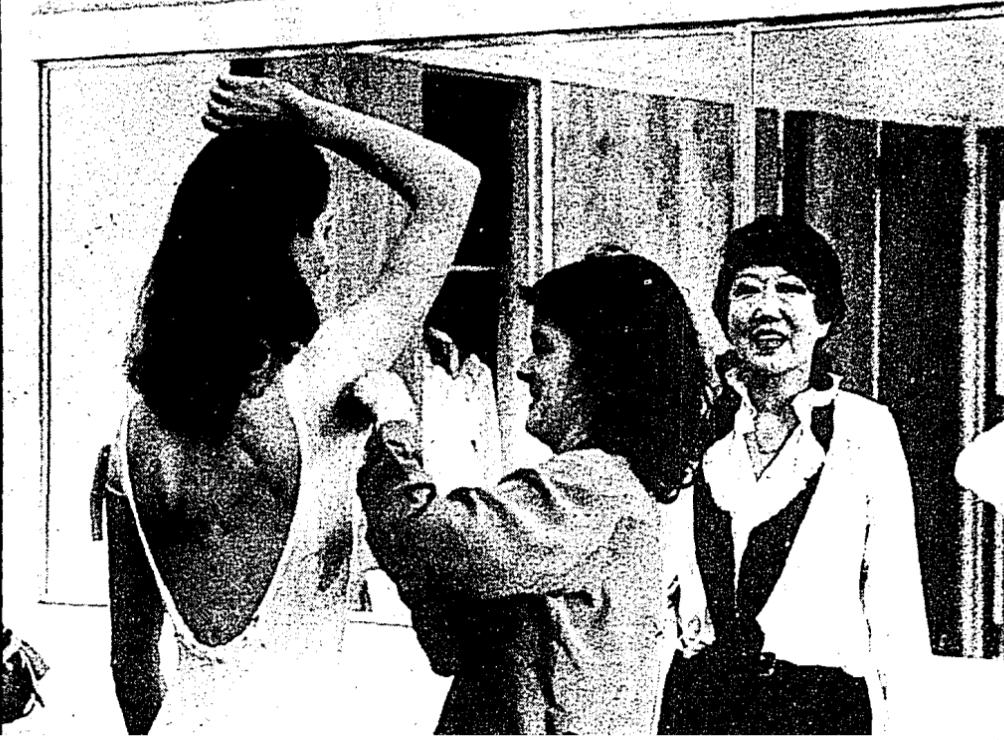
Sally Ann Parsons fitting a costume on dancer Betsy Erickson while costume designer Willa Kim looks on. Newsday, May 4, 1982.
Since the 1980s, costume shops have faced difficulties surviving in New York City’s theatre and garment districts. These difficulties were exacerbated by the pandemic, with the long closures of theatre, TV and movie production imperiling the few remaining costume shops. As part of the Costume Industry Coalition, Sally Ann helped to raise money to give micro-grants to costume shops heavily in debt due to the closures.
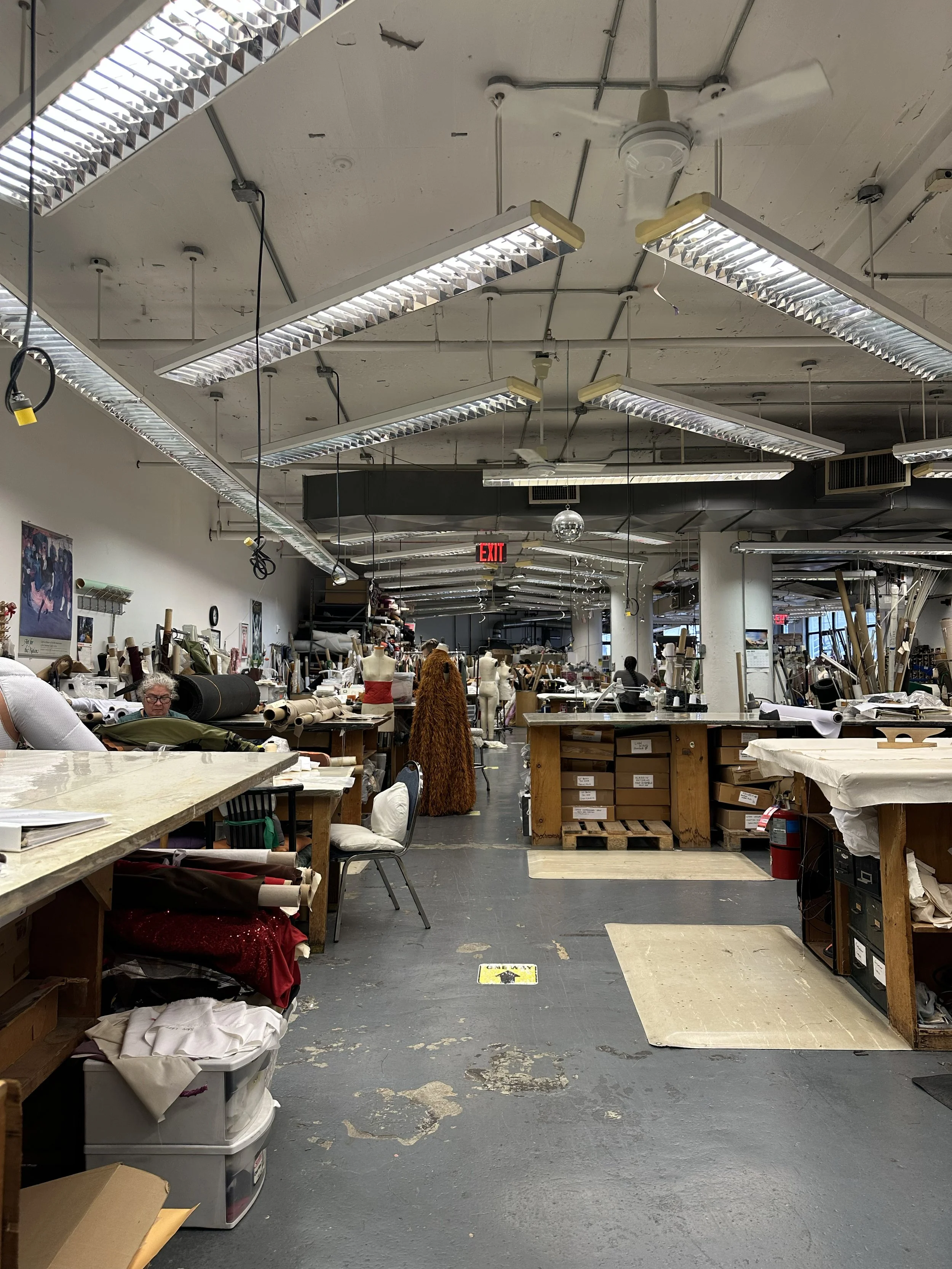
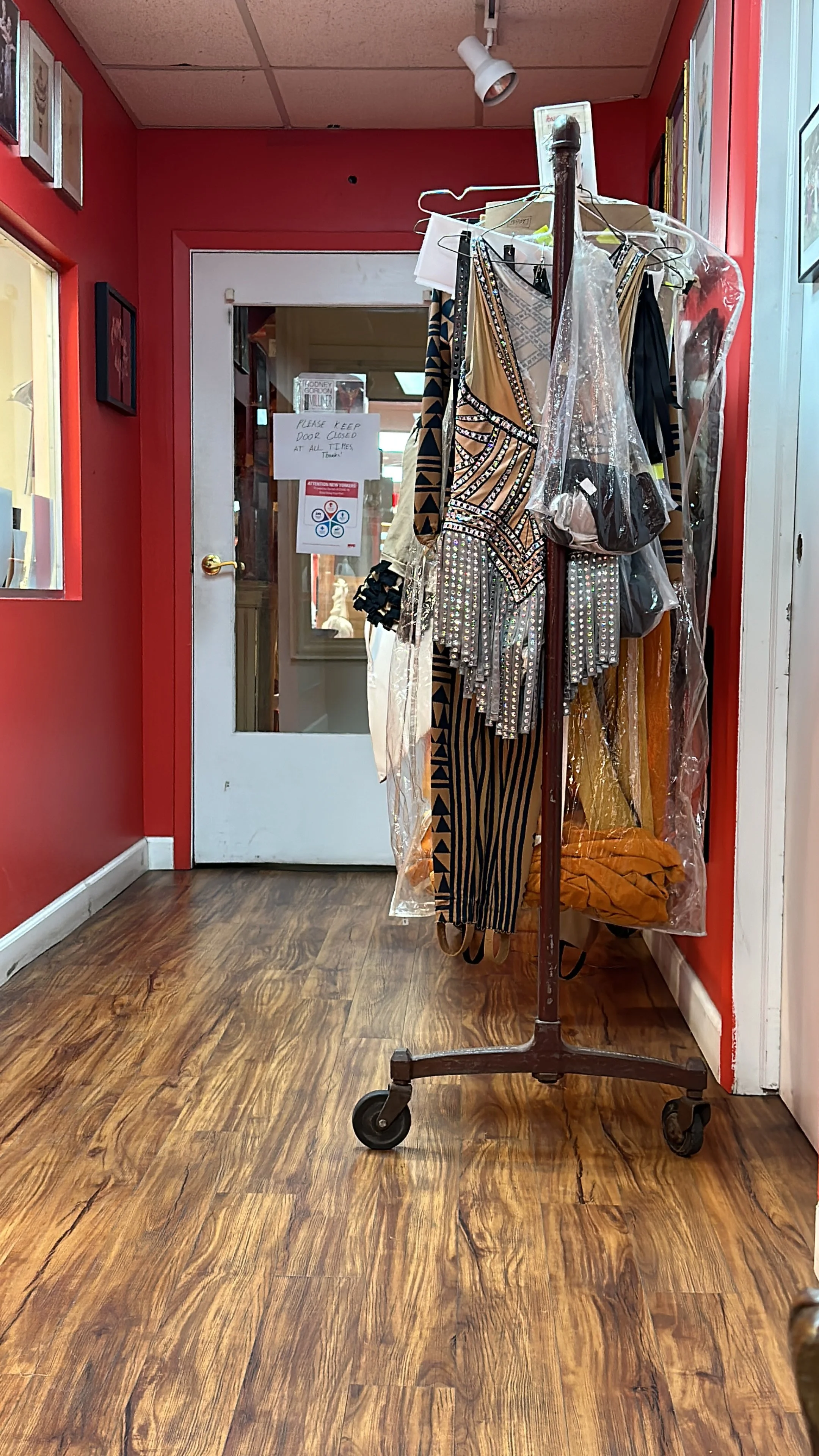
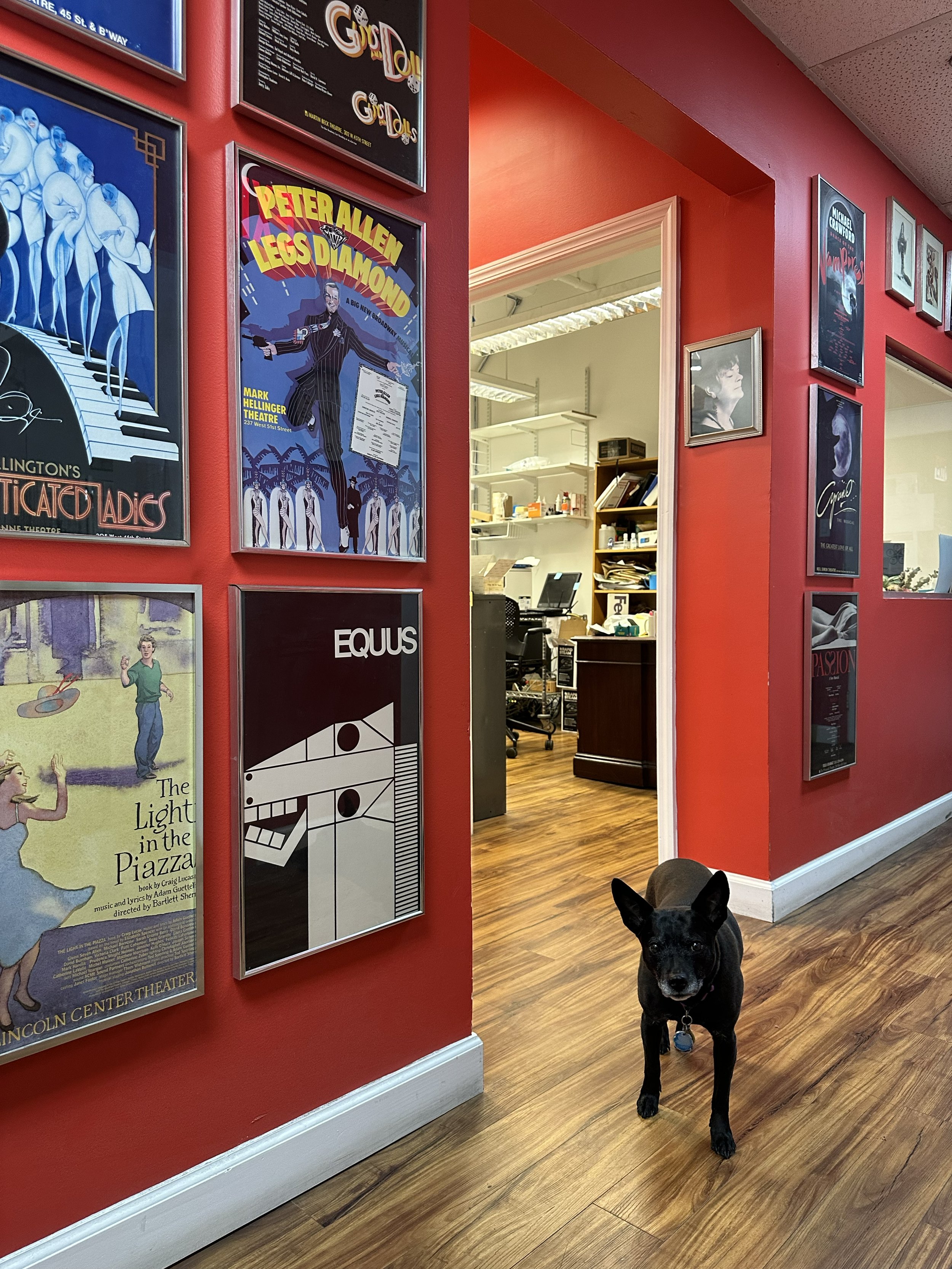
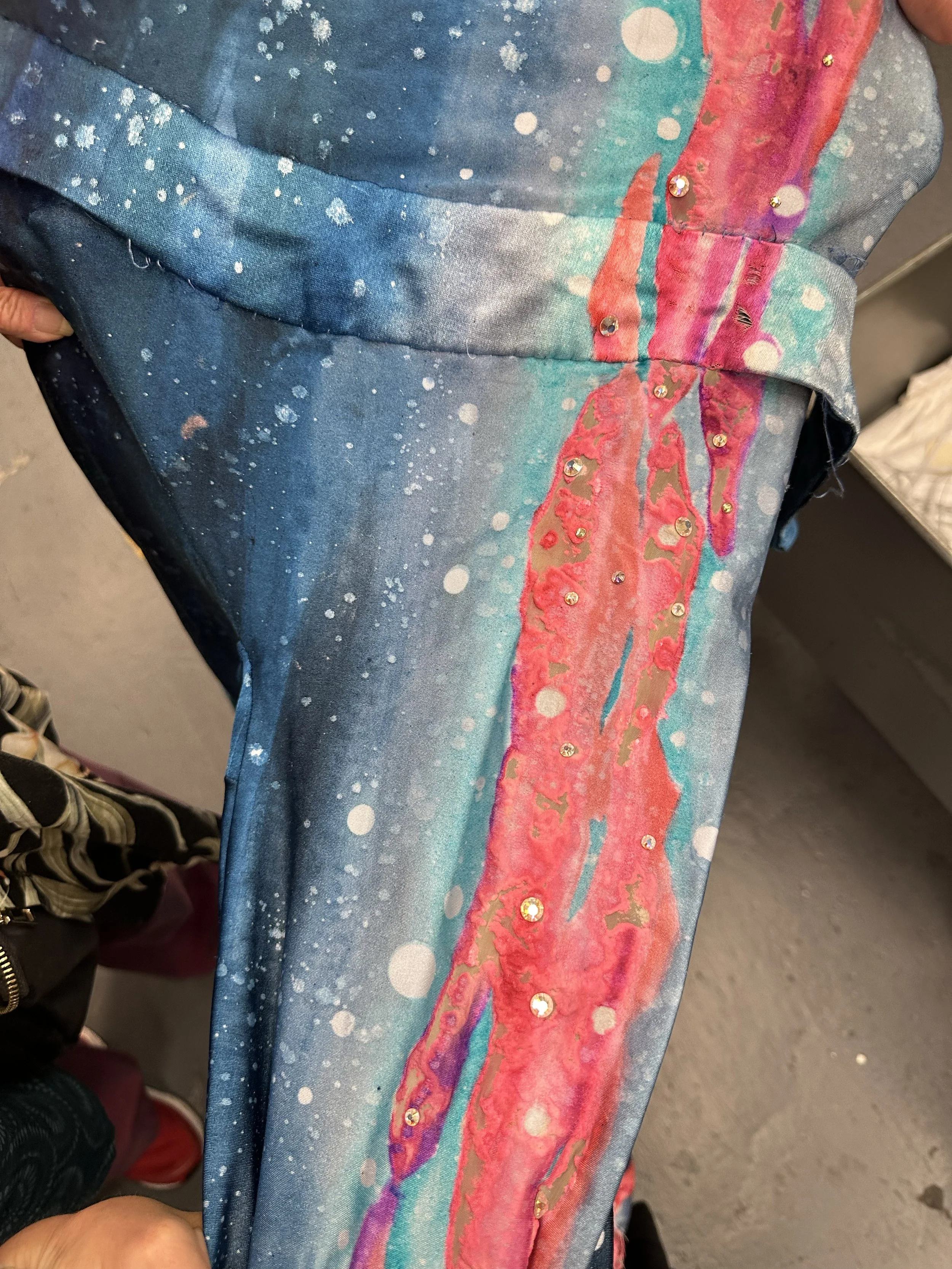
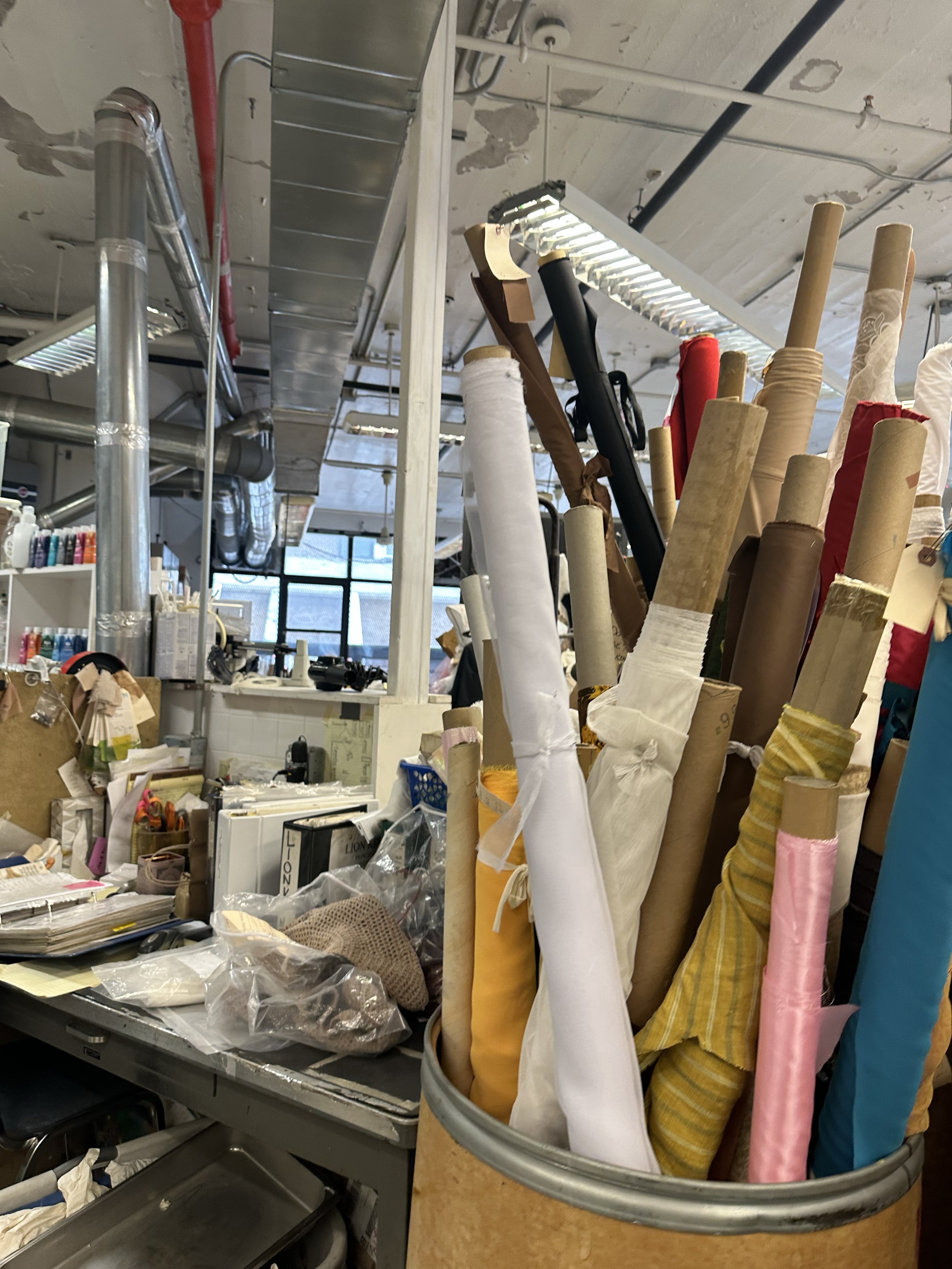
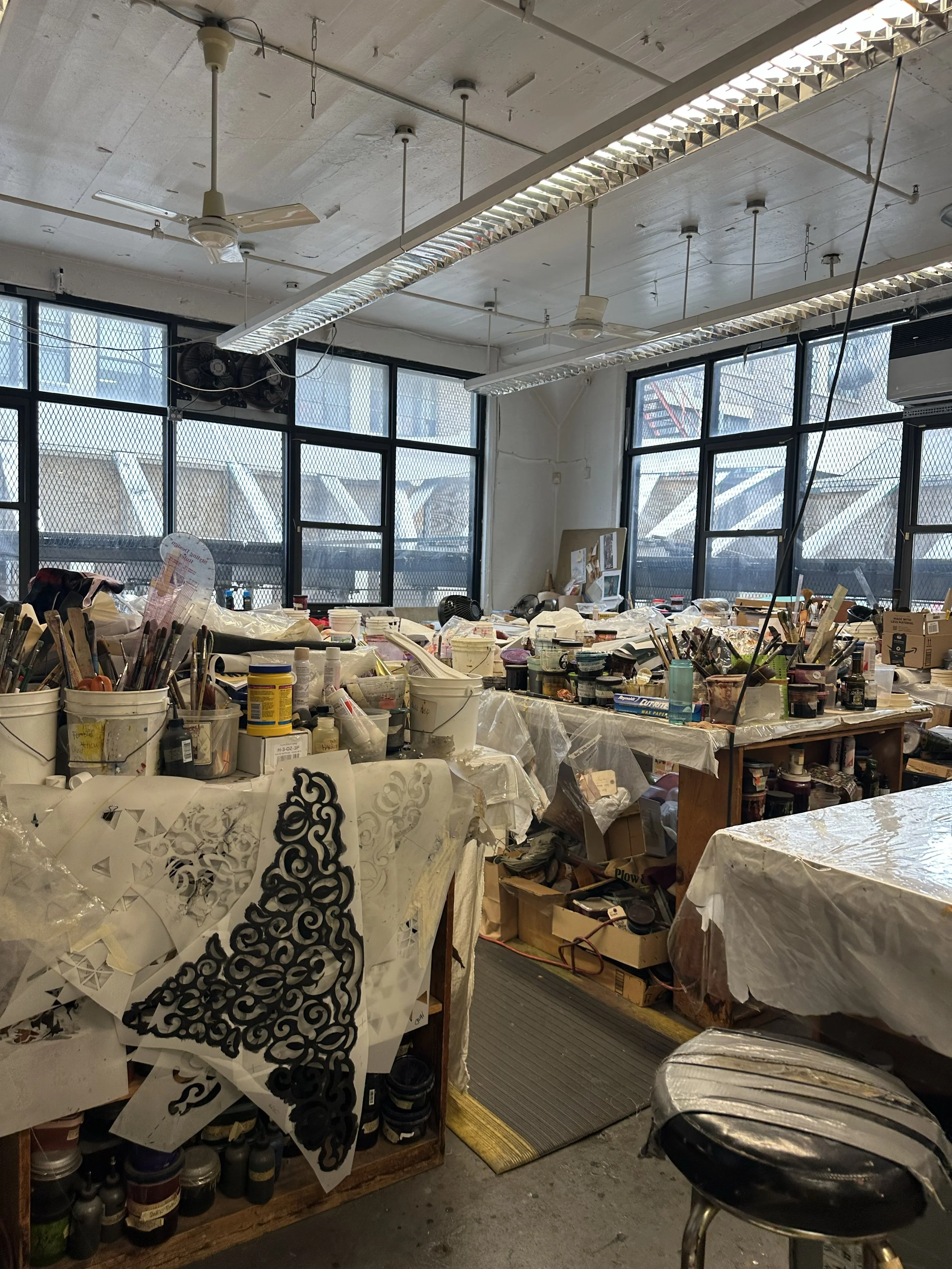
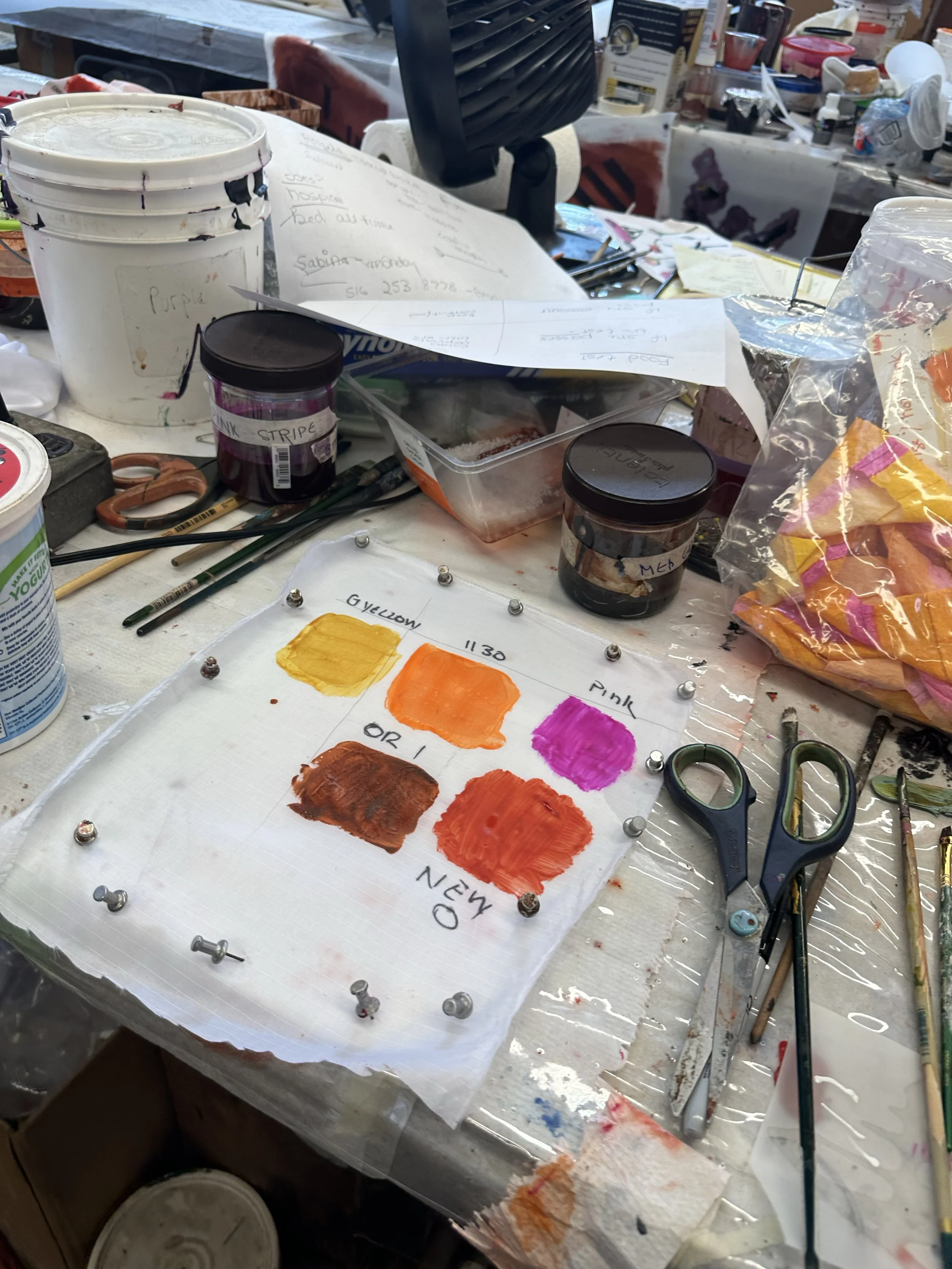
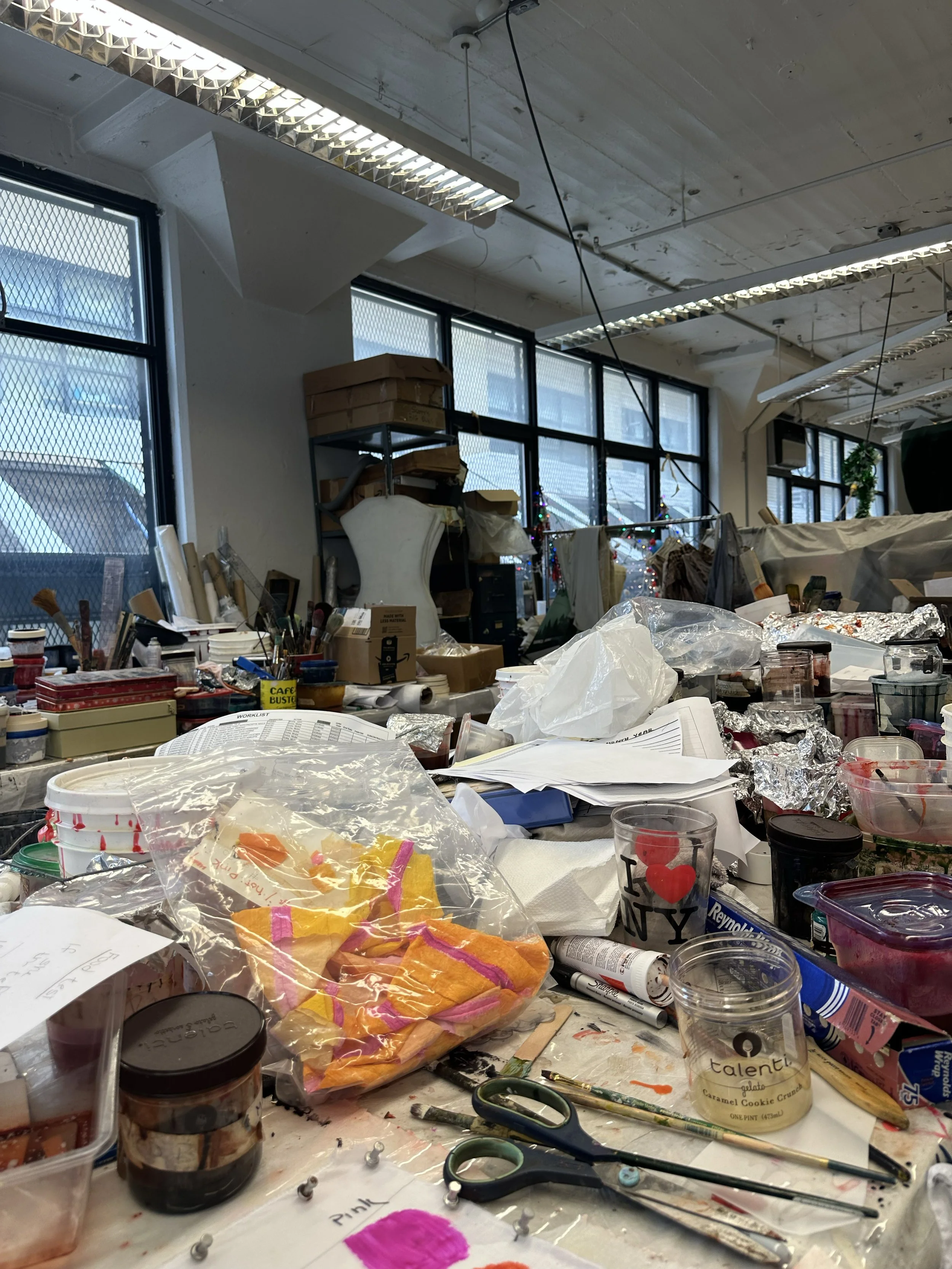
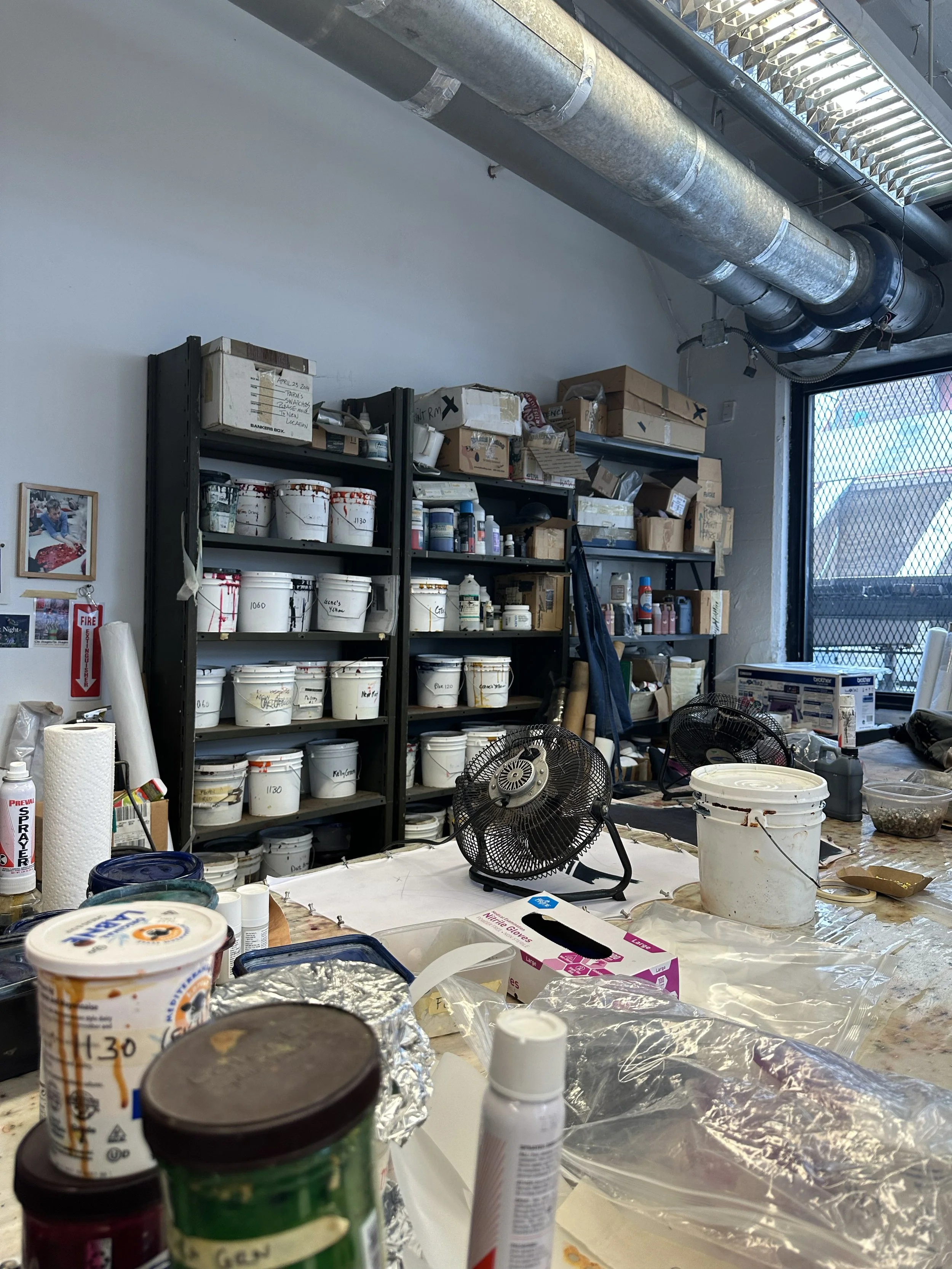
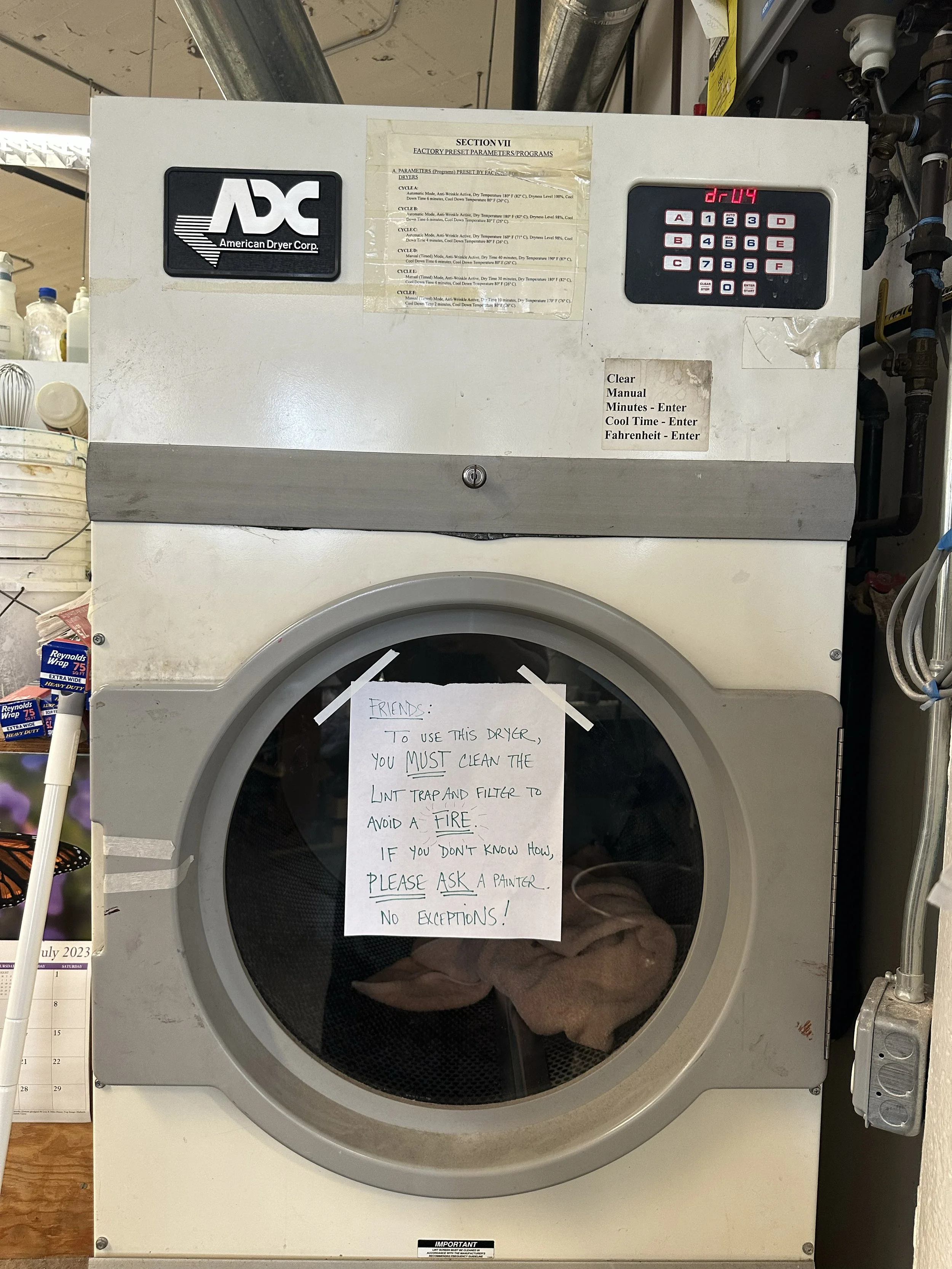
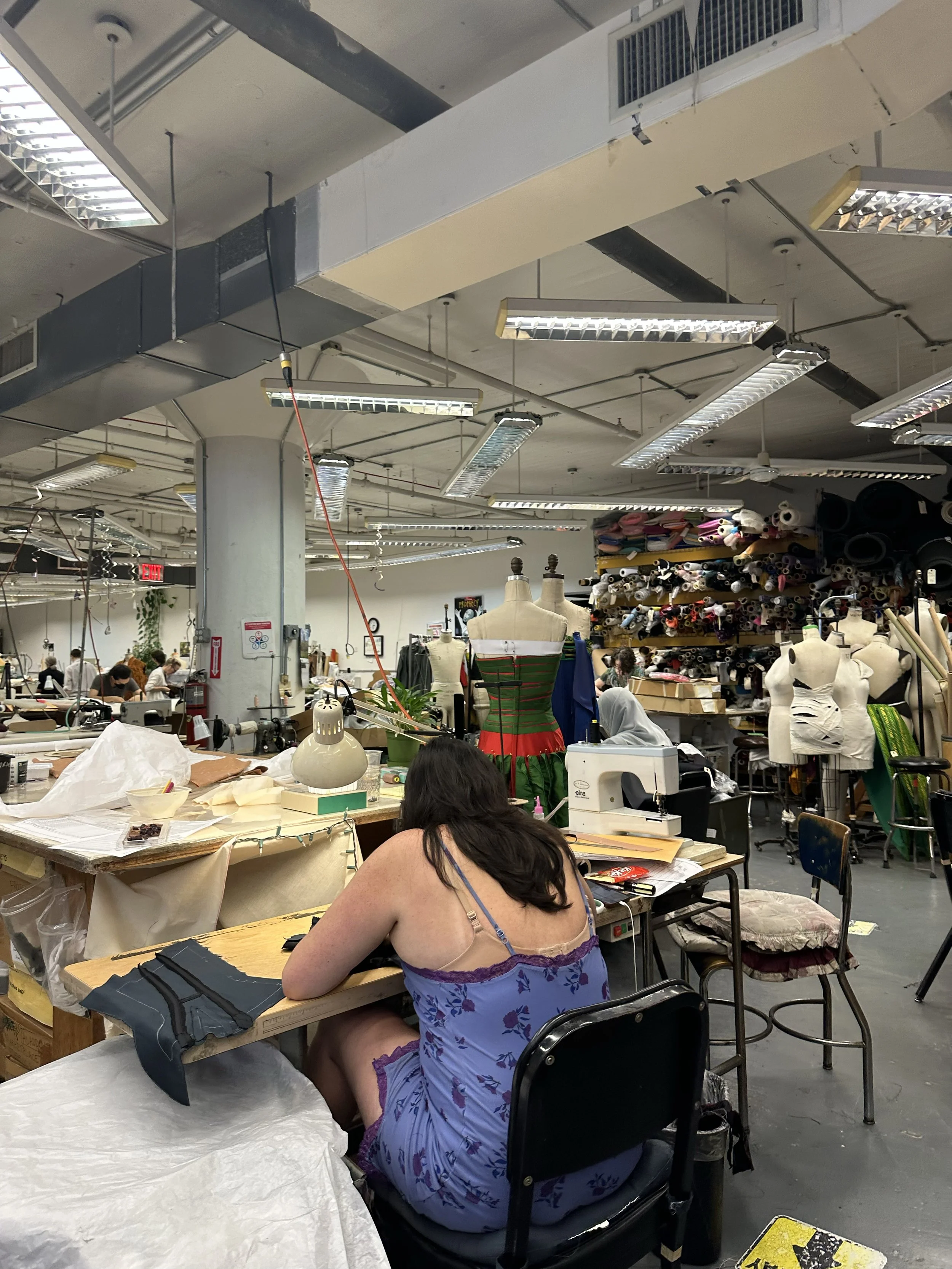
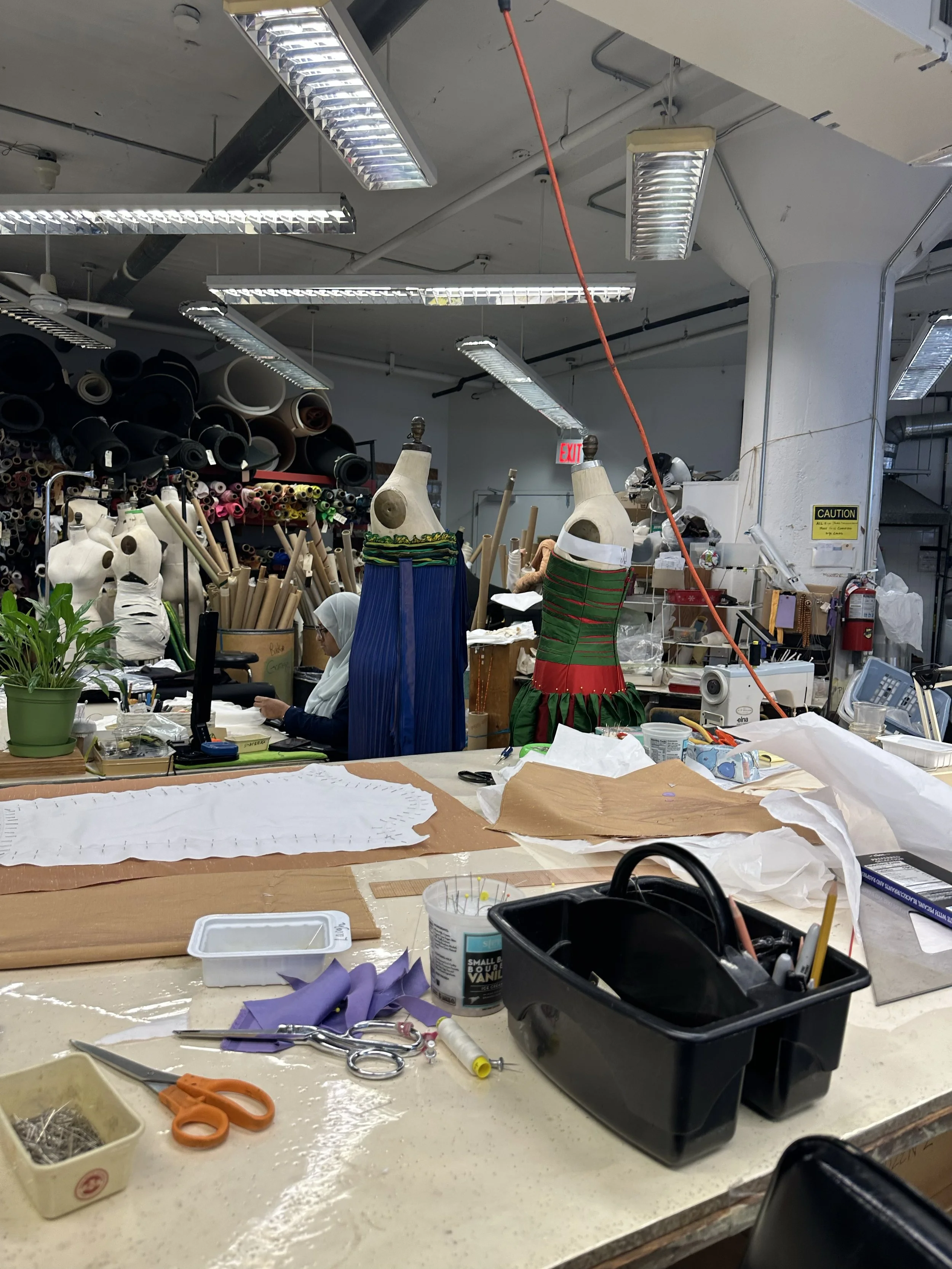
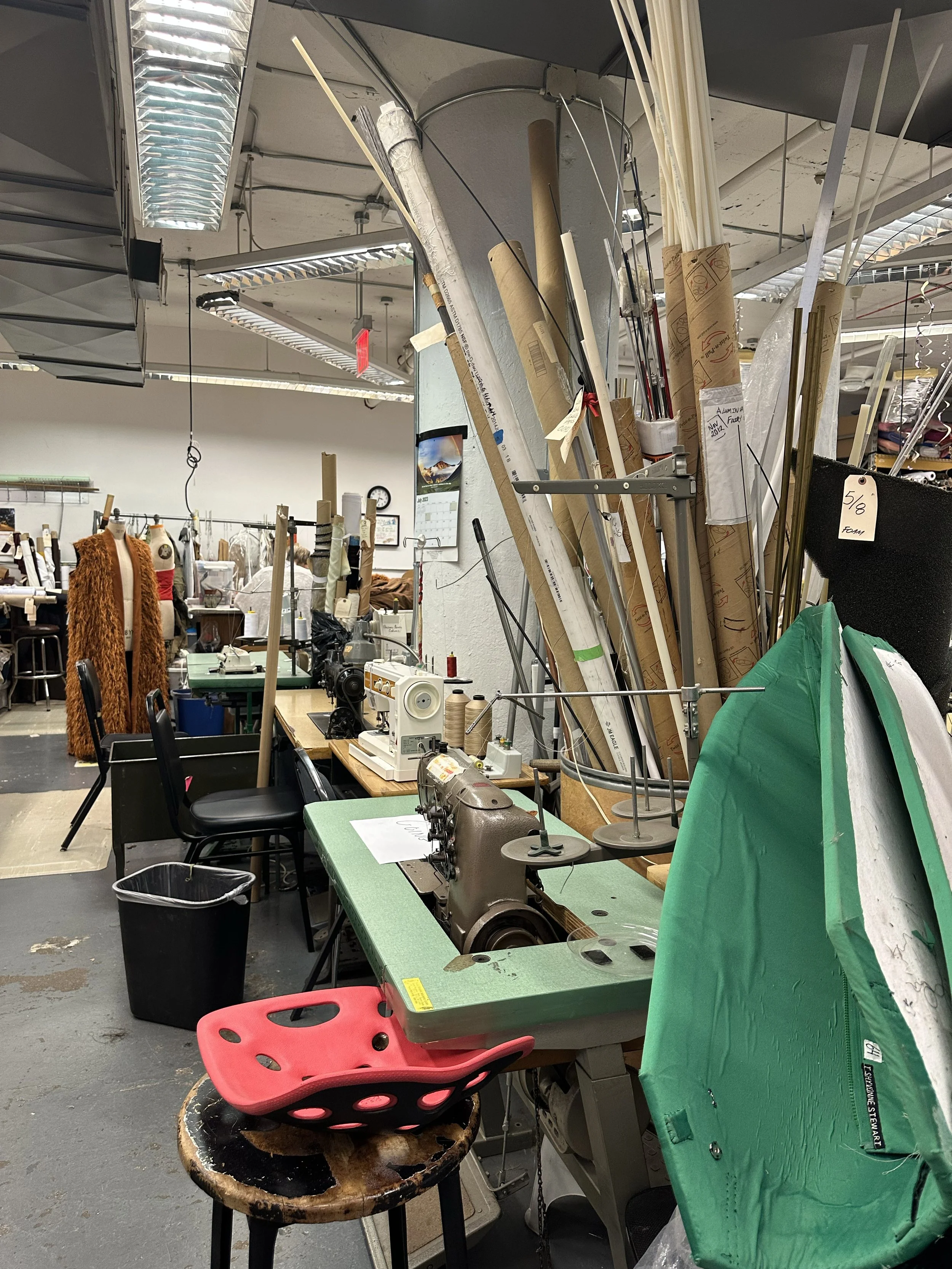
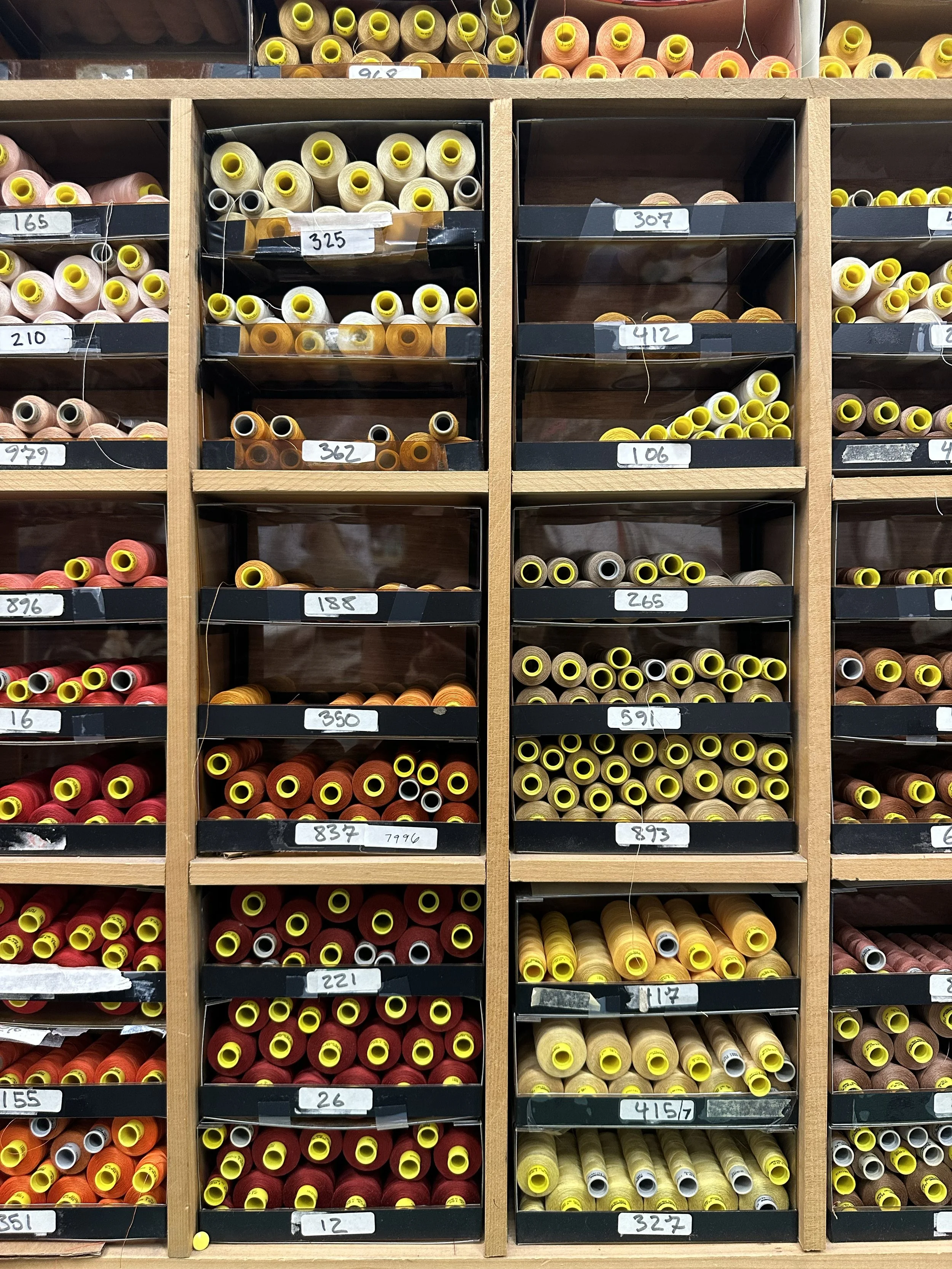
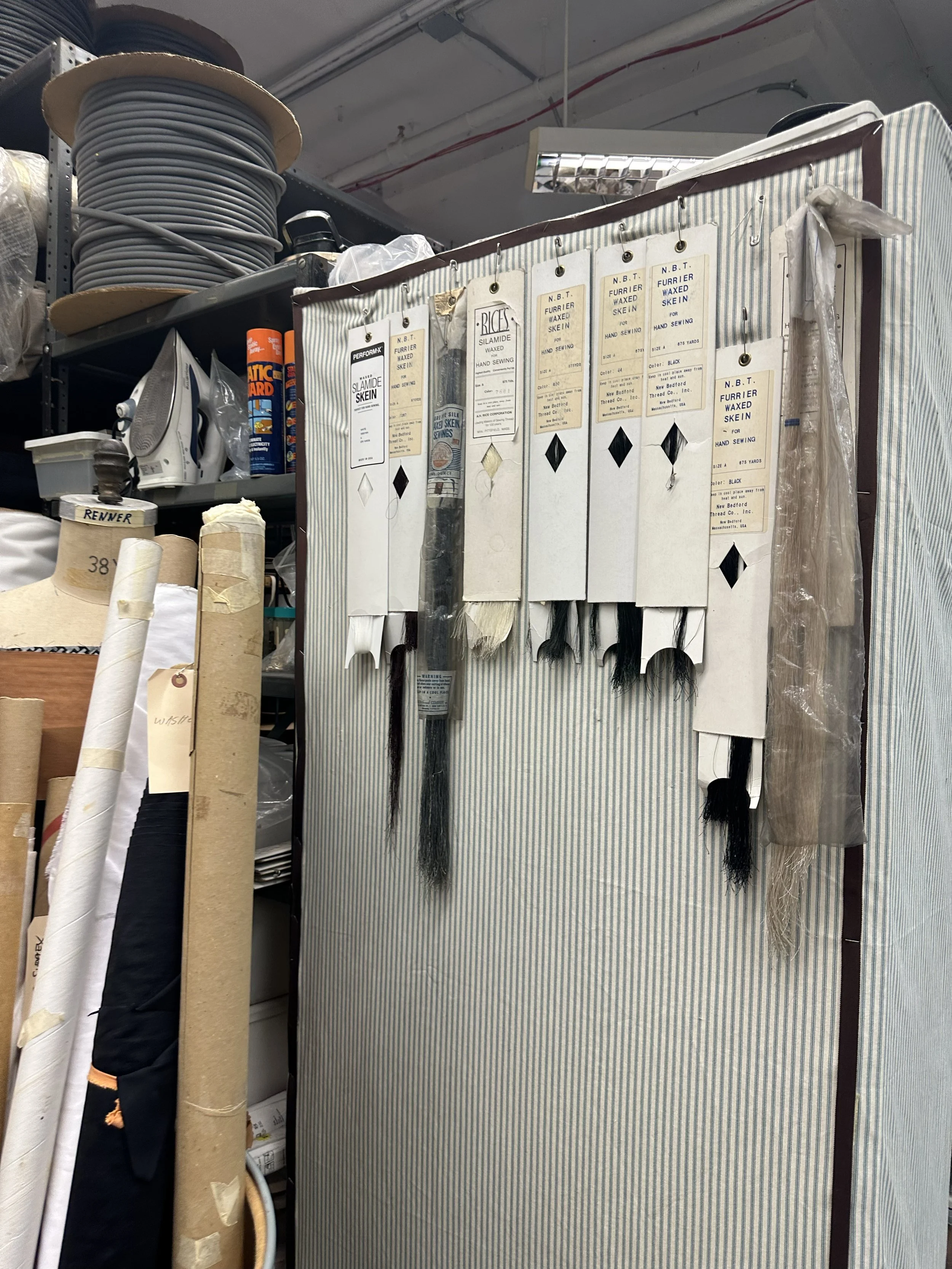
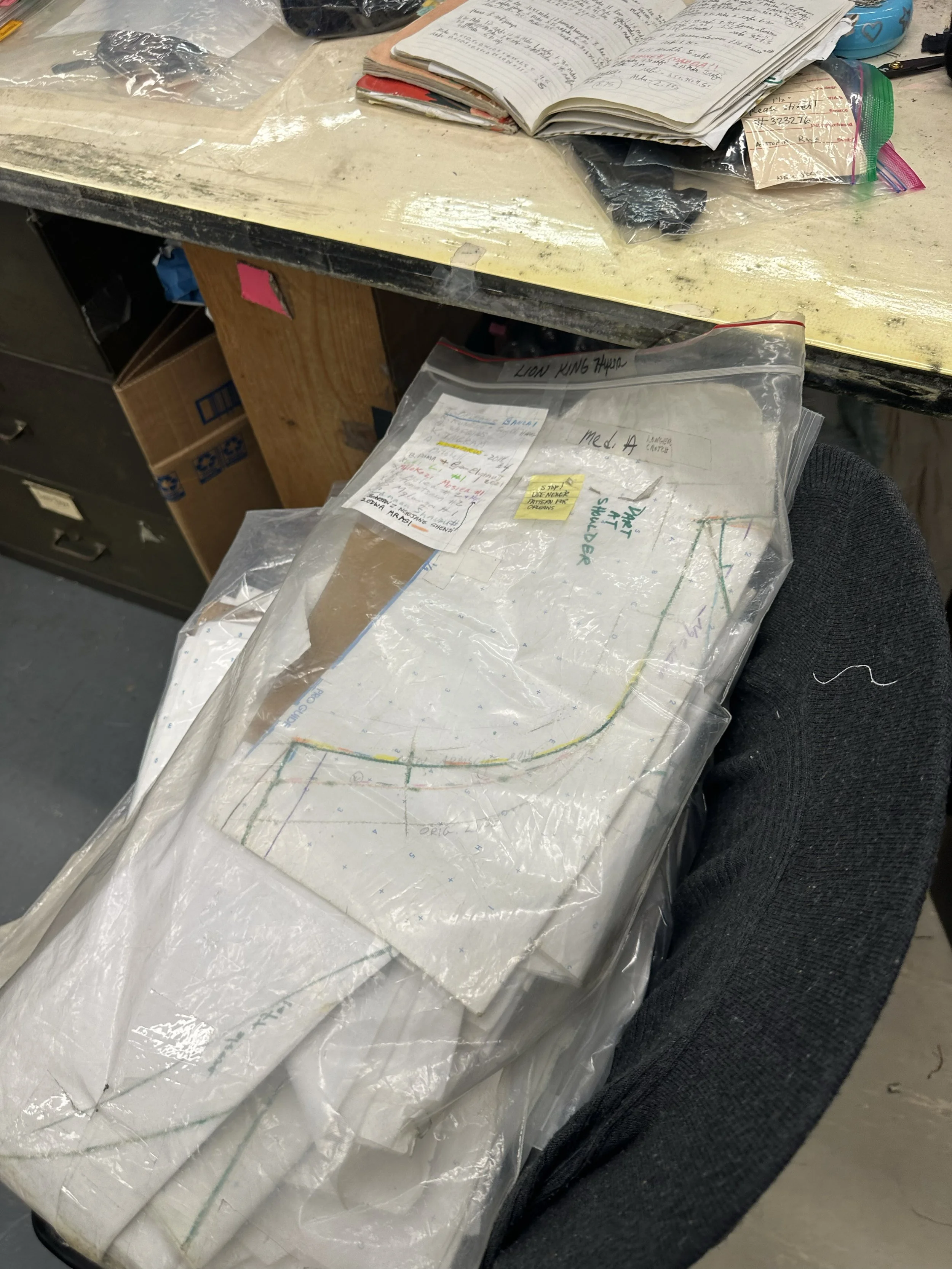
This interview with Sally Ann took place at the Parson-Meares workshop in Long Island City in 2023. The city’s largest costume shop, Parson-Meares, often employs over 60 dressmakers, craftspeople and artists for work on a single project. The workshop is a wonder of creativity and artistry, as you can see in the slideshow of images at the top of this page. This is a really fascinating conversation if you’ve ever wanted to step behind the scenes and learn more about the work that goes into the costumes that delight us.
For more on Parson-Meares and their costumes, visit their Instagram.
“In the thousands of designs Parsons-Meares has realized for theatre, dance, and film, each garment is ushered through its various stages of development with intense scrutiny and no small measure of judgement. Constant alteration and refinement mark its journey to completion. This high degree of refinement and scrutiny speaks of Parsons-Meares attention to detail and excellence. Precision beading, unique sculpted heads, intricate fabric painting techniques, and a bevy of talented and experienced operators, finishers, dyers and drapers all contribute to the finished design.”