Episode 42: Steven Thomas





Last year I started a Substack newsletter, also called Sighs and Whispers, which covers many of the same themes as this podcast. You should sign up! I send out one free newsletter a week and one paid—all financial support of the newsletter allows me the time to write the newsletter, make this podcast, and do my Instagram, so please do consider becoming a paid subscriber.

Zooey Quinn and Steve Thomas strutting outside the Pheasantry, Kings Road in 1966.
This interview with artist Steven Thomas was recorded in February 2023, during the same trip to England that I recorded the previous episodes with pop artist Allen Jones and leather couturiers Whitaker Malem. It had been a dream of mine for many decades to speak with Steve. I first became aware of him through his design work for Biba, the iconic British clothing brand of the 1960s and 70s, then later became aware of the sheer breadth of his cultural impact—behind the scenes, crafting brand identities and advertising campaigns that helped define the 1980s and 90s.
As Steve recounts in this conversation, recorded in person at the Chelsea Arts Club, where he is a longtime member, he studied painting at the Chelsea School of Art (under previous podcast guest Allen Jones) during the Youthquake of the 1960s. Hanging out on the King's Road, he was part of Swinging London—modelling, painting the façade of Chelsea boutique Dandie Fashions, and designing album artwork for bands, including the Rolling Stones.

Steve Thomas and Eleanor Powell at the launch Tea Dance of Biba Cosmetics in 1971.
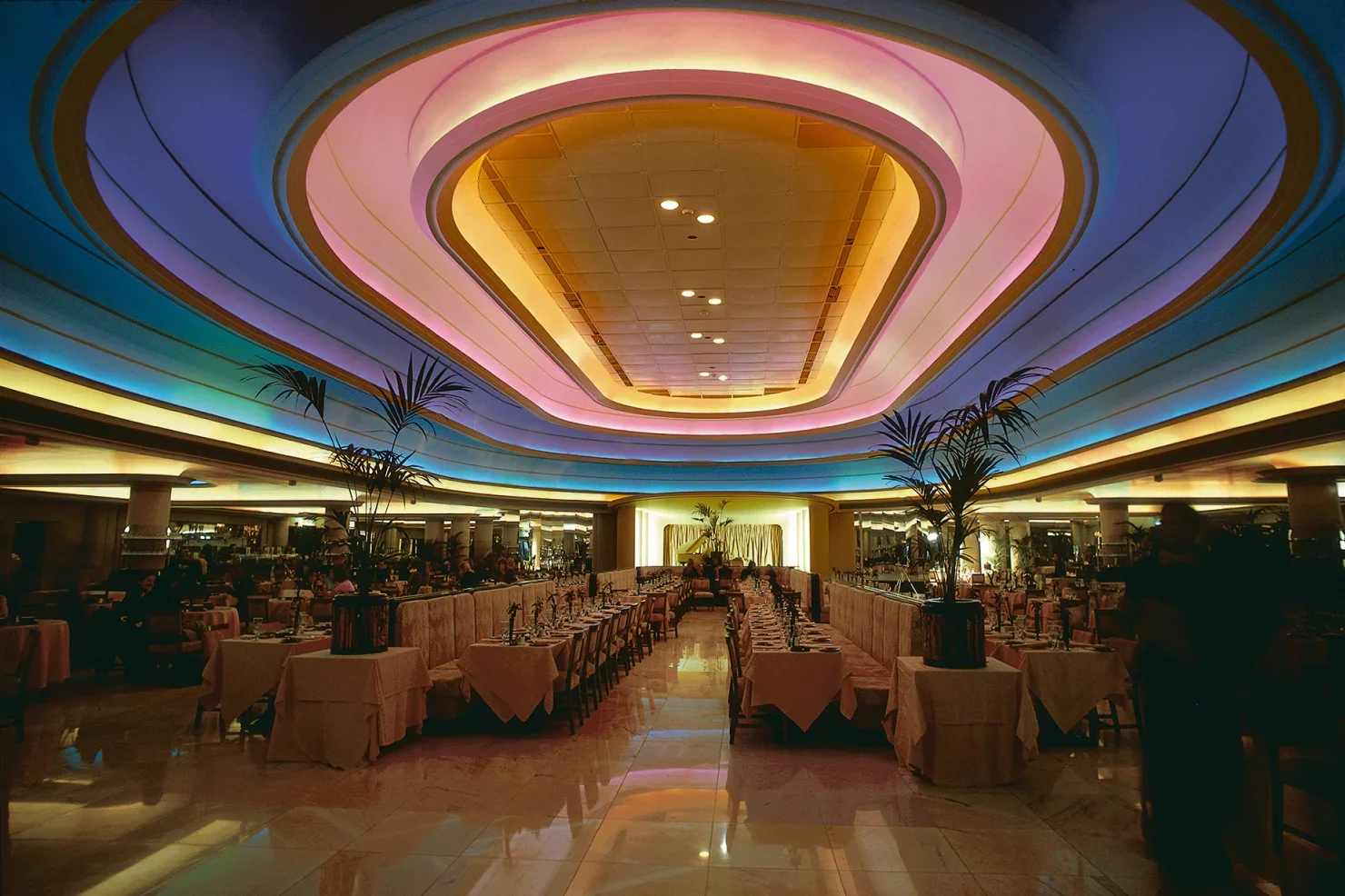
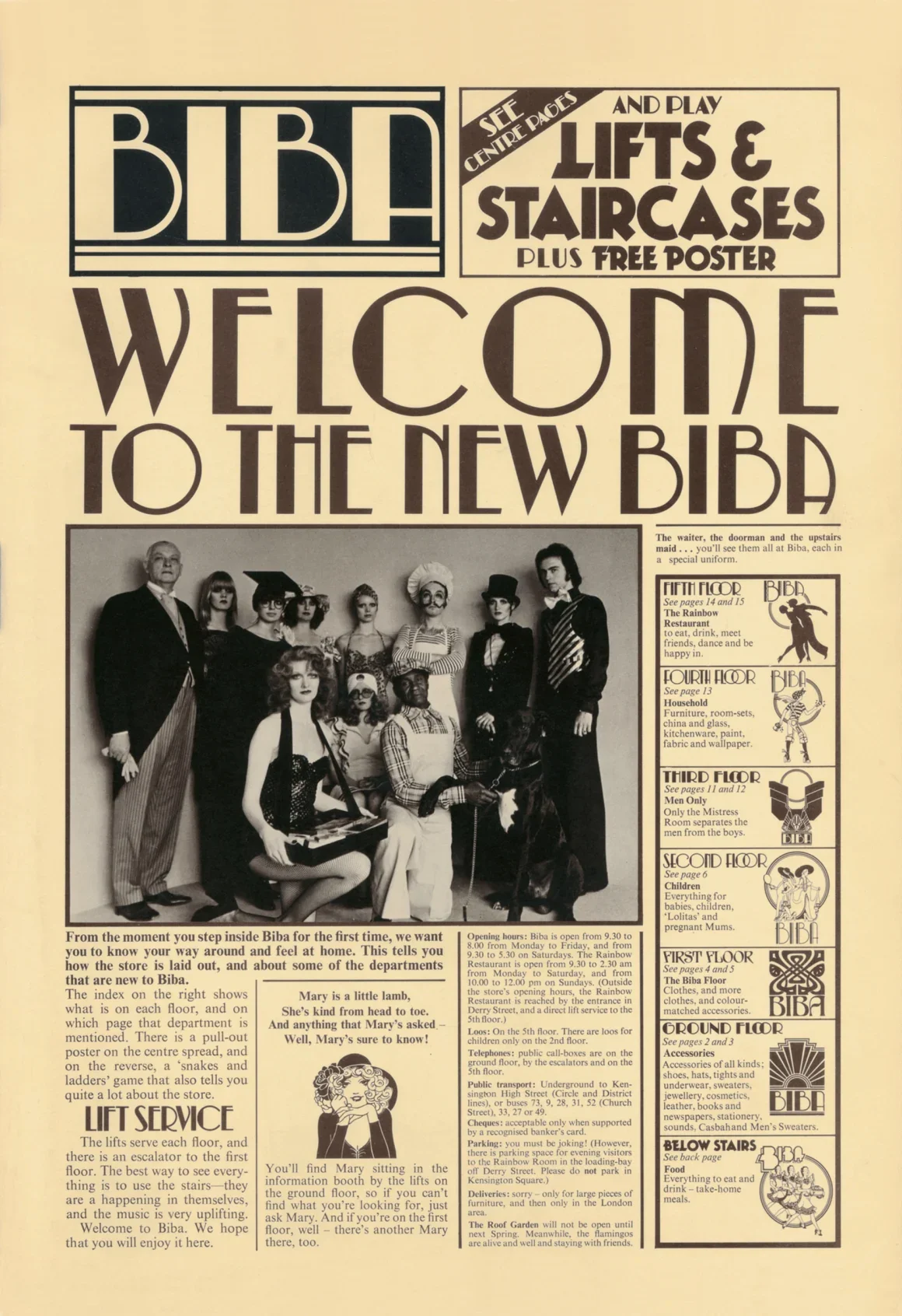
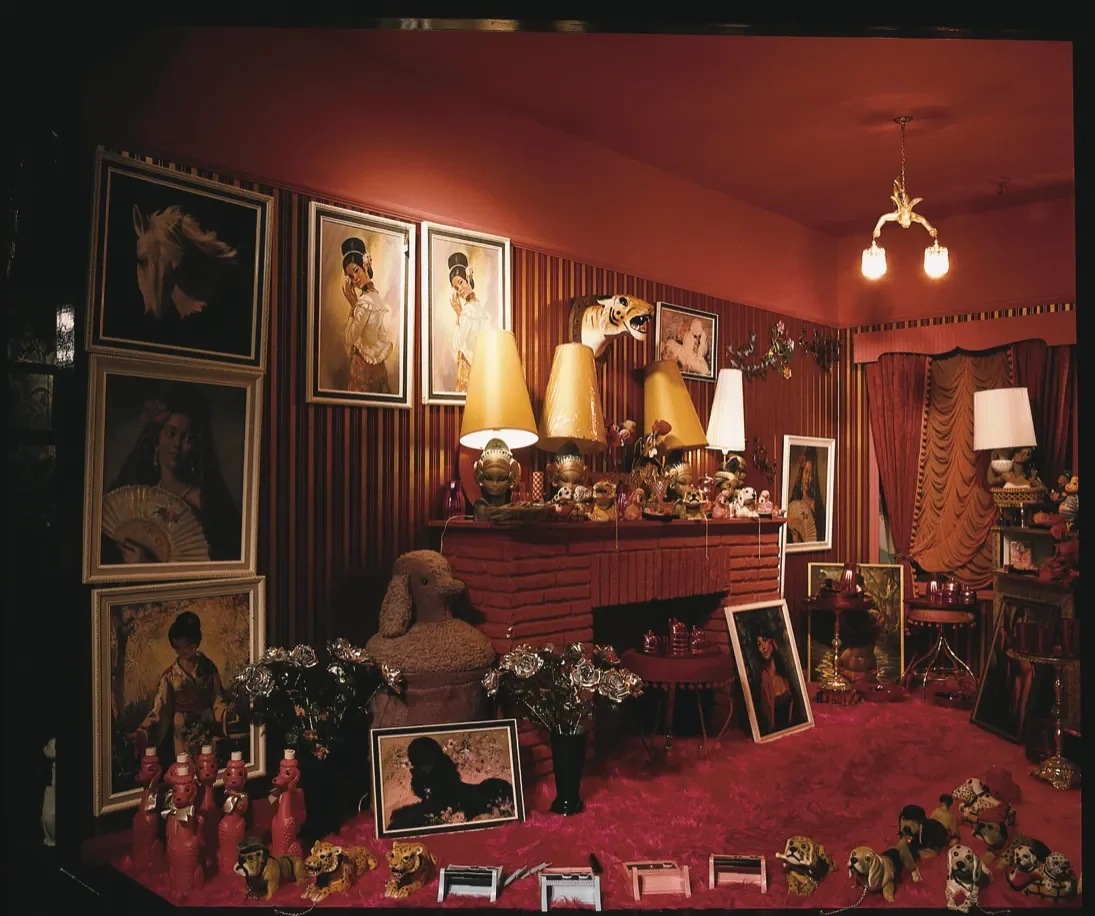
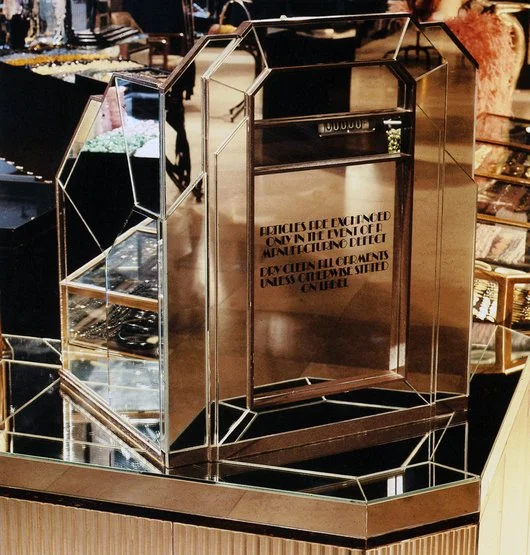
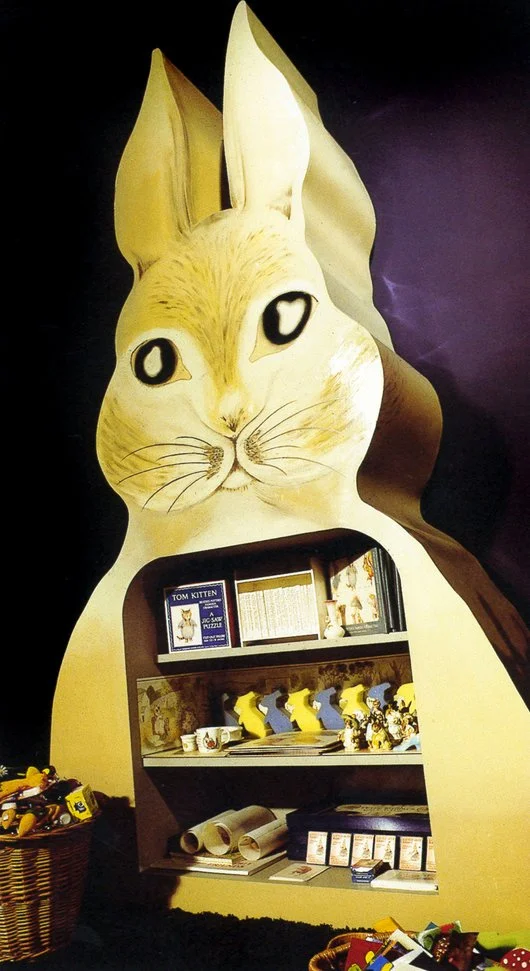
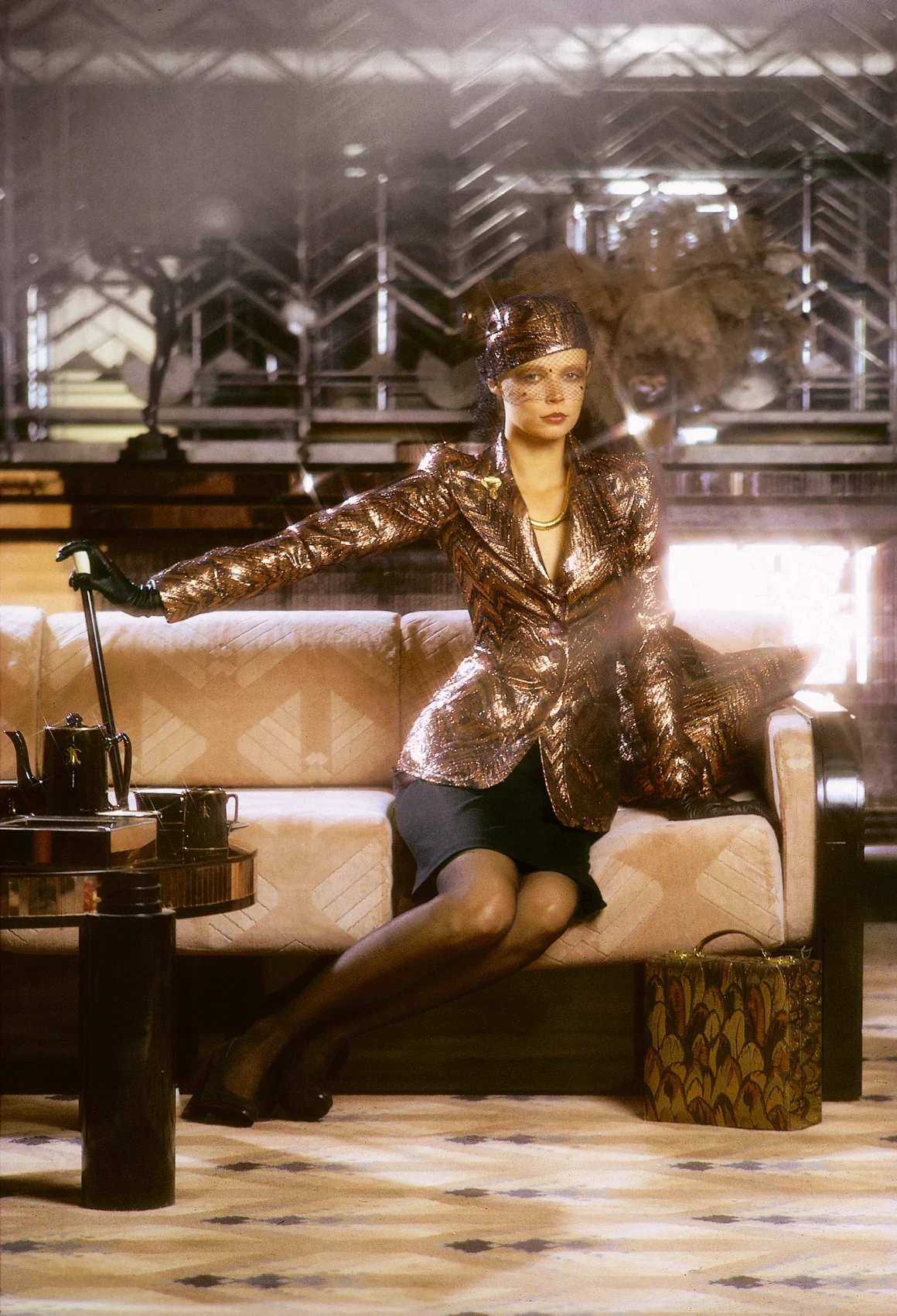
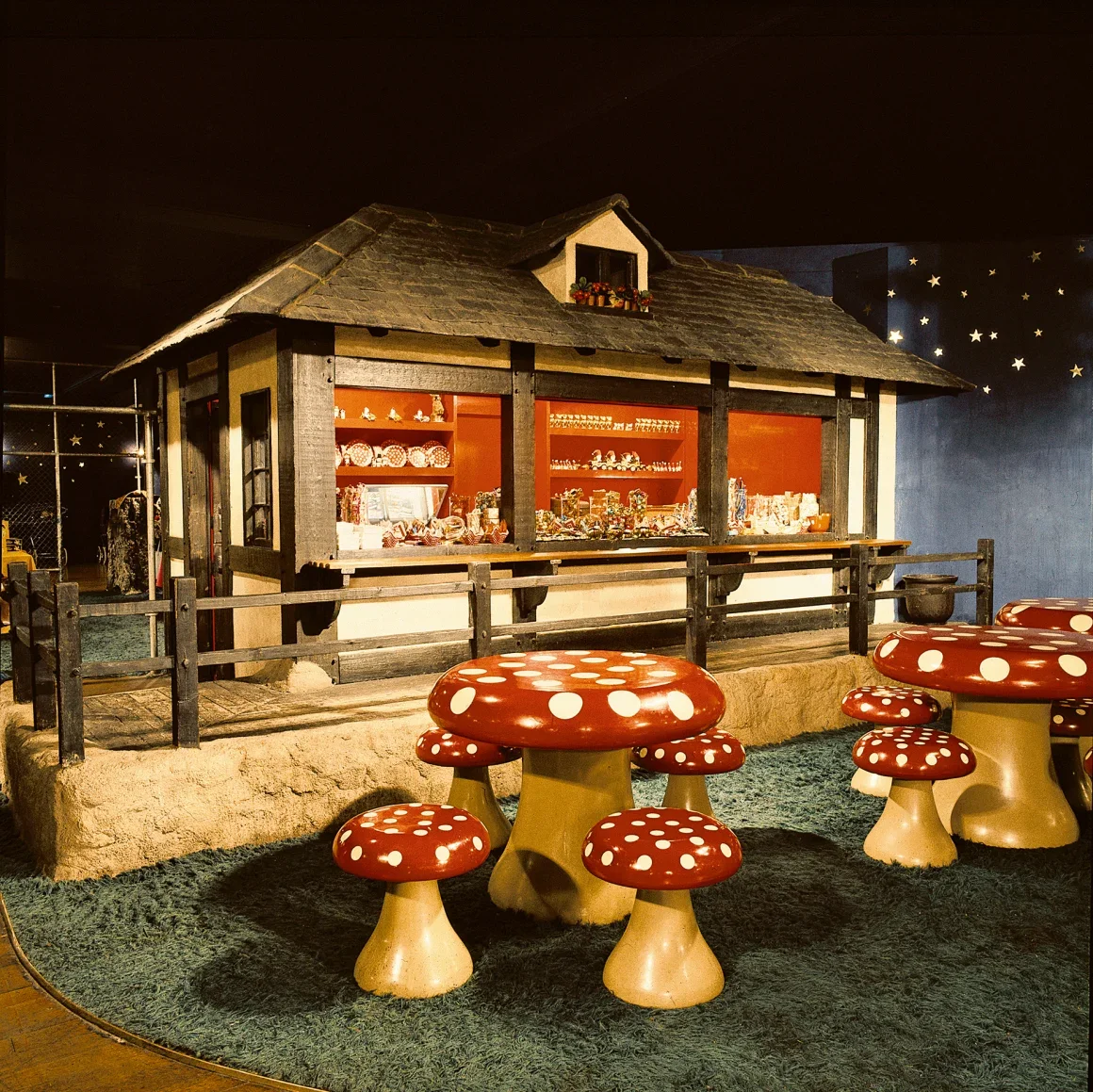
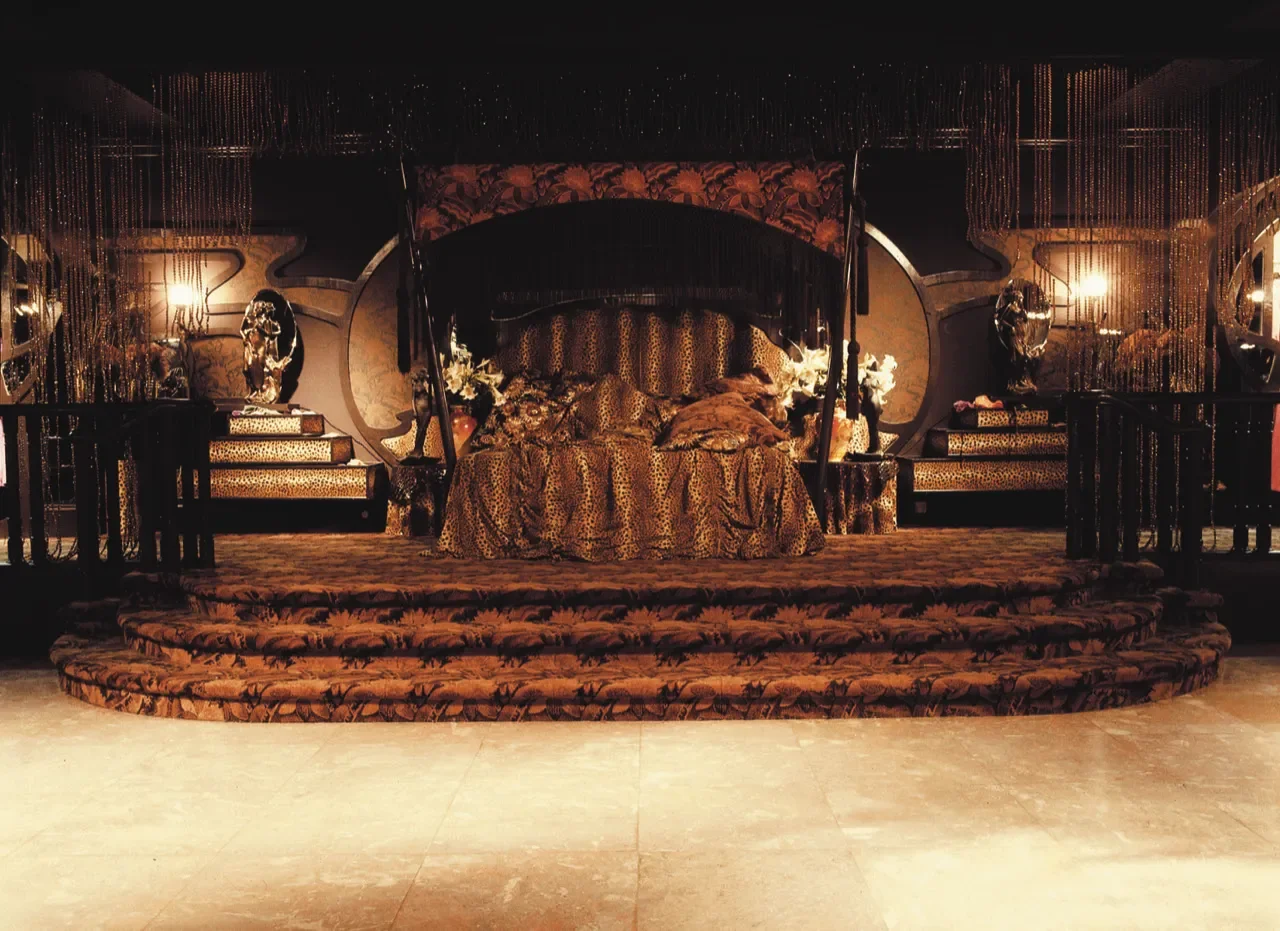
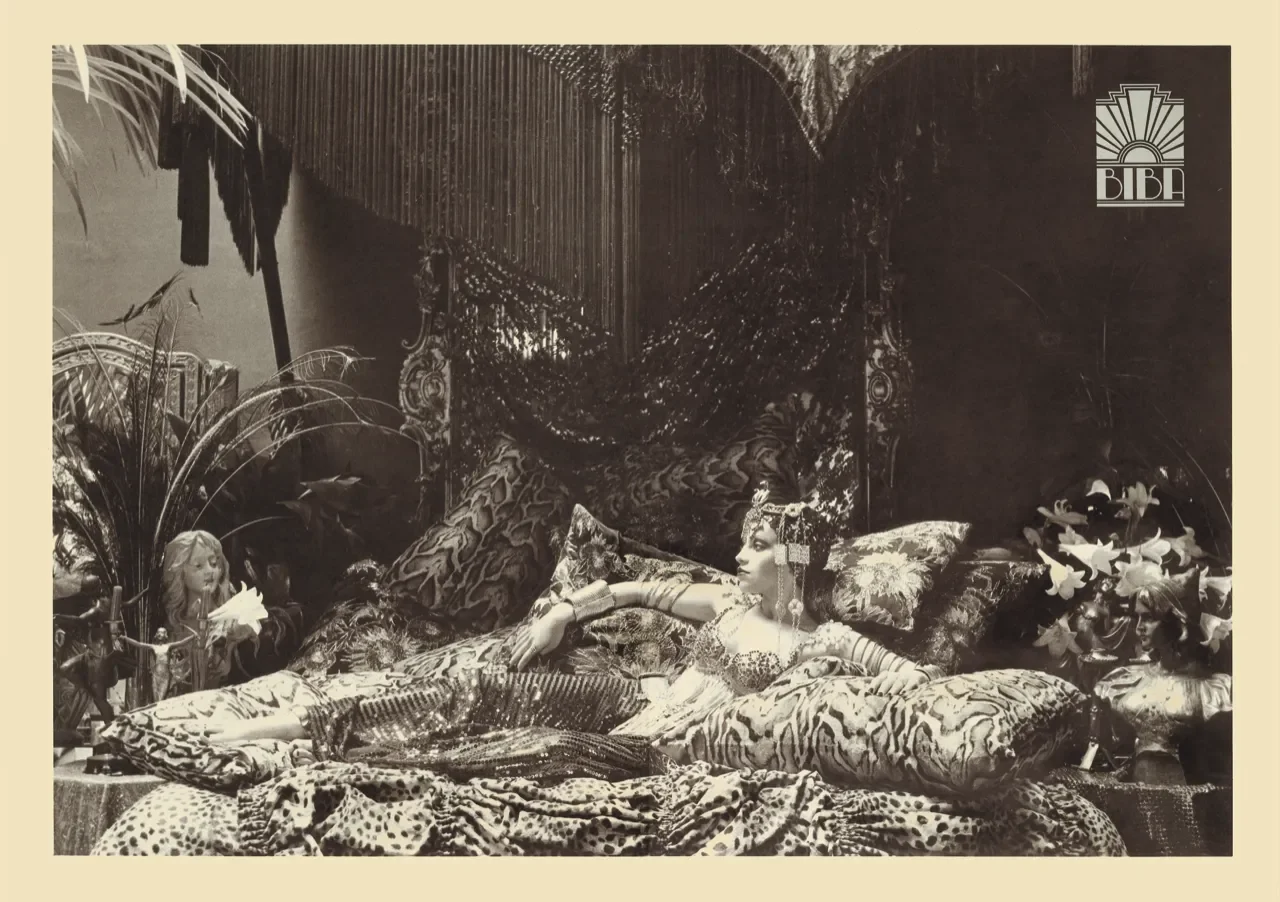
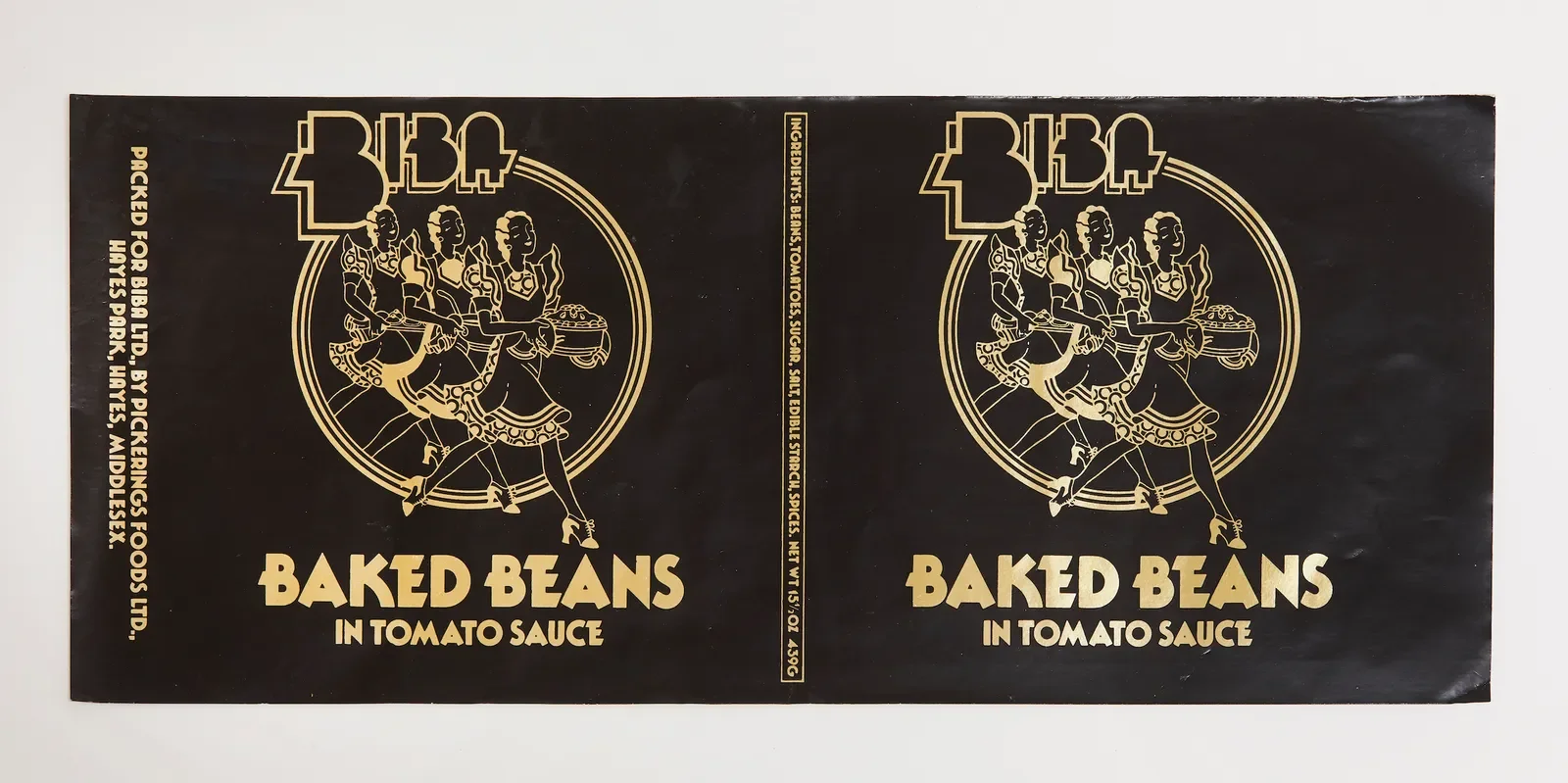
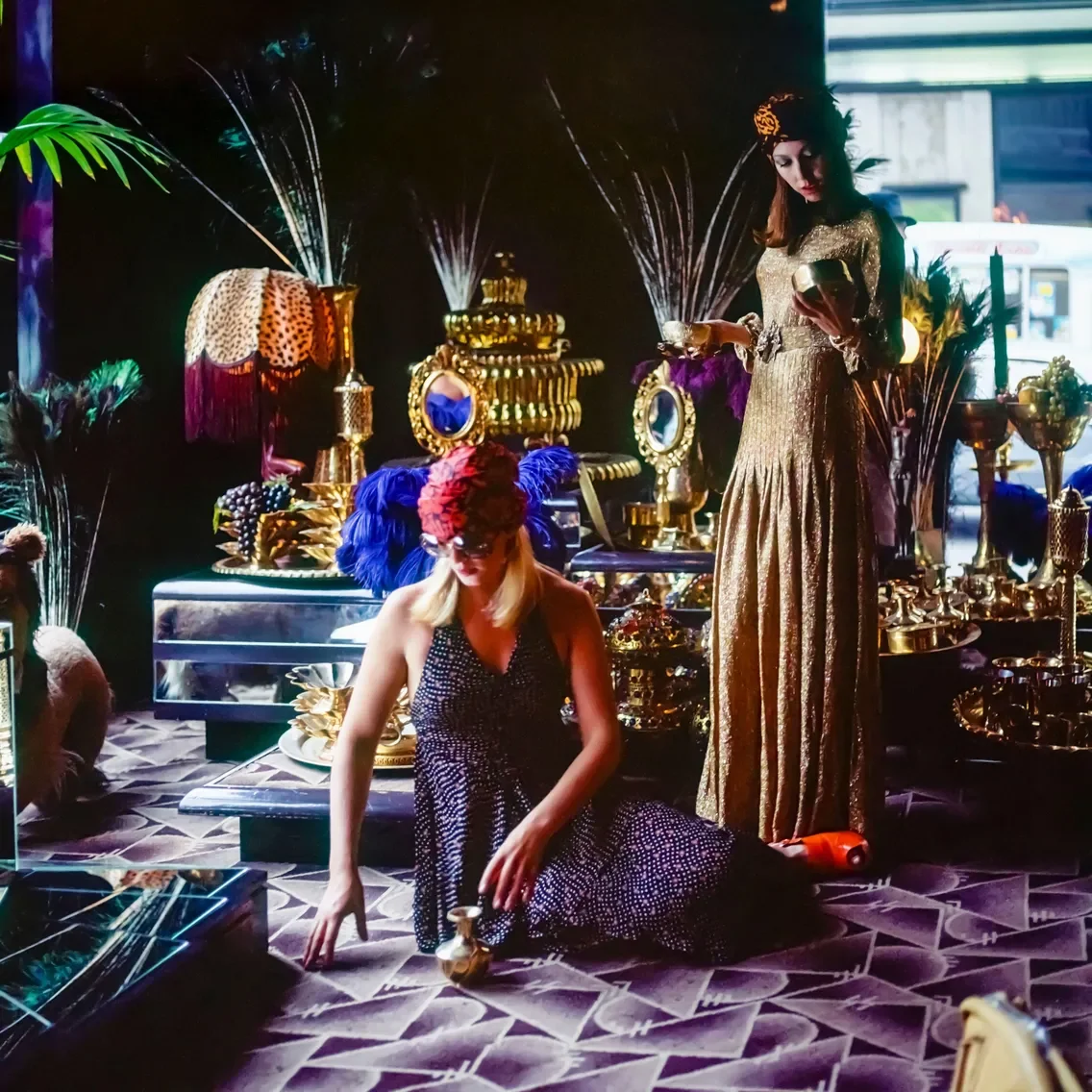
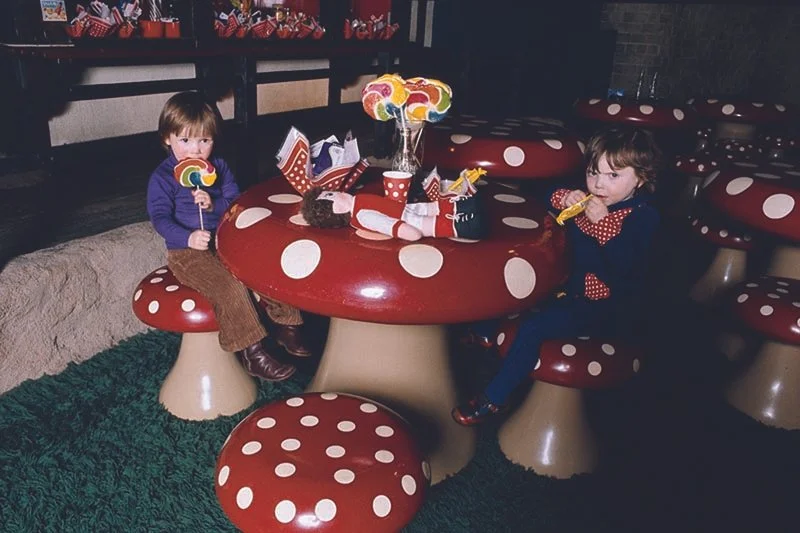
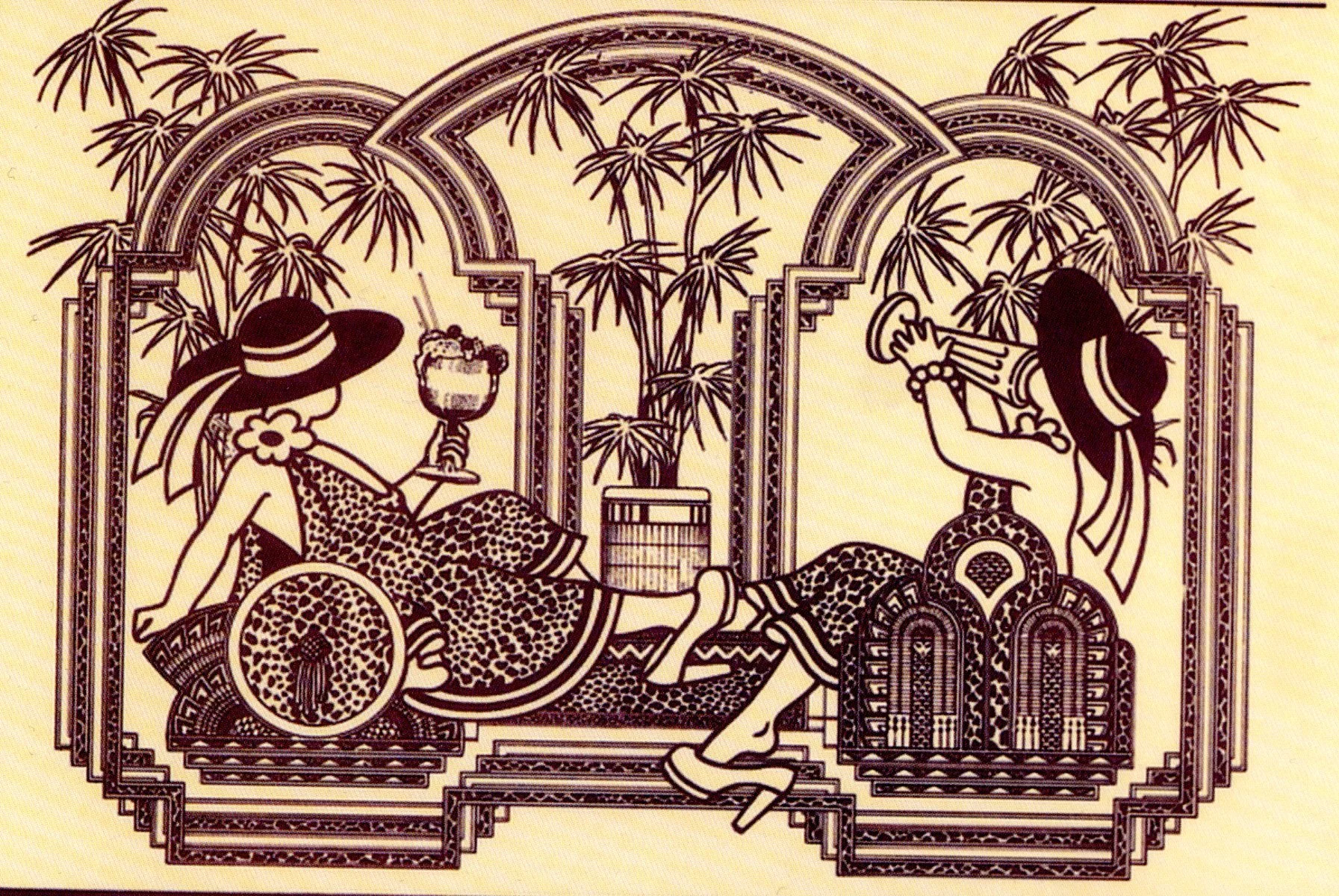
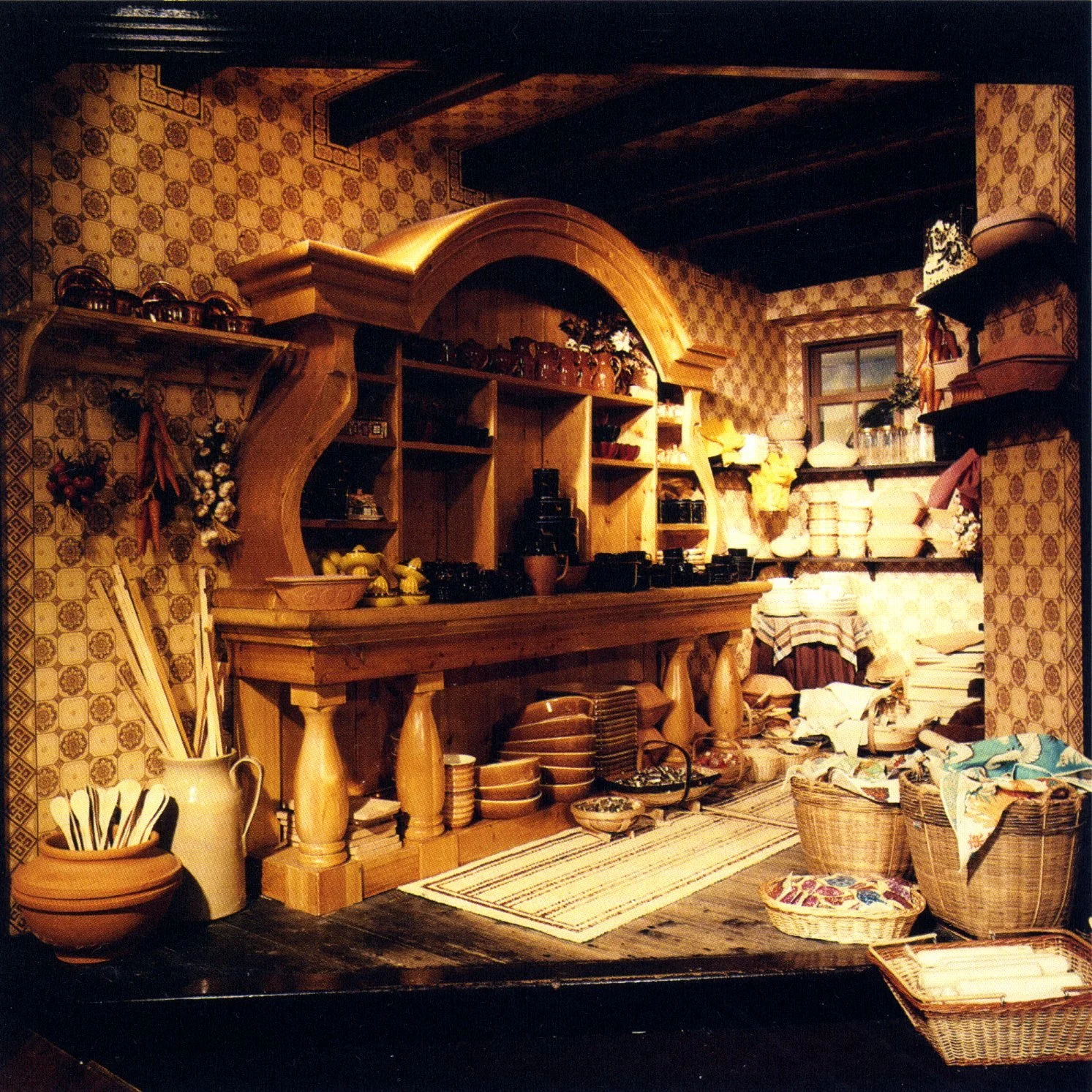
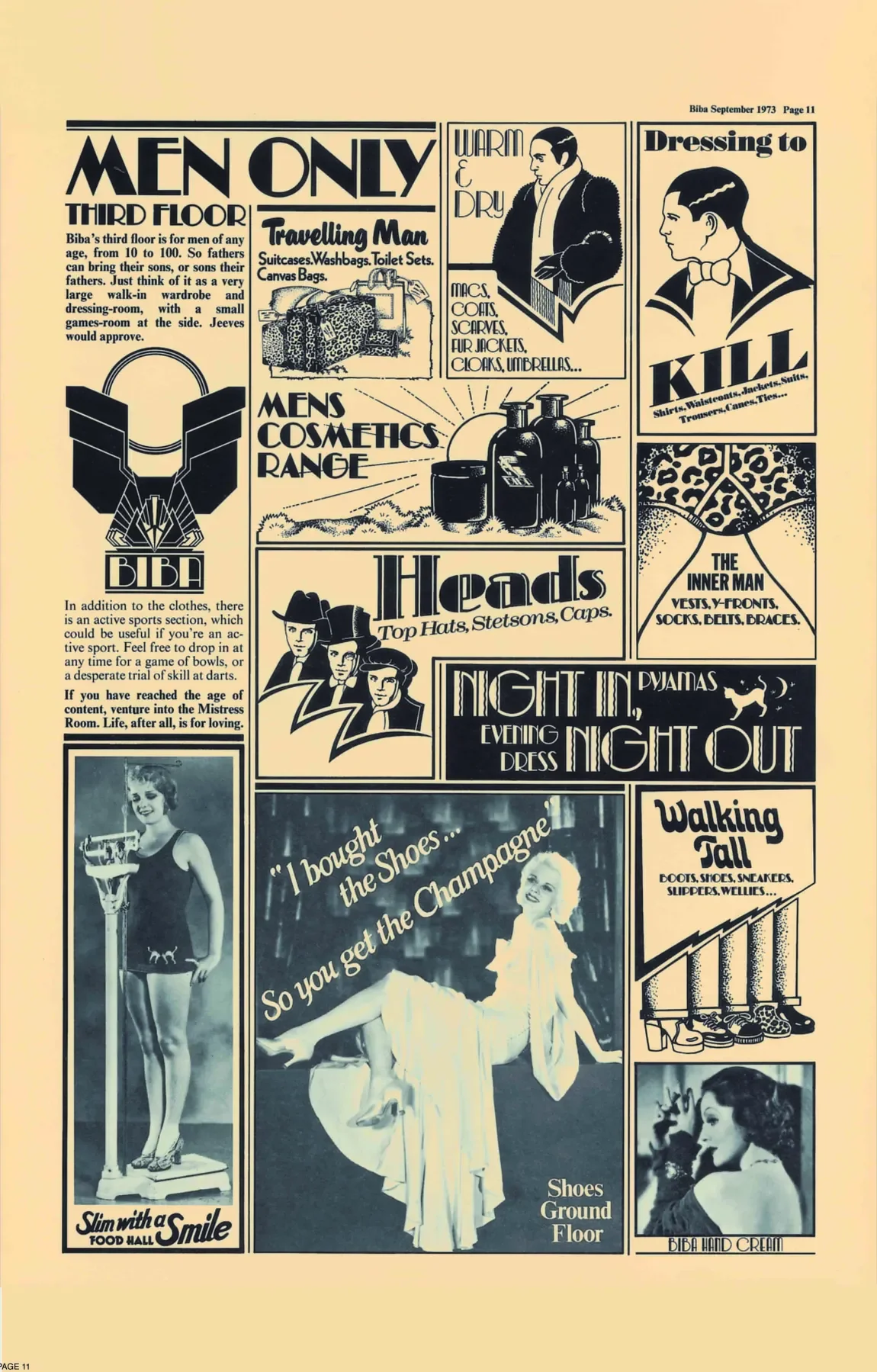
A girlfriend brought him into the Biba fold. Founded by fashion illustrator-turned-fashion designer Barbara Hulanicki and her husband Stephen Fitz-Simon as a mail-order fashion company in 1963, Biba made inexpensive clothing that was truly at the cutting edge—fresh, youthful styles redolent of decadent, bygone eras, often in muddy, off-colour hues. This blending of historical periods continued into their retail spaces, known for ornate Victorian furniture and antiques, dim lighting, and piles of clothing organised by colour. Steve became involved with Biba in the late 1960s—first designing a makeup poster, then a children’s department at the Kensington Church Street store, the Biba concession at Bergdorf Goodman, and then, when Biba took over a whole department store on Kensington High Street, Steve and his partner Tim Whitmore were hired to create all of the designs for the entire store, including interiors, signage, giant display items and graphic designs for the hundreds of own-brand product lines (as seen in the slideshow above). Called at the time, "the most beautiful store in the world,” it is still one of the most influential retail spaces ever—a total environment, a magical experience that transcended shopping. Big Biba is the subject of a very beautiful, endlessly inspiring book, Welcome to Big Biba: Inside the Most Beautiful Store in the World, co-written by Steve. Every creator should have a copy in their library.
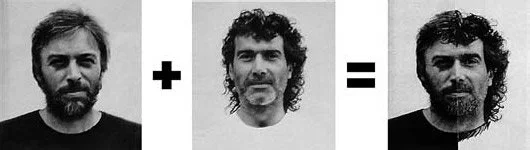
Tim Whitmore + Steve Thomas = Whitmore-Thomas
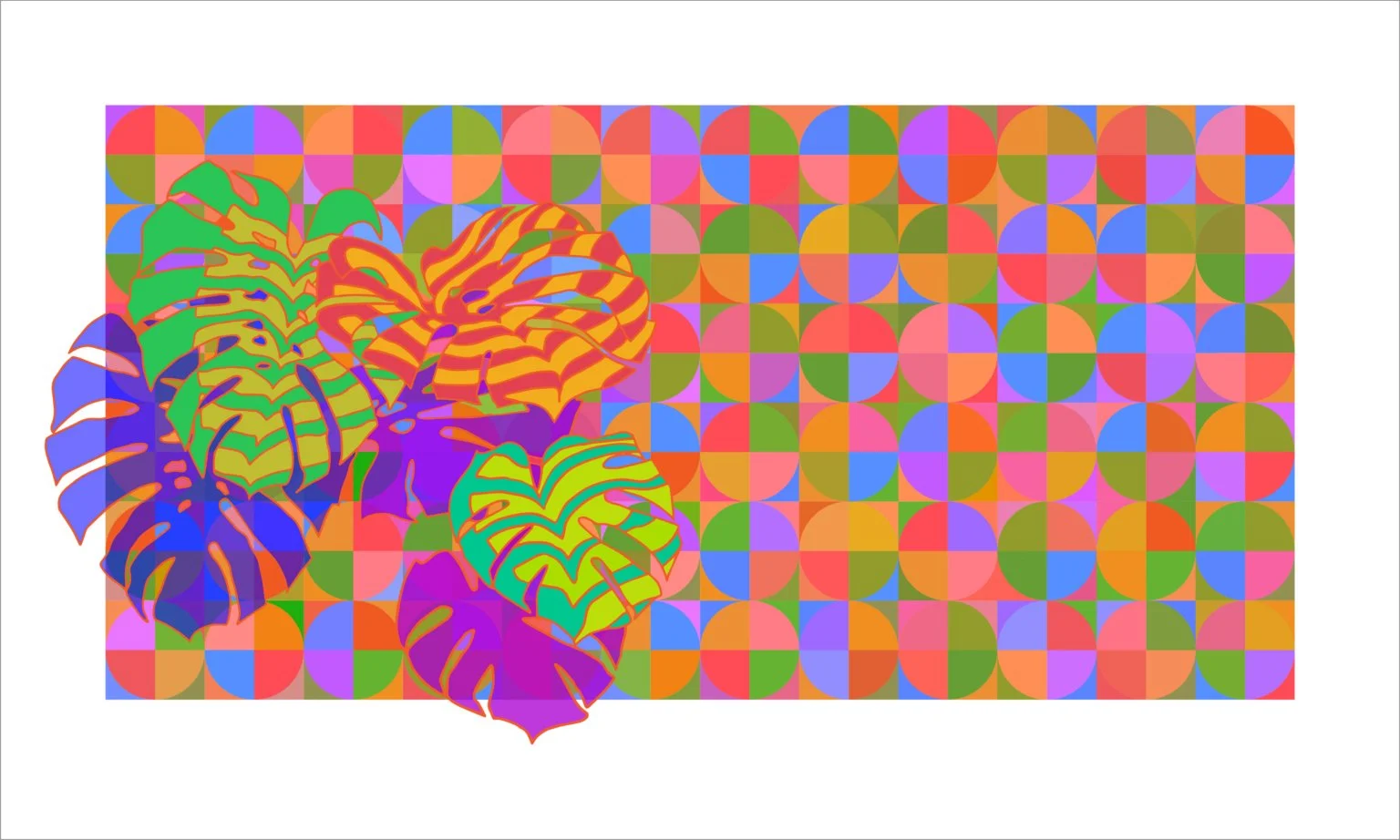
After Big Biba closed in August 1975, Whitmore-Thomas began working extensively with Paul McCartney—designing his company’s headquarters along with numerous private homes—as well as launching a highly lucrative advertising and branding business for some of the largest brands in the world, like Guinness, Harrods, Lucky Strike, Pepsi, and Virgin. In the early 2000s, Whitmore-Thomas separated, with Steve returning to his first love: painting. First working out of a long-neglected loft in Notting Hill, and then later, in 2009, from the coastal town of Deal, Steve paints brightly coloured, graphic and pop art-inspired works.

The bronze internal front door handles to Paul McCartney’s MPL offices in Soho Square.
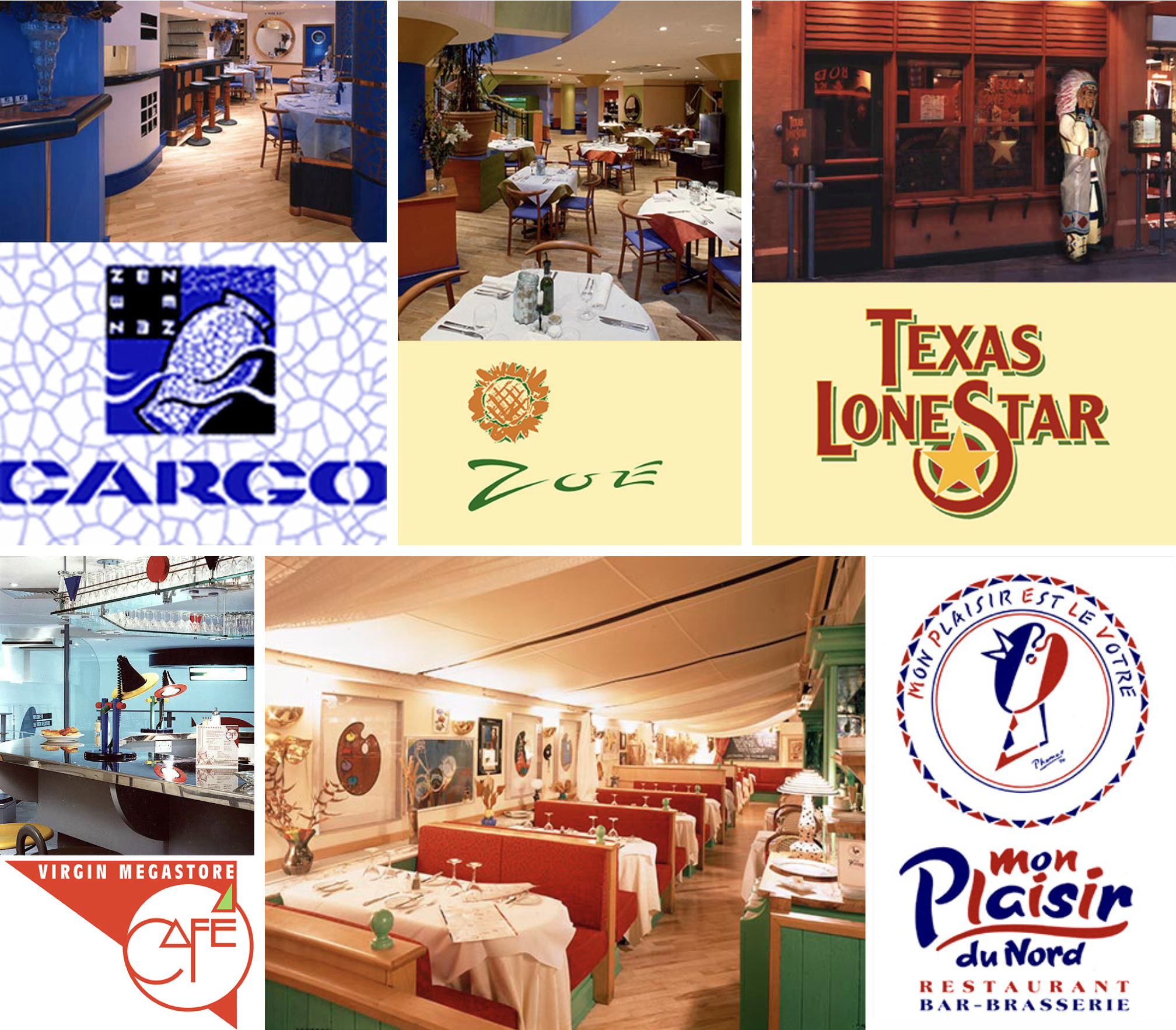
The Victoria & Albert Museum now owns the entirety of the Whitmore-Thomas archive; in 1995, the museum acquired all of the material related to their work with Biba, and then in 2020, they acquired the rest, which includes “Paul McCartney’s central London offices as well farms and recording studios, liveries for Formula One racing teams, the London Transport Silver Jubilee Buses, a model village for restaurateurs the Roux Brothers, projects for Levi-Strauss, Pepsi-Cola, the BBC, Lloyds Bank and restaurants such as the revolving CN Tower in Toronto and Mon Plaisir in central London.”
If you are interested in Biba, swinging London, and 60s and 70s pop culture, this is the interview for you. Steve is funny, open, and unreservedly honest. To learn more about his artwork and to order prints, visit his website, www.steventhomasartworks.com